Prostate Health as Men Age: Why Everyday Nutrition Matters
As men get older, prostate health often becomes a bigger priority. A common issue is an enlarged prostate—also known as benign prostatic hyperplasia (BPH)—which may cause frequent urination, disrupted sleep, and ongoing day-to-day discomfort. Although medical treatments are available, many people are increasingly interested in natural, food-based ways to support prostate wellness through daily diet.
One tropical fruit drawing attention is soursop (also called graviola). Researchers are interested in its nutrient profile—especially its antioxidants, vitamin C, and plant compounds—because early studies suggest these may help protect cells and influence inflammation. The research is still evolving, but it offers a compelling reason to learn how soursop might fit into a prostate-friendly lifestyle.
What Is Soursop (Graviola), and Why Is It Linked to Prostate Support?
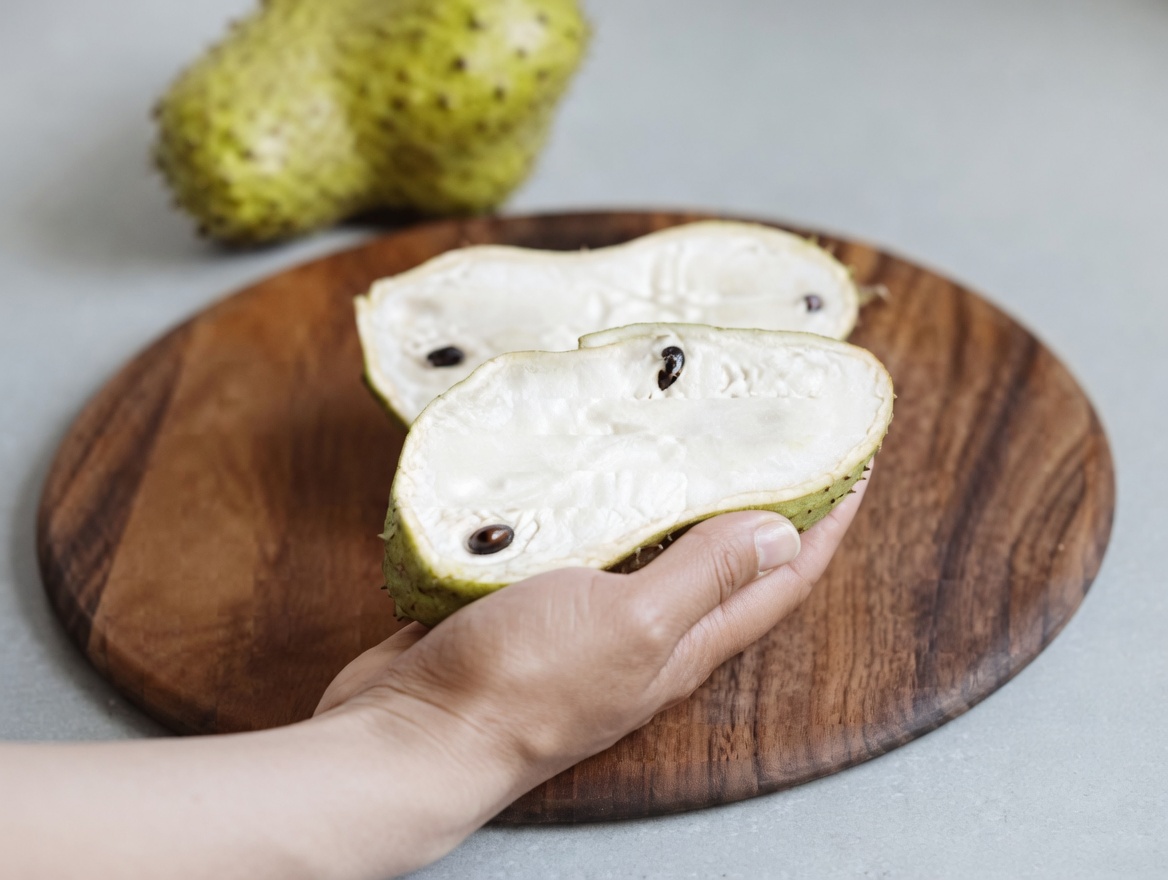
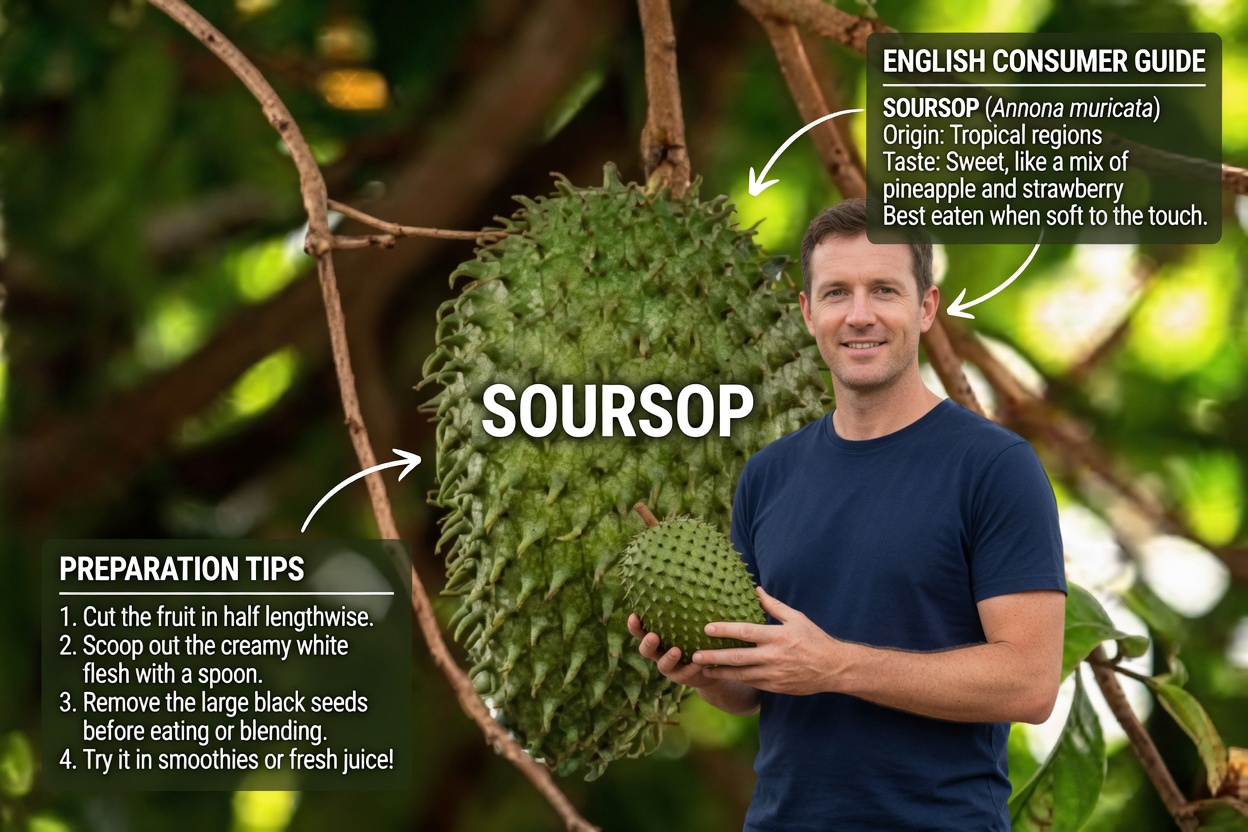
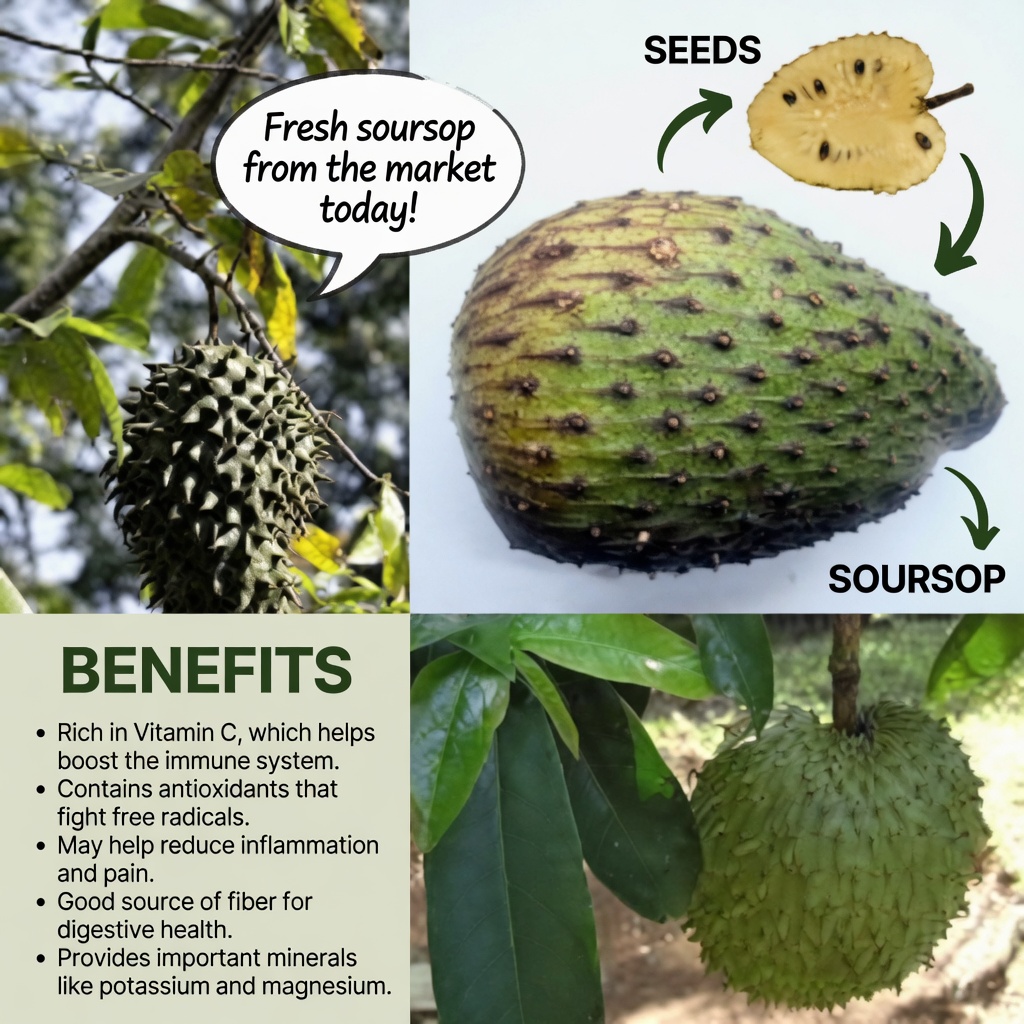
Soursop comes from the Annona muricata tree and grows in tropical climates. It has a spiky green exterior and a soft, creamy white flesh with a sweet-tart flavor often described as a blend of pineapple, strawberry, and citrus.
Beyond taste, soursop is notable for its naturally occurring compounds, including:
- Vitamin C, an antioxidant associated with reducing oxidative stress in the body
- Phytochemicals such as acetogenins and flavonoids, which have been explored for their potential effects on cellular processes
- Additional plant-based antioxidants found in both the fruit and leaves
Interest in soursop and prostate health has increased because conditions like BPH are often associated with age-related inflammation and gradual cellular changes. Current evidence is largely preclinical, so it should be viewed as supportive—not as a substitute for medical care.
How Soursop Antioxidants May Help Protect Prostate Cells
Oxidative stress happens when free radicals outnumber the body’s defenses, which can contribute to cellular damage over time. The prostate may become more vulnerable to this imbalance with age.
Soursop is frequently discussed in this context because it provides:
- Vitamin C to help support antioxidant defenses
- A range of plant antioxidants that may help protect cells from oxidative damage
In laboratory settings, extracts from soursop fruit and leaves have also been evaluated for their influence on abnormal cell activity in prostate-related models. While these findings are not the same as proven human outcomes, they help explain why soursop is being studied.
Potential Prostate Wellness Benefits of Soursop (What Studies Highlight)
Research commonly focuses on three areas that may be relevant for prostate health:
- Antioxidant support: The combination of vitamin C and other antioxidants may help protect prostate cells from oxidative damage associated with aging and inflammation.
- Anti-inflammatory activity: Since chronic low-grade inflammation is linked with prostate enlargement, soursop’s bioactive compounds have been investigated for their ability to influence inflammatory markers in animal models.
- Cellular health insights: Lab studies using prostate cancer cell lines have found that soursop extracts can affect cell viability and proliferation under specific experimental conditions, including reduced clonogenic potential in certain models.
Some animal studies (including rat models of induced BPH) report that fractions derived from soursop leaves or seeds may help moderate markers such as:
- Prostate weight changes
- Certain enzyme levels
- Antioxidant status compared with untreated groups
It’s important to keep expectations realistic: these results largely come from test-tube and animal research, and human clinical evidence remains limited.
What the Research Actually Says (Without the Hype)
Public headlines sometimes exaggerate what soursop can do. More balanced perspectives from scientific databases and research institutions generally suggest:
- Animal studies have tested soursop leaf extracts in testosterone-induced BPH models and noted changes in prostate size markers and antioxidant balance.
- Lab studies suggest that soursop’s acetogenins and flavonoids may work together in ways that influence cellular protection in prostate-related experiments.
- Major institutions such as Memorial Sloan Kettering Cancer Center and Cancer Research UK acknowledge laboratory activity against cancer cell lines, while emphasizing that strong human clinical trials are lacking.
Overall, the evidence supports viewing soursop as a nutrient-rich food that may complement a prostate-conscious diet—not as a treatment.
Practical Ways to Add Soursop to Your Routine
Adding soursop can be easy if you choose simple, minimally processed options.
1) Eat the Fruit (Simple and Convenient)
- Pick a ripe soursop (slightly soft skin is a common sign of ripeness).
- Scoop the pulp, remove the seeds, and eat as-is or mix into foods.
2) Smoothie Idea (2–3 Times Per Week)
Ingredients
- 1 cup soursop pulp
- 1 banana
- A handful of spinach
- 1 cup almond milk
Directions
- Blend until smooth.
- Adjust thickness with water or more milk as needed.
3) Soursop Leaf Tea (If Available)
- Steep dried leaves in hot water for 5–10 minutes.
- Consume in moderation as part of a varied diet.
Portion Tip
Start small—such as half a fruit per serving—to assess how your body tolerates it.
Safety Notes and Realistic Expectations
Soursop can fit into a broader prostate-friendly approach that also includes foods like tomatoes, berries, and green tea, along with:
- Regular physical activity
- Healthy weight management
- Routine medical check-ups and screening
Moderation matters. Excess intake is not advisable, and soursop should be treated as a supportive dietary habit, not a primary strategy for managing prostate conditions.
Frequently Asked Questions (FAQ)
Is soursop safe to eat every day?
For most people, moderate intake as part of a varied diet is generally well tolerated. If you have medical conditions or concerns, speak with a healthcare professional.
Can soursop replace treatment for BPH or other prostate issues?
No. Soursop may offer nutritional support, but it does not diagnose, treat, cure, or prevent disease. Follow medical guidance for BPH symptoms and prostate care.
Which parts of soursop are most studied?
Research often examines fruit pulp, leaves, and seeds, especially in extract form. For everyday use, the fruit is typically the most practical option.
Are there potential side effects?
Some reports raise concerns about possible neurotoxicity with very high or prolonged leaf use. Moderate fruit consumption is generally considered safer for most people.
Conclusion
Soursop is a flavorful way to increase antioxidant intake and may offer supportive benefits for prostate wellness, based on emerging research into its natural compounds. When used thoughtfully—alongside a balanced diet and healthy lifestyle—it can be a practical addition to a long-term wellness routine.
Disclaimer: This article is for informational purposes only and does not provide medical advice. These statements have not been evaluated by the FDA. Soursop is a food, not a medicine. Consult your doctor before making dietary changes, especially if you have health conditions or take medications.