Aging Eyes and Nutrition: How Food Can Help Support Long-Term Vision
As the years go by, it’s common to notice small shifts in vision—needing brighter light to read, experiencing tired eyes after long screen sessions, or feeling that sharpness isn’t quite what it used to be. These everyday changes can raise concerns about long-term eye health, especially with age-related issues such as cataracts or gradual declines in clarity.
The encouraging news is that large, well-known research efforts—including studies supported by the National Eye Institute—suggest that diets rich in certain antioxidants and nutrients may help support eye health by reducing oxidative stress and promoting healthier vision over time. Even better: many of the most beneficial options are simple, flavorful foods you can start eating right away.
Why Nutrition Plays a Key Role in Eye Health
Your eyes face constant exposure to light, pollution, and natural aging—all of which can increase oxidative stress (think of it like slow “wear and tear” on delicate eye tissues). Antioxidants and targeted nutrients help defend structures such as the retina, macula, and lens by neutralizing free radicals and supporting normal tissue function.
Major clinical studies like AREDS and AREDS2 have drawn attention to nutrients frequently associated with better eye health outcomes, including:
- Lutein and zeaxanthin
- Vitamin C
- Vitamin E
- Zinc
- Omega-3 fatty acids
The most meaningful results come from turning these nutrients into consistent, everyday habits—through meals you actually enjoy.
The Top 5 Foods for Eye Support
Below are five standout foods frequently highlighted in nutrition research for their concentration of eye-friendly compounds.
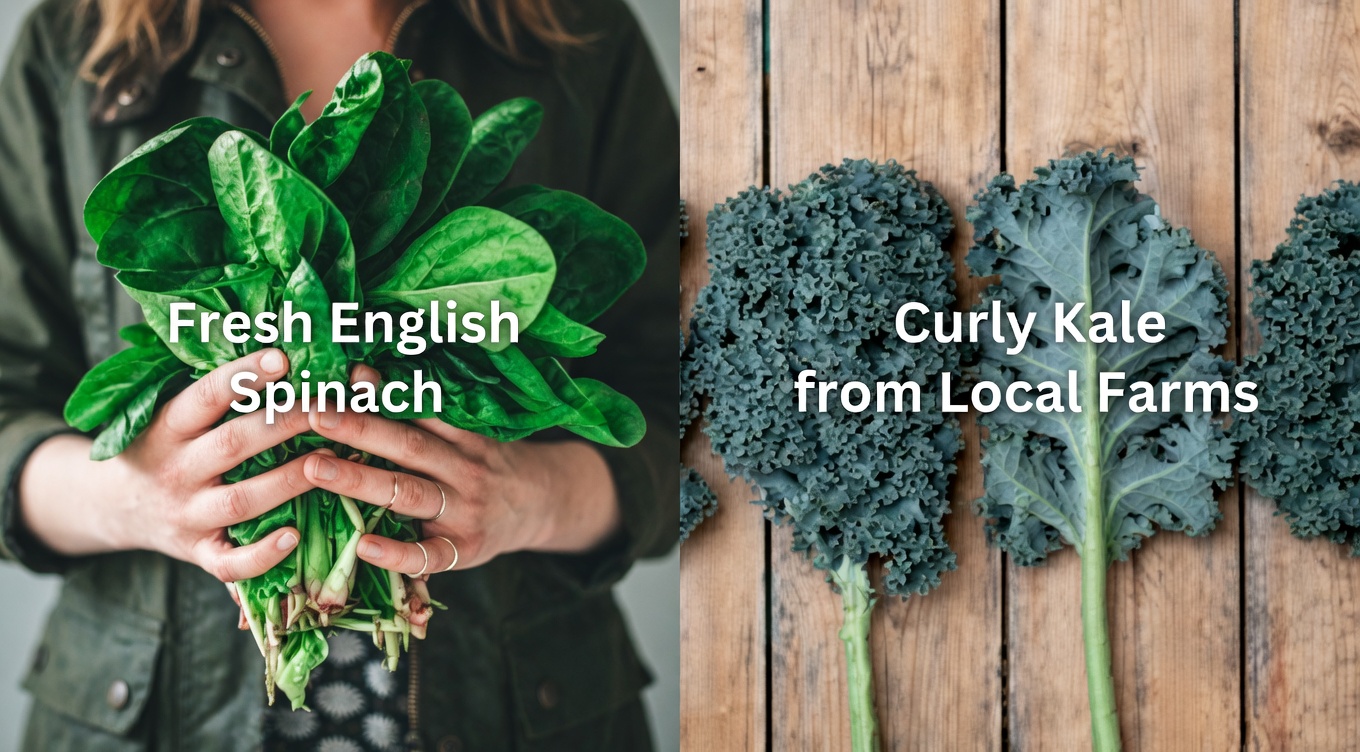
1) Dark Leafy Greens (Kale, Spinach, and Similar Greens)
Dark greens are among the best sources of lutein and zeaxanthin, carotenoids that naturally accumulate in the macula. These nutrients help filter high-energy blue light and provide antioxidant support. Research consistently links higher intake of these compounds with improved support for age-related eye changes.
Ways to eat more:
- Add a handful to salads
- Blend into smoothies
- Lightly sauté as an easy side dish
2) Citrus Fruits (Oranges, Grapefruit, Lemons, Kiwi)
Citrus fruits are rich in vitamin C, a water-soluble antioxidant that helps combat oxidative stress and supports healthy blood vessels—important for overall eye function.
Easy options:
- Eat whole fruit daily
- Mix into fruit salads
- Squeeze lemon or grapefruit into water for a quick boost
3) Eggs
Egg yolks provide highly absorbable lutein, zeaxanthin, and zinc—a combination that supports retinal health. Because eggs contain fat, they also help your body absorb these fat-soluble carotenoids more efficiently. Studies indicate that regular egg intake can improve levels of key eye nutrients.
Simple ways to include eggs:
- Boiled for snacks
- Poached for breakfast
- Scrambled for quick meals
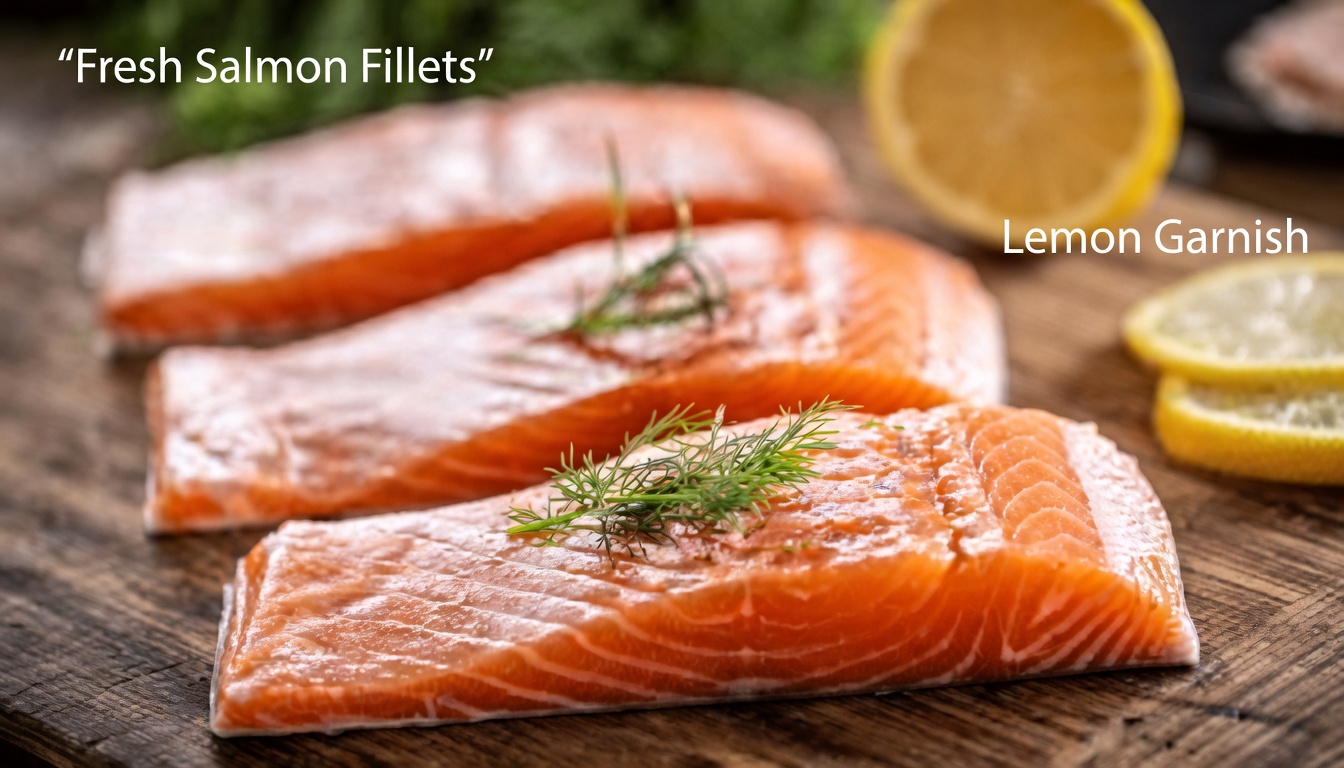
4) Salmon and Other Fatty Fish
Fatty fish are excellent sources of omega-3s (DHA and EPA). These fatty acids support the structure of retinal cell membranes and may help maintain comfortable eye lubrication. Their anti-inflammatory properties can also support overall eye comfort.
How often:
- Aim for fatty fish 2–3 times per week
- Grilled, baked, or canned options all work well
5) Nuts and Seeds (Almonds, Walnuts, Sunflower Seeds)
Nuts and seeds are packed with vitamin E, an antioxidant associated with protection from everyday oxidative damage. A small daily serving can be an easy, satisfying way to add eye-supporting nutrients.
Try them:
- Stirred into yogurt or oatmeal
- Sprinkled over salads
- Eaten as a simple grab-and-go snack
Bonus Eye-Supporting Foods to Expand Your Plate
To add more variety (and more nutrients), consider including:
- Carrots and sweet potatoes: high in beta-carotene, which the body converts to vitamin A—important for supporting eye tissues.
- Green tea: contains catechins, antioxidant compounds that may offer additional protective benefits.
A colorful plate isn’t just visually appealing—it’s a practical way to cover a wider range of protective nutrients.
Practical Ways to Eat for Eye Health Every Day
Small changes are often the easiest to maintain. Here are simple strategies that fit real-life schedules:
- Upgrade breakfast: Add spinach to a smoothie, or pair eggs with a citrus fruit.
- Build balanced meals: Make a leafy salad with nuts, then top it with salmon or a citrus-based dressing.
- Choose smarter snacks: Swap processed snacks for almonds, walnuts, or an orange.
- Focus on consistency: Aim for 2–3 servings of fruits/vegetables daily and 1–2 omega-3 sources per day (or fish several times weekly).
- Keep it enjoyable: Rotate recipes like kale chips, citrus salmon, or egg muffins to prevent boredom.
Over time, these small upgrades can make eating for eye support feel natural—not restrictive.
Quick Nutrient Guide (At a Glance)
- Lutein & zeaxanthin → dark leafy greens, eggs
- Vitamin C → citrus fruits
- Omega-3s → salmon (and other fatty fish)
- Vitamin E → nuts and seeds
- Zinc → eggs, nuts
Combining these foods creates a more complete, nutrition-based approach to long-term eye support.
Final Takeaway: Small Choices That Add Up
Supporting your vision isn’t about eating perfectly—it’s about making consistent, enjoyable choices that help your eyes handle daily stressors more effectively. Prioritizing nutrient-rich foods is one practical step, especially when paired with other smart habits like routine eye exams, UV protection, and overall healthy living.
Frequently Asked Questions
How much of these foods should I eat for potential eye benefits?
Many experts recommend 5–9 servings of fruits and vegetables per day, with special emphasis on dark leafy greens (roughly 1–2 cups) and fatty fish 2–3 times per week. If that feels like a big jump, start small and build consistency.
Can supplements replace these foods?
Whole foods deliver a broader nutrient mix and often support better absorption. In certain cases, AREDS2-style supplements may be recommended, but they’re not a universal replacement—talk with your eye care professional before starting any supplement routine.
Are these foods safe for everyone?
Generally, yes. However, anyone with allergies, digestive concerns, or conditions such as high cholesterol should check with a healthcare provider. Also, choose fish wisely and in moderation due to potential mercury exposure.
Disclaimer
This article is for informational purposes only and does not provide medical advice. Nutrition can support overall wellness, but it does not prevent, treat, or cure disease. For personalized guidance about vision concerns, consult an eye care professional or physician.