
As people get older, it’s common to notice small changes in urinary comfort—more nighttime bathroom trips, a weaker stream, or occasional bladder sensitivity. These issues can interfere with sleep, reduce energy, and create ongoing day-to-day annoyance. For men and women alike, supporting bladder balance and (for men) prostate comfort often becomes an important part of overall well-being.
While medical options are available, many people also look to simple, traditional foods that can fit into daily life. One surprisingly useful option is the everyday onion—and even more notably, the outer onion skins many households throw away. Onions and their peels are rich in plant compounds that may provide gentle support as part of a balanced lifestyle. Even better, there’s a classic preparation that helps you make practical use of those skins in a simple routine.

Why Prostate and Bladder Wellness Deserves Attention
In men, the prostate often enlarges gradually with age—a very common non-cancerous change known as benign prostatic hyperplasia (BPH)—and this can contribute to urinary flow difficulties. Beyond prostate-related changes, many people experience bladder sensitivity, urgency, or mild fluid retention.
Research continues to highlight the role of lifestyle—especially diets that emphasize plant-based foods—in supporting urinary health and general comfort. Long before modern supplements existed, traditional wellness practices relied on familiar kitchen ingredients to encourage balance and ease.
Onions (Allium cepa): A Traditional Food with Functional Compounds
Across many cultures, onions have been valued not only for flavor but also for their traditional wellness uses. They naturally contain a range of compounds associated with everyday health support, including:
- Quercetin: A well-known antioxidant flavonoid that supports the body’s normal inflammatory response.
- Sulfur-containing compounds: Often linked in traditional nutrition to detox and metabolic support.
- Additional flavonoids and saponins: Commonly associated with cellular protection and immune resilience.
Scientific interest in quercetin is wide-ranging. Some studies suggest that people who consume more quercetin-rich foods may experience better markers of comfort in certain health contexts, including prostate-related quality of life in some populations. Among everyday foods, onions are a notable dietary source.
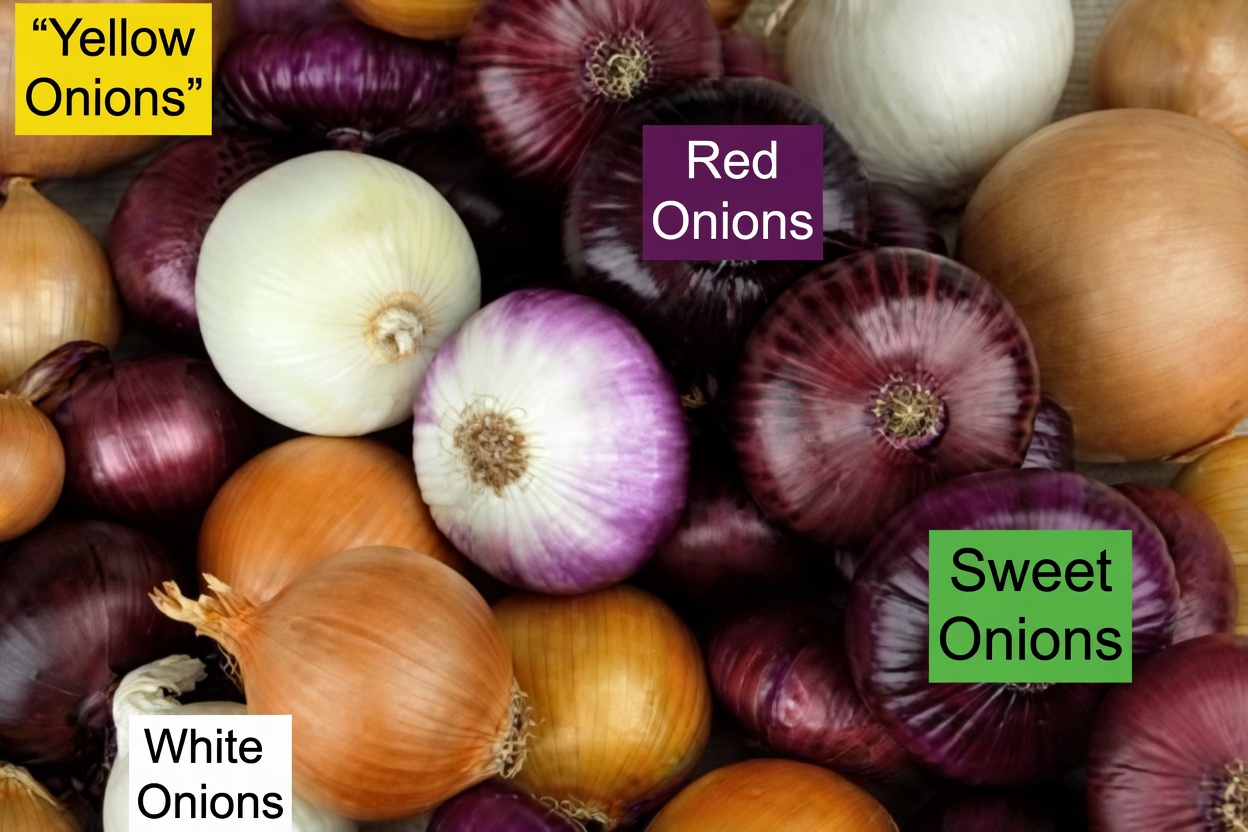
Why Onion Skins Are Worth Keeping
The most overlooked part of the onion—the papery outer peel—may actually be one of the most concentrated sources of beneficial compounds, particularly quercetin. Research indicates the dry outer layers can contain much higher quercetin levels than the inner bulb when compared by weight.
In traditional herbal use, onion peels have been used in simple infusions and are often associated with gentle support for:
- Natural fluid balance
- Comfortable urinary flow
- Antioxidant protection
- Everyday inflammation management
In various folk traditions, onion skin tea has been used as a mild herbal drink for general wellness, sometimes connected to circulation and urinary comfort. It also offers a practical, low-waste way to use more of what you already buy.
Onions vs. Onion Skins: A Simple Comparison (Based on Study Findings)
- Quercetin in the onion bulb: Moderate amounts (often present as glycosides)
- Quercetin in dry onion skins: Can be several times more concentrated
- Other nutrients/compounds: Both provide helpful plant compounds, but the peel tends to stand out for antioxidant density
This is exactly why the skins deserve a second look—especially if you want a simple, traditional approach that’s easy to repeat.
Traditional, Easy Ways to Use Onions and Onion Skins
The methods below are drawn from common traditional practices. They focus on gentle everyday use—not megadoses.

1) Onion Skin Tea (Mild Herbal Infusion)
A classic way to use the peel’s concentrated plant compounds.
Ingredients
- Clean, dry outer skins from 1–2 medium onions (organic preferred to minimize residues)
- 1 liter (about 4 cups) water
How to prepare
- Rinse the skins thoroughly under running water to remove dust or debris.
- Bring the water to a boil.
- Add the skins, then lower to a gentle simmer for 5 minutes.
- Turn off the heat, cover the pot, and steep for 10–15 minutes.
- Strain using a fine mesh strainer or cheesecloth.
- Drink warm (optional: add a small amount of honey for taste).
How to use
- Traditionally: 1 cup in the morning and 1 cup in the evening for up to one week, then take a break before repeating.
- This method helps extract water-soluble compounds, including quercetin, for gentle daily support.
2) Fresh Onion + Honey Blend (Short-Term Comfort Mix)
A simple traditional combination used for brief periods.
Ingredients
- ½ small fresh onion
- 1 tablespoon raw honey
- ½ cup water
How to prepare
- Roughly chop the onion.
- Blend with water until smooth.
- Strain the mixture.
- Stir in honey.
How to use
- Sip 1–2 tablespoons a few times per day for a short period, then pause.
3) Slow-Cooked Onions with Olive Oil (Food-Based Daily Use)
An easy way to include onions regularly as part of meals.
Ingredients
- 1 large onion
- 1 tablespoon extra-virgin olive oil
How to prepare
- Slice the onion thinly.
- Warm olive oil in a pan over low heat.
- Cook the onions slowly until soft and translucent (15–20 minutes).
How to use
- Enjoy as a side dish or topping. Traditionally appreciated for digestive comfort and mild urinary support.
Additional Everyday Benefits of Eating Onions Regularly
When onions are included consistently in a diverse, balanced diet, they may support:
- Healthy circulation
- Balanced cholesterol
- Immune function
- Blood sugar stability
- Digestive comfort
These benefits are often linked to onions’ antioxidant profile and naturally occurring plant compounds—making them a practical, flavorful option for long-term wellness.
Practical Tips and Gentle Reminders
- Wash onion skins thoroughly and use only clean, dry, non-moldy peels.
- Start small—natural foods tend to work best as part of a moderate routine.
- For best results, combine with hydration, movement, and a plant-rich diet.
- If you take medications (especially related to the prostate, urinary system, blood pressure, or blood thinning), or you have ongoing symptoms, consult a qualified healthcare professional before adding new routines.
Final Thoughts
Onions—and especially their often-discarded skins—are a good reminder that supportive habits can be surprisingly simple. By using these traditional preparations thoughtfully, you can add a gentle, natural layer to your routine aimed at urinary comfort, bladder balance, and prostate wellness. Sometimes the most useful wellness tools are already in your kitchen.
FAQ
-
How often can I drink onion skin tea?
Traditional use commonly suggests 1–2 cups daily for short periods (up to one week), followed by a break. Individual needs vary, so consider professional guidance for personalized advice. -
Are onion skins safe for everyone?
They are generally considered safe when properly cleaned and used moderately, but avoid if you have an onion allergy or sensitivity. Always wash peels thoroughly. -
Can onions replace medical treatment for urinary concerns?
No. Onions can be a supportive food, but they are not a substitute for medical diagnosis or treatment—especially if symptoms persist or worsen.
Disclaimer: This content is for informational purposes only and is not medical advice. These statements have not been evaluated by the FDA. Natural approaches may complement, but should not replace, professional healthcare. Consult your healthcare provider before making changes, particularly if you have medical conditions or take prescription medications.