
Many adults over 40 begin to notice small shifts in vision—eyes that feel fatigued after screen time, occasional dryness, or extra effort when reading or driving at night. These everyday changes can make simple routines less comfortable and highlight how valuable clear, relaxed sight truly is. Although no food can replace a proper eye exam or medical treatment, choosing nutrient-dense foods can be a practical way to give your eyes helpful nutritional support. One standout option is guava, a tropical fruit loved worldwide for its bright taste and impressive nutrient profile.
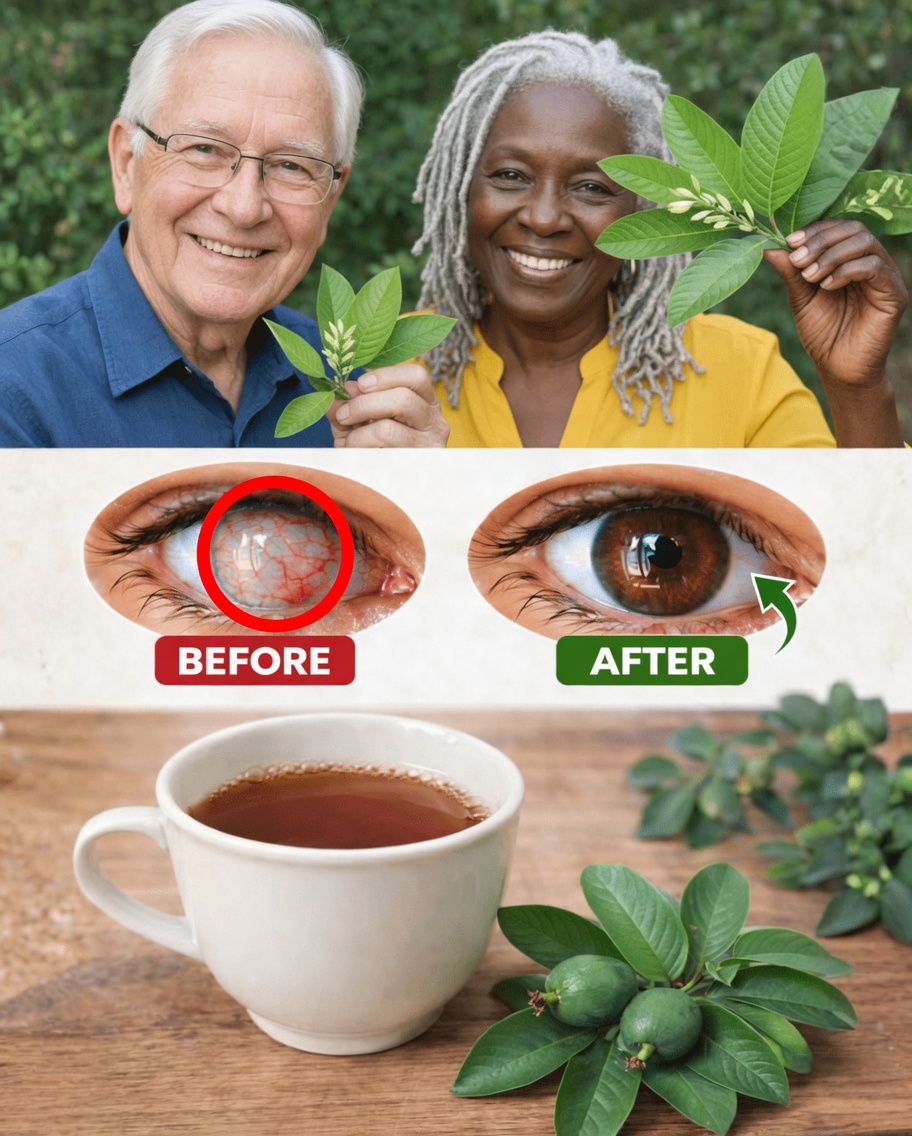
So, why does guava get mentioned in conversations about eye wellness? Its mix of vitamins and antioxidants has earned attention in both traditional use and early scientific discussion. Keep reading—there’s also a surprising nutrient detail at the end that may change how often you add guava to your shopping list.
Why Guava Is Often Linked to Eye Support
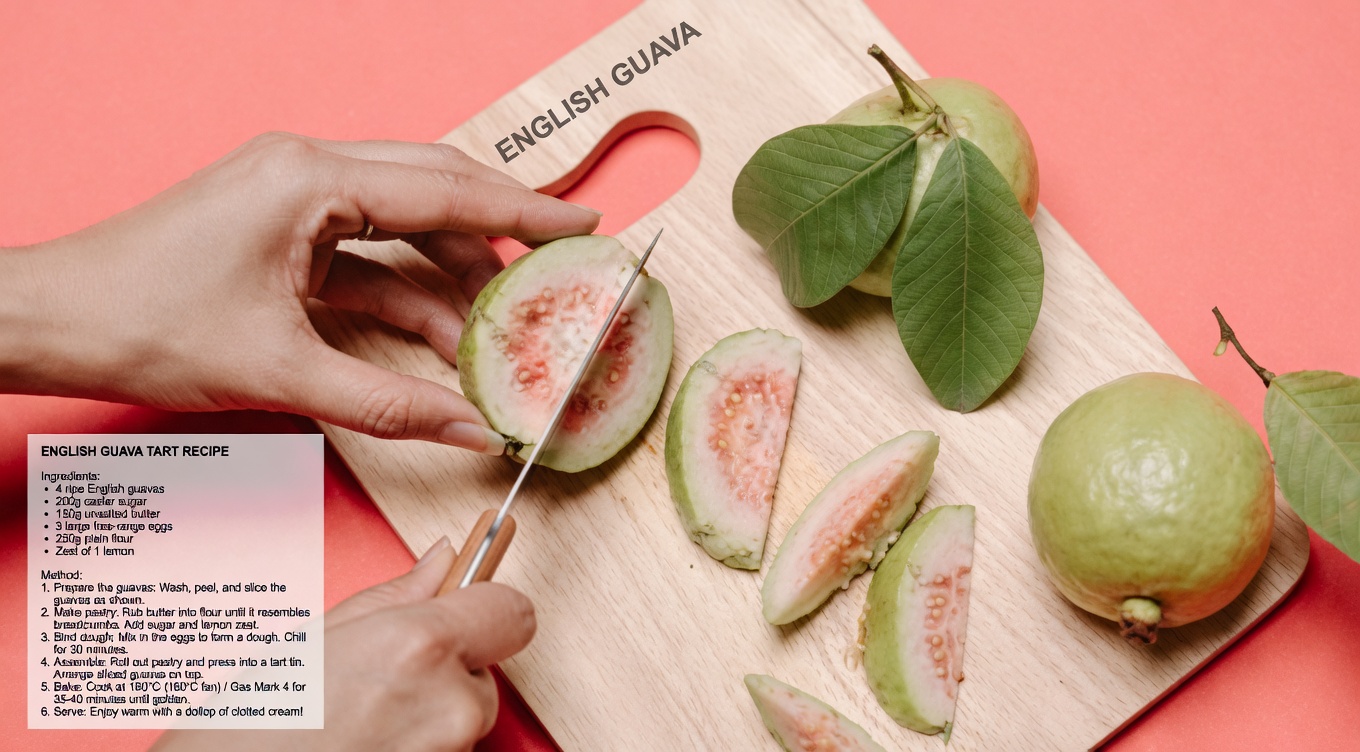
Guava (Psidium guajava) is more than a sweet-tart snack. It contains nutrients frequently associated with overall eye maintenance—especially vitamin C (often higher than oranges) and beta-carotene, which the body can convert into vitamin A. Nutritional reviews commonly point to these nutrients for their role in cellular defense and protection from oxidative stress, which can affect delicate tissues, including those in the eyes.
Guava leaves also attract interest. They contain plant compounds such as quercetin and other flavonoids. In traditional settings, leaf preparations are used for general comfort and wellness, while laboratory studies have explored potential anti-inflammatory and antimicrobial properties. However, it’s important to note that human evidence is still limited, and most findings are preliminary.
With that foundation, let’s look at how guava’s nutrients may connect to common eye-related concerns.
9 Potential Ways Guava May Support Eye Wellness
The points below describe supportive possibilities—not promises or medical claims. Think of guava as a helpful dietary addition, not a substitute for professional eye care.
-
Beta-Carotene as a Source of Vitamin A
- Guava provides beta-carotene, which can convert to vitamin A, a nutrient tied to maintaining the cornea and supporting vision in low-light conditions.
-
Antioxidant Defense Against Daily Oxidative Stress
- Guava contains antioxidants such as vitamin C and, in pink varieties, lycopene. Diets rich in antioxidants are often discussed for helping protect cells from free-radical damage over time.
-
Possible Anti-Inflammatory Support (Leaves)
- Compounds like quercetin in guava leaves have shown calming properties in early research models. More human-focused studies are needed before drawing firm conclusions.
-
Foundational Support for Eye Moisture and Comfort
- Vitamin A is linked with normal tear film function, which may matter for people who experience occasional dryness, especially after long hours on screens.
-
Nutrient Patterns Associated With Healthy Aging
- Antioxidants and carotenoids found in guava align with broader research suggesting that nutrient-rich diets may support eye health as we age.
-
Vitamin C for Tissue Support and Resilience
- Vitamin C contributes to collagen formation and supports immune function—two factors relevant to maintaining structural strength and everyday defense mechanisms.
-
Traditional Antimicrobial Interest (Leaves)
- Some in-vitro work suggests guava leaf extracts may act against certain microbes, which helps explain some traditional uses. This does not mean leaves should be used directly on the eyes.
-
Traditional Soothing Rituals Around the Eyes (External Only)
- In some folk practices, cooled preparations are used around the eye area to reduce the feeling of puffiness or irritation. If attempted, hygiene and safety must come first.
-
“Whole-Food Synergy” in a Balanced Diet
- Guava combines vitamins, antioxidants, and fiber in one food. This overall nutritional package can support general wellness, which indirectly benefits the eyes too.
Guava Nutrition Snapshot (Eye-Related Highlights)
Here’s a quick, easy breakdown of the nutrients most often discussed in relation to eye support:
-
Guava fruit
- Beta-carotene → can convert into vitamin A for vision maintenance
- Vitamin C → antioxidant support for cellular protection
- Lycopene (especially pink guava) → supports oxidative balance
-
Guava leaves
- Quercetin and flavonoids → early antioxidant/anti-inflammatory interest
- Lab-based research notes antimicrobial activity (not a green light for eye application)
-
Together
- A broad range of antioxidants that may help reduce day-to-day oxidative stress when included in an overall healthy diet
How People Add Guava in Everyday Life
Many people choose guava simply because it tastes great—and enjoy the idea that it also offers nutrients associated with eye health support. Some report feeling generally better when they eat more fruit consistently, while others appreciate guava leaf tea as part of a calming routine. Experiences vary widely, and outcomes depend on diet, sleep, hydration, screen habits, and underlying health conditions.
Safety reminder: Never put unfiltered or homemade mixtures into the eyes. Poorly prepared or unsterile liquids can raise the risk of irritation or infection. When in doubt, ask a qualified healthcare professional.

Simple, Safer Ways to Use Guava
Eat the Fruit
- Choose ripe, good-quality guava
- Wash it thoroughly
- Enjoy 1–2 guavas per day (fresh, sliced in salads, or blended into smoothies)
Guava Leaf Tea (For Drinking)
- Use young, clean leaves from a trusted source
- Simmer 5–10 leaves in water for 5–10 minutes
- Strain well, let cool, and drink 1–2 cups daily if tolerated
External Compress (Optional, Use Caution)
- Boil young leaves, then cool completely and strain carefully
- Soak a clean cloth in the liquid
- Place gently over closed eyelids for 5–10 minutes (external use only)
- Stop immediately if you feel burning, itching, or discomfort
Start slowly, use clean tools and ingredients, and prioritize hygiene—especially for anything applied near the eye area.
Making Guava Part of a Long-Term Eye-Friendly Routine
Guava won’t “fix” vision overnight, but it can be a delicious, convenient way to add vitamin C, beta-carotene, and antioxidants to your weekly routine. Whether you enjoy it fresh or as a tea, guava fits easily into a balanced diet that supports overall wellness—including your eyes.
Surprising fact: A single guava can contain more vitamin C than an orange, making it an especially strong fruit choice for antioxidant intake.
FAQ
Is guava good for eye health?
Guava contains nutrients such as vitamin C, beta-carotene, and other antioxidants that can support general eye wellness as part of a balanced diet. It is not a substitute for eye care or treatment.
Can I use guava leaves for my eyes?
Some traditions use cooled, strained preparations externally around the eyes, but direct eye exposure can be risky. Consult an eye specialist first and avoid putting any homemade liquid into the eyes.
How much guava should I eat?
For many people, 1–2 fresh guavas per day is a reasonable amount to enjoy the nutrients without overdoing it. Individual needs vary.
Medical disclaimer: This article is for informational purposes only and does not replace professional medical advice. If you have eye symptoms or diagnosed eye conditions, consult your healthcare provider or eye specialist for personalized guidance.