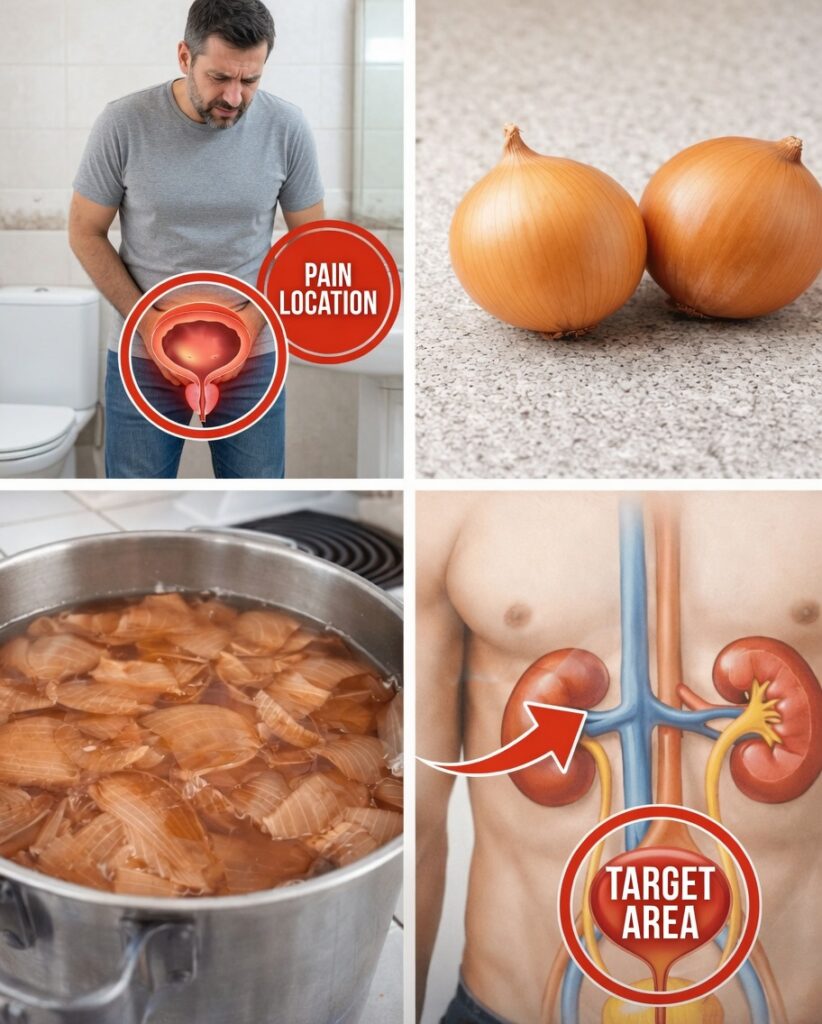
Onion Peel Water for Men Over 50: A Practical Look at Prostate, Bladder, and Kidney Support
For many men aged 50 and up, day-to-day comfort can be interrupted by nighttime bathroom trips, a weaker urine stream, or occasional mild irritation in the lower urinary area. These age-associated shifts can quietly affect sleep quality, energy levels, and confidence. Medical guidance and lifestyle changes are still the foundation—but some people also explore gentle, food-based traditions as an added daily habit.
One increasingly discussed option is onion peel water: a simple infusion made from the papery outer layers of onions that are usually thrown away. The interest comes from the peels’ high concentration of quercetin and other plant compounds linked to antioxidant and anti-inflammatory activity. This article explains what onion peel water may (and may not) offer for prostate, bladder, and kidney wellness, while keeping expectations realistic and aligned with current research.
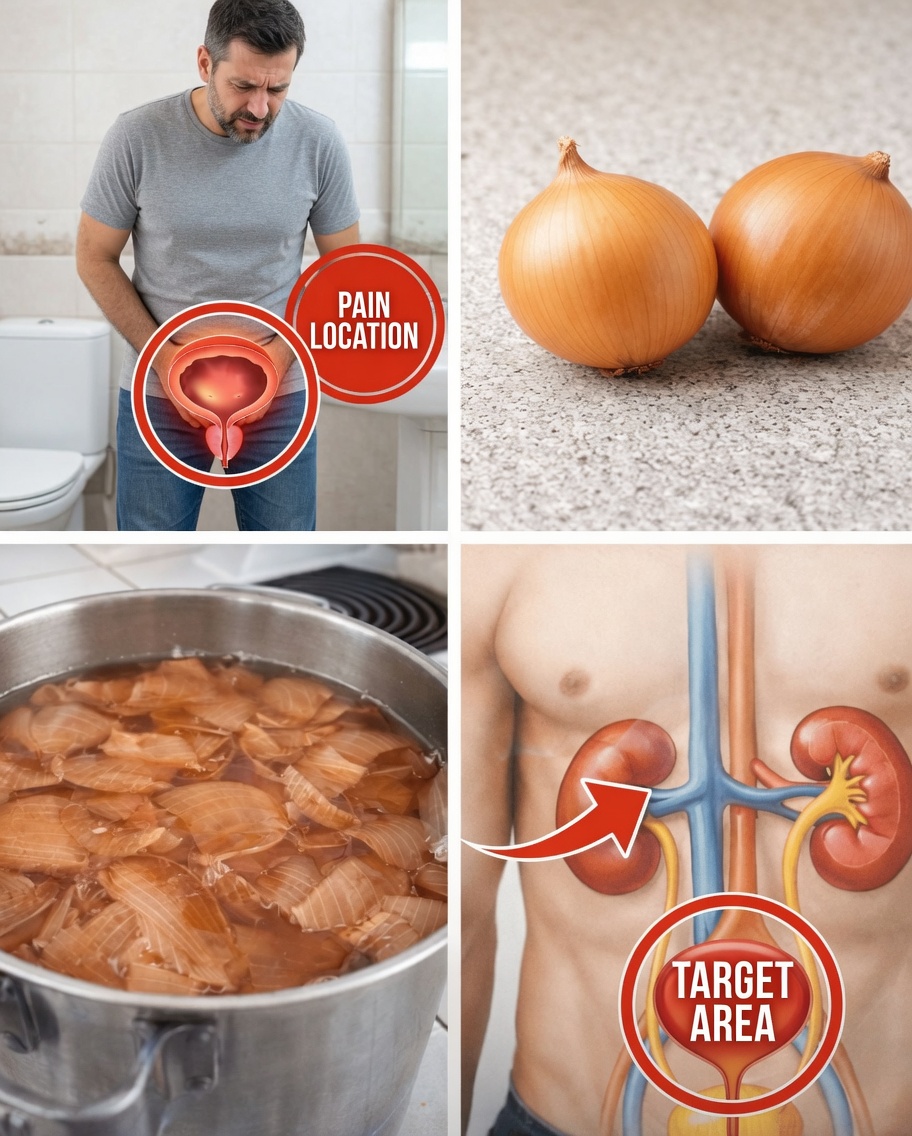
Why Onion Peels Are Nutrient-Dense
The dry outer skins of onions contain far more flavonoids than the inner bulb. Research on onion components suggests that a large share of an onion’s flavonoids—especially quercetin—can be concentrated in the outer layers, sometimes representing the majority of the total flavonoid content.
The role of quercetin
Quercetin is a well-researched plant flavonoid known for:
- Antioxidant activity, helping neutralize free radicals and reduce oxidative stress
- Anti-inflammatory potential, shown in lab and animal models by reducing inflammatory markers
Oxidative stress and inflammation are commonly discussed in relation to age-related tissue changes, including those affecting the urinary system. In preclinical work (for example, animal studies exploring prostate enlargement models), onion-derived extracts rich in quercetin have shown protective and immune-modulating effects. These findings are promising—but they do not equal proof that onion peel water prevents or treats prostate conditions in humans.
Traditional use: gentle urinary support
Across different cultures, onion-based preparations have been used as mild wellness infusions, sometimes associated with supporting urine flow and general balance. These practices are not substitutes for medical care, but they help explain why onion peels—given their concentrated compounds—have drawn attention as a dietary add-on.
What Onion Peel Water May Support (With Realistic Expectations)
Onion peel water is often framed as a gentle, everyday supportive drink, not a cure. Potential benefits are mostly inferred from research on quercetin or onion extracts, along with traditional use.
Key areas people associate with onion peel water include:
-
High quercetin content
The peels provide a more concentrated source of quercetin than the onion flesh, which may offer antioxidant and anti-inflammatory support (evidence: mostly lab/animal data). -
Antioxidant defense
Antioxidants help buffer oxidative stress, a process linked in research to aging and tissue strain, including in the prostate and kidneys. -
Mild “diuretic-like” tradition
Some traditional uses describe onion infusions as gently encouraging urine flow—potentially supporting hydration routines without harsh effects. -
Anti-inflammatory signals (preclinical)
In experimental settings, onion-related compounds have been associated with reduced inflammation markers, which could indirectly relate to urinary comfort.
Important: The evidence for onion peel water itself is limited, and strong clinical trials specifically studying onion peel infusion for urinary symptoms or benign prostatic enlargement are not robust. Treat it as complementary—not as a treatment plan.
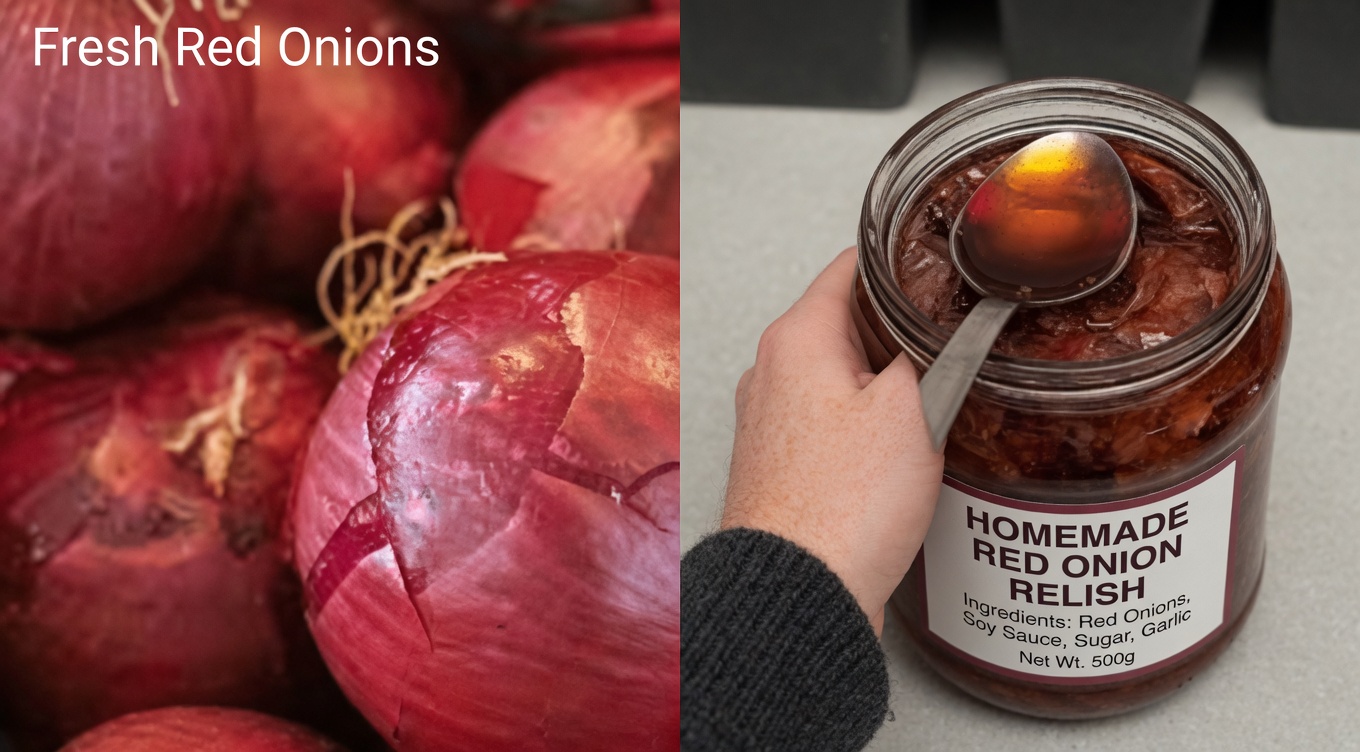
Simple Onion Peel Water Recipe (Easy Home Method)
This infusion is inexpensive and requires only kitchen basics.
Ingredients (makes about 1–2 days)
- Outer dry peels from 2–3 medium onions (ideally organic; use only clean, mold-free layers)
- 1 liter (about 4 cups) of clean water
- Optional for taste:
- a squeeze of fresh lemon, or
- 1 teaspoon honey
Step-by-step instructions
- Rinse the onion peels thoroughly under running water to remove dust and residue.
- Add peels and 1 liter of water to a pot.
- Bring to a boil, then reduce heat and simmer 10–15 minutes.
- Simmering longer can extract more compounds but may increase bitterness.
- Remove from heat, let it cool slightly, then strain into a clean jar or bottle.
- Drink warm or at room temperature.
Suggested daily amount
- Aim for 1–2 cups per day (about 200–500 ml total)
- Many people split it into:
- 1 cup in the morning
- 1 cup in the evening
Tips for best results
- Choose organic onions when possible to reduce pesticide concerns.
- Refrigerate and use within 2–3 days.
- If you’re new to it, start with 1 cup daily and observe how you feel.
Quick Overview: Potential Support Areas (What We Know So Far)
Based on available research and traditional use, here’s a grounded summary:
-
Prostate comfort
- Why it’s discussed: quercetin and onion extracts show anti-inflammatory effects in models
- Evidence level: preclinical (animal/lab)
- Practical takeaway: may be a subtle dietary support habit, not a remedy
-
Bladder comfort & urinary flow
- Why it’s discussed: traditional “gentle diuretic” use + anti-inflammatory signals in research
- Evidence level: traditional + limited lab evidence
- Practical takeaway: may complement hydration and daily comfort routines
-
Kidney wellness
- Why it’s discussed: antioxidant effects; explored in some preclinical models (including oxalate-related research)
- Evidence level: preclinical
- Practical takeaway: not for treating kidney stones or kidney disease
Safety Notes and Practical Guidance
Onion peel water is generally tolerated in food-like amounts, but individual responses vary.
- Start low: 1 cup/day is a sensible starting point
- Typical range: 1–2 cups/day (200–500 ml)
- Preparation matters: use clean peels only; simmer 10–15 minutes; strain well
- Timing: morning/evening, with or without food
- Stay hydrated: don’t rely on the infusion as your main fluid source
Possible side effects
- Mild stomach upset or heartburn may occur in sensitive individuals.
Avoid or ask a clinician first if you:
- Have an onion/Allium allergy
- Take medications for blood pressure or blood sugar (quercetin may have mild effects in some contexts)
- Have ongoing urinary symptoms and are delaying evaluation
When to seek medical care
See a healthcare professional (often a urologist) if you have:
- Pain or burning with urination
- Blood in urine
- Fever, back pain, or signs of infection
- Persistent frequency, urgency, or significant changes in flow
Extra Benefits People Associate With Onion Peel Water
Beyond urinary wellness discussions, onion peel infusions are often used as a general nutrition habit that may contribute to:
- Everyday antioxidant intake
- Cardiovascular support (quercetin has been studied in humans, including in some onion-skin extract research)
- Gentle digestive comfort when consumed moderately
For best results, pair any herbal or food-based routine with the fundamentals: hydration, a vegetable-rich diet, regular movement, healthy weight management, and routine checkups.
Common Questions: Is It a Proven Remedy?
Many people ask whether onion peel water is a verified solution for prostatitis, UTIs, or prostate enlargement. At this time:
- Quercetin research is promising, especially in inflammation-related models.
- Evidence specifically on onion peel water infusions in humans for urinary conditions is limited.
- Claims of dramatic cures circulating online are not well-supported.
A reasonable view is to treat onion peel water as a simple, mindful daily ritual that may offer gentle antioxidant and anti-inflammatory support—while still prioritizing professional care for symptoms.
Tip: Adding a little lemon can improve flavor and may support absorption for some compounds, while also contributing vitamin C.
FAQ
-
Is onion peel water safe to drink every day?
For most people, yes—when used in moderate, food-like amounts. Start with a small serving and consult a clinician if you have chronic conditions or take medications. -
Is it better than eating onions?
Not necessarily “better,” but different. Peels concentrate quercetin more than the onion bulb, while eating onions provides broader nutrition and fiber. -
Can onion peel water replace medical treatment for urinary symptoms?
No. It is not a treatment. If you have frequent urination, discomfort, or changes in urine flow, seek medical evaluation.
Disclaimer
This article is for informational purposes only and does not provide medical advice. Onion peel water is not intended to diagnose, treat, cure, or prevent any disease. Always consult a qualified healthcare professional before adding new dietary habits, especially if you have existing conditions or take medications.