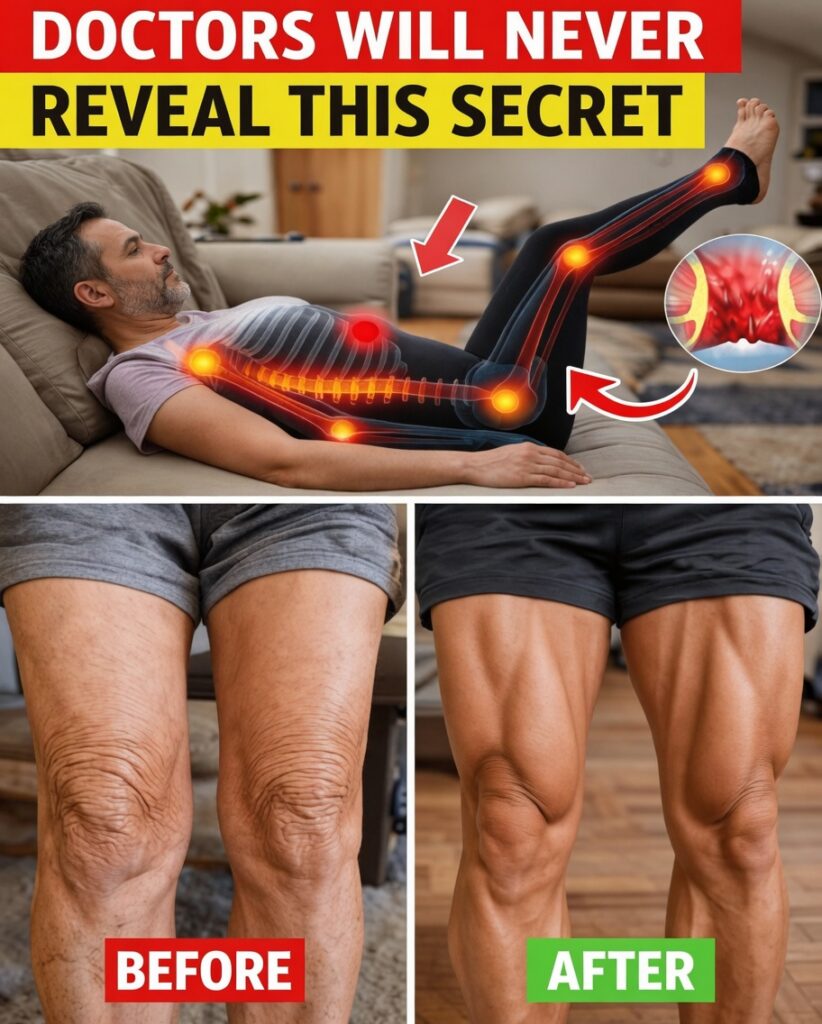
Stiff legs, sore knees, and that heavy sensation when rising from a chair can gradually take the pleasure out of everyday routines. Many older adults find that a short walk to the mailbox or a few steps on the stairs feels noticeably tougher than it once did—and that change can be discouraging. Over time, moving less may influence balance, blood circulation, and self-confidence.
The encouraging news: a gentle, floor-based leg exercise can support multiple areas of wellbeing at once. There’s also a small technique tweak near the end that can make the movement feel more effective without adding strain.
Why Leg Strength and Circulation Become More Important With Age
As we age, the body naturally shifts in ways that affect mobility—muscle mass may decline, joints can feel less flexible, and blood flow can slow, especially in the legs. Research commonly notes that adults may lose a modest percentage of muscle each decade after midlife, particularly when activity levels drop.
And it doesn’t stop there.
When the hips and thigh muscles weaken, everyday actions—like standing up from a chair, climbing steps, or staying steady on uneven surfaces—can feel harder. Long periods of sitting can also contribute to tightness in the lower back, hips, and knees.
The good part is that low-impact, simple movements, done regularly, can:
- wake up underused muscles
- encourage circulation in the lower body
- support joint comfort and ease of movement
A Simple At-Home Leg Raise for Seniors
This movement is commonly known as a lying leg raise (or supported leg lift). It requires no equipment and can be done on a firm bed, yoga mat, or carpeted floor.
The basic pattern is straightforward:
- Lie on your back with one knee bent and the other leg straight.
- Slowly lift the straight leg a short distance.
- Pause briefly.
- Lower it down with control.
It may seem almost too easy—but simple routines are often the ones people stick with, and consistency matters most.

How This Gentle Leg Exercise Can Support Whole-Body Wellbeing
No single movement fixes everything, but the lying leg raise can contribute to several key areas of healthy aging when paired with an active lifestyle:
- Activates the thighs and hip muscles
- Supports circulation in the lower limbs
- Encourages hip and knee mobility
- Builds stability muscles that contribute to balance
- Promotes light core engagement when performed with good form
Because the exercise is typically done slowly and with control, it stimulates both major thigh muscles and smaller hip stabilizers—muscles that influence posture and steadiness while walking.
Research on strength training in older adults often shows improvements in mobility and daily function even with moderate effort. The real driver is regular practice, not high intensity.
Step-by-Step: How to Do a Lying Leg Raise Safely
Follow these clear steps to keep the movement gentle and effective.
1) Set Up Your Starting Position
- Lie on your back on a comfortable, firm surface.
- Bend your left knee so your left foot rests flat.
- Keep your right leg extended straight.
- Rest your arms at your sides with palms down for light support.
2) Lightly Engage Your Core
Before lifting, gently tighten your abdominal area—like you’re bracing for a cough.
- Keep breathing normally.
- Avoid holding your breath (this matters for comfort and blood pressure control).
3) Lift Slowly With Control
- Raise the straight leg about 8–12 inches (20–30 cm) off the floor.
- Keep the knee straight but not locked.
- Aim your toes toward the ceiling.
Hold for 2–3 seconds while breathing calmly.
4) Lower With Control
Slowly bring the leg back down. The lowering phase is just as valuable as the lift because it continues muscle engagement.
- Do 8–10 repetitions, then switch sides.
- If you’re new, start with 1 set per leg.
- Over time, build up to 2–3 sets.
The Small Technique Detail That Makes It More Effective
At the top of the lift, imagine lengthening the leg away from your body, not just lifting it upward. This subtle cue often increases thigh activation and helps you avoid overusing the hip flexors.

Common Mistakes to Avoid
Even a gentle exercise can lose effectiveness if form slips. Try to avoid:
- Arching your lower back too much
- Holding your breath
- Lifting the leg too high and losing control
- Rushing through reps without steady muscle engagement
If you feel strain in your lower back:
- reduce how high you lift
- or place a small folded towel under your lower back for support
This exercise should be about controlled activation, not pushing through pain.
How to Add Leg Raises Into a Healthy Weekly Routine
A lying leg raise can help most when it’s part of a bigger picture that includes walking, stretching, and balance work. Many public health guidelines recommend that older adults do muscle-strengthening activities at least twice per week, alongside regular moderate movement.
Consider combining leg raises with:
- a short daily walk
- gentle calf and hamstring stretching
- simple standing balance practice (near a chair or counter)
- light resistance band exercises
Together, these habits can support circulation, flexibility, mobility, and overall vitality.
What Research Suggests About Strength, Circulation, and Aging
Studies in geriatric and healthy-aging research consistently emphasize the value of maintaining muscle function. Even low-to-moderate resistance exercise can improve functional mobility and may help reduce fall risk over time.
Leg muscle activity also supports the body’s natural “pump” action that helps move blood back toward the heart. This movement is not a substitute for medical treatment, but it can be a practical, supportive tool within a healthy lifestyle.
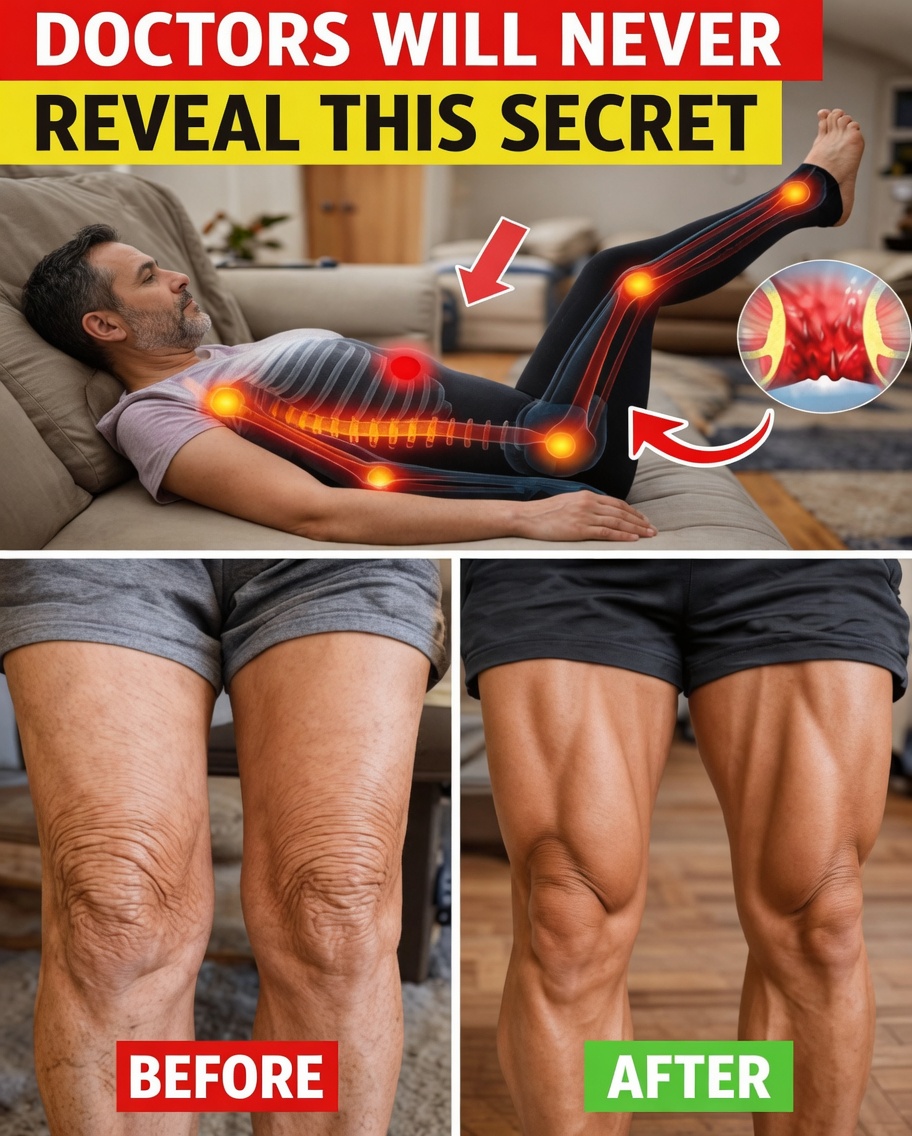
The real “secret” isn’t a complicated program—it’s building the habit. Even five focused minutes a day can contribute to better strength and confidence over the long run.
Beginner-Friendly Weekly Plan (Example)
Here’s a simple structure to make it easy to follow:
-
Monday
- Leg raises: 2 sets per leg
- Easy walk: 10 minutes
-
Wednesday
- Leg raises: 2 sets per leg
- Gentle stretching: 5 minutes
-
Friday
- Leg raises: 2–3 sets per leg
- Balance practice: stand on one foot near a sturdy chair
On the other days, light walking or normal household movement can be enough to keep you active.
Consistency beats intensity.
When to Be Cautious and Seek Guidance
This exercise is generally safe for many seniors, but pause and consult a qualified professional if you notice:
- sharp or worsening hip or back pain
- dizziness or shortness of breath during the movement
- a recent injury or surgery affecting the lower body
A physical therapist can tailor the exercise to your needs and ensure proper form.
Conclusion
Getting older doesn’t mean giving up on strength, balance, or comfort. The most sustainable progress often comes from small actions repeated consistently. The lying leg raise is simple to learn, gentle on the joints, and easy to adjust for different fitness levels. Practiced regularly—alongside walking, stretching, and balance work—it can support mobility, circulation, and confidence in daily life. The biggest change comes from showing up for yourself, even for a few mindful minutes at a time.
Frequently Asked Questions
-
How often should seniors do lying leg raises?
Many older adults can do this exercise 3–5 times per week. Start with 1 set per leg and increase gradually as strength improves. -
Is this exercise safe if you have knee discomfort?
Often yes, because the knee stays mostly straight and stable. However, if knee pain increases during or after the movement, stop and consult a healthcare professional for individualized guidance.