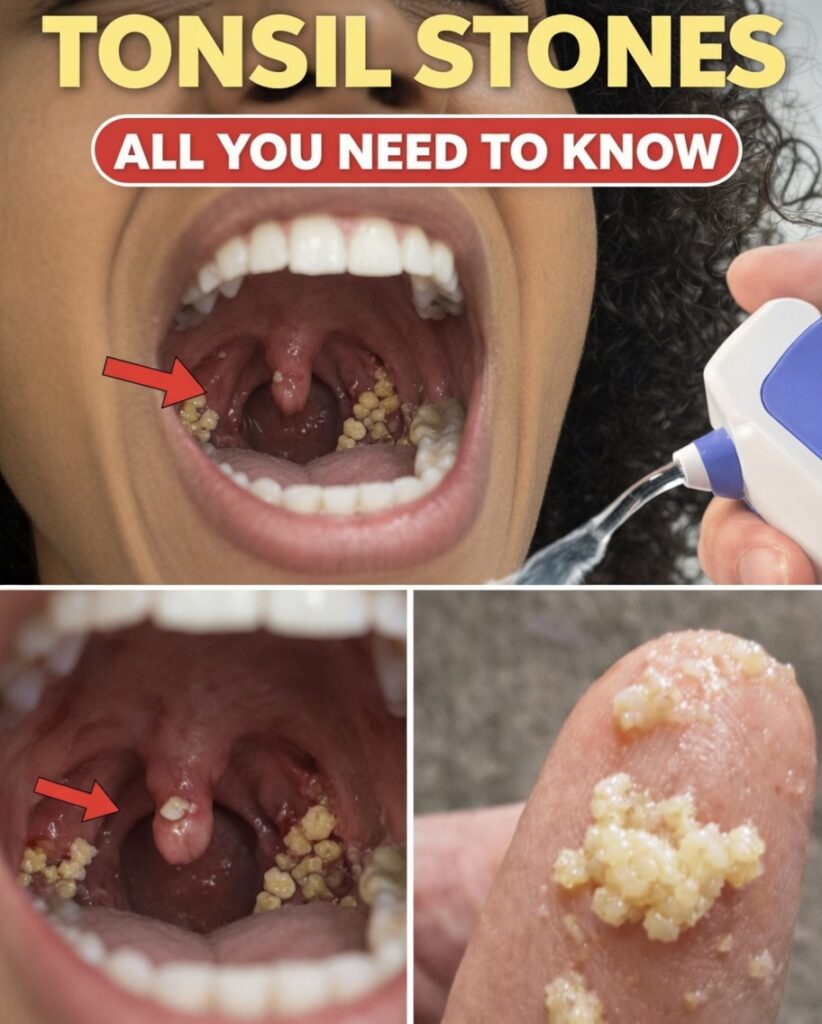
Bad breath that seems to appear “out of nowhere,” along with a persistent scratchy throat, can quietly undermine confidence—especially during close conversations or long workdays. Many people brush and floss thoroughly and rely on mints, yet the issue sticks around and may even feel worse over time. What often gets overlooked is a small, hidden buildup inside the tonsils that develops gradually and silently. By the end of this article, you’ll learn a surprisingly simple daily habit that can change how you approach tonsil stone management.
Why Tonsil Stones Are Common—Yet Rarely Discussed
Tonsil stones (also known as tonsilloliths) are much more widespread than many people think. Observational research suggests a significant number of adults experience them at some point, particularly after their 30s, when the tonsils’ natural folds and pockets can deepen.
What makes them frustrating is that they often don’t cause sharp pain, so they’re easy to miss. Instead, they tend to create low-level, ongoing symptoms that are easy to dismiss.
Commonly reported signs include:
- Persistent bad breath even with consistent oral care
- A sensation that something is stuck in the throat
- Mild throat irritation without an obvious infection
- An occasional unpleasant or “stale” taste
In some cases, people also describe ear discomfort or pressure when swallowing, which can make the experience confusing and draining.
The most important takeaway: many “quick fixes” only treat the surface and never reach the real source.
What Tonsil Stones Are and How They Develop
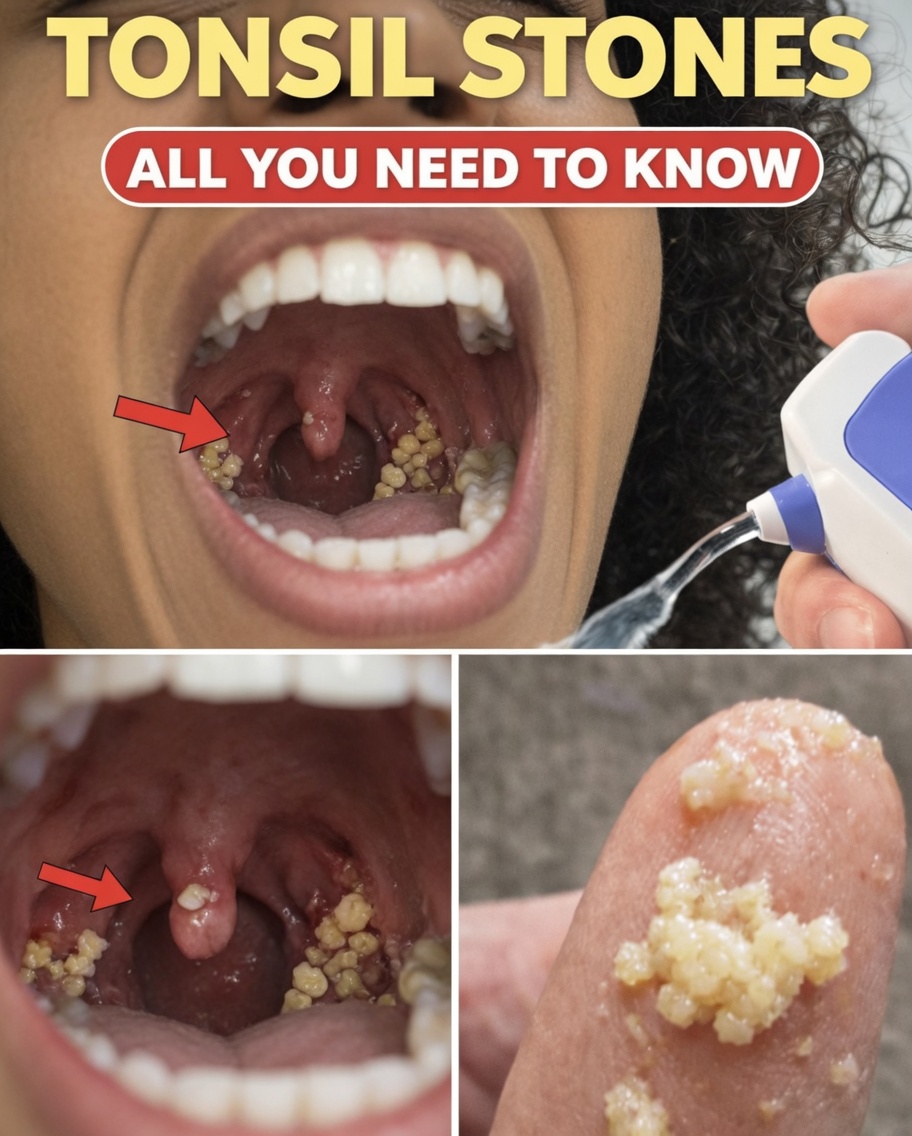
To understand why the problem can keep returning, it helps to know what’s happening in the back of the throat. Tonsils aren’t smooth—they contain small crevices called tonsil crypts, which can trap material over time.
Tonsil stones form when common substances collect in these crypts and gradually harden. This trapped material may include:
- Tiny food particles
- Dead cells from the mouth and throat
- Mucus
- Naturally occurring bacteria
As the mixture compacts and can calcify, it may form small off-white or pale chunks. Because bacteria are involved, they can produce sulfur-like compounds—one reason tonsil stones and bad breath are so closely linked.
A key insight: this isn’t just about “poor hygiene.” Hydration, lifestyle, and daily routines often matter more than people expect.
Why Brushing and Mints Often Don’t Fix the Real Problem
It’s natural to assume that more brushing or a stronger mouthwash will eliminate bad breath associated with tonsil stones. Unfortunately, this approach often falls short.
- Brushing and flossing mainly target teeth and gums.
- Tonsil stones sit deeper, inside the throat.
- Mints and sprays may temporarily cover odor but don’t remove trapped debris.
In many cases, consistent prevention and gentle daily habits are more useful than aggressive, symptom-focused approaches.
15 Practical, Science-Informed Strategies to Manage Tonsil Stones
These strategies are intended to support comfort, fresher breath, and better oral balance—not to replace medical care. Some are supported by research insights or common clinical observations.
1) Salt Water Gargling for Fresher Breath Support
A warm salt water gargle is one of the simplest habits with meaningful potential benefits. Salt water may help loosen debris and create a less favorable environment for odor-producing bacteria.
How to do it:
- Mix 1/2 teaspoon of salt into a glass of warm water.
- Gargle gently for 20–30 seconds.
- Repeat once or twice daily.
Many people report a cleaner throat feeling within a few weeks, and some notice fewer visible stones over time.
2) Gentle Coughing to Dislodge Small Stones
A controlled, gentle cough can sometimes help shift small stones naturally—especially after gargling.
Key point: avoid forceful coughing, which can irritate throat tissue. A mild, intentional cough may be enough for some people who feel a “lump” sensation but don’t want to use tools.
3) Hydration to Reduce Buildup
Dry mouth can contribute to tonsil stone formation because saliva helps cleanse the mouth and throat naturally. When you’re dehydrated, this self-cleaning process slows down.
Practical goal:
- Sip water throughout the day rather than drinking a lot at once.
Quick self-check: if your mouth regularly feels dry by midday, hydration may be a major missing piece.
4) Strengthening Oral Hygiene Beyond Teeth
Many people brush well but ignore the tongue—especially the back of the tongue, which can hold bacteria that contribute to odor.
Helpful habits:
- Gently brush or scrape the tongue once daily
- Rinse after meals when possible
- Avoid overly aggressive brushing that inflames tissues
This supports overall oral balance rather than only masking symptoms.
5) Warm Salt Gargles to Loosen Debris and Soothe the Throat
Warm salt water can do more than freshen breath—it may also soothe irritated tissues and help loosen hardened material lodged in crypts.
Many people find evening gargling improves nighttime comfort, especially if throat irritation disrupts sleep.
6) Supporting Oral Microbiome Balance Through Diet
Emerging research continues to explore links between oral bacteria and overall balance. Some people find probiotic-rich foods (like yogurt) support a healthier oral environment.
This doesn’t mean probiotics “remove stones,” but they may help limit odor-producing bacterial overgrowth in some individuals.
7) Gentle Irrigation (Use With Care)
Some people carefully use a low-pressure water flosser near the tonsil area to flush debris.
Important caution:
- High pressure or poor technique can irritate delicate tissue.
- Stop if you experience pain, bleeding, or swelling.
When in doubt, skip this method or seek professional guidance.
8) Adjusting Diet to Reduce Mucus Thickness
For some individuals, certain foods may contribute to thicker mucus—commonly reported triggers include:
- Dairy products
- High-sugar snacks
A short trial (for example, a few weeks) of reducing these foods may help some people notice fewer recurrences, though results vary.
9) Mindful Breathing and Occasional Throat Clearing
Gentle throat clearing paired with hydration may help keep the throat from feeling stagnant. This is different from frequent, harsh clearing, which can irritate tissue.
Aim for light, occasional clearing—especially if you notice mucus buildup.
10) Apple Cider Vinegar (Use Carefully and Dilute)
Some individuals try diluted apple cider vinegar gargles, believing mild acidity may help soften buildup over time.
If you try it:
- Dilute thoroughly (never use it straight).
- Gargle briefly.
- Rinse with plain water afterward to help protect tooth enamel.
If you have sensitive teeth or reflux, this may not be a good option.
11) Choose Alcohol-Free Mouthwash
Alcohol-based mouthwashes can dry the mouth, which may worsen conditions that support tonsil stone buildup. An alcohol-free mouthwash is often gentler and more supportive of moisture balance.
Tip: using mouthwash once daily is usually enough—overuse can sometimes aggravate dryness.
12) Know When to Get Professional Evaluation
Consider consulting an ear, nose, and throat (ENT) specialist if tonsil stones are:
- Frequent or worsening
- Painful
- Associated with swelling, fever, or significant difficulty swallowing
- Causing persistent symptoms despite home care
A proper exam can bring clarity and reassurance—and rule out other causes.
13) Laser Cryptolysis: A Minimally Invasive Option
Laser cryptolysis is a procedure some adults explore to reduce deep tonsil crypts by smoothing the surface of the tonsils.
Studies suggest it may reduce recurrence for selected individuals, though it’s not necessary for everyone and is typically considered after conservative strategies.
14) Coblation as an Alternative Procedure
Coblation uses controlled energy to reshape tonsil tissue with less heat than some traditional techniques. Some research notes it may be associated with reduced discomfort compared to older approaches.
This option is generally discussed when symptoms are persistent and other methods haven’t helped.
15) The Surprisingly Simple Habit: Consistent Post-Meal Rinsing
One of the most overlooked habits is also one of the easiest: rinsing your mouth (and gently gargling) with plain water after meals.
Why it can help:
- It may reduce lingering food particles that can migrate toward tonsil crypts
- It supports moisture and natural cleansing
- It’s easy to maintain long-term without irritating tissues
If you do only one new thing, start here—because consistency often matters more than intensity when managing tonsil stones and the breath issues they can cause.