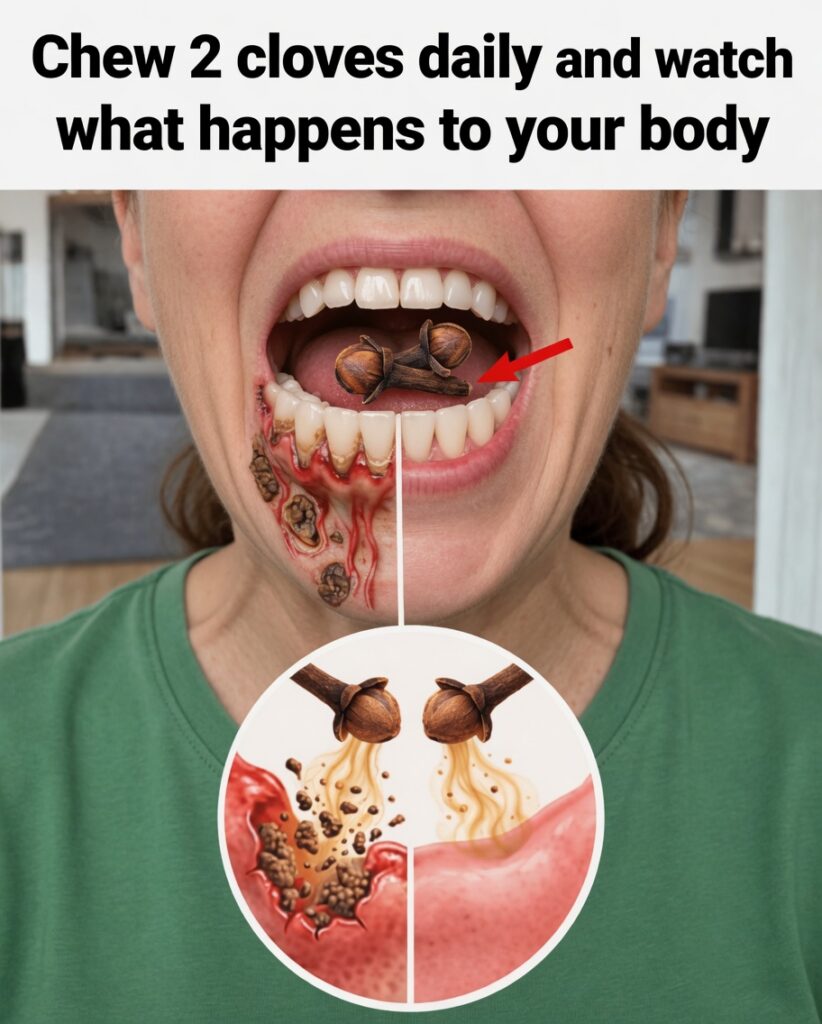
Looking for a Simple, Natural Wellness Upgrade?
Daily life can quietly wear you down—occasional bloating after meals, mild mouth irritation, or the general strain that comes with stress and modern routines. While these issues may seem small, they can stack up and leave you feeling off-balance.
A surprisingly simple habit is gaining attention: chewing two cloves per day. This traditional practice is being revisited because cloves contain unique bioactive compounds that may offer gentle, multi-area support. And at the end, you’ll find a quick method to make the habit easier and more effective—without adding effort.
Why Cloves Are More Than a Kitchen Spice
Cloves are the dried flower buds of the clove tree (originally from Indonesia). They’re famous for flavoring chai, mulled drinks, and baked goods—but their real value goes beyond taste.
Cloves are naturally rich in:
- Manganese (a small amount can provide over half of your daily needs)
- Fiber
- Vitamins K and C
- Antioxidants, especially eugenol plus various flavonoids
These nutrients and plant compounds are why cloves have long been used in traditional wellness practices—and why modern research continues to explore their potential benefits. They’re not a cure-all, but they can be a practical addition to a balanced lifestyle.
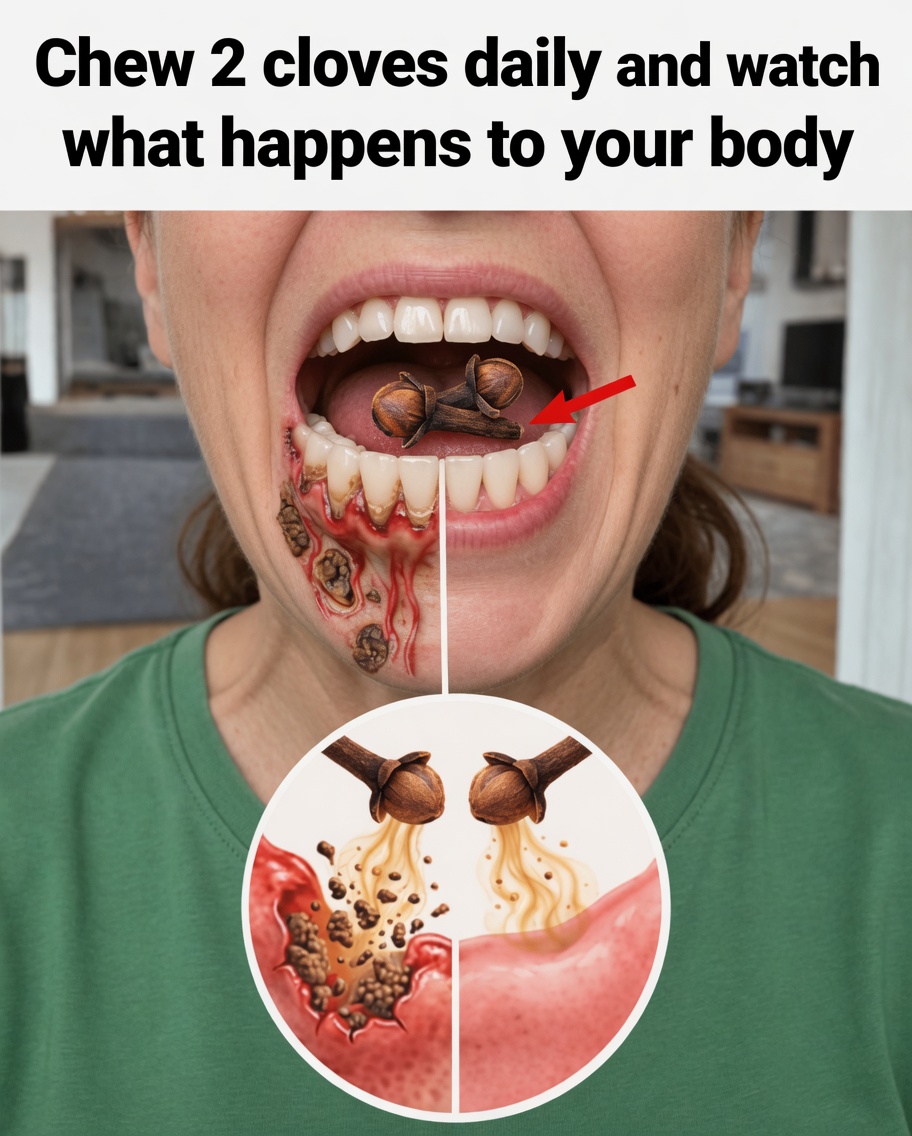
1) Oral Health Support and Fresher Breath
One of the best-known reasons people chew cloves is for mouth freshness and gum comfort. Cloves contain eugenol, a compound recognized for its antimicrobial activity.
Research on clove-based oral products (including mouth rinses) suggests cloves may help reduce plaque-related bacteria and support overall oral hygiene. Chewing whole cloves releases these compounds gradually, which may:
- freshen breath naturally
- support a cleaner-feeling mouth after meals
- soothe minor oral irritation
Quick tip: Chew slowly after eating so the aromatic oils can spread through the mouth.
2) Gentle Help for Digestion After Meals
If you sometimes experience gas, bloating, or mild indigestion, cloves may provide subtle digestive support. Traditional use often describes cloves as “warming” and helpful for post-meal discomfort.
Early studies (including animal research) suggest clove compounds may support digestion by encouraging digestive enzyme activity. While more human studies are needed, many people find chewing cloves after meals comforting.
3) Natural Antimicrobial Properties (Lab Evidence)
In laboratory settings, clove compounds have shown activity against certain microbes. Test-tube studies suggest potential effectiveness against:
- bacteria such as E. coli
- some fungi
- certain viruses (in preliminary research contexts)
This doesn’t guarantee the same effect inside the human body, but it helps explain why cloves have such a strong reputation in traditional wellness routines.
4) Blood Sugar Support (Emerging Human Research)
For people paying attention to glucose levels, cloves are being studied for their possible role in post-meal blood sugar management. A human study involving clove extract (comparable to small daily amounts) reported improved post-meal glucose in participants with and without prediabetes.
Animal studies also suggest cloves may support:
- insulin function
- glucose uptake
Cloves can be a simple complement to healthy eating, but anyone with blood sugar concerns should follow professional medical guidance—especially if taking diabetes medication.
Nutrient Snapshot: Cloves vs. Popular Spices (Per 1 Teaspoon Ground)
- Cloves: very high manganese (often cited around 127% DV) + eugenol-rich antioxidants
- Cinnamon: helpful fiber + moderate antioxidants
- Ginger: gingerol compounds + commonly used for digestive comfort
Cloves stand out for their high manganese density and concentrated eugenol.
5) Throat and Cough Comfort (Traditional Use)
Cloves have been used traditionally (including in Chinese medicine) for throat soothing and seasonal discomfort. Their warming sensation may help calm mild irritation and offer temporary comfort.
Scientific research is still developing here, but many people appreciate cloves as a simple, natural option during seasonal shifts.
6) Powerful Antioxidant Support for Daily Wellness
Cloves are among the most antioxidant-rich spices. Some research suggests eugenol may be highly effective at neutralizing free radicals—sometimes compared favorably to vitamin E in antioxidant activity.
This matters because oxidative stress is linked with aging and many long-term health challenges. Small, consistent intake of antioxidant-rich foods may help support cellular protection over time.
7) Mild Support for Pain and Tension
Eugenol is widely known for its role in oral care and is often used topically for tooth-related discomfort. Because cloves also have anti-inflammatory potential, chewing them may provide gentle support for:
- mild headaches
- everyday muscle tightness
- occasional joint discomfort
This is not a replacement for treatment—but it can be a low-effort tool for minor, everyday discomfort.
8) Liver Support (Important: Moderate Intake)
Animal studies suggest eugenol may help protect liver cells from oxidative stress, including in models related to fatty liver. A small human trial also hinted at improvements in certain liver markers.
However, dose matters. Excessive clove intake (especially high-dose extracts) can be harmful and may stress the liver. Stick to food-level amounts, such as 1–2 whole cloves.
9) Bone Health Contribution (Manganese Benefit)
Because cloves are rich in manganese, they may support:
- bone formation
- bone mineral density
Manganese is involved in connective tissue and bone metabolism, and manganese-rich diets have been associated with better bone outcomes in emerging research. For best support, combine a nutrient-rich diet with adequate calcium and vitamin D sources.
10) Brain and Cognitive Support (Early Research)
Cloves’ antioxidants—especially eugenol—are being studied for potential benefits related to:
- inflammation control
- neuronal protection
- oxidative stress reduction
Most findings come from early-stage or animal models, so stronger human evidence is still needed, but it remains a promising area of research.
11) Anti-Aging Support Through Antioxidants
Aging is influenced by oxidative stress at the cellular level. With their high antioxidant concentration, cloves may help reduce daily oxidative burden and support long-term vitality. Think of this as a small, consistent “shield” rather than a dramatic overnight change.
How to Chew 2 Cloves Daily (Simple Routine)
To make this habit easy and sustainable, follow these steps:
- Choose whole dried cloves (organic if possible).
- After brushing your teeth or after a meal, place 2 cloves in your mouth.
- Chew slowly for 5–10 minutes to release the oils.
- If the taste is intense, begin with 1 clove and increase gradually.
- Rinse with water afterward if you prefer a cleaner finish.
For consistency, many people choose either a morning or evening routine.
Conclusion: A Small Habit With Meaningful Potential
Chewing two cloves daily is a simple way to add a nutrient-dense, antioxidant-rich spice to your routine. Based on traditional use and growing research, cloves may support oral wellness, digestion, blood sugar balance, antioxidant protection, and more.
Results vary, and cloves are not medical treatment—but they can be a practical, low-effort wellness habit for many people.
FAQ
Is it safe to chew cloves every day?
For most adults, 1–2 whole cloves daily is generally considered safe as part of a varied diet. Avoid high amounts, which may cause irritation or other side effects.
Can cloves help with bad breath?
Many people find cloves helpful for breath freshness due to their aromatic oils and potential antimicrobial action.
Are there precautions with cloves?
Consult a healthcare professional if you are pregnant, taking blood thinners, using diabetes medications, or preparing for surgery. Clove compounds (including eugenol) may influence blood clotting and blood sugar.
Disclaimer
This article is for informational purposes only and does not provide medical advice. Consult a qualified healthcare professional before changing your diet or routine, especially if you have health conditions or take medications. Individual results vary, and excessive intake may cause side effects.