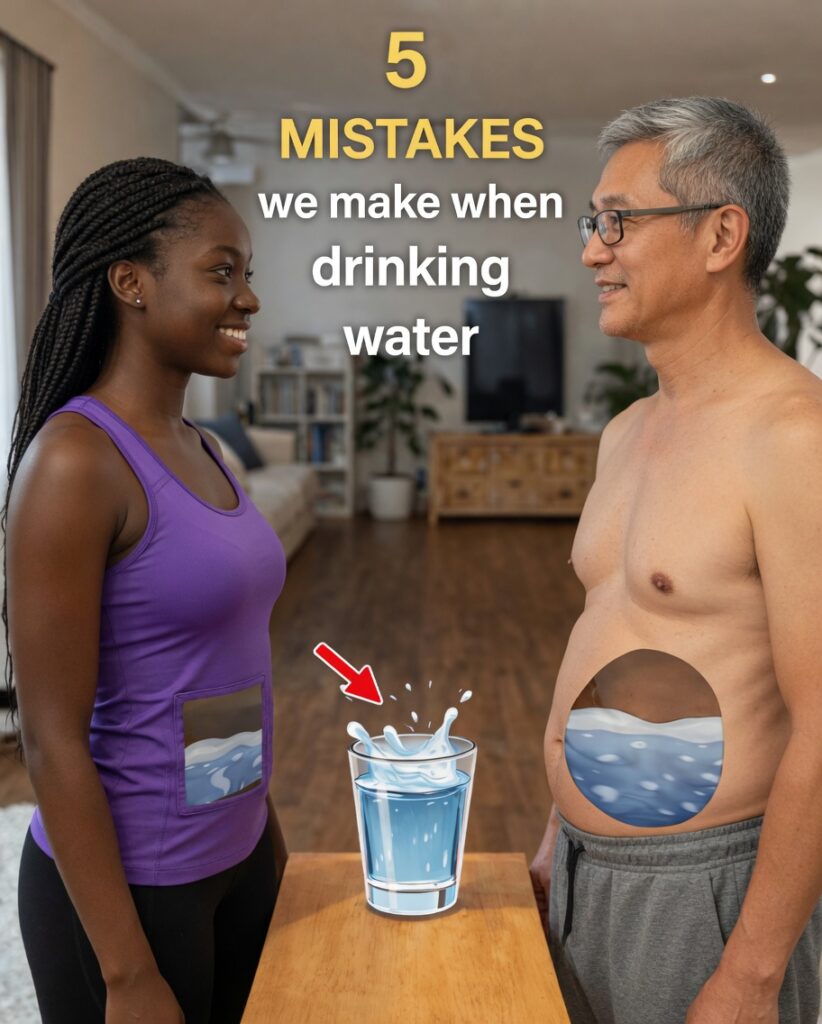
Everyday Hydration: Why “Drinking Enough Water” Still Might Not Be Working
You probably reach for water several times a day and feel better after each sip. Yet you may still deal with afternoon sluggishness, occasional headaches, or skin that feels unusually dry. That’s because hydration isn’t only about total water intake—your daily routines and timing matter, too. Even mild dehydration or uneven fluid intake can quietly affect energy, concentration, and overall comfort.
Proper hydration supports brain performance, digestion, temperature regulation, and more. Research also suggests that consistent hydration patterns across the day tend to work better than irregular “catch-up” drinking. Below are five common, easy-to-miss habits that may be undermining your hydration—and simple ways to fix them.
Why These Hydration Mistakes Matter More Than You Think
Water makes up roughly 60% of body weight and is essential for:
- Regulating body temperature
- Moving nutrients and waste
- Supporting organ and cellular function
Even small drops in hydration can contribute to reduced alertness, mood changes, and that “dragging” feeling many people blame on sleep or lunch.
A common scenario: someone keeps a water bottle nearby but forgets to drink consistently until late afternoon. They may technically consume “enough” water by day’s end, yet still feel tired because hydration wasn’t steady when the body needed it most. Small shifts in habits can create surprisingly noticeable improvements.
5 Everyday Mistakes That Can Undermine Your Water Intake
These patterns are widespread—and often happen without people realizing their impact.
5) Depending Too Much on Single-Use Plastic Bottles
Disposable plastic bottles are convenient, especially when you’re traveling or busy. The concern is that when plastic is exposed to heat, sunlight, or repeated reuse, small amounts of chemicals may leach into the water over time. Many public-health recommendations favor safer containers for everyday, long-term use.
Better approach: choose a stainless steel or glass bottle for routine hydration, and use single-use plastic only occasionally.
4) Only Drinking Ice-Cold Water
Ice-cold water feels amazing, particularly in hot weather. Hydration-wise, it works. However, for some people—especially those with sensitive digestion—very cold drinks may temporarily feel harder on the stomach.
Better approach: use mostly room-temperature water for everyday drinking, and enjoy cold water when you want the refreshment. The goal is consistency, not perfection.
3) Gulping Large Amounts at Once
If you realize you’ve barely drank anything all day, it’s tempting to down a huge amount quickly. But your body processes fluids most effectively in steady amounts. Drinking too much at once often leads to rapid bathroom trips instead of sustained hydration benefits, and in rare cases can temporarily disrupt electrolyte balance.
Better approach: aim for a steady pace—think small, regular sips rather than big bursts.
2) Waiting Until You Feel Thirsty
Thirst is helpful, but it typically shows up after mild fluid loss has already started. By the time you feel thirsty, some people may already notice slight dips in focus or physical performance—especially during activity, warm weather, or long periods of concentration.
Better approach: drink proactively, using routine cues (meetings, breaks, commutes) instead of relying only on thirst.
1) Not Spreading Water Intake Evenly Throughout the Day
Many people drink a lot in the morning, forget most of the afternoon, then try to “make up for it” at night. This uneven pattern doesn’t support steady cellular hydration and can also disrupt sleep if it leads to frequent nighttime bathroom trips.
Better approach: distribute your intake across the day. For many people, this single change produces the most noticeable improvement.
Hydration Sources Compared: Bottled Water vs. Better Alternatives
Here’s a quick guide to common hydration options:
-
Single-use plastic bottles
- Pros: easy to carry, widely available
- Potential downsides: possible chemical leaching if heated or reused
- Best for: occasional, short-term use
-
Reusable glass or stainless steel bottles
- Pros: durable, low exposure concerns, environmentally friendly
- Potential downsides: heavier than plastic
- Best for: daily, long-term hydration habits
-
Filtered tap water
- Pros: affordable, convenient at home
- Potential downsides: water quality varies (a filter can help)
- Best for: consistent “home base” hydration
-
Fruit-infused water
- Pros: improves taste and encourages drinking more
- Potential downsides: requires a bit of prep
- Best for: people who find plain water boring
For everyday use, reusable containers often provide the best balance of consistency, cost-effectiveness, and peace of mind.
Simple Steps to Build Better Drinking Habits
Use these practical, low-effort adjustments to support steady hydration:
- Pick a better bottle: switch to glass or stainless steel for daily use
- Mix temperatures: room temperature most of the time, cold when you want it
- Sip regularly: aim for roughly 8 oz (about 250 ml) per hour as a general rhythm
- Drink before thirst: set gentle reminders or tie water to routines (calls, breaks, meals)
- Distribute intake: start in the morning, keep it steady, and reduce late-night catching up
- Check a simple indicator: urine that’s pale yellow is often a sign you’re well hydrated
Many adults do well around 8–10 cups (2–2.5 liters) of total fluids per day, including fluids from food and other beverages. Adjust based on heat, activity level, health needs, and individual differences.
Real-Life Habit Shifts: Small Changes, Noticeable Results
- A manager who drank water in large, irregular bursts often felt bloated and crashed in the afternoon. Switching to timed sips and using a reusable bottle helped energy feel more stable within weeks.
- Someone who waited for thirst struggled with dry skin and low alertness. Adding reminders and spreading intake across the day improved daily comfort and focus.
Your results may differ, but these examples show a common pattern: consistency beats intensity.
Unlock Steadier Hydration Starting Today
Hydration issues aren’t always about drinking “more”—they’re often about drinking smarter. By avoiding these five common mistakes and making a few easy adjustments, you can support steadier energy, clearer focus, and a more consistently refreshed feeling.
Choose one change to try this week—like spreading intake more evenly or switching to a stainless steel bottle—and observe how you feel. Even small, repeatable habits can create meaningful improvements.
Frequently Asked Questions
How can I tell if I’m drinking enough water?
A simple daily check is urine color—pale yellow typically suggests adequate hydration. Other signs can include steady energy, normal digestion, and regular bathroom trips every few hours.
Do coffee and tea count toward daily fluid intake?
Yes—in moderation, coffee and tea contribute to your total fluid intake. Some people may be more sensitive to caffeine, so pay attention to how it affects thirst, sleep, and overall comfort.