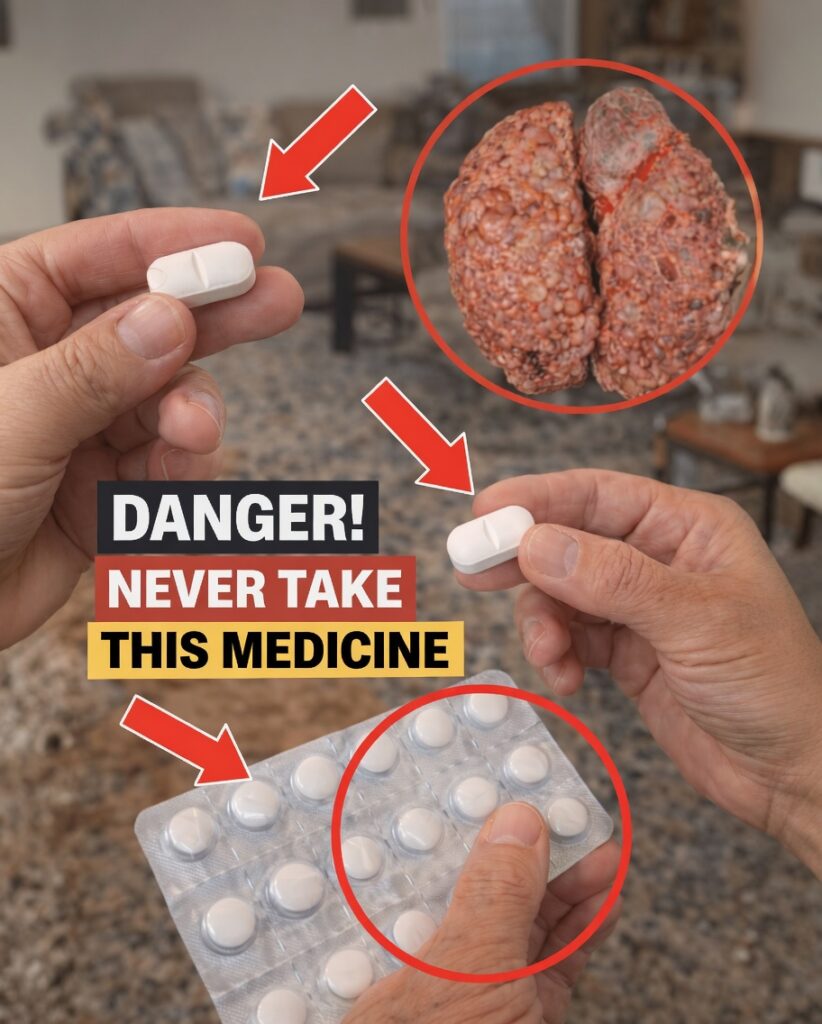
Long-Term Medications: Benefits, Risks, and Safer Alternatives to Discuss With Your Doctor
Millions of people take daily prescriptions to manage long-term health problems—such as chronic pain, high cholesterol, insomnia, diabetes, and acid reflux. These medications can be highly effective, especially at the beginning. However, scientific research suggests that using some drug types for extended periods may increase certain health risks, which is why clinicians often review long-term prescriptions carefully and consider additional strategies.
The encouraging part is that many patients can improve symptoms more sustainably by pairing medical care with evidence-based lifestyle changes. Below are five medication classes that often warrant extra caution over the long run, along with practical, clinician-supported alternatives you can discuss with your healthcare provider.
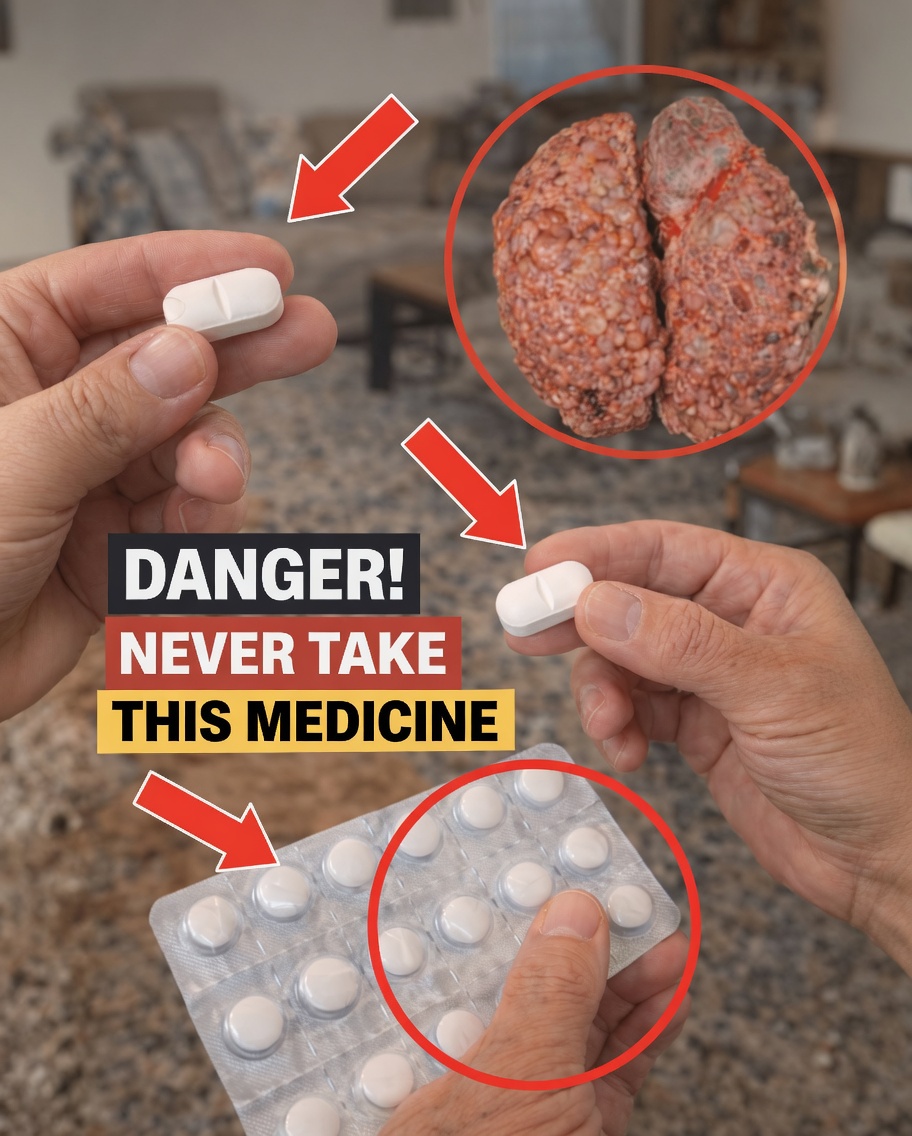
Why Doctors Sometimes Avoid or Limit Long-Term Use
When a medication is taken continuously, its effects can accumulate over time. Even if a drug works well initially, longer exposure may raise the likelihood of issues such as organ stress, nutrient changes, infection risk, or dependence. For this reason, many healthcare providers aim to treat root contributors—like diet, activity level, sleep habits, or weight—either before medication or alongside it.
Here’s a quick overview of the medication classes and the most common long-term concerns highlighted in research:
- NSAIDs (e.g., ibuprofen, diclofenac): Linked with higher risk of stomach/intestinal bleeding, cardiovascular events, and kidney strain during prolonged use.
- Statins: Can cause muscle-related symptoms in some people and may slightly increase blood sugar in certain individuals.
- Prescription sleep aids (e.g., zolpidem/Ambien): Associated with tolerance, dependence, next-day impairment, and fall risk—especially in older adults.
- SGLT2 inhibitors: May increase genital infections and urinary issues, with rare cases of ketoacidosis in specific situations.
- PPIs (e.g., omeprazole): Long-term use has been associated with changes in nutrient absorption and higher infection risk for some people.
These risks do not mean these medications are “bad.” For many patients, the benefits clearly outweigh the downsides. Still, lifestyle adjustments may reduce reliance and allow for lower doses or shorter duration when appropriate.
Medication Class #1: NSAIDs (Pain Relief) — Effective, but Not Risk-Free Over Time
Nonsteroidal anti-inflammatory drugs (NSAIDs) such as ibuprofen and diclofenac are commonly used for pain and inflammation. Large studies and safety communications have linked chronic or high-dose NSAID use with increased risk of gastrointestinal bleeding, kidney problems, and heart-related events in certain populations.
Because of this, many clinicians recommend using the lowest effective dose for the shortest feasible timeframe, especially for ongoing pain.
Lifestyle alternatives to explore
- Low-impact movement (walking, swimming, gentle yoga) to support joints and reduce stiffness
- Heat/cold therapy and basic posture adjustments for day-to-day symptom relief
- Anti-inflammatory eating patterns, including foods/spices like turmeric in moderate amounts
Do not stop or change pain medications abruptly without medical advice—pain can rebound, and underlying conditions may require a tailored plan.
Medication Class #2: Statins (Cholesterol Control) — Strong Protection, Individualized Monitoring
Statins are widely prescribed because they reduce cholesterol and lower cardiovascular risk for many people. Research also notes potential side effects, including muscle aches or weakness in some patients and a small rise in blood sugar for certain individuals—particularly those already at risk for diabetes.
Most guidelines still emphasize that lifestyle habits are a core foundation and can sometimes help patients maintain targets with lower doses, depending on their overall risk profile.
Lifestyle alternatives to explore
- More soluble fiber (oats, beans, fruit) to support healthier cholesterol levels
- Healthier fats (nuts, seeds, avocado, olive oil) while limiting trans fats
- Regular aerobic exercise, such as brisk walking for about 30 minutes on most days
- Weight management through sustainable, balanced eating
These strategies can meaningfully support heart health, especially when combined with regular monitoring and clinician guidance.
Medication Class #3: Prescription Sleep Aids — Short-Term Help, Long-Term Tradeoffs
Sleep medications like zolpidem (Ambien) can be helpful for short-term insomnia. Over longer periods, studies associate ongoing use with concerns such as next-day drowsiness, impaired balance, falls, and possible dependence or tolerance, particularly in older adults.
Because sleep quality is heavily shaped by behavior and environment, experts frequently recommend non-drug approaches first—or at least alongside medication.
Lifestyle alternatives to explore
- Consistent sleep schedule (same sleep and wake times most days)
- Reduce evening stimulation (dim lighting; avoid screens about an hour before bed)
- Relaxation techniques (slow breathing, progressive muscle relaxation)
- Sleep hygiene basics: cool/dark room, limit caffeine after midday, avoid heavy late meals
A leading non-medication option is Cognitive Behavioral Therapy for Insomnia (CBT-I), which has strong evidence for improving sleep without the long-term downsides of tolerance.
Medication Class #4: SGLT2 Inhibitors — Diabetes Benefits With Targeted Safety Checks
SGLT2 inhibitors support blood sugar control and may provide heart and kidney benefits for certain people. Research also highlights risks including genital infections, urinary tract issues, and rare ketoacidosis, which can be more likely during illness, dehydration, or reduced food intake.
Clinicians typically emphasize prevention—such as staying hydrated, monitoring for early symptoms of infection, and knowing when to seek prompt care.
Lifestyle alternatives to explore
- Balanced meals with portion awareness and lower-glycemic choices
- Regular physical activity to improve insulin sensitivity
- Weight management and consistent blood sugar tracking (as advised)
Lifestyle measures remain central in diabetes care and can complement medications—or sometimes reduce the needed intensity—under professional supervision.
Medication Class #5: PPIs (Acid Reflux Relief) — Powerful Control, Long-Term Nutrient Considerations
Proton pump inhibitors (PPIs) like omeprazole are highly effective for heartburn and reflux symptoms. Over extended use, studies have associated PPIs with potential changes in nutrient absorption (such as magnesium and vitamin B12) and a higher likelihood of certain infections in some populations.
For mild to moderate reflux, many people can improve symptoms by addressing triggers and daily habits, sometimes enabling a cautious taper under medical guidance.
Lifestyle alternatives to explore
- Smaller meals and avoiding lying down soon after eating
- Identifying trigger foods (often spicy, fatty foods, caffeine, alcohol)
- Elevating the head of the bed to reduce nighttime reflux
- Weight management, when applicable, to reduce abdominal pressure
A Practical, Step-by-Step Transition Timeline
Changing long-term medication use should be structured and safe. Here’s a simple framework many people find manageable:
- Month 1: Track symptoms and triggers; review concerns and goals with your clinician
- Months 2–3: Add lifestyle strategies gradually (nutrition changes, exercise plan, sleep routine); monitor results
- Ongoing: Schedule periodic check-ins to reassess symptoms, labs, and medication needs
Advanced Tips for Safer Long-Term Management
- Be direct with your provider about side effects, fears, and priorities—personalized plans are safest
- Avoid sudden changes unless instructed; gradual adjustments help prevent rebound symptoms
- Watch for early warning signs (new pain, fatigue, dizziness, urinary symptoms, unusual weakness) and report them promptly
Mid-Article Reflection
On a scale of 1–10, how much has this information changed the way you think about long-term medication use? For many readers, simply understanding the options makes healthcare decisions feel more manageable and collaborative.
Conclusion
These five medication classes improve and protect health for millions of people. At the same time, evidence supports careful evaluation when they’re used long term, along with lifestyle strategies that can reduce dependence and strengthen results. Consistent improvements—such as better nutrition, regular movement, and healthier sleep routines—often make a real difference over time. Always work with your healthcare team before changing any medication plan.
FAQ
What should I do if I’m worried about taking a medication long term?
Speak with your doctor or pharmacist. They can review your personal risk factors, assess whether the benefits still outweigh potential harms, and help you explore alternatives—including lifestyle changes.
Can lifestyle changes replace these medications completely?
Sometimes, but not always. Many people can reduce dose or frequency, while others still need medication for safety and symptom control. Outcomes vary, so professional guidance is essential.
How can I tell whether continued long-term use is right for me?
Regular medication reviews that consider symptoms, lab results, side effects, and quality of life are the best way to make that decision together with your clinician.
Disclaimer
This article is for informational purposes only and does not provide medical advice. Always consult a qualified healthcare professional before starting, stopping, or changing any medication or treatment. Individual risks and benefits vary.