Proteinuria—commonly identified as excess protein in the urine—is more than a lab finding. It can be a sign that the kidneys are under stress and is frequently associated with diabetes, high blood pressure (hypertension), and chronic kidney disease (CKD). According to recent CDC estimates, CKD affects more than 1 in 7 U.S. adults—about 35 million people—and many don’t realize anything is wrong until routine screening flags issues such as elevated urine protein. For some, that discovery comes with fatigue, swelling, or noticeably foamy urine, along with understandable anxiety about long-term health.
When energy starts dropping or test results raise red flags, the worry can feel constant—especially because inflammation and oxidative stress may be quietly adding pressure to kidney function. Medical care remains the cornerstone of management, but a growing body of research is also exploring whether certain natural oils—rich in beneficial fats and antioxidants—could offer complementary support thanks to their anti-inflammatory and protective characteristics. The question many people are asking now is simple: could everyday cooking and nutrition oils provide gentle, food-based support worth discussing with a clinician?
Proteinuria: Why It’s an Early Warning Sign You Shouldn’t Ignore
As we move into our 40s, 50s, and beyond, common metabolic and cardiovascular issues—especially elevated blood sugar and high blood pressure—can gradually harm the kidney’s filtration structures (the glomeruli). When these filters become stressed or damaged, proteins that should stay in the bloodstream can start leaking into urine.
Research suggests that proteinuria shows up in a meaningful percentage of adults who are already at risk, often signaling early kidney strain that may worsen if left unchecked. People frequently describe:
- Ongoing tiredness or reduced stamina
- Swelling in ankles, feet, or around the eyes
- Changes in urine (including frothiness or foam)
Beyond the direct loss of protein, ongoing proteinuria may contribute to additional kidney scarring and broader health risks. Many approaches focus mainly on medications or restrictive diets, yet those steps may not always address the deeper drivers—like chronic inflammation and oxidative injury. That’s where nutrition-based strategies, including specific oils, are gaining attention.
The Role of Inflammation and Oxidative Stress in Kidney Health
Your kidneys filter blood all day, every day. Over time, repeated exposure to free radicals and inflammatory signaling can weaken protective barriers and strain kidney tissue. Studies connect low antioxidant capacity and higher oxidative burden with difficulties in maintaining healthy kidney function.
A quick self-check can be useful: how often do you notice common inflammation signals—such as joint aches, lingering fatigue, or feeling “puffy”? If it feels frequent, exploring anti-inflammatory dietary options may be a practical conversation to have with your healthcare team.
7 Natural Oils That May Support Kidney Wellness (Complementary Approach)
Below are seven oils often discussed in nutrition research for their potential anti-inflammatory and antioxidant effects. They are not a replacement for medical care, but they may offer supportive benefits when used thoughtfully.
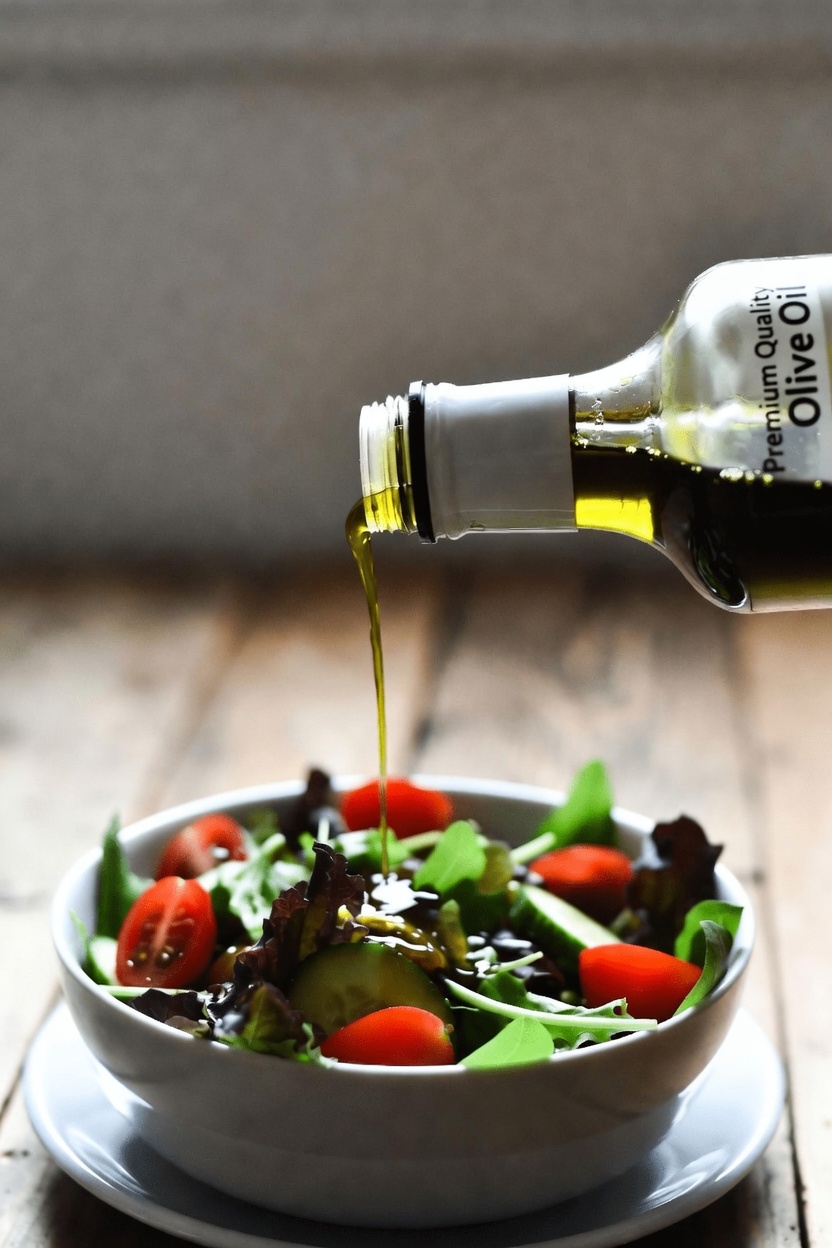
1) Extra Virgin Olive Oil (EVOO): A Mediterranean Favorite with Potential Protective Effects
Extra virgin olive oil is well known for its high oleic acid content and its polyphenols—especially compounds such as hydroxytyrosol—that help counter oxidative stress and inflammation. In research models involving kidney stress, olive oil components have been associated with improvements in inflammatory markers and kidney-related indicators.
Easy ways to use it:
- Drizzle over salads and cooked vegetables
- Mix into dips or cold sauces
- Use as a finishing oil for flavor and antioxidants
2) Virgin Coconut Oil: Medium-Chain Fats That Are Easy to Process
Virgin coconut oil contains medium-chain triglycerides (MCTs), which are metabolized differently from many long-chain fats. Some animal studies suggest antioxidant and anti-inflammatory actions that may help protect against specific kidney stressors.
If you’re aiming for a “lighter” fat option, coconut oil may feel easier for some people to digest. Practical uses include:
- Adding small amounts to warm foods
- Using in simple cooking where it fits your diet plan
3) Flaxseed Oil: Plant-Based Omega-3 Support
Flaxseed oil provides alpha-linolenic acid (ALA), a plant-derived omega-3 that can support anti-inflammatory pathways. While the evidence base is still developing, some animal research links flaxseed oil to improved outcomes in models of kidney concerns.
Important tip:
- Use flaxseed oil cold (dressings, smoothies). Heat can reduce its nutritional value.
4) Pumpkin Seed Oil: Antioxidant Nutrients for Oxidative Defense
Deep green pumpkin seed oil offers vitamin E, phytosterols, and essential fatty acids. Research in certain metabolic models suggests improvements in kidney-related markers and oxidative stress measures.
Simple idea:
- Drizzle over roasted vegetables or grain bowls to support nutrient absorption and flavor.
5) Hemp Seed Oil: A Balanced Omega Profile
Hemp seed oil is valued for its relatively balanced omega-6 to omega-3 ratio, along with gamma-linolenic acid (GLA)—a fatty acid often discussed for inflammation-related pathways.
If your goal is overall dietary balance, hemp seed oil can be an easy add-on:
- Blend into salad dressings
- Stir into finished dishes (avoid high-heat cooking)
6) Black Seed Oil (Nigella sativa): Traditional Use with Modern Research Interest
Black seed oil, sourced from Nigella sativa, contains thymoquinone, a compound widely studied for antioxidant and anti-inflammatory activity. Multiple studies—including research in diabetic models—suggest potential benefits related to proteinuria reduction and support for kidney function markers.
One key theme in the literature and user experience is consistency: small daily amounts over time may matter more than occasional use.
7) Fish Oil: EPA and DHA for Systemic Inflammation Support
Fish oil delivers omega-3s EPA and DHA, which are known to help regulate inflammatory activity throughout the body. Meta-analyses of omega-3 supplementation have linked fish oil to reduced proteinuria in certain contexts and slower progression in some CKD scenarios, though results can vary based on the underlying condition and dosage.
Practical tip:
- Take fish oil with meals to support absorption and reduce aftertaste.

Everyday Stories: What People Commonly Notice Over Time
Real-life experiences aren’t proof, but they can reflect what research is exploring—especially around inflammation.
- Maria (52), managing hypertension-related concerns, added olive oil and fish oil consistently. Over several months, she reported more stable energy and fewer urine changes; her physician noted encouraging trends.
- James (48), living with diabetes, incorporated black seed oil and flaxseed oil into his routine. He noticed gradual improvements in comfort and less swelling.
Individual outcomes differ, and these examples should be viewed as personal anecdotes—not medical claims.
12 Potential Benefits These Oils May Offer (What Research Commonly Focuses On)
When studied as part of broader nutrition patterns, these oils may contribute to:
- Reduced inflammation (via omega fats and thymoquinone-related pathways)
- Improved oxidative stress defense (polyphenols, vitamin E, antioxidant activity)
- Support for the kidney’s filtration barrier integrity
- Better lipid balance, potentially easing metabolic load
- Associations with lower urine protein in some studies/models
- Support for healthy circulation and nutrient delivery
- Reinforcement of natural antioxidant systems
- Gentler support for normal body “clearing” processes
- Potential slowing of progression in research models
- Improved overall vitality and less fatigue for some individuals
- Indirect support for blood-pressure-related factors via diet quality
- Cumulative wellness support when used consistently in a balanced routine
Quick Comparison: Natural Oils vs. Other Common Approaches
-
Inflammation support
- Natural oils: Often strong (omega fats, thymoquinone, polyphenols)
- Standard medications (e.g., ACE inhibitors): Helpful, depending on the cause
- Processed supplements: Variable quality and results
-
Oxidative stress protection
- Natural oils: Often higher (polyphenols, vitamin E)
- Standard medications: Limited direct antioxidant focus
- Processed supplements: Often inconsistent
-
Proteinuria outcomes
- Natural oils: Potential reductions in some research contexts
- Standard medications: Strong evidence in many cases
- Processed supplements: Mixed evidence
-
Side-effect profile
- Natural oils: Typically lower risk when used as foods
- Standard medications: Possible side effects (varies by drug)
- Processed supplements: Can cause digestive issues or interactions
-
Accessibility/cost
- Natural oils: Often affordable pantry staples
- Standard medications: Prescription-dependent
- Processed supplements: Moderate cost, varies widely
How to Start Using These Oils: A Simple Timeline
- Weeks 1–2: Choose one or two oils and start small (often 1–2 teaspoons daily, depending on your diet plan). Watch for energy, digestion, or bloating changes.
- Weeks 3–4: Rotate oils for variety and broader nutrient coverage; continue tracking how you feel.
- Weeks 5–8: Note trends in symptoms and consider discussing labs and progress with your healthcare provider.
- After 8 weeks: Focus on consistency alongside hydration, balanced meals, and clinician-guided care.
Safety Notes Before You Add Any Oil to a Kidney-Support Routine
Speak with your healthcare provider first—especially if you have CKD, proteinuria, diabetes, hypertension, take prescription medications, or have food allergies.
Key cautions include:
- Fish oil may influence blood thinning and interact with certain medications.
- Black seed oil can be potent and may require monitoring, particularly with metabolic conditions or medications.
This information is educational and does not replace medical advice. For kidney health, the foundation remains medical management, hydration, nutrition quality, and regular monitoring.
Your Next Steps: Building a More Supportive Routine
Imagine the next 30 days with steadier energy, fewer symptoms to worry about, and a clearer plan you can stick with. Doing nothing can allow strain to continue, but small, consistent changes—like incorporating the right oils in sensible amounts—may support your overall wellness journey.
Track your current concern level (1–10), choose one oil to begin with, and reassess in a few weeks based on how you feel and what your clinician recommends.
P.S. Taking fish oil with meals can improve absorption and reduce digestive discomfort for many people.