Baking Soda for Women: 13 Practical, Budget-Friendly Ways to Use This Pantry Staple
Many women spend hundreds of dollars each year on skincare, deodorants, and home fragrances—only to end up with irritation from strong chemicals or products that simply don’t perform. With age, skin often becomes more reactive, everyday odors can feel harder to manage, and small discomforts may become more noticeable.
Baking soda (sodium bicarbonate)—that basic white powder most people keep in the kitchen—can be a gentle, low-cost option for everyday needs such as odor control, mild exfoliation, and comfort for minor irritations, all without synthetic fragrances or complicated ingredient lists.
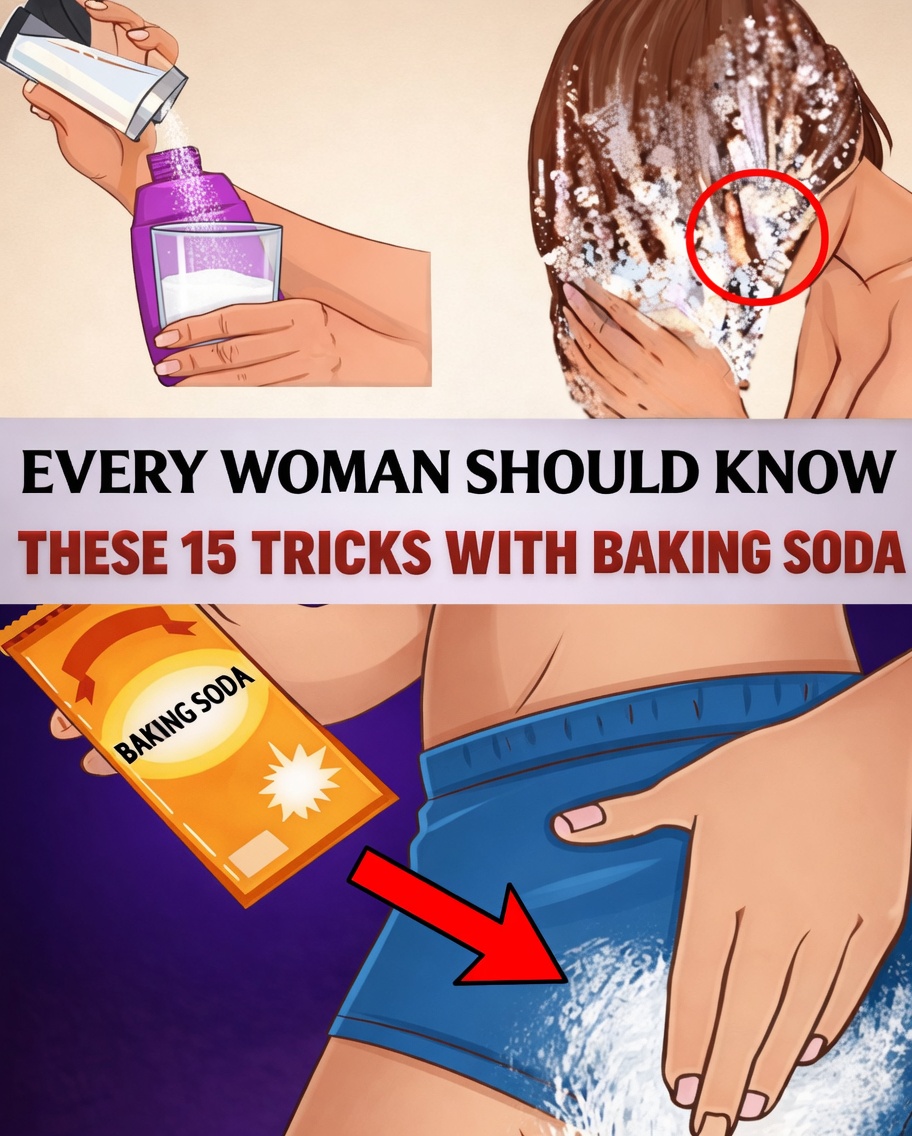
Even more interesting: long before “clean beauty” became trendy, generations used baking soda for far more than baking. Today, many women are rediscovering how versatile it can be. Below are 13 easy, practical ways to add baking soda to your routine, plus simple instructions and safety notes.
Why More Women Are Choosing Simple, Natural Pantry Solutions
Once you hit your 30s and beyond, you may notice shifts like drier skin, sporadic sensitivity, or frustration with expensive products that don’t deliver lasting comfort. At the same time, interest in natural, minimalist alternatives is growing—partly due to concerns about ingredients in many commercial personal-care items.
Baking soda is mildly alkaline, which helps it neutralize acids and absorb odors. That chemistry makes it useful in a variety of household and personal-care situations. It’s also inexpensive, easy to find, and has a long history of traditional use.
That said, everyone’s skin and health needs are different. Baking soda isn’t a replacement for medical care or professional products when those are needed.
What Makes Baking Soda So Multi-Purpose?
Baking soda is the common name for sodium bicarbonate, a gentle alkaline compound. When it encounters acids, it reacts (often with fizzing) and can help reduce odor and shift pH in certain uses. Sources like WebMD and Healthline often reference baking soda for things like odor absorption, light surface polishing, gentle exfoliation, and soothing minor skin discomfort for some people.
Many people love it for one reason: it’s simple. No hype—just a basic tool that can be surprisingly effective when used carefully.
13 Baking Soda Hacks to Try (With Step-by-Step Tips)
1) Natural Deodorant Support for Everyday Freshness
Some underarms react to commercial deodorants—especially formulas with strong additives. Baking soda may help reduce odor by making the area less friendly to odor-causing bacteria.
How to try it
- Mix 1/8 teaspoon baking soda with a few drops of water to create a thin paste.
- Apply a very small amount to clean, dry underarms.
- If you feel any discomfort, rinse after a few hours.
Note: Patch test first. Some people experience irritation, especially with frequent use.
2) Calm Minor Itching from Insect Bites
Mosquito bites and other minor insect bites can cause itching that distracts you all day. A baking soda paste may help soothe mild irritation.
Steps
- Mix 3 parts baking soda with 1 part water.
- Apply to the bite for 10–20 minutes.
- Rinse gently and pat dry.
Some people add a small drop of honey for extra soothing, but always watch for any reaction.
3) Occasional Heartburn Relief (Short-Term Use)
After a heavy or spicy meal, heartburn can show up at the worst time. Baking soda can act as a temporary antacid by neutralizing stomach acid.
How to use
- Dissolve 1/2 teaspoon in 4 ounces (about 120 ml) of water.
- Sip slowly.
- Use occasionally, not as a daily habit.
If heartburn is frequent, severe, or occurs during pregnancy, consult a healthcare professional.

4) Gentle Body Exfoliation for Smoother Feel
If skin feels dull or rough, light exfoliation can help remove surface buildup. Baking soda can provide mild physical exfoliation when used gently.
DIY scrub
- Combine 3 parts baking soda with 1 part water or a small amount of oil (like coconut oil).
- Massage lightly in circular motions.
- Rinse well.
Limit to 1–2 times per week and avoid aggressive scrubbing.
5) Scalp Refresh to Reduce Product Buildup
Styling products and dry shampoo can leave hair looking flat. A baking soda wash can help clarify the scalp for some people.
How to use
- Mix 1 teaspoon of baking soda into your shampoo or dilute it in water first.
- Massage into the scalp briefly.
- Rinse thoroughly, then condition to restore softness.
6) Light Buffing for Arms and Legs
Gentle buffing can support smoother-looking skin—especially in areas that feel rough.
How
- Make a thin paste with baking soda and water.
- Apply to arms or legs, massage gently, rinse.
- Follow with a moisturizer.
7) Softening Rough Feet and Heels
Dry, rough feet often respond well to soaking plus gentle exfoliation.
Simple routine
- Soak feet in warm water with 2–3 tablespoons baking soda for several minutes.
- Use a small amount of paste to gently scrub rough spots.
- Rinse, dry, and apply a rich moisturizer.
Consistency matters more than intensity.
8) Natural Odor Absorber for Fridge and Home
Baking soda is widely used to reduce lingering smells by absorbing odors rather than masking them.
Easy tip
- Place an open box or a small bowl of baking soda in the refrigerator.
- Replace about once a month.
Quick comparison
- Body odor: baking soda paste vs. commercial deodorant
- Minor skin discomfort: paste or bath vs. creams/lotions
- Home odors: open container vs. air fresheners
- Dull texture: gentle scrub vs. exfoliating products
9) Polish Silver Jewelry
Silver tarnish can often be lifted with gentle polishing.
Method
- Make a paste with baking soda and water.
- Rub gently using a soft cloth.
- Rinse and buff dry.
This can help bring back shine to everyday jewelry and keepsakes.
10) Cooling Comfort for Mild Sunburn
For minor sunburn discomfort, a cool baking soda application may feel soothing.
How
- Mix baking soda with cool water to form a light paste.
- Apply gently and leave for 10–15 minutes.
- Rinse carefully.
Avoid applying to broken or blistered skin.
11) Help Beans Cook Softer (and Faster)
Baking soda can change the soaking water’s chemistry, which may help beans soften more quickly.
Tip
- Add 1/4 teaspoon baking soda per cup of beans to the soak water.
Rinse beans well before cooking.
12) Mild Teeth Brightening (Occasional Use)
Baking soda is mildly abrasive and can help polish surface stains on teeth.
How to try
- Dip a damp toothbrush lightly into baking soda powder.
- Brush gently 1–2 times per week.
Overuse can wear enamel or irritate gums, so keep it occasional.
13) Simple Mouth Rinse for Fresher Breath
A mild baking soda rinse can support a clean, fresh feeling.
How
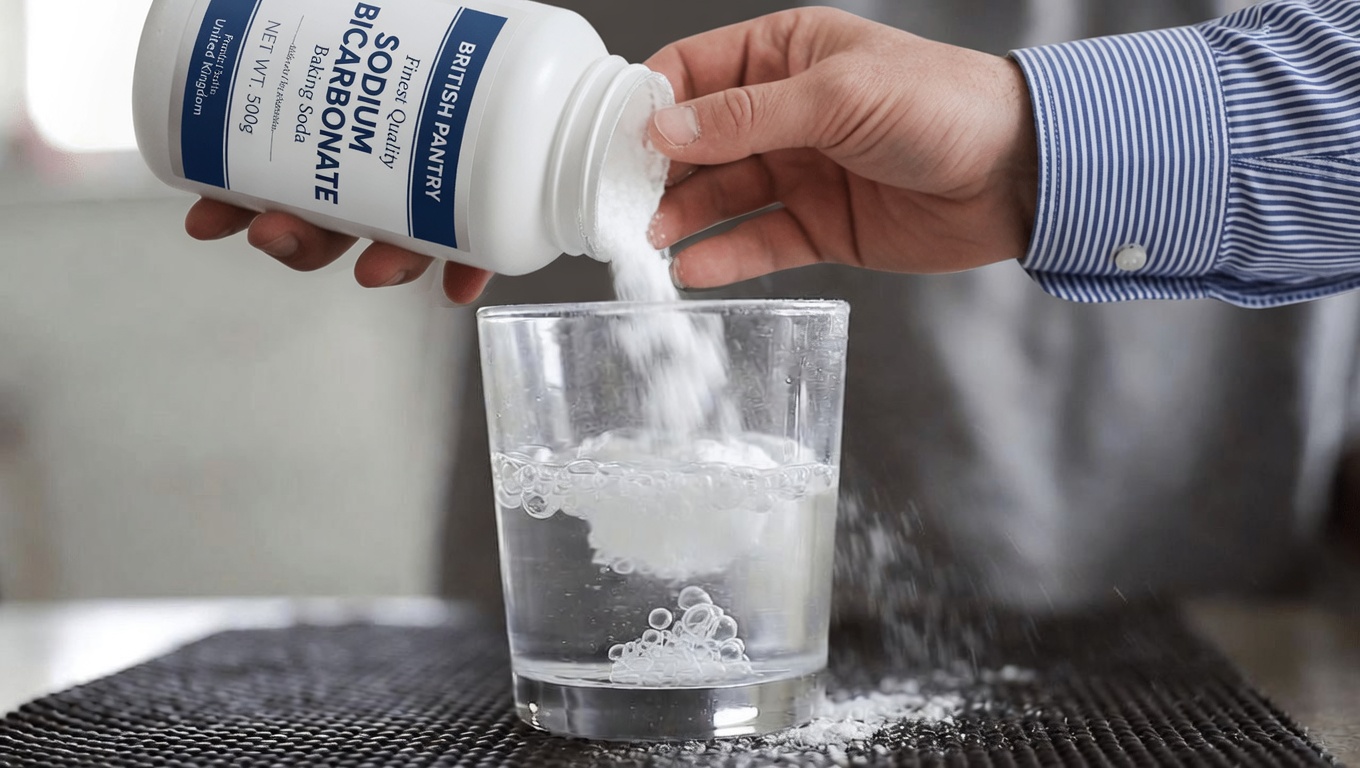
- Dissolve 1/2 teaspoon baking soda in a glass of water.
- Swish and spit (do not swallow).
A Realistic “Baking Soda Routine” Timeline
- Days 1–7: Test 1–2 uses (like fridge deodorizing or a mild scrub) and note how your skin reacts.
- Weeks 2–4: Add one new method at a time for variety and consistency.
- Month 2+: Keep what works and build a simple routine that feels sustainable.
Optional add-ins
- Honey: often used for a more soothing feel in pastes (patch test).
- Lemon juice: can be irritating and increases sensitivity for some—use sparingly and avoid sun exposure afterward.
- Plain water: the simplest, most predictable option.
Safety Notes (Read This First)
Always do a patch test before applying baking soda to skin. While many people tolerate it well, others experience dryness, stinging, or irritation—especially with sensitive skin or frequent use.
This article is for informational purposes only and is not medical advice. Consult a healthcare provider before trying new remedies, particularly if you are pregnant, nursing, or managing ongoing health issues.
FAQ
Is baking soda safe for daily skin use?
Many people use it occasionally without issues, but daily use can be irritating because baking soda is alkaline. Start slowly and pay attention to dryness or redness.
Can baking soda replace regular deodorant?
It can help with odor for some people, but results vary. Patch test first, and stop if irritation occurs.
How often should I exfoliate with baking soda?
Typically 1–2 times per week is plenty. Rinse well and moisturize afterward to reduce dryness.