
Eye Health After 60: Why Night Vision, Dryness, and Glare Often Worsen
After age 60, it’s common to notice changes like weaker night vision, dry or gritty eyes, increased sensitivity to glare, and a gradual decline in sharp central clarity. These shifts are frequently associated with oxidative stress, low-grade inflammation, and changing nutrient demands in the retina and macula.
Research, including findings linked to the Age-Related Eye Disease Study (AREDS), suggests that diets rich in targeted antioxidants and healthy fats may help support long-term vision and may slow the progression of certain age-related eye concerns.

Food First: A Natural Alternative to “Quick Fix” Supplements
Many people reach for eye supplements or lubricating drops. While those can be helpful in some cases, whole foods offer a practical (and enjoyable) way to obtain the same key nutrients—often alongside additional protective compounds.
One overlooked factor is timing. Eating eye-supportive foods 60–90 minutes before bed may align with the body’s overnight recovery cycle, when circulation patterns and cellular repair processes are active during sleep. The goal is not instant results, but consistent nourishment that supports your eyes over time.
Best Foods to Eat Before Bed for Eye Support
Below are evidence-informed options that deliver nutrients strongly linked to retinal, macular, and tear-film health. Introduce them gradually so they fit comfortably into your evening routine.
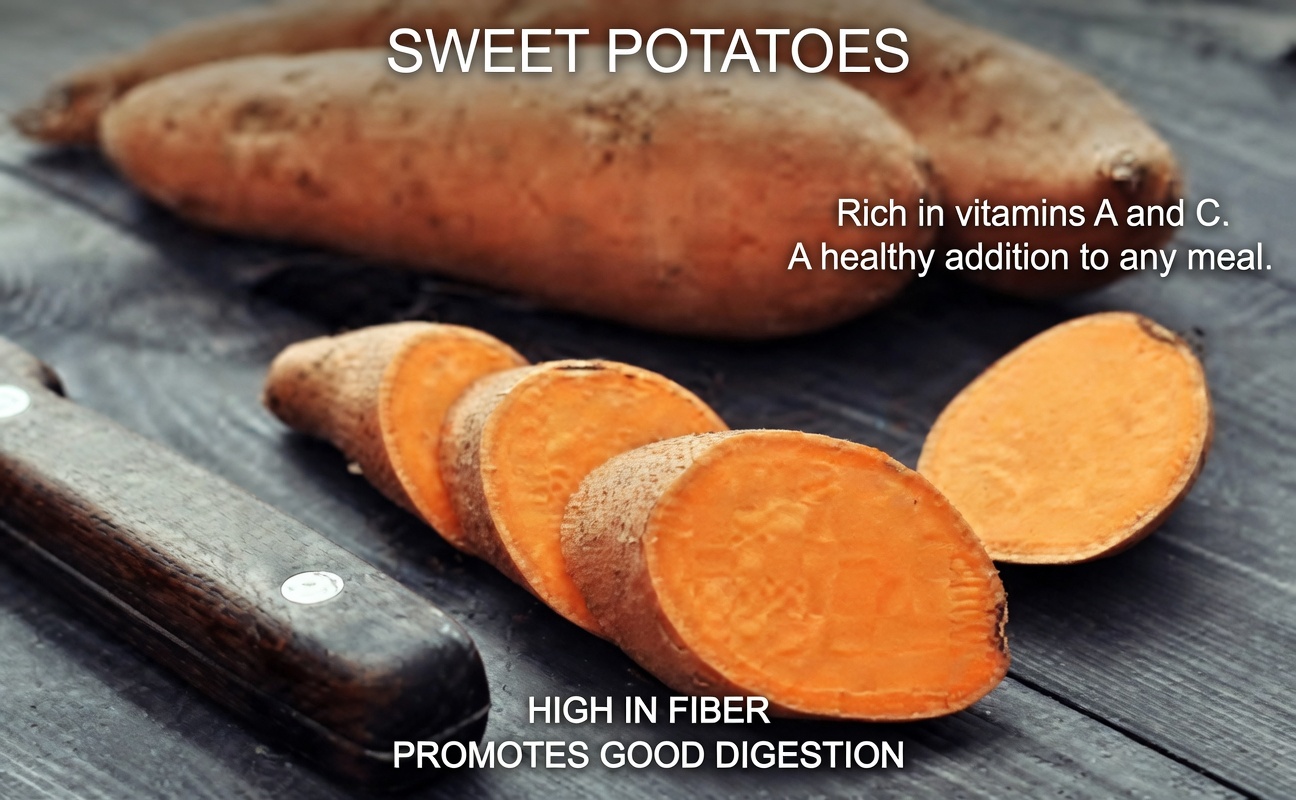
1) Sweet Potatoes (Beta-Carotene → Vitamin A)
Sweet potatoes are naturally rich in beta-carotene, which the body converts into vitamin A—a nutrient essential for retinal function and adaptation to low-light conditions. Higher vitamin A intake is often associated with better support for night vision and overall visual comfort.
How to use it:
- Bake one medium sweet potato (keep the skin on for extra micronutrients) and eat it about 90 minutes before sleep.
- Its warm, mildly sweet taste also makes it an easy nightly staple.
2) Wild-Caught Salmon (DHA & EPA Omega-3s)
Salmon provides DHA and EPA, omega-3 fatty acids that are highly concentrated in the retina. These fats are known for their anti-inflammatory properties and may help support tear-film stability, which is especially relevant for dry eye discomfort.
Studies suggest omega-3 intake from fatty fish may help manage dry eye symptoms and support retinal health as we age.
How to use it:
- Aim for 2–3 servings per week, such as a small baked portion in the evening.
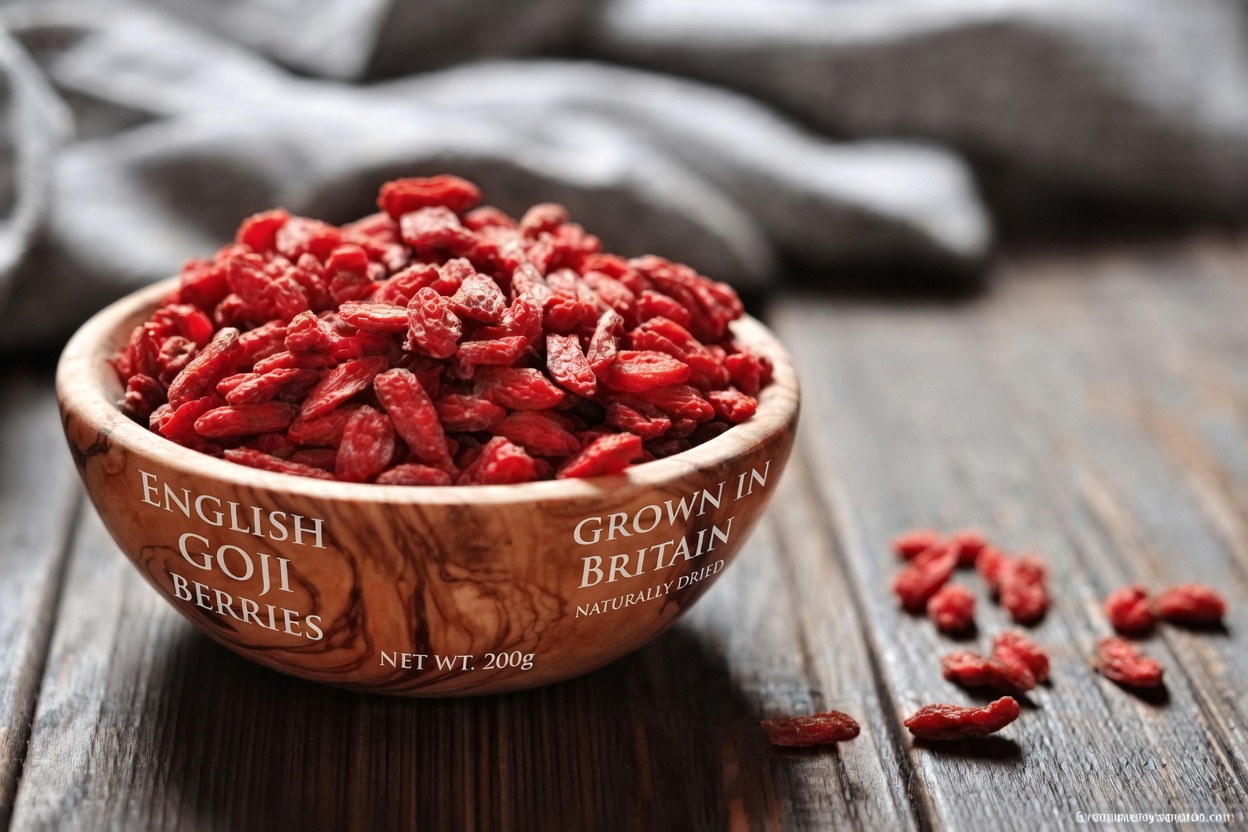
3) Goji Berries (Zeaxanthin + Lutein)
Goji berries are notable for their exceptionally high zeaxanthin content, along with lutein. These carotenoids accumulate in the macula, where they help filter high-energy blue light and provide antioxidant protection.
Small studies and pilot trials suggest that consistent intake may support macular pigment density, which is tied to central vision performance.
How to use it:
- Snack on a small handful (~1 oz) in the evening.
4) Organic Egg Yolks (Highly Absorbable Lutein & Zeaxanthin)
Egg yolks—especially from pasture-raised sources—contain lutein and zeaxanthin in a naturally fatty matrix that can improve absorption compared with many plant sources. Research indicates egg consumption can raise blood levels of these macular carotenoids, supporting protection against oxidative stress.
How to use it:
- Choose 1–2 soft-boiled or poached eggs in the evening for easier digestion.
Timing Tip That Improves Results
For best uptake and practical consistency:
- Eat these foods 60–90 minutes before bed
- Combine fat-soluble nutrients (beta-carotene, lutein, zeaxanthin) with a small amount of healthy fat to enhance absorption
More Eye-Supportive Foods to Rotate Into Your Evenings
To keep your routine varied, consider rotating in:
- Black currants — Provide vitamin C and GLA; may support circulation and antioxidant defenses
- Saffron — Contains crocin/crocetin; small studies suggest potential support for retinal function when used in tiny amounts (e.g., a pinch in warm milk)
- Raw cacao or 85%+ dark chocolate — Flavonoids may support retinal blood flow and cellular energy
- Bilberries — Anthocyanins offer antioxidant support and may help with visual fatigue
Quick Guide: Common Vision Complaints and Food-Based Nutrients
-
Trouble with night vision or glare:
- Beta-carotene (sweet potatoes)
- Anthocyanins (bilberries)
-
Dry, scratchy, or uncomfortable eyes:
- Omega-3s (salmon)
-
Central blur or reduced detail clarity:
- Zeaxanthin/lutein (goji berries, egg yolks)
-
Overall eye fatigue or “tired vision”:
- Flavonoids and antioxidants (cacao, saffron)
A Simple 30-Day Evening Routine (Practical and Trackable)
Week 1
- Add: 1 baked medium sweet potato
- Drink: warm lemon water
- Timing: 90 minutes before bed
- Track: morning comfort and dryness
Week 2
- Add: salmon (2x/week)
- Add nightly: a small handful of goji berries
- Track: changes in night vision and glare sensitivity
Weeks 3–4
- Rotate in: saffron warm milk or a small portion of dark chocolate
- Track: sharpness and dryness on a 1–10 scale, plus reading comfort
Advanced Tips to Get More Benefit From the Same Foods
- Pair carotenoids with fat: a small amount of butter, olive oil, or avocado can significantly increase absorption
- Prefer baking/steaming: high-heat frying can reduce delicate compounds
- Choose higher-quality sources: wild-caught fish and well-raised eggs often provide better nutrient profiles
- Log once per week: note morning clarity, glare, and reading ease in a quick journal
The Most Underrated Factor: Consistency + Bedtime Timing
Nutrients matter—but the real advantage comes from steady intake and smart timing. Random snacking is easy to forget and may not align with the body’s nighttime repair rhythm. A consistent pre-bed routine helps you deliver supportive compounds when your body is most focused on restoration.
What Your Mornings Could Feel Like in 30 Days
With a month of consistent, nutrient-focused evenings, many people hope to experience more comfortable mornings—less dryness, easier reading, and more confidence during dusk or night driving situations. It’s not a guarantee, but it’s a small daily habit that supports eye health for the long term.
Start tonight with one option—like a baked sweet potato or a handful of goji berries—and track how you feel over the next few weeks.
FAQ
What is the best time to eat these foods for eye support?
Eat them 60–90 minutes before bed to align with overnight repair processes and improve the likelihood of consistent habits.
Can these foods replace eye supplements?
Whole foods provide highly usable nutrients and additional protective compounds, but individual needs vary. Discuss supplements with your clinician—food can be a strong foundation, not necessarily a full replacement.
Are there risks to eating these regularly?
Most are safe in reasonable portions. If you manage conditions like high cholesterol or follow a specific medical diet, ask your healthcare provider about appropriate intake (especially for eggs and fish).
Disclaimer
This article is for informational purposes only and does not provide medical advice. Always consult an eye doctor or physician before making dietary changes, particularly if you have diagnosed eye conditions, take medications, or have chronic health concerns. Results vary, and no food can guarantee specific vision improvements.