Garlic After 50: Common Mistakes, Side Effects, and How to Use It Safely
Many adults over 50 add garlic to their routine for its reputation in supporting heart health and general wellness. However, a few common habits can trigger unpleasant effects—most often stomach irritation, reflux flare-ups, or a higher chance of bleeding. With age, digestion can become more sensitive, skin may react more easily, and medication use (especially for blood pressure or clotting) becomes more common, making garlic-related issues more noticeable.
Research suggests that raw garlic and high-dose intake (including supplements) are more likely to cause gastrointestinal discomfort and may interact with widely used medications. The upside is that a few small changes can reduce the risks while still letting you benefit from garlic’s natural sulfur compounds.

Why Garlic Can Be More Complicated for Adults Over 50
As the body ages, the stomach lining can become thinner and slower to repair. At the same time, many people take medications that influence blood clotting, blood pressure, or blood sugar. Garlic contains sulfur-based compounds—especially allicin, which forms when a clove is crushed. These compounds contribute to garlic’s strong aroma and many of its studied benefits, but they can also:
- Irritate the digestive tract (particularly when eaten raw)
- Increase heartburn or gas in sensitive people
- Enhance the effects of certain medications, raising bleeding concerns in some cases
Evidence indicates that side effects—such as reflux symptoms, stomach upset, or bleeding risk—are more likely with large amounts, raw garlic, or garlic supplements, especially when combined with blood-thinning drugs.
Mistake #1: Eating Raw Garlic on an Empty Stomach
Taking crushed raw garlic first thing in the morning is a popular habit for “immune support,” but it often backfires—particularly after 50. Without food as a buffer, garlic’s active compounds can cause:
- Burning or irritation in the stomach
- Nausea
- Worsened indigestion or discomfort
Studies and clinical observations connect raw garlic intake with gastrointestinal irritation, and the risk is higher when it’s consumed alone.
Safer approach
- Crush 1 clove, then let it rest for 10–15 minutes to allow beneficial compounds to form.
- Mix it into food (instead of swallowing it straight), such as:
- Yogurt
- Salad dressing
- Soup
- Pairing garlic with a fat (like olive oil) can be gentler on the stomach and may support absorption.
Mistake #2: Using Garlic Without Telling Your Doctor While on Blood Thinners
Garlic can influence platelet activity and may strengthen the effect of medications such as:
- Aspirin
- Warfarin
- Clopidogrel
In some people, this combination can increase the likelihood of easy bruising or prolonged bleeding, especially before dental work or surgery. Many clinical guidelines recommend stopping high-dose garlic around 7–10 days before surgery to reduce bleeding-related complications.
Safer approach
- Tell your healthcare provider if you use garlic frequently, in large amounts, or as a supplement.
- Ask whether you should pause garlic before procedures or adjust your routine based on your medication plan.
Mistake #3: Putting Raw Garlic Directly on the Skin
Using garlic as a DIY remedy for warts, calluses, or skin concerns may sound “natural,” but raw garlic can cause chemical irritation, including:
- Blistering
- Burns
- Long-lasting dark marks
Because older skin often heals more slowly, recovery can take longer and may be more uncomfortable. Case reports describe painful blisters after garlic is taped to the skin—especially overnight.
Safer approach
- Avoid applying raw garlic to the skin.
- If you want a topical option, choose commercially formulated, diluted products (when appropriate) or consult a dermatologist for safer treatment choices.
Mistake #4: Ignoring Early Sensitivity or Mild Allergy Signs
Not everyone tolerates garlic the same way. Early warning signs can include:
- Tingling or irritation around the lips or mouth
- Skin rash after garlic-heavy meals
- Digestive discomfort that consistently follows garlic intake
While severe garlic allergy is uncommon, repeatedly pushing through mild symptoms can lead to stronger reactions.
Safer approach
- Stop garlic at the first sign of unusual symptoms.
- If reactions continue or worsen, seek medical advice and consider allergy evaluation.
Mistake #5: Using Garlic When You Already Have Reflux or Digestive Problems
If you deal with heartburn, GERD, or frequent indigestion, garlic may worsen symptoms. In some people, garlic can irritate sensitive tissues or contribute to reflux by affecting the esophageal sphincter.
Safer approach
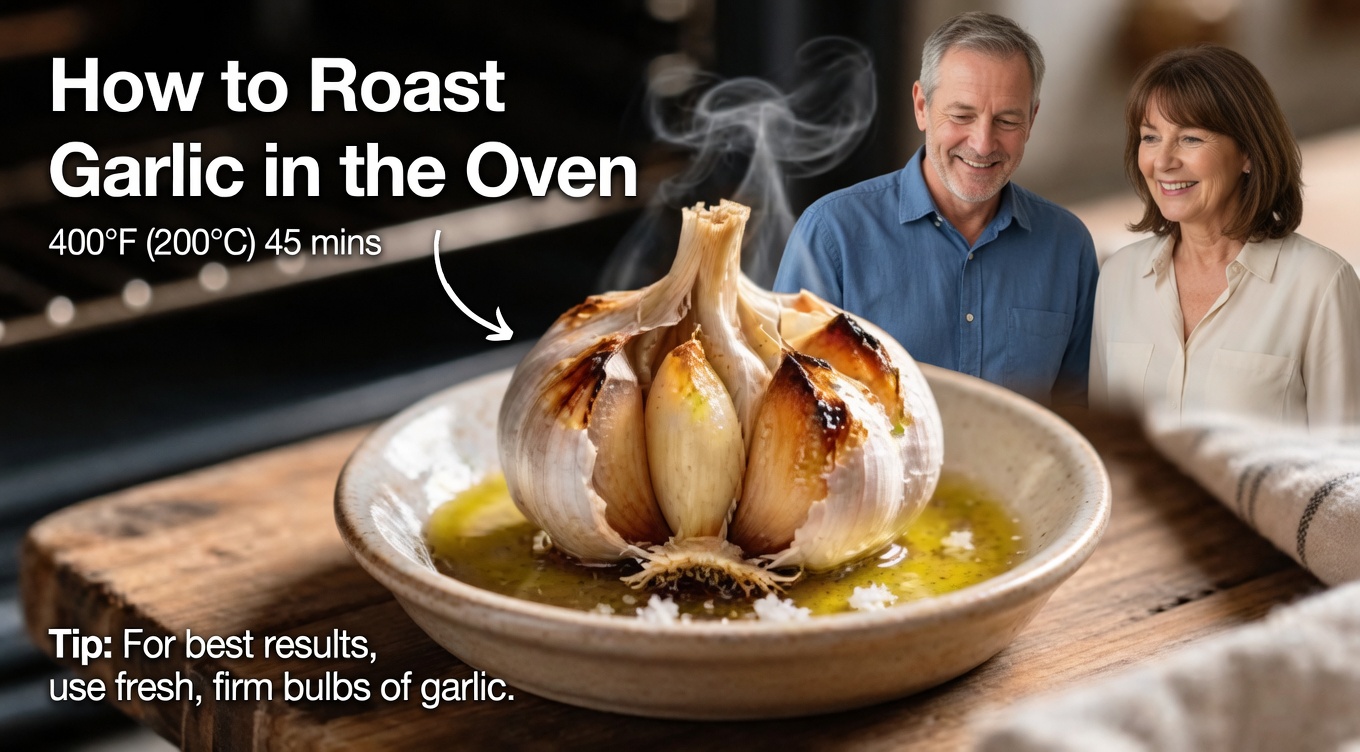
- Choose cooked garlic (roasted or sautéed), which is typically milder.
- Start with small amounts and track how you feel.
- Take garlic with meals rather than on an empty stomach.
Mistake #6: Taking High Doses (or Supplements) Without Considering Timing and Interactions
Large amounts of garlic—or concentrated supplements—may interact with medications and sometimes amplify effects on:
- Blood pressure (potentially lowering it too much)
- Blood sugar (especially in combination with diabetes medications)
- Blood clotting (raising bleeding concerns)
Safer approach
- Begin with a modest amount: 1–2 cloves per day as part of meals.
- Favor cooked preparations most of the time.
- Share your full routine (including supplements) with your clinician to check for interactions.
Quick “Mistake vs. Safer Choice” Reference
-
Mistake: Raw garlic on an empty stomach
Risk: Stomach burning and nausea
Safer choice: Mix crushed garlic into food after resting 10–15 minutes
Benefit: Less irritation -
Mistake: Using garlic with blood thinners without disclosure
Risk: Easier bruising or prolonged bleeding
Safer choice: Discuss intake with your provider
Benefit: Better safety planning -
Mistake: Applying raw garlic to skin
Risk: Burns and blisters
Safer choice: Avoid raw topical use or use properly diluted products
Benefit: Prevents skin damage
Warning Signs You Should Not Ignore
Stop using garlic and contact a healthcare professional if you notice:
- Severe stomach pain or ongoing heartburn
- Unusual bruising or bleeding that lasts longer than expected
- Rash, swelling, or any breathing changes
A Simple Safe Garlic Guide for Seniors
- Daily routine: Crush 1 clove, wait 10–15 minutes, and mix into meals (yogurt at breakfast or vegetables at dinner).
- Cooking method: Roasted or sautéed garlic is usually easier on digestion and still provides useful compounds.
- Self-check: Once a week, note changes in digestion, bruising, or reflux symptoms.
- Before procedures: Tell your dentist or doctor about high garlic intake and any supplements.
For many people, 1–2 cloves daily with food provides a practical balance of benefits and comfort.
Conclusion
Garlic can be a healthy, flavorful part of your diet—especially when used thoughtfully after age 50. The biggest problems tend to come from a few avoidable habits: taking raw garlic on an empty stomach, using high doses without medical guidance, or combining garlic with blood thinners without disclosure. Small adjustments—like eating it with meals, letting it rest after crushing, choosing cooked forms more often, and discussing your routine with your clinician—can significantly improve safety and comfort.
A simple starting point: add one crushed clove to your next meal and pay attention to how your body responds.
FAQ
Is cooked garlic safer than raw for older adults?
Yes. Cooked garlic is generally gentler on the digestive system while still retaining many beneficial properties.
How much garlic is usually safe per day?
For most people, 1–2 cloves daily in food is common and well tolerated. Higher intakes or supplements should be discussed with a healthcare provider.
Can garlic supplements replace fresh garlic?
It depends on the product. Some (like aged garlic extract) may be milder, but supplement strength varies widely—so it’s best to review options with your provider.
Medical disclaimer: This article is for informational purposes only and does not replace professional medical advice. Always consult your healthcare provider before changing your diet, especially if you have medical conditions, take medications, or are preparing for surgery.