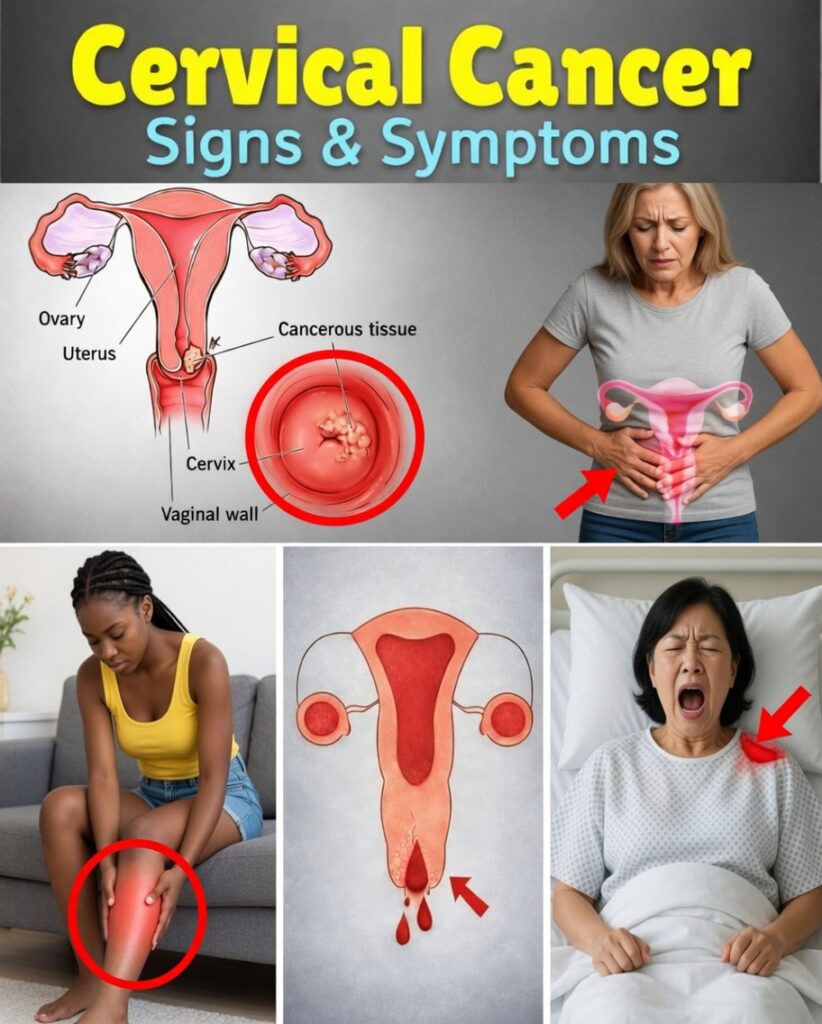
Subtle Body Changes in Your 40s and 50s: Could They Signal Cervical Cancer?
Many women in their 40s and 50s notice small shifts in how they feel—and quickly chalk them up to a hectic schedule, perimenopause, stress, or “just getting older.” A faint unusual odor, light spotting, or persistent low energy can seem insignificant at first, especially when life is already full.
Yet when these changes don’t go away or start forming a pattern, they deserve attention. Cervical cancer affects thousands of women each year and is often highly treatable when caught early. Organizations such as the American Cancer Society and Mayo Clinic emphasize that early cervical cancer may cause no symptoms at all, which is why it’s important to notice ongoing changes and discuss them with a healthcare professional.
In this guide, you’ll learn nine early warning signs women often overlook, based on medical guidance and real-world symptom patterns. The final section includes practical, routine-friendly steps that can strengthen your health habits.
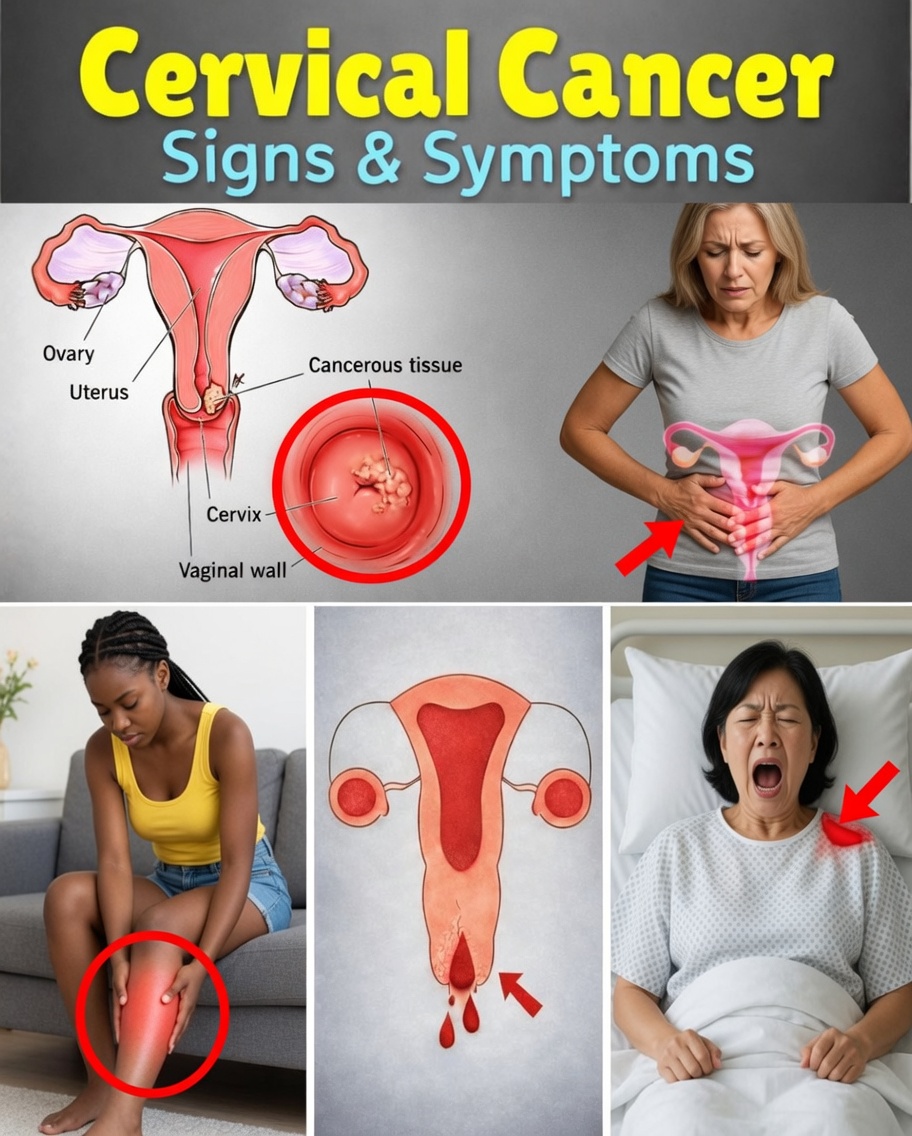
Why These Symptoms Are So Easy to Miss
Cervical cancer typically develops gradually, most often related to persistent HPV infection. Early cell changes in the cervix usually don’t create dramatic symptoms. The American Cancer Society reports roughly 13,000 new cervical cancer cases each year in the United States, and many are detected through routine screening rather than symptoms.
When warning signs do appear, they frequently overlap with common experiences such as hormone fluctuations, vaginal infections, or everyday fatigue. That overlap can create doubt: “Is this serious—or am I overthinking it?” The most important clue is often persistence. Noticing what repeats and what doesn’t can help you decide when to seek medical advice.
Sign 9: Vaginal Discharge That’s Unusual for You
One of the most commonly dismissed signals is a noticeable shift in vaginal discharge. It may become:
- More watery than usual
- Pink, brown, or blood-tinged
- Strong-smelling or foul-smelling in a way that feels unfamiliar
Many women assume it’s hormonal, temporary irritation, or a mild infection. Mayo Clinic resources note that unusual discharge, particularly when it is bloody or foul-smelling, can sometimes be associated with cervical cell changes.
If this change continues beyond 1–2 weeks or keeps returning, it’s worth bringing up with a clinician.
Sign 8: Pain or Discomfort During Sex
Sex should not suddenly become painful. A new sharp sting, deep ache, or heightened sensitivity is often blamed on dryness, stress, or age-related changes—so it gets tolerated rather than addressed.
Medical information from sources including the American Cancer Society lists pain during or after intercourse as a symptom that can occur when the cervix is irritated or inflamed.
If intimacy has become uncomfortable in a new or persistent way, consider it a reason to ask for medical guidance—not something you have to “push through.”
Sign 7: Bleeding Between Periods or Other Unexpected Bleeding
Spotting outside your usual cycle, heavier bleeding than normal, or periods that last longer than expected can disrupt daily life. It’s common to suspect stress, contraception, or perimenopause. However, recurring abnormal bleeding deserves attention.
The CDC highlights abnormal vaginal bleeding—including bleeding between periods or bleeding after menopause—as a key change to get checked.
A practical step: record the dates, duration, and intensity so your provider can see the pattern clearly.

Sign 6: Ongoing Pelvic Pressure or Pain
A low, dull pelvic ache can feel like strain from exercise, long workdays, or digestive discomfort. But when it becomes steady for weeks—or starts affecting sleep, movement, or comfort—it stands out.
Clinical references, including Mayo Clinic guidance, include persistent pelvic pain among symptoms that can be associated with cervical cancer, especially when it has no clear explanation.
Sign 5: Fatigue That Doesn’t Improve With Rest
Everyone gets tired. But if you feel drained despite sleeping, or exhaustion hits hard early in the day and doesn’t lift, it may be more than routine stress.
Cancer-related fatigue can be linked to the body’s immune response and ongoing inflammation. The National Cancer Institute discusses fatigue as a symptom that can appear across many conditions, including cancers.
If fatigue feels deep, persistent, and out of proportion to your schedule, it’s reasonable to investigate.
Sign 4: Unintended Weight Loss
Losing weight without trying can initially seem like a welcome change—until it comes with reduced appetite, clothes suddenly fitting loosely, or a general sense that your body is “off.”
Unintentional weight loss is a common red-flag symptom across many health issues. In some cases, it may relate to metabolic changes or reduced intake due to discomfort or illness.
If weight drops without lifestyle changes, it’s worth discussing with a healthcare professional.
Sign 3: Persistent Lower Back Pain
Lower back pain is extremely common and often linked to posture, activity, or prolonged sitting. Still, back pain that becomes chronic—especially if it radiates, worsens, or doesn’t respond to typical remedies—shouldn’t be ignored.
Some research discussions (including those connected to academic medical centers) mention back pain in relation to cervical cancer patterns, particularly when disease affects nearby tissues. Early stages more often involve local symptoms, but persistent pain deserves evaluation.
Sign 2: Swelling in the Legs or Ankles
Swollen feet or ankles at the end of the day can happen due to heat, long periods of standing, or travel. However, swelling that persists despite rest—or becomes frequent—may suggest circulation or lymphatic issues.
Leg swelling appears on symptom lists more often in later-stage discussions, but it remains a change worth noting, especially if it’s unexplained or worsening.
Sign 1: Changes in Urination (Frequency, Burning, Discomfort)
A constant urge to urinate, burning sensations, or discomfort can interrupt daily routines. Many women assume caffeine, dehydration, or a routine urinary infection. The difference is when symptoms don’t resolve or repeatedly return.
Cancer organizations and global health resources note that changes in urination can occur when cervical changes affect nearby structures, including the bladder.
One real-life pattern seen in clinics: a woman may tolerate frequent urges for months, only to find relief and clarity after a screening and medical evaluation. Early action often turns uncertainty into control.

Everyday Explanations vs. When to Pay Closer Attention
Many symptoms have harmless causes. What matters most is duration and repetition. Use this quick guide to help you decide when a symptom deserves follow-up:
-
Unusual discharge
- Common: hormones, infection
- Pay attention when: odor/color changes persist or discharge becomes bloody
-
Pain during sex
- Common: dryness, stress, menopause changes
- Pay attention when: pain is new, recurring, or worsening
-
Abnormal bleeding
- Common: stress, cycle shifts, contraception
- Pay attention when: bleeding happens between periods or after menopause
-
Pelvic pain
- Common: strain, digestive issues
- Pay attention when: pain is constant or unexplained
-
Fatigue
- Common: poor sleep, stress
- Pay attention when: exhaustion is persistent and unrelieved by rest
-
Weight loss
- Common: diet or activity changes
- Pay attention when: loss is unintentional and paired with appetite changes
-
Lower back pain
- Common: posture, overuse
- Pay attention when: pain persists or radiates
-
Leg/ankle swelling
- Common: heat, standing
- Pay attention when: swelling continues despite rest
-
Urinary changes
- Common: caffeine, mild infection
- Pay attention when: frequency/burning persists or keeps returning
Practical Steps You Can Take Now
These actions support awareness without jumping to conclusions:
-
Track symptoms for 2–4 weeks
Use a notes app or journal to record what’s happening, when it started, and what seems to trigger it. -
Keep up with screening
Ask your gynecologist about Pap tests and HPV tests, based on your age and medical history. -
Build supportive habits
Maintain a healthy weight, avoid smoking, and discuss HPV vaccination if it applies to you. -
Use community support wisely
Women’s health communities can help you feel less alone, but rely on medical advice for decisions. -
Know when to seek urgent care
Heavy bleeding, severe pain, or sudden worsening symptoms should be evaluated immediately.
Key Takeaways
Subtle body changes can be easy to dismiss—especially in midlife. But persistent symptoms such as unusual discharge, bleeding that isn’t typical for you, or pain during sex deserve attention. Early awareness can lead to more productive medical visits and greater peace of mind. And screening remains one of the most effective tools for catching cervical changes before symptoms escalate.
FAQ
What are the most common early signs of cervical cancer?
Frequently cited early signs include unusual vaginal bleeding, changes in vaginal discharge, and pain during intercourse, as reflected in guidance from sources such as the American Cancer Society and Mayo Clinic.