The Liver’s Hidden Workload—and Why Early Signals Are Easy to Miss
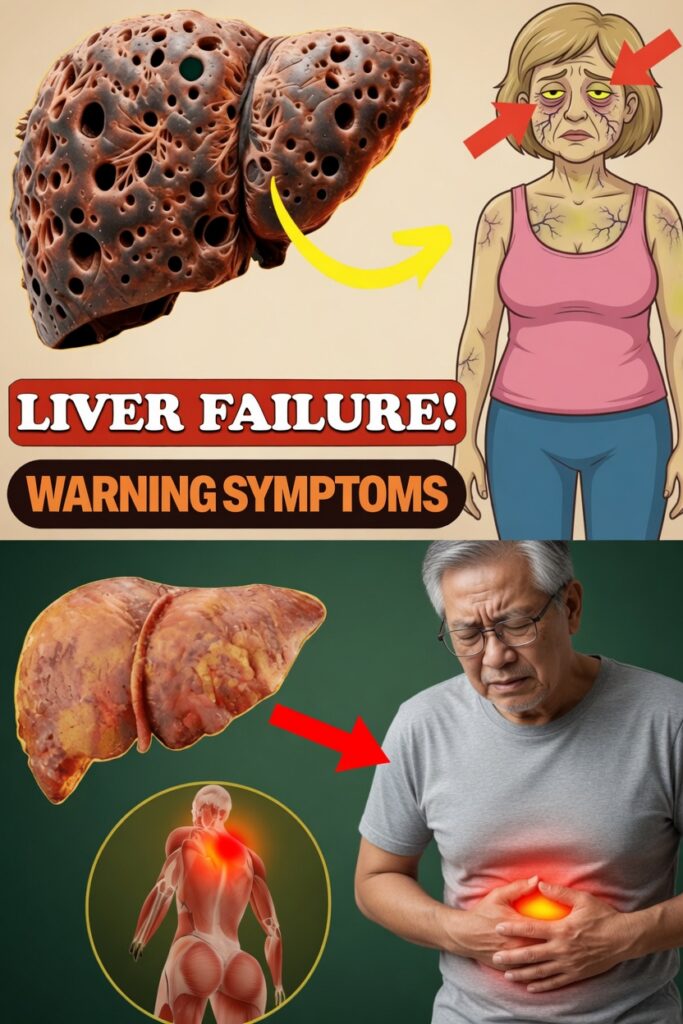
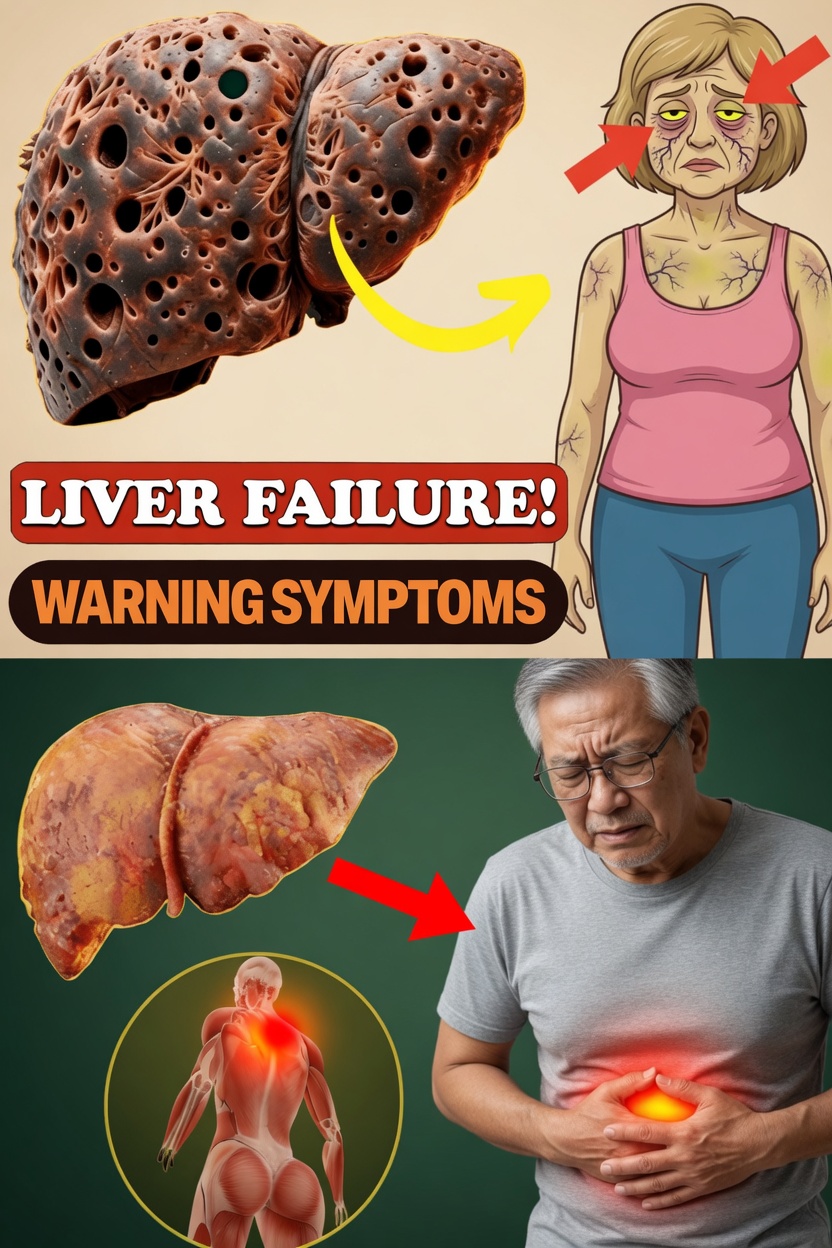
Your liver performs 500+ essential functions every day. It filters toxins, supports digestion, stores energy, helps regulate hormones, and plays a major role in metabolism. When the liver becomes stressed—often due to diet choices, lifestyle habits, alcohol, medications, or underlying medical conditions—the earliest symptoms are frequently subtle. Many people dismiss them as “normal aging,” busy schedules, or everyday stress.
Catching these mild changes early matters. With timely medical guidance and consistent lifestyle improvements, many liver-related concerns can improve significantly—especially in early stages.
What You’ll Learn in This Guide
In this article, you’ll find:
- 17 commonly overlooked signs of liver stress
- Clear, plain-language explanations for why they happen
- Practical steps you can start today to support liver health
- A simple daily habit that may help—plus one often-forgotten factor that makes an even bigger difference
Why the Liver Is Often Called a “Silent” Organ
The liver has no pain receptors, so damage can build without sharp or obvious pain. Medical sources such as the Mayo Clinic and Cleveland Clinic note that early liver issues often show up as vague, everyday symptoms—fatigue is one of the most common, but digestive changes, skin symptoms, and mood shifts may also appear.
To make this easier to recognize, the signs below are grouped into clear categories.
Early (and Often Ignored) Warning Signs
These symptoms frequently show up first—and are commonly brushed aside.
1) Persistent, Unexplained Fatigue
If you wake up tired, feel drained all day, and don’t bounce back even after rest, your liver may be under strain. When detoxification and nutrient processing become less efficient, the body may use more energy just to function normally.
2) Frequent Abdominal Bloating or Discomfort
A heavy, gassy, “too full” feeling after eating—especially after fatty meals—can relate to reduced bile flow or bile production. Bile helps your body digest fats, so changes here can cause ongoing digestive discomfort.
3) Appetite Changes or Unintentional Weight Shifts
A reduced desire to eat or unexplained weight gain/loss can reflect the liver’s role in metabolism and blood sugar regulation. When the liver is overloaded, normal hunger and energy signals may become inconsistent.
4) Ongoing Nausea Without an Obvious Cause
Lingering mild nausea (sometimes with occasional vomiting) can occur when waste products build up and affect the digestive system.
5) Joint or Muscle Aches With No Clear Trigger
Unexplained soreness, stiffness, or aches may be tied to inflammation that spreads beyond the liver when the body is under systemic stress.
6) Dark Urine (Amber, Tea-Colored, or Brown)
Consistently darker urine can indicate higher levels of bilirubin, a waste product the liver typically processes and clears.
7) Pale or Clay-Colored Stools
Light, chalky stools may signal that bile isn’t reaching the intestines adequately. Bile is what gives stool its typical brown color.
Skin, Mood, and Brain-Related Clues
Because the liver influences hormone balance, blood flow, and toxin removal, stress on the liver can show up on the skin and in mental or emotional well-being.
8) Intense Itching Without a Rash
Persistent itching—often worse at night—may occur when bile-related compounds build up and irritate the skin.
9) Easy Bruising or Longer Bleeding
If small bumps lead to large bruises, or minor cuts bleed longer than expected, it may reflect decreased production of clotting factors, which are made in the liver.
10) Spider-Like Blood Vessels (Spider Angiomas)
Small red, web-like marks—often on the face, chest, or arms—can be associated with changes in circulation and hormone processing.
11) Red or Blotchy Palms
Palms that look persistently flushed (sometimes called palmar erythema) may be linked to shifts in hormone regulation and blood vessel changes.
12) Brain Fog, Poor Focus, or Mild Confusion
Difficulty concentrating, forgetfulness, or feeling mentally “off” can occur if toxins are not cleared efficiently. In more advanced cases, toxin buildup affecting the brain is known as hepatic encephalopathy.
13) Mood Changes or Increased Irritability
Anxiety, irritability, or emotional swings can be connected to how liver health influences inflammation, sleep quality, and neurotransmitter balance.
14) Sleep Disruption
Trouble falling asleep at night—paired with daytime sleepiness—may relate to altered sleep-wake rhythms influenced by toxin clearance and overall metabolic stress.
More Advanced Signs That Need Prompt Medical Attention
These symptoms can indicate more significant liver strain and should be evaluated quickly.
15) Swelling in the Legs, Ankles, or Abdomen
Fluid retention (edema) or abdominal fluid buildup (ascites) may happen when the liver struggles to regulate protein production and fluid balance.
16) Yellowing of the Skin or Eyes (Jaundice)
A yellow tint—especially noticeable in the whites of the eyes—typically signals elevated bilirubin and requires medical assessment.
17) Rapid or Severe Abdominal Swelling
Fast-growing abdominal distension can suggest significant fluid accumulation and needs urgent professional evaluation.
Practical Steps to Support Liver Health Starting Today
You don’t need extreme cleanses or drastic plans. Consistent, evidence-aligned habits can make a meaningful difference:
- Choose a liver-friendly diet: Emphasize whole foods like leafy greens, colorful vegetables, lean proteins, and healthy fats (nuts, seeds, avocado). Reduce ultra-processed foods, excess added sugar, and frequent fried meals.
- Stay well-hydrated: Many people benefit from aiming around 8 glasses of water daily, adjusted for body size, activity, and climate.
- Move regularly: Even 30 minutes of walking most days supports circulation and improves fat metabolism.
- Maintain a healthy weight: If you need to lose weight, gradual progress can help reduce fat buildup in the liver.
- Limit alcohol and avoid unnecessary toxins: Keep alcohol moderate (or none), and use over-the-counter medications carefully, following labels and clinician guidance.
- Schedule routine check-ups: Standard blood tests (including liver enzymes) can detect early problems before symptoms escalate.
Bonus Habit: Warm Lemon Water in the Morning
A simple option some people find helpful is fresh lemon in warm (not hot) water. It can gently support hydration and digestion without relying on harsh detox trends.
The Bigger “Game-Changer” Many People Overlook
Consistent, high-quality sleep. Much of the body’s repair and metabolic regulation happens overnight, and liver recovery processes are closely tied to healthy sleep patterns.
Frequently Asked Questions
What is the first sign of liver problems?
Often persistent fatigue or mild, recurring digestive discomfort. Because these symptoms are non-specific, it helps to track patterns over several weeks.
Can liver issues improve on their own?
In early stages (such as fatty liver), lifestyle changes can lead to improvement and sometimes reversal. More advanced liver disease requires medical monitoring and treatment.
When should I see a doctor?
If symptoms persist for more than a few weeks, or if you notice jaundice, swelling, or confusion, seek medical evaluation promptly. Your clinician may recommend blood work or imaging such as an ultrasound.
Disclaimer
This article is for informational purposes only and does not replace professional medical advice. If you have symptoms that could suggest liver stress or disease, consult a qualified healthcare provider for diagnosis and personalized guidance. Early evaluation and timely care are key to protecting liver health.