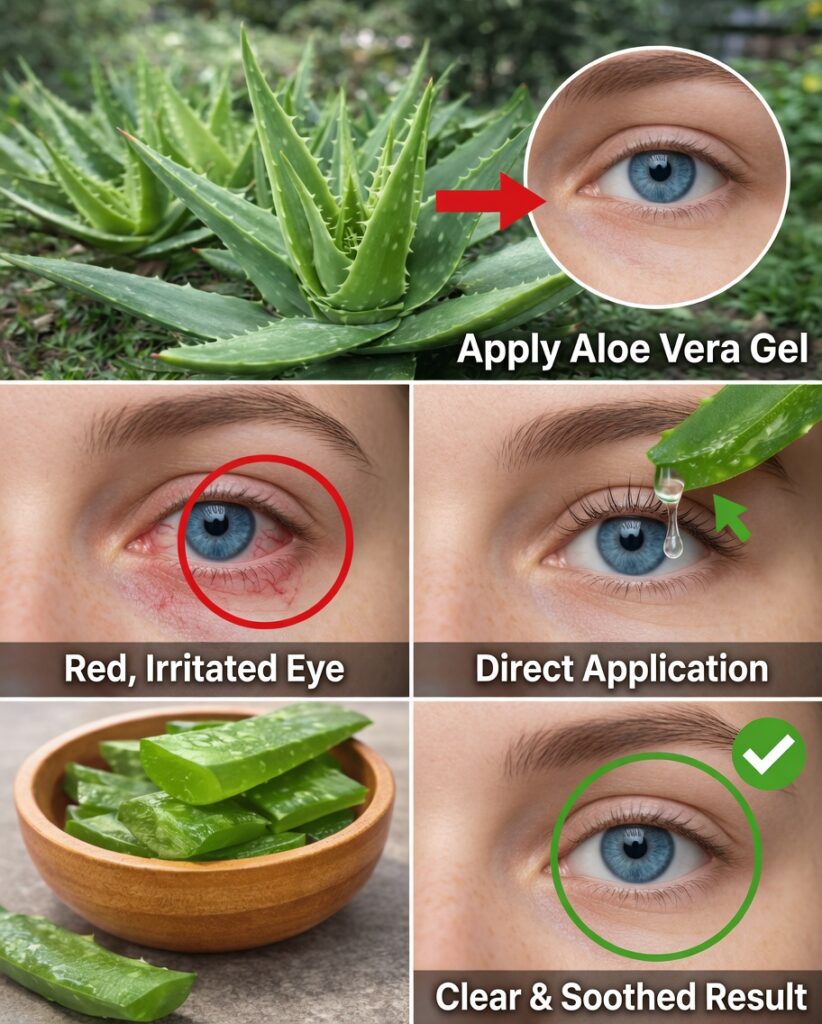
Dry, Irritated Eyes After Screens or Wind? Aloe Vera May Offer Gentle, External Relief
After hours of screen time or a day spent in dry, windy air, it’s common for eyes to feel scratchy, look red, and become uncomfortable. Dry eye symptoms affect millions of people—especially adults over 45—making everyday tasks like reading, driving, or working at a computer feel unusually draining. Aging, low-humidity environments, and prolonged device use are frequent contributors to this everyday problem.
While many people rely on artificial tears for quick lubrication, interest is growing in mild, plant-based options that can support comfort around the sensitive eye area.
What if a familiar houseplant could provide a cooling, hydrating boost worth exploring? Aloe vera—best known for its soothing gel—has been studied for calming, moisture-supporting effects on tissues and skin. Below is a practical, science-informed look at how aloe vera may fit into an eye-area comfort routine (with key safety boundaries).
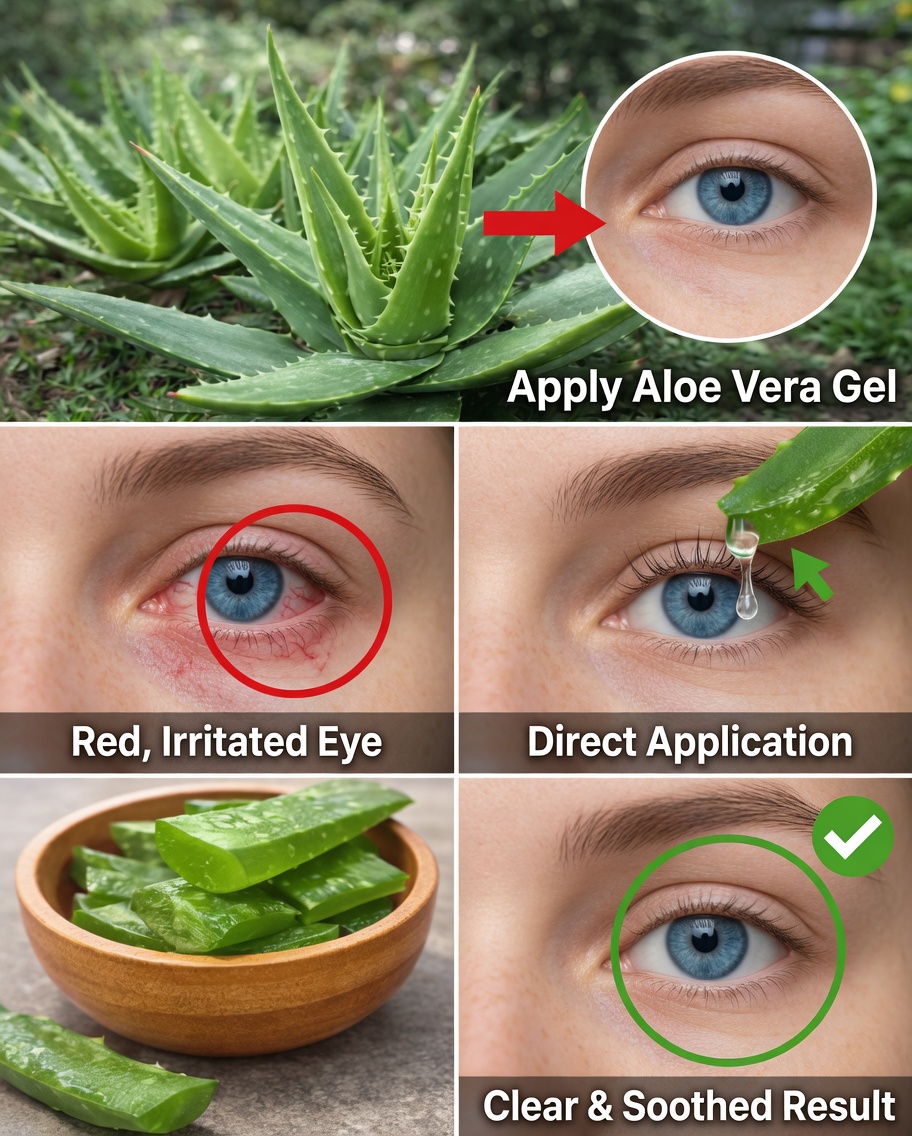
The Daily Reality of Dry and Irritated Eyes
Dry eye symptoms affect more than 16 million adults in the United States, and the numbers continue to climb as screen use and indoor lifestyles increase. By late afternoon or evening, many people notice:
- Burning or stinging sensations
- Redness and irritation
- A “gritty” or foreign-body feeling
- Light sensitivity
- Crusty lids in the morning that make starting the day harder
These symptoms aren’t just a minor annoyance. They can interfere with work performance, enjoyment of hobbies, and even simple routines like watching TV or going for a walk. Although many people assume this discomfort is an unavoidable part of getting older, supportive strategies—when used safely—can improve day-to-day comfort.
Why Standard Dry Eye Solutions Don’t Always Feel Like Enough
Artificial tears can be helpful, but the relief often fades quickly, leading to frequent reapplication. Over time, certain formulations—especially those with preservatives—may be irritating for people with sensitive eyes.
In addition, lubricating drops may not fully address factors that commonly worsen symptoms, such as environmental exposure (wind, dust, pollen), dryness in the surrounding eyelid skin, or mild inflammatory irritation. That’s one reason some individuals look for complementary, external approaches rather than relying on drops alone.
Why Aloe Vera Is Often Considered for Eye-Area Comfort
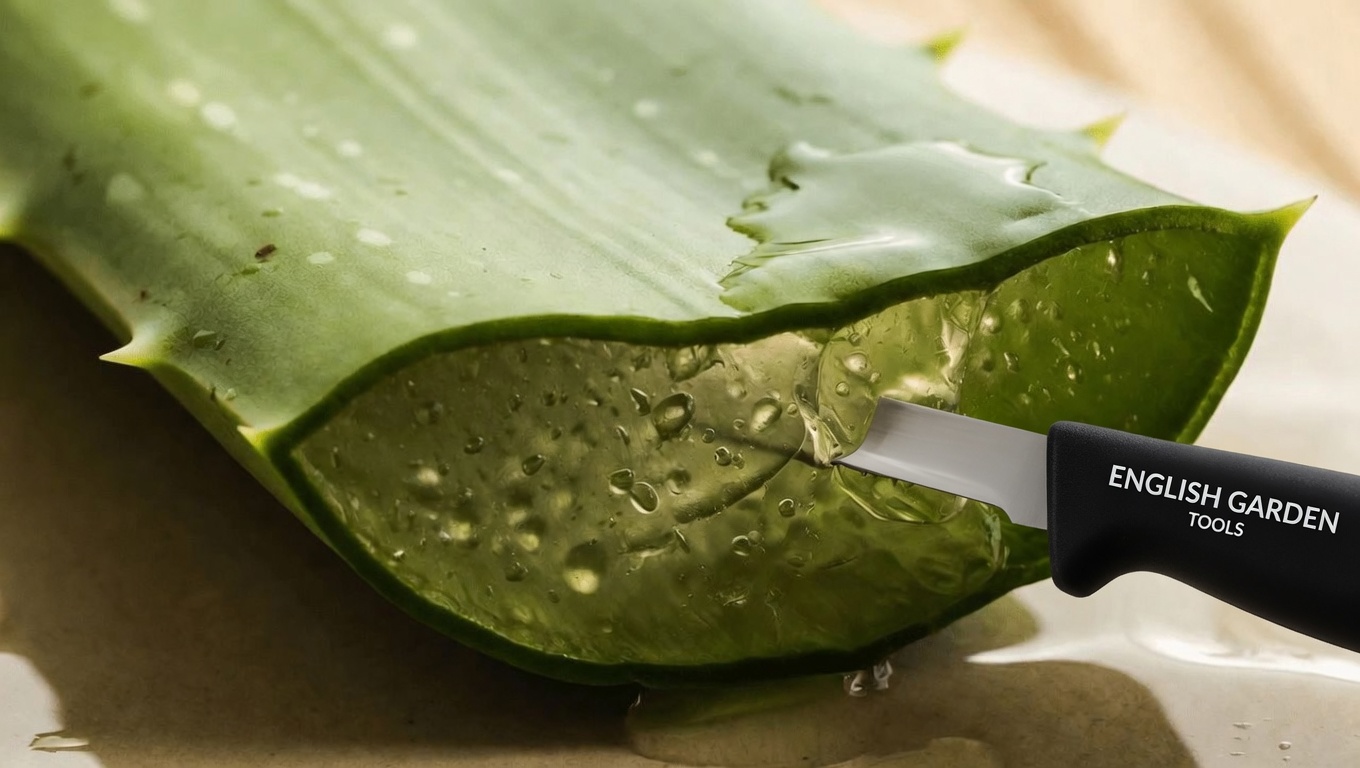
Aloe vera gel (the clear inner gel from the leaf) contains a mix of water, polysaccharides, enzymes, vitamins, and other compounds associated with hydration and soothing effects. Fresh aloe gel also feels naturally cool and slippery, which is why it’s widely used for skin comfort.
Early research—including laboratory and cell-based studies—suggests aloe vera may support moisture retention and help calm inflammatory responses in certain tissues. While that doesn’t mean raw aloe should be used in the eye, it helps explain why aloe is frequently discussed for external comfort around the eyelids and under-eye area.
9 Ways Aloe Vera May Help Support Comfort Around the Eyes (External Use)
Based on available research insights and common user experiences, aloe vera’s properties may offer several forms of support for the eye area:
-
Moisturizing support for eyelid and under-eye skin
Aloe’s high water content can act like a natural humectant, helping the skin around the eyes feel less dry. -
A fast cooling sensation for tired eyes
Many people notice a refreshing effect that feels especially soothing after screens or exposure to wind. -
May help calm the look of external redness
Aloe contains compounds associated with anti-inflammatory activity, which may reduce the appearance of irritation on surrounding skin. -
Light comfort barrier against environmental stressors
When applied to skin, aloe can leave a thin layer that may feel protective in dusty or pollen-heavy settings. -
Soothing support for minor puffiness
Aloe’s polysaccharides are often linked to skin-calming and may help the area look less swollen. -
Quick calming effects observed in lab settings
Some cell research suggests aloe-derived compounds may act rapidly on inflammatory pathways. -
May improve the “freshness” feeling through moisture retention
Its humectant-like behavior can help the area stay comfortably hydrated. -
May help skin respond more calmly to everyday irritants
Aloe compounds may influence mild irritation responses, supporting comfort. -
A simple, plant-based addition to a broader comfort routine
Many people like aloe because it combines hydration, cooling, and soothing in one product—when used appropriately.
Aloe Vera vs. Artificial Tears: A Simple Comparison
Aloe vera and standard eye drops are not the same tool. They serve different purposes and are applied in different places.
-
Aloe vera gel (external use)
- Primary use: hydration and soothing for skin around the eyes
- Typical application: closed eyelids, under-eye area, compresses
- Not intended: direct use inside the eye at home
-
Artificial tears (eye drops)
- Primary use: lubrication inside the eye
- Typical application: instilled directly into the eye
- Consideration: some products contain preservatives that may irritate frequent users
Choosing the right option depends on whether the discomfort is mainly internal dryness (better addressed by drops) or external irritation and dryness around the eyelids (where aloe may be considered as a complementary approach).
Real-World Examples: How People Use Aloe for the Eye Area
Some people incorporate aloe into their routine specifically for external comfort:
-
Patricia, 64 (teacher): Classroom dust contributed to daily redness and stinging. With careful, external application of pure aloe gel to closed lids, she noticed a gradual cooling effect and less day-to-day irritation, making it easier to stay focused at work.
-
George, 71 (gardener): Wind exposure left his eyes feeling dry and strained, leading to frequent rubbing. Adding an external aloe routine helped him feel fewer flare-ups around the lids, allowing longer time outdoors with less discomfort.
Individual results vary widely, and these examples are not guarantees—just illustrations of how aloe is commonly used externally.

Safety First: Common Concerns About Aloe Near the Eyes
The most important rule: do not place raw aloe gel directly into the eye. Even “natural” substances can sting, irritate, or introduce contamination if used improperly.
Other key safety points:
- Purity matters. Added alcohols, fragrances, or dyes can irritate delicate skin.
- Allergies can happen. Even with plant-based products, sensitivity is possible.
- Patch testing is essential. Test on the inner arm first before using near the face.
- Be extra cautious with plant sensitivities. If you react to related plants or have a history of contact dermatitis, consult a clinician before trying aloe near the eye area.
How to Use Aloe Vera Safely for Eye-Area Comfort (External Only)
If you want to explore aloe for comfort around the eyes, keep the approach gentle and external:
-
Choose a simple product:
- Look for 100% aloe vera gel or a minimal-ingredient gel
- Avoid added colors, fragrance, or alcohol
-
Apply sparingly:
- Use clean hands or a clean cotton pad
- Apply a thin layer to clean, closed eyelids or under-eye skin
- Keep it out of the lash line to reduce the chance of migration into the eye
-
Try a soothing compress (external):
- Mix a small amount of aloe gel with cooled, previously boiled water
- Soak clean pads
- Rest over closed eyes for 10–15 minutes
-
Consider ophthalmologist-tested products if available
Products designed for use around the eyes may offer better safety controls than improvised home mixtures.
Practical Guidelines to Reduce Risk
- Never apply aloe inside the eye.
- Do not use on broken skin or open irritation.
- Stop immediately if itching, increased redness, swelling, or burning occurs.
- Support your routine with evidence-based habits:
- The 20-20-20 rule (every 20 minutes, look 20 feet away for 20 seconds)
- Adequate hydration
- A humidifier in dry indoor spaces
- Ask an eye doctor first if you wear contact lenses or have existing eye conditions.
Many people limit use to short-term periods and apply once or twice daily as needed, while monitoring closely for any reaction.
Why This Plant-Based Option Is Worth Considering
Aloe vera’s mix of hydration support and soothing compounds makes it an appealing, gentle option for external eye-area comfort, especially for people dealing with dryness from screens or harsh weather. For many, it’s easy to add to a nightly routine and feels immediately refreshing.
If dry eye symptoms are persistent, worsening, or affecting daily life, an eye care professional can help identify underlying causes and recommend the safest plan—whether that includes aloe around the eyelids or other targeted treatments.
Fun note: Aloe’s “instant cooling” sensation is partly linked to natural evaporation—an easy, nature-driven refresh.
Frequently Asked Questions
Can I use fresh aloe vera gel around my eyes?
Yes—externally on closed eyelids or the under-eye area, as long as it’s pure and you patch test first. Never place fresh gel inside the eye.
Is aloe vera the same as using regular eye drops for dryness?
No. Aloe is typically used for external soothing, while eye drops are formulated for internal lubrication. Some research explores aloe in specialized formulations, but at-home use should stay external.
Is aloe vera safe for sensitive skin near the eyes?
Often, small amounts are tolerated externally, but sensitivity is possible. Patch test first and consult a clinician if you have allergies, chronic skin conditions, or ongoing eye issues.
This article is for informational purposes only and does not replace professional medical advice. For personalized guidance, consult your healthcare provider or eye doctor.