Many people struggle with the everyday nuisance of unwanted body hair. Shaving can leave irritation, razor bumps, and fast regrowth that often looks thicker. Waxing may deliver longer-lasting smoothness, but it can be painful and cause redness. Depilatory creams work quickly, yet the odor and potential for allergic reactions or chemical burns make them a poor fit for some skin types.
These common downsides are exactly why so many people start looking for gentler, low-cost, at-home hair removal alternatives—especially ones made from items already in the house.
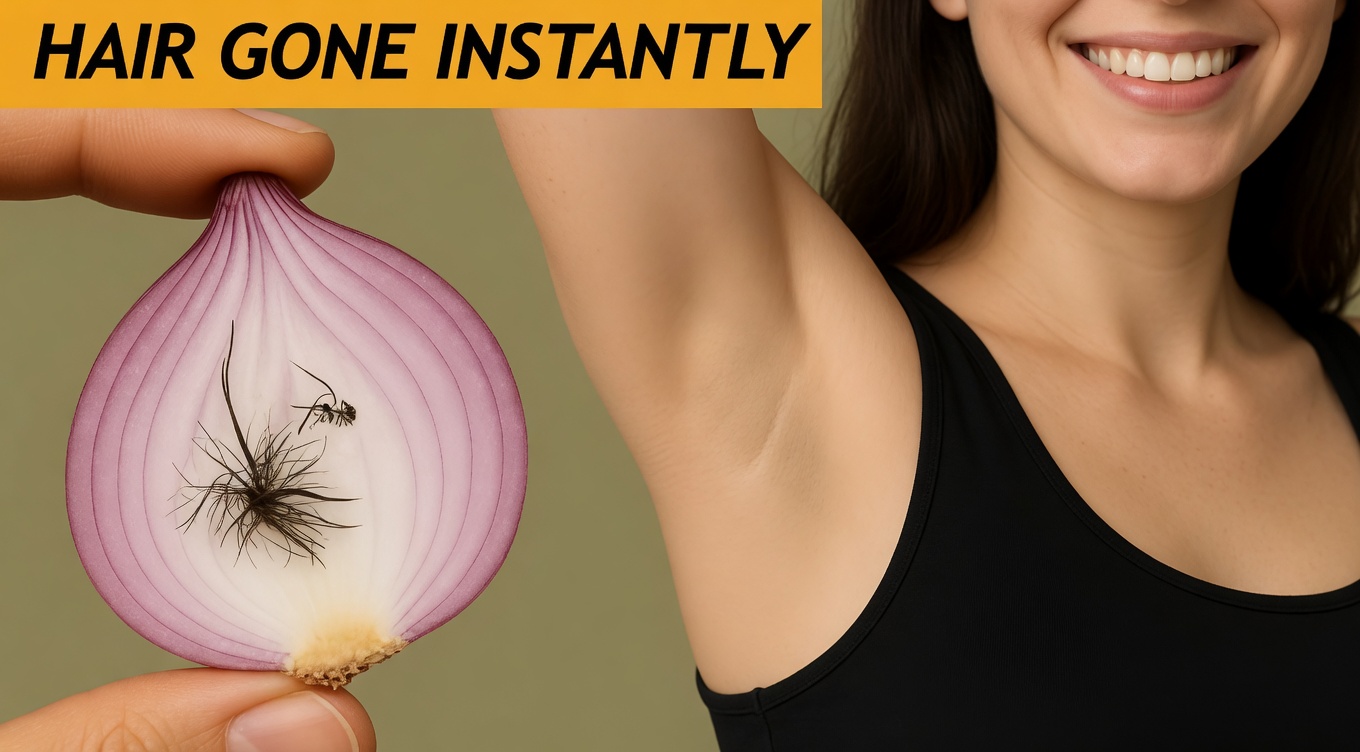
Onion and Toothpaste for Hair Removal: Why This DIY Trend Went Viral
A surprising idea circulating in natural beauty spaces is using onion plus toothpaste as a simple paste. The appeal is obvious: it’s inexpensive, easy to make, and feels like a “natural” experiment compared to harsh products.
To be clear, this method does not replace professional hair removal and it’s not backed by strong clinical evidence for permanent results. Still, it’s worth examining why people are trying it and what you can realistically expect.
Why Standard Hair Removal Methods Often Disappoint
Even the most popular options come with trade-offs:
- Shaving is quick, but it can cause nicks, dryness, ingrown hairs, and frequent stubble.
- Waxing removes hair from the root, but many people experience inflammation, bumps, and discomfort—especially in sensitive areas.
- Chemical depilatories dissolve hair proteins, which can lead to irritation if left on too long or used without patch testing.
For adults over 40, these issues can feel more pronounced because skin may become thinner and less tolerant of aggressive treatments. As a result, “milder” routines and skin-friendly hair removal hacks have become more popular online.
What People Find Appealing About the Onion + Toothpaste Paste
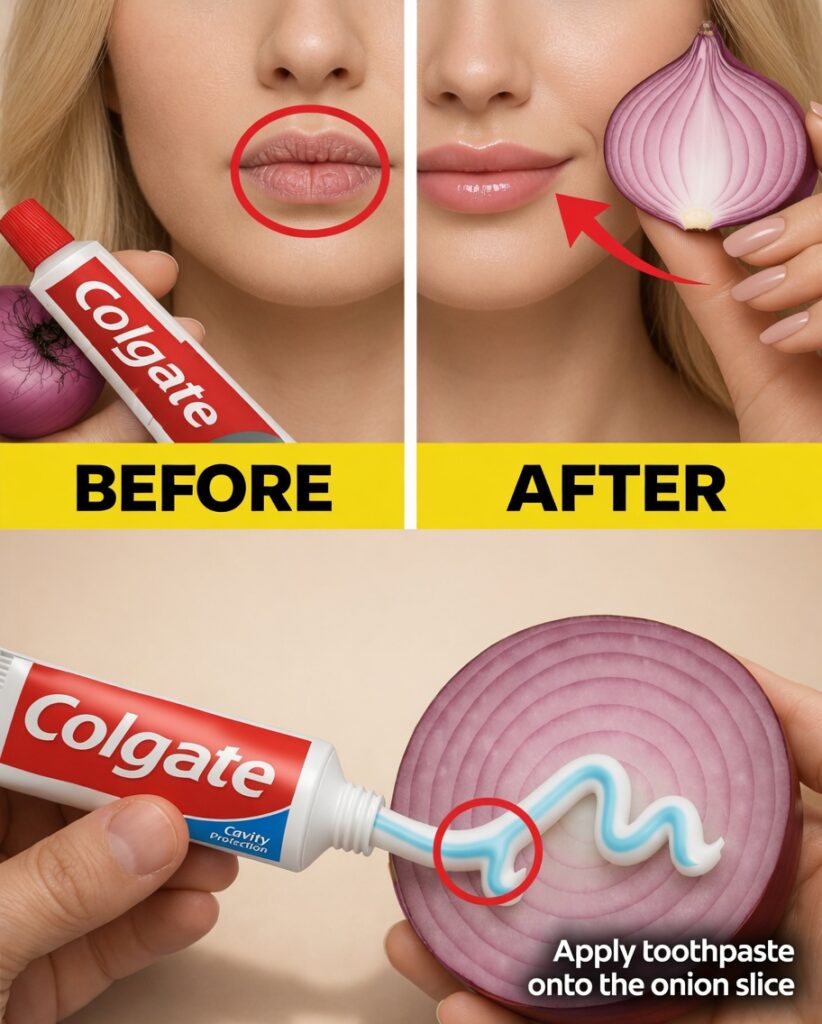
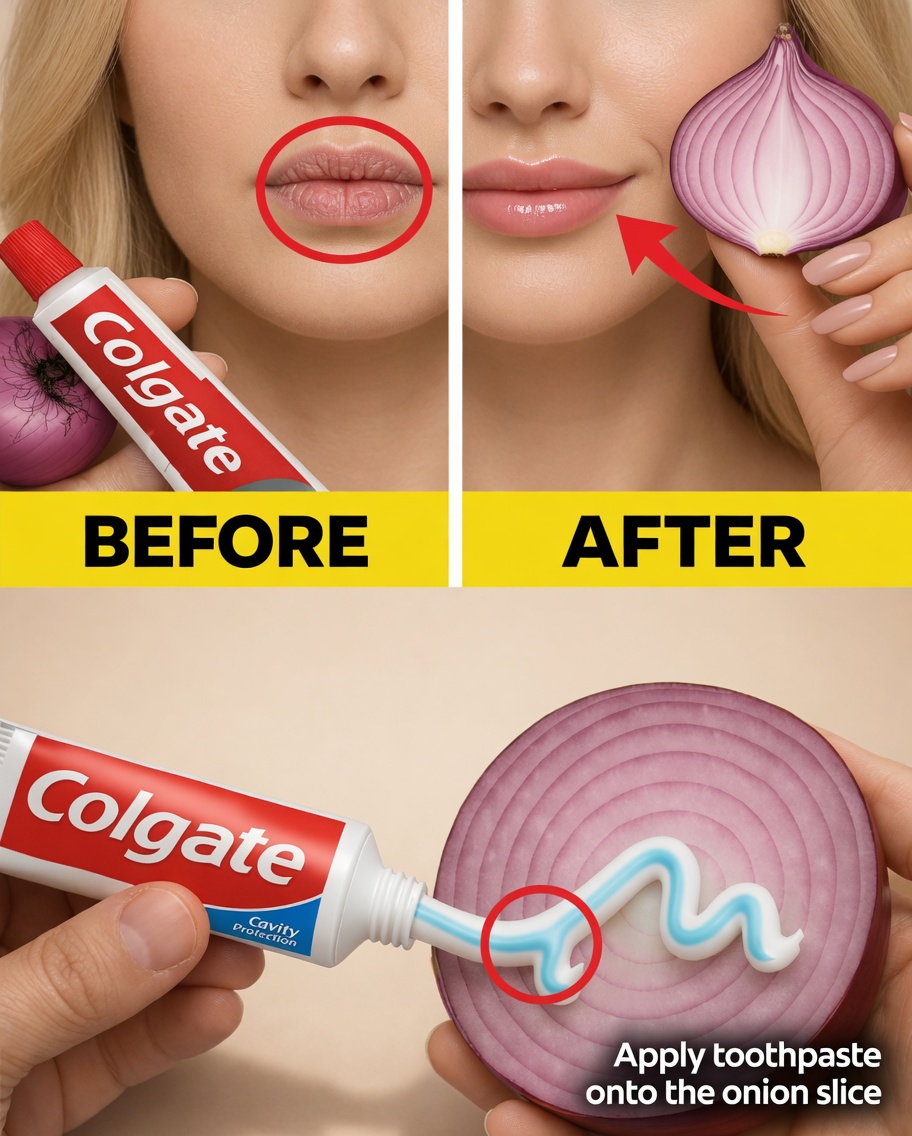
This DIY method typically involves onion juice (or finely grated onion) mixed with plain white toothpaste to create a spreadable paste.
Supporters claim the mixture:
- feels cooling on the skin,
- offers light exfoliation,
- and may help the skin feel smoother after rinsing.
Onions contain naturally occurring compounds (including sulfur compounds and antioxidants such as quercetin) that have been studied in other skin-related contexts. Toothpaste often contains mild abrasives and sometimes menthol, creating a fresh sensation.
Why it attracts attention:
- Low-cost and accessible: usually made from pantry or bathroom staples
- Easy to try at home: no devices, no appointments
- Sensory “clean” feeling: minty toothpaste can reduce the sharp onion smell for some people
That said, outcomes are inconsistent, and the science on this specific combination is limited.
Quick Comparison: Shaving vs. Waxing vs. Onion-Toothpaste DIY
Here’s where the hack roughly sits among common methods:
-
Pain level
- Shaving: low to medium (cuts/razor burn possible)
- Waxing: high for many
- Onion + toothpaste: often low, but stinging is possible
-
Cost
- Shaving: moderate ongoing cost (blades/cream)
- Waxing: higher (salon or kits)
- Onion + toothpaste: very low
-
How long results last
- Shaving: 1–3 days
- Waxing: roughly 2–4 weeks
- DIY paste: varies; usually short-term cosmetic smoothness rather than true removal
-
Skin impact
- Shaving: dryness, irritation, bumps
- Waxing: redness, inflammation, ingrowns
- DIY paste: potential mild exfoliation, but irritation risk exists
No approach works perfectly for everyone, which is why experimentation (done safely) is so common.
Reported Benefits (Keeping Expectations Realistic)
In forums and comment sections, some users say they notice:
- smoother-feeling skin after rinsing the paste off,
- a “polished” look from gentle rubbing/exfoliation,
- temporary cooling from menthol.
A few anecdotal reports claim hair seems finer or less noticeable after using it consistently (often 2–3 times per week for several weeks). However, these are personal experiences—not established medical outcomes.
What this method is more likely to provide is skin-softening through exfoliation, not dramatic hair reduction.
What Science Actually Suggests About Onion and Toothpaste
Onion
Onion contains sulfur compounds and antioxidants such as quercetin. Some small studies have explored onion juice for scalp hair regrowth in conditions like alopecia areata, with mixed but sometimes promising observations.
However, that is a completely different goal than hair removal. For reducing body hair growth, evidence remains largely anecdotal.
Toothpaste
Toothpaste is designed for teeth and gums—not for regular skin application. It may include:
- mild abrasives (can exfoliate),
- menthol (cooling),
- and sometimes peroxide-like ingredients (which may be drying or irritating).
Health-focused sources commonly emphasize that there is no strong evidence toothpaste removes hair, and it may cause dryness or irritation depending on the formula and your skin sensitivity.
Overall, any smoothness is most plausibly explained by mechanical rubbing + light exfoliation, not follicle damage or permanent changes.
Real-World Stories Shared Online (Anecdotal Only)
Some individuals report modest improvements such as reduced “stubble feel” on legs after several weeks, while still shaving occasionally. Others mention the paste mainly for the cooling sensation when applied to areas like the arms.
These experiences vary widely, and results depend heavily on factors like hair thickness, skin sensitivity, and how often the method is used.
How to Try Onion and Toothpaste Safely (If You Choose To)
If you’re curious, treat this as a cautious skin experiment—not a guaranteed hair removal solution.
Step-by-step instructions
-
What you need
- 1 medium onion (fresh)
- Plain white toothpaste (non-gel is commonly recommended)
-
Make the paste
- Grate the onion and squeeze out 1–2 tablespoons of juice
- Mix with about 1 tablespoon toothpaste until smooth
-
Patch test first (non-negotiable)
- Apply a small amount to the inner arm
- Wait 24 hours to check for itching, redness, or burning
-
Apply
- Spread a thin layer on clean, dry skin
- Avoid eyes, broken skin, and highly sensitive areas (such as the bikini line)
-
Leave on briefly
- Start with 15–20 minutes
- Do not exceed 30 minutes if you’re new to it
-
Remove
- Rinse with warm water
- You may rub gently in circles to exfoliate
- Pat dry and apply moisturizer
-
How often
- Limit to 2–3 times per week
- Stop immediately if irritation develops
Safety reminders
- Consider gloves during prep to reduce lingering onion smell on hands
- If you feel burning or stinging, wash it off right away
- Moisturize after use to reduce dryness
- If you have eczema, very sensitive skin, or chronic irritation, consult a dermatologist before trying
FAQs
-
Does onion and toothpaste remove hair permanently?
No. There is no reliable scientific evidence that this mixture permanently removes hair or stops follicles from producing hair. -
Can it irritate skin?
Yes. Onion may sting, and toothpaste can be drying. Patch testing is essential, and you should discontinue use if you notice redness, itching, or discomfort. -
How long before results show?
Some people report smoother skin texture after a few weeks of consistent use, but results are unpredictable and typically do not match professional treatments.
Final Takeaway: Is It Worth Trying?
The onion-and-toothpaste method stands out because it’s simple, inexpensive, and easy to test at home. While it’s unlikely to deliver dramatic hair reduction, it may offer temporary smoothness for some people through gentle exfoliation—if used carefully.
This article is for informational purposes only and does not replace medical advice. For personalized guidance on skin care or hair management, consult a qualified healthcare provider or dermatologist.