
Millions of people deal with daily blood sugar swings that can trigger fatigue, brain fog, and post-meal frustration. When glucose rises and falls unpredictably, staying energized can feel like a guessing game—especially for those trying to manage prediabetes or diabetes primarily through food choices. It’s no surprise that “easy, natural” solutions go viral. Still, one everyday ingredient keeps showing up in the conversation: the vibrant red onion. The important takeaway isn’t a miracle promise—it’s learning what red onion can realistically do (and what it can’t) when used consistently.

Why Blood Sugar Balance Is Harder Than It Seems
Blood sugar regulation is a major health challenge: more than 38 million Americans live with diabetes, and many more are affected by prediabetes. Glucose spikes often follow high-carb meals, stress, poor sleep, or inconsistent physical activity. Meanwhile, dips can reduce focus, affect mood, and make cravings harder to manage.
Over time, this rollercoaster can leave people feeling like “stable energy” is out of reach. Because diet strongly shapes glucose responses, research continues to explore which foods may help support steadier levels. That’s where red onions—popular online and widely available—enter the discussion.
The Viral Question: Can Red Onion Lower Blood Sugar Instantly?
Across social media, you’ll find bold claims about red onion “hacks,” such as soaking slices in vinegar or drinking “onion water” for dramatic overnight improvements. The appeal is obvious: it’s cheap, simple, and easy to try.
Science, however, points to a more measured conclusion. Red onions contain bioactive compounds—especially quercetin (a flavonoid antioxidant) and sulfur-containing compounds—that may support glucose metabolism over time. In preliminary human research, eating roughly 100 g of raw red onion has been associated with modest reductions in fasting blood glucose after several hours in some people with type 2 diabetes.
Laboratory and animal studies suggest possible explanations, including:
- Improved insulin sensitivity
- Reduced oxidative stress and inflammation
- Slower carbohydrate absorption and digestion
What’s missing is strong evidence that a single serving or one trendy recipe produces large, immediate drops. When benefits show up, they are typically gradual, modest, and most meaningful when red onions are part of an overall balanced eating pattern—not a standalone “quick fix.”
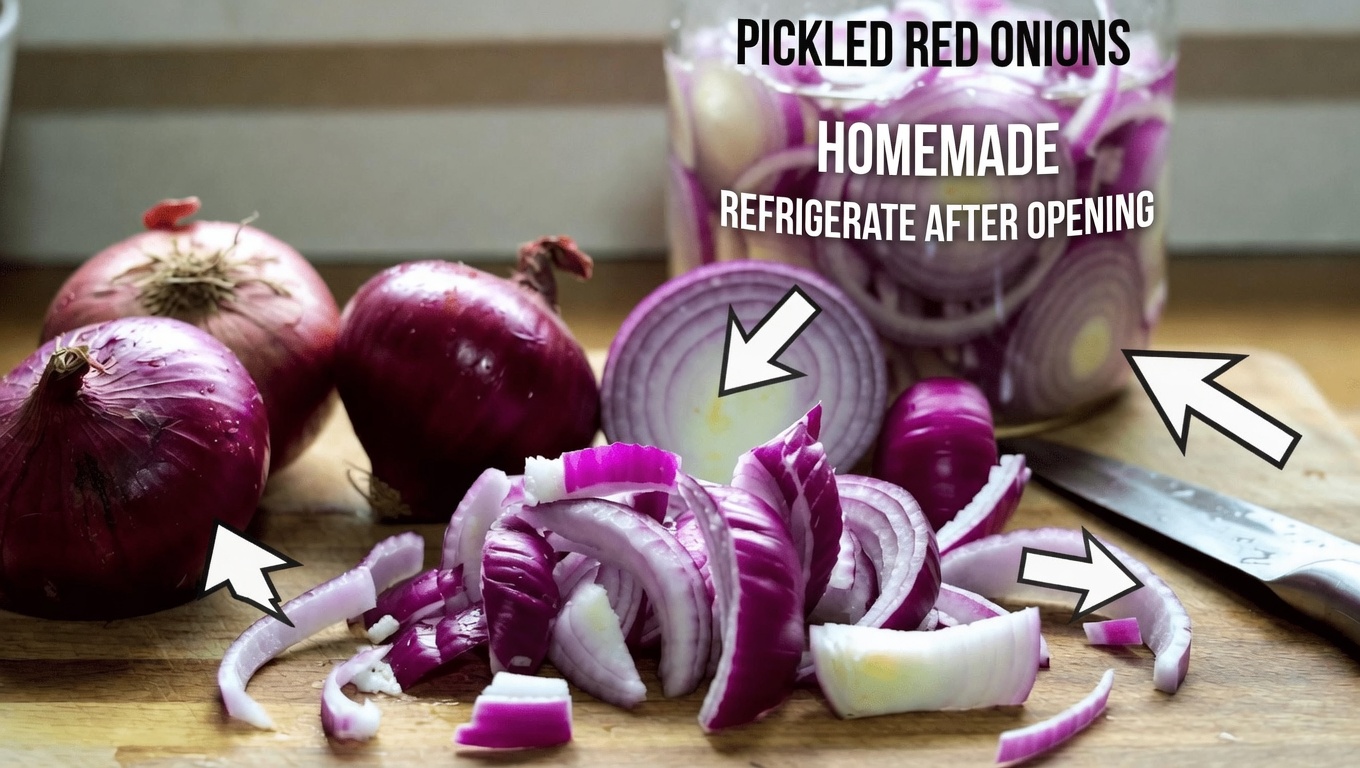
9 Research-Backed Ways Red Onions May Support Wellness
Red onions offer more than flavor. Below are potential benefits supported to varying degrees by research. These are supportive effects, not cures—and results can differ from person to person.
#9: Soluble Fiber That Supports Smoother Digestion
Red onions contain soluble fiber, which can slow digestion and may help reduce the size of post-meal glucose surges when eaten with balanced meals.
#8: Low Glycemic Impact
Onions are naturally low on the glycemic index, meaning they’re unlikely to cause sharp spikes on their own. Used as an ingredient, they can contribute to steadier meals.
#7: Quercetin for Antioxidant and Metabolic Support
Red onions—especially the outer layers and skins—are rich in quercetin. This compound is widely studied for its potential role in:
- Reducing inflammation
- Supporting insulin sensitivity (shown in lab/animal research)
Human studies using quercetin supplements suggest small improvements in fasting glucose, though effects vary.
#6: Sulfur Compounds with Early Evidence
Sulfur compounds such as allyl propyl disulfide have shown insulin-like activity in early-stage research. The evidence is still emerging, but the mechanism is biologically plausible.
#5: Potential Links to Healthier Cholesterol Markers
Some animal studies associate onion intake with improved lipid profiles alongside glucose-related changes—suggesting possible cardiometabolic support beyond sugar control.
#4: Antioxidant Defense Against Oxidative Stress
Oxidative stress tends to be higher in metabolic conditions involving blood sugar dysregulation. Red onions provide multiple antioxidant compounds that may help support the body’s defenses.
#3: A Simple Way to Make Healthy Meals More Enjoyable
Red onions add sharpness, crunch, and color. Making healthy dishes taste better can improve consistency—often the most overlooked factor in long-term results.
#2: Useful Micronutrients and Hydration-Friendly Options
Red onions contribute small amounts of nutrients such as vitamin C and B vitamins. They’re also used in mild infusions (like onion water), which some people find easier to sip than plain water—though benefits may be limited.
#1: The Biggest Advantage Is Consistency Over Time
The most realistic “win” isn’t instant change—it’s cumulative benefit from regular use. Small daily choices, repeated for weeks and months, are far more impactful than any one-time remedy.
Key Compounds in Red Onion (At a Glance)
-
Quercetin
- Where it’s found: Especially in outer layers/skins
- Why it matters: Antioxidant activity; may support insulin sensitivity
- Evidence level: Mixed human data; supportive lab/animal findings; reviews/meta-analyses exist
-
Soluble fiber
- Where it’s found: Whole onion
- Why it matters: Helps slow digestion and carbohydrate absorption
- Evidence level: Strong nutrition evidence for fiber in glucose control
-
Sulfur compounds
- Where it’s found: Throughout the onion
- Why it matters: Early research suggests possible glucose-regulating effects
- Evidence level: Mostly early lab/animal research
-
Vitamins and minerals
- Where it’s found: Onion flesh
- Why it matters: General nutrition support
- Evidence level: Established nutrition data
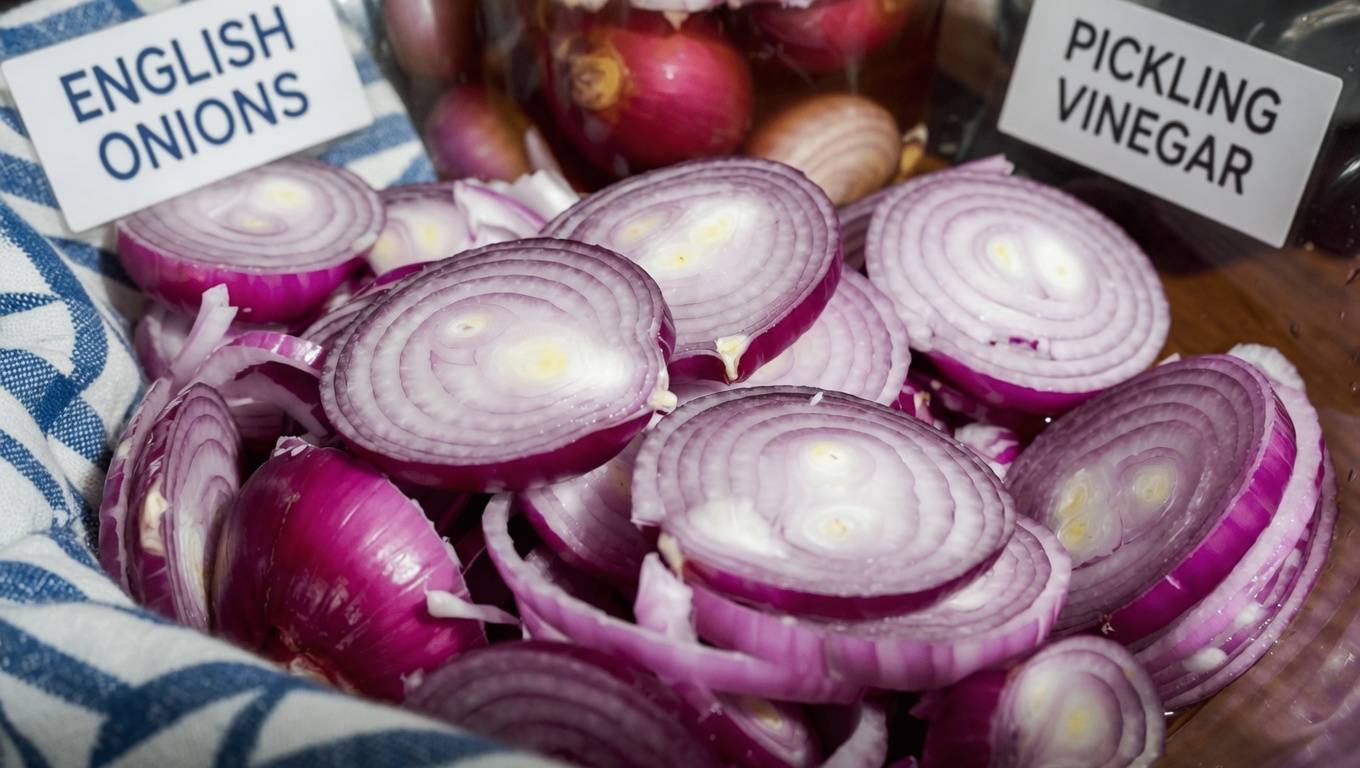
Popular Red Onion Recipes (Plus Realistic Expectations)
Online favorites often include vinegar-soaked red onions or infused “onion water.” These options can be enjoyable additions to meals, but they’re best viewed as supportive habits, not rapid treatments.
Easy Vinegar-Pickled Red Onions
-
Ingredients
- 1 large red onion, thinly sliced
- 1 cup apple cider vinegar
- 1/2 cup water
- 1 tablespoon salt
- Optional: peppercorns, herbs, or spices
-
How to prepare
- Place sliced onions into a clean jar.
- Warm vinegar, water, and salt until just simmering.
- Pour the hot liquid over the onions.
- Let cool, then refrigerate overnight.
-
How to use
- Add to salads, sandwiches, bowls, or alongside proteins for extra crunch and acidity.
More Simple Ideas
- Raw in salads with lemon for brightness
- Roasted with olive oil and spices (about 400°F / 200°C for ~20 minutes)
- Light onion infusion: briefly boil slices, strain, and sip the water (mild flavor, limited evidence)
Some people report feeling more stable over weeks of consistent use, but responses are not universal—and any effect is unlikely to be immediate. If raw onion causes bloating or gas, start with smaller portions or choose cooked/pickled versions.
Practical Tips to Add Red Onion Without Overdoing It
- Begin small: Try about 1/4 to 1/2 onion across a day, added to one meal.
- Build balanced plates: Combine onions with protein, fiber-rich carbs, and healthy fats to support smoother glucose responses.
- Choose the form you tolerate best: Raw is strong; pickled or cooked can be gentler.
- Pay attention to your body: Track how you feel after meals and watch for digestive discomfort.
- Check with your clinician: If you use glucose-lowering medication or manage diabetes, discuss meaningful dietary changes with your healthcare provider.
Conclusion: A Realistic, Empowering Way to Use Red Onion
Red onions are not a substitute for medical treatment, and they won’t “reset” blood sugar overnight. Still, their fiber, quercetin, and sulfur compounds make them a promising, food-based option that may support blood sugar wellness when eaten regularly as part of an overall healthy diet. The real value is sustainable: using a flavorful, nutrient-rich ingredient that helps you stick to better meals—day after day.
FAQ
Can red onions replace diabetes medication?
No. Red onions may complement a healthy eating plan, but they do not replace prescribed medication or professional medical care.
How much red onion is used in research?
Many studies use roughly 60–100 g per day (about 2–3.5 oz). Start with smaller amounts and increase based on tolerance.
Is pickled red onion as helpful as raw?
Pickled onions can still provide beneficial compounds, and vinegar may offer its own support for post-meal glucose responses. Both can fit into a balanced approach.
Medical Disclaimer
This article is for informational purposes only and does not substitute for medical advice. Always consult your healthcare provider before changing your diet or health routine—especially if you have diabetes or other medical conditions.