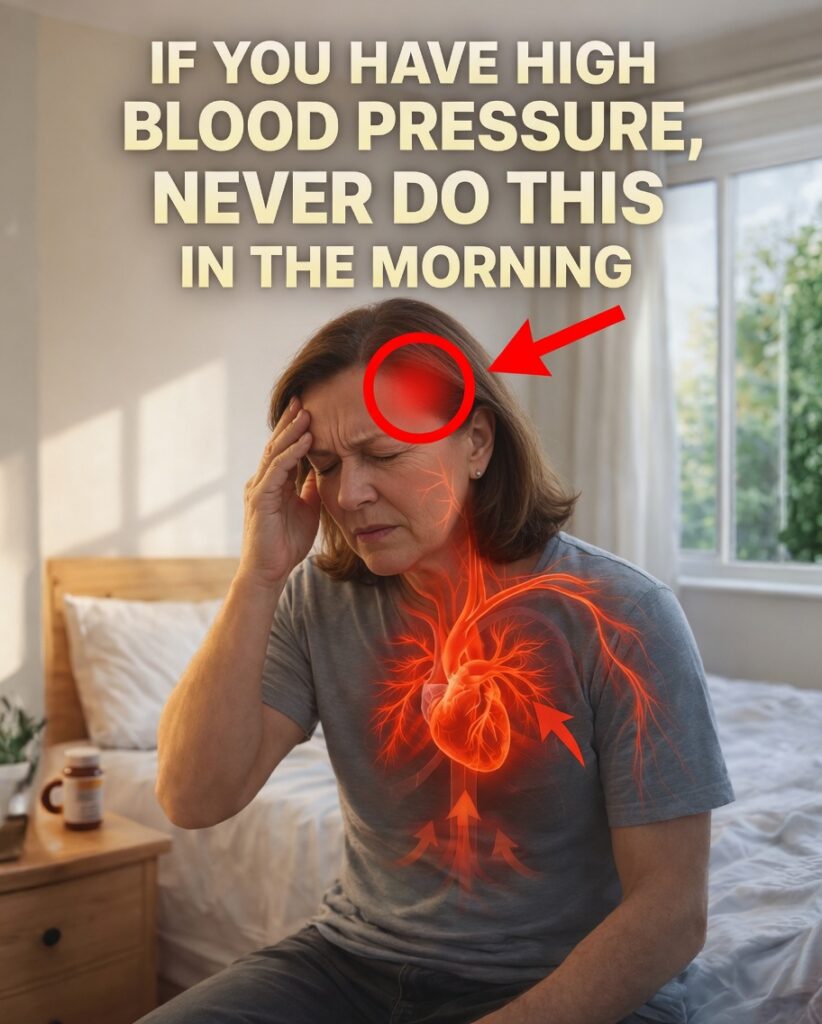
Morning Blood Pressure Spikes: 5 Common Habits That Can Make the Surge Worse (and Simple Fixes)
Mornings are meant to feel energizing, yet for many people, the first hour after waking can quietly set the tone for blood pressure all day. Research describes a normal morning blood pressure surge as the body shifts from sleep to activity. However, certain everyday routines can intensify that rise—often without obvious warning signs like headaches, fatigue, or dizziness.
Over time, repeated morning spikes may place extra stress on blood vessels, especially when combined with factors such as aging, existing cardiovascular concerns, or metabolic conditions. The key takeaway from studies is clear: what you do right after waking can strongly influence daily blood pressure patterns.
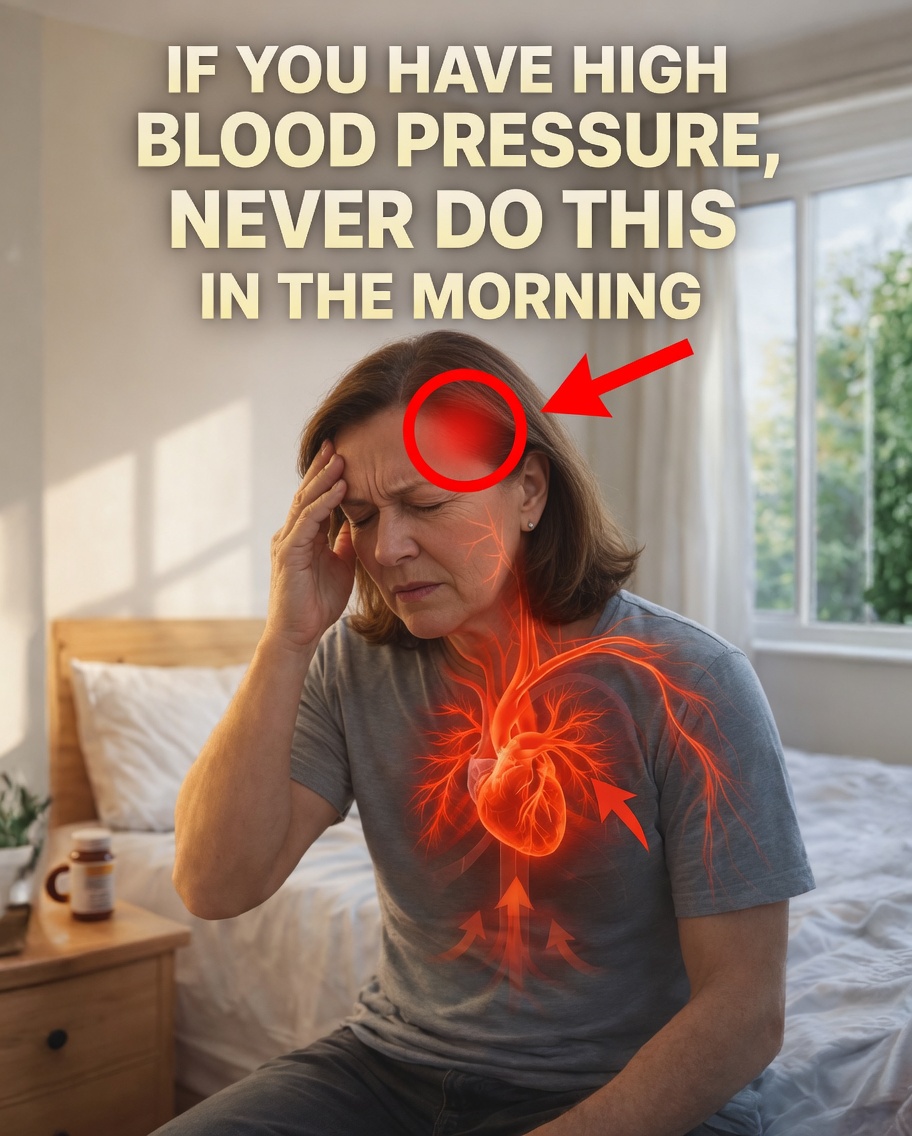
The encouraging news is that you don’t need a complete lifestyle overhaul. Small, intentional changes to your morning routine can support steadier blood pressure. Below are five common habits linked in research to higher morning readings—plus practical, easy adjustments to help you start the day more smoothly.
Why Morning Hours Are So Important for Blood Pressure
During sleep, blood pressure typically falls. As you approach morning, it begins to climb again—this is the morning surge, a normal biological rhythm designed to prepare your body for movement and alertness. Problems can arise when that natural rise is pushed higher by sudden triggers such as:
- Rapid posture changes
- Stimulants (caffeine or nicotine)
- Heavy physical exertion
- Cold exposure
- Straining and breath-holding
Understanding this window helps you make choices that match how your cardiovascular system naturally “boots up” for the day.
1) Getting Out of Bed Too Fast
Sitting up or standing immediately after waking can force your circulatory system to adjust too quickly. Blood may briefly pool in the legs, leading to a short-lived drop that triggers a compensatory response—your heart works harder, and blood pressure can rebound upward. This effect can be more noticeable in the morning, when blood pressure is already on the rise.
Research on orthostatic changes shows that quick position shifts can cause lightheadedness or dizziness, signaling that blood pressure regulation is temporarily unstable.
A gentler way to get moving:
- Stay lying down for 1–2 minutes after opening your eyes
- Rub your hands together to warm up
- Flex and extend your legs a few times while still in bed
- Sit up slowly, pause, then stand when you feel steady
These brief pauses give your body a smoother transition and may help reduce sharp fluctuations.
2) Drinking Coffee or Smoking Immediately After Waking
Many people reach for coffee—or a cigarette—within minutes of waking. The issue is timing. In the morning, cortisol (a natural stress-related hormone that increases alertness) is already elevated. Adding caffeine or nicotine on top of that can further raise heart rate and constrict blood vessels, amplifying the morning surge.
Studies suggest caffeine can elevate blood pressure and stress hormones, especially when consumed early or on an empty stomach. Nicotine also tightens blood vessels and may intensify cardiovascular strain.
Better timing strategies (without giving everything up):
- Wait 30–60 minutes after waking before having coffee
- Drink coffee after a light meal or snack to soften the impact
- If you smoke, consider delaying the first cigarette and exploring support to reduce morning nicotine dependence
Shifting the timing can create a calmer start while still allowing room for your routine.

3) Straining During Morning Bathroom Visits
For many people, mornings are when constipation shows up—and that can lead to strong straining. Holding your breath and pushing (the Valsalva maneuver) increases internal pressure and can cause a temporary but significant blood pressure spike as blood flow dynamics shift.
Medical reports connect intense straining with reduced blood flow to the brain and added stress on blood vessels, and serious events have been documented in vulnerable individuals during toilet use.
More supportive ways to encourage regularity:
- Drink a full glass of warm water shortly after waking
- Prioritize fiber at dinner the night before (vegetables, legumes, whole grains)
- Don’t rush—give your body time so you rely less on force
A smoother bathroom routine can reduce unnecessary cardiovascular stress early in the day.
4) Jumping Into Intense Exercise Too Early (Especially in Cold Weather)
Morning workouts are beneficial, but starting with high-intensity exercise immediately after waking—particularly outdoors in cold conditions—can be demanding for the heart. Cold exposure naturally narrows blood vessels, which can raise blood pressure. Pair that with vigorous effort, and the cardiovascular system may experience an added load before it’s fully warmed up.
Research indicates that cardiovascular strain tends to be higher during cold-weather exercise compared with warmer environments.
Safer ways to move in the morning:
- Begin indoors with light movement (stretching, gentle yoga, deep breathing)
- Spend extra time warming up before moderate or intense exercise
- If exercising outdoors, consider waiting until temperatures rise (often after 6:30–7:00 a.m.)
- Build intensity gradually rather than starting at maximum effort
These adjustments keep the benefits of exercise while reducing the chance of an exaggerated morning spike.
5) Skipping Breakfast or Eating a High-Salt Morning Meal
Skipping breakfast may lead to low blood sugar, which can trigger hormone releases that constrict blood vessels and raise blood pressure to maintain blood flow to the brain. Meanwhile, high-sodium breakfast choices can increase fluid retention and blood volume, making pressure management harder.
Observational research links habitual breakfast skipping with higher long-term blood pressure trends, and high sodium intake is well known to interfere with normal regulation in many individuals.
Simple, blood-pressure-friendly breakfast ideas:
- Choose a light, balanced meal: oatmeal, boiled eggs, or whole-grain toast with fruit
- Start with warm water to hydrate and support circulation
- Keep sodium moderate by focusing on fresh foods instead of processed options
A steady morning meal supports more stable energy—and often steadier blood pressure patterns.

Quick Comparison: Common Morning Habits and Healthier Alternatives
-
Jumping out of bed
- Potential impact: sudden circulation shifts and rebound pressure changes
- Gentler alternative: lie still 1–2 minutes + slow, gentle movements
-
Coffee or smoking immediately
- Potential impact: vessel constriction + stronger cortisol-related surge
- Gentler alternative: wait 30–60 minutes, pair coffee with food, delay nicotine
-
Hard straining in the bathroom
- Potential impact: sharp temporary pressure spike
- Gentler alternative: warm water + fiber habits + avoid rushing
-
Intense exercise too early / in cold conditions
- Potential impact: added cardiovascular strain
- Gentler alternative: indoor warm-up + gradual intensity + warmer timing outdoors
-
Skipping breakfast or eating salty foods
- Potential impact: hormone-driven constriction + fluid retention
- Gentler alternative: balanced, lower-sodium breakfast with hydration
Building a Smoother Morning Routine
Start small: pick one or two changes that feel realistic—such as staying in bed for an extra minute or drinking warm water before anything else. Over time, these minor shifts can support a more stable daily rhythm. Consistency matters far more than perfection.
Frequently Asked Questions
What time of day is blood pressure usually highest?
For many people, blood pressure tends to peak in the morning due to the natural post-waking surge, influenced by hormones and early activity.
Can these habits affect blood pressure even if I feel normal?
Yes. Many morning blood pressure effects are subtle and may not cause immediate symptoms, but they can accumulate over time—making gentle routine changes worthwhile.
Can I keep my coffee if I make small adjustments?
Yes. Delaying coffee and having it with food can help reduce the likelihood of a stronger spike while still letting you enjoy it.
Disclaimer
This article is for informational purposes only and does not provide medical advice. Consult a qualified healthcare professional before changing your routine, especially if you have high blood pressure or other medical conditions.