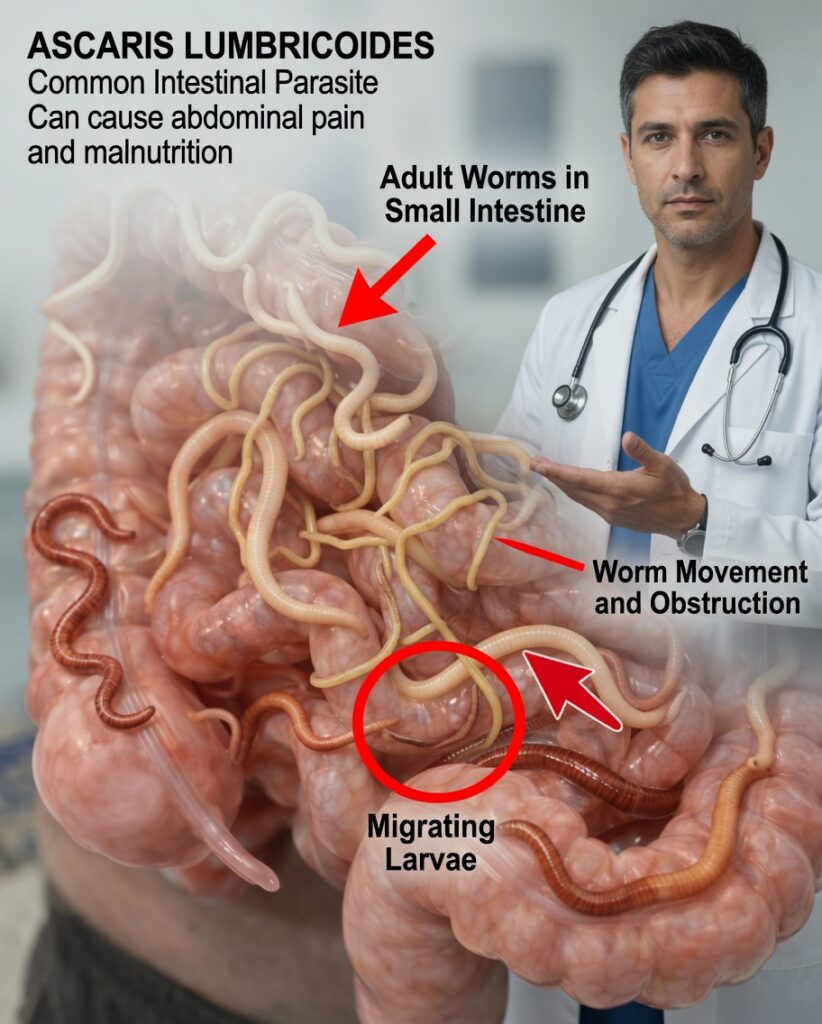
Imagine moving through your day with constant tiredness, recurring stomach discomfort, or watching a child struggle to gain weight and stay focused in class—without realizing there may be a hidden cause. Intestinal worms (parasitic worms) affect millions of people worldwide, quietly draining the body’s nutrients and energy. In many cases, infections can go unnoticed for months or even years, especially in places where clean water and sanitation are limited.
The encouraging news is that simple prevention steps and periodic deworming can make a real difference for long-term health—for individuals, families, and entire communities. When left untreated, however, the impact can last much longer than most people expect, influencing daily stamina and even a child’s development.
What Are Intestinal Worms?
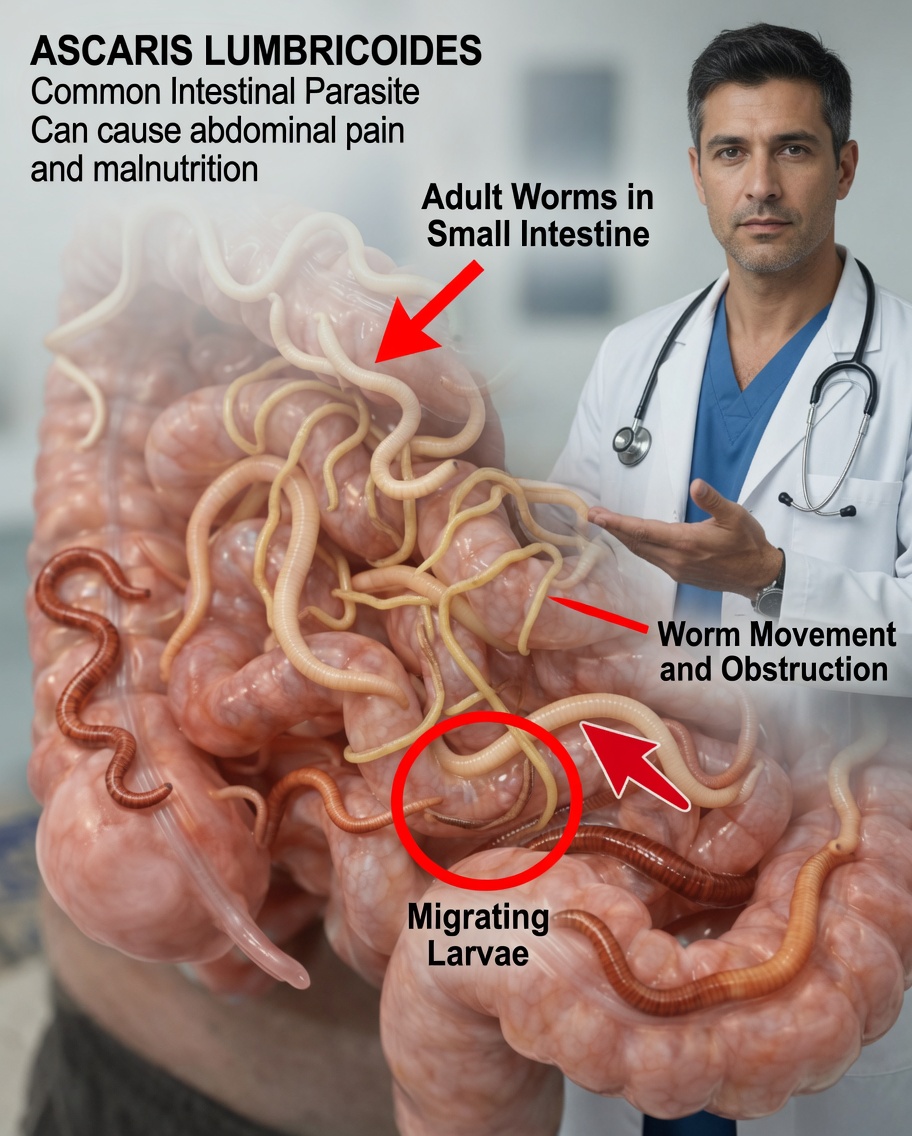
Intestinal worms are parasites that live in the digestive system and feed on nutrients your body needs to function well. The most common types include:
- Roundworms
- Hookworms
- Pinworms
- Tapeworms
People can become infected through everyday exposures such as:
- Drinking or eating contaminated food or water
- Poor handwashing, especially after using the toilet
- Walking barefoot on soil containing worm eggs or larvae
- Eating unwashed fruits and vegetables
According to data referenced by the World Health Organization (WHO), soil-transmitted helminth infections remain among the most widespread parasitic infections globally, affecting over one billion people, especially in tropical and subtropical regions.
Common Signs of a Worm Infection
Symptoms often begin subtly, which makes them easy to blame on stress, diet, or other routine issues. Over time, they can become more noticeable and disruptive.
Common signs of intestinal worm infestation include:
- Unexplained weight loss or poor weight gain in children, because worms compete for nutrients needed for growth
- Ongoing fatigue, weakness, or dizziness, sometimes linked to nutrient depletion such as iron loss and anemia
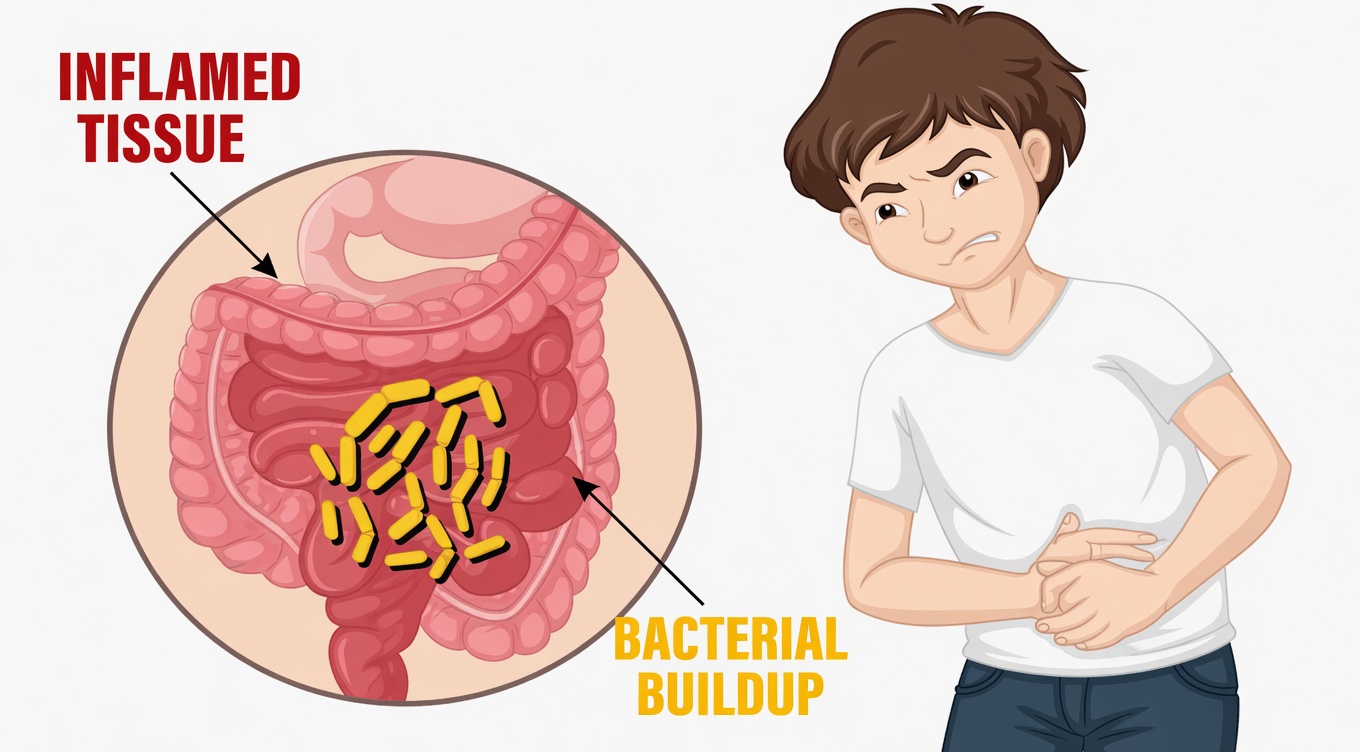
- Stomach pain, bloating, diarrhea, nausea, or occasional vomiting due to intestinal irritation
- Anal itching, especially at night (often associated with pinworms, which lay eggs around the anus)
- Appetite changes, including reduced appetite or unusual hunger patterns
- In children: teeth grinding during sleep, restlessness, reduced concentration, and lower school performance
- Coughing or mild breathing symptoms in some cases when larvae migrate through the lungs
- In more advanced cases, visible worm segments in stool
Ignoring these warning signs can allow the infection to persist and lead to worsening discomfort and nutritional consequences over time.
Why Deworming Matters: Major Health Benefits
Deworming means using medically recommended anthelmintic medications to remove parasitic worms from the body. Global health guidance, including recommendations supported by the WHO, indicates that periodic deworming in high-prevalence areas can improve health outcomes—particularly for children and other vulnerable groups.
Key benefits of deworming may include:
- Lower risk of anemia
- Some parasites, especially hookworms, feed on blood and contribute to iron loss. Removing them supports healthier iron levels and can reduce weakness and paleness.
- Improved growth and development in children
- With fewer parasites competing for nutrients, children may better support healthy weight gain, height growth, and physical development.
- Better energy and concentration
- Many people feel less tired after treatment, and children may show improved attention at school.
- Stronger immune function
- Parasites can burden the body’s defenses; eliminating them helps the immune system function more effectively.
- Relief from digestive discomfort
- Deworming may reduce bloating, abdominal pain, irregular bowel movements, and itching when worms are the cause.
- Reduced risk of longer-term complications
- Chronic infection can contribute to malnutrition and other health concerns; treating early helps minimize these risks.
- Less transmission within families and communities
- Treating infected people reduces egg shedding and helps limit spread at home, in schools, and across neighborhoods.
- Improved nutrient absorption
- Once parasites are removed, the body can use vitamins and minerals from food more efficiently, supporting steady energy and overall vitality.
Deworming Isn’t Only for Children—Adults Can Benefit Too
Children often receive the most attention because they are growing quickly and are more vulnerable to nutrient loss. However, adults can also carry intestinal worms, sometimes with milder symptoms that still affect digestion, energy, and overall well-being.
Adults at higher risk may include people who:
- Work with soil (farmers, gardeners, laborers)
- Often walk barefoot outdoors
- Prepare or handle food frequently
- Live or travel in areas with limited sanitation
Taking prevention seriously is a smart choice for the entire household—not just kids.
Practical Hygiene Habits to Help Prevent Reinfection
Deworming is most effective when paired with daily habits that reduce exposure and reinfection. Consider this simple prevention checklist:
- Wash hands thoroughly with soap:
- After using the toilet
- Before eating or preparing food
- After handling soil
- Use safe toilet facilities whenever possible
- Drink treated or safe water and avoid untreated sources
- Wash fruits and vegetables carefully under running water
- Keep fingernails short and clean to reduce egg transfer
- Wear shoes outdoors, especially in areas where soil may be contaminated
These routines create strong everyday protection and help keep infections from returning.
How to Deworm Safely
The safest approach is to speak with a healthcare professional (doctor, clinic staff, or pharmacist). They can recommend the right medication and dose based on:
- Age and weight
- Local infection risk
- Health conditions
- Pregnancy status (pregnant women should follow professional guidance as part of routine care)
In settings where worm infections are common, WHO guidance often supports preventive treatment once or twice per year for at-risk groups, using well-studied medicines such as albendazole or mebendazole.
Final Thoughts
Deworming is a practical, proven step that can support better nutrient use, stronger energy, and improved comfort—especially in communities where parasitic infections are common. A single informed conversation with a qualified healthcare provider can be the starting point for feeling healthier and more resilient, while also helping protect the people around you.
Sharing accurate information with family and friends can strengthen prevention habits and support healthier communities over time.
FAQ
How often should deworming be considered?
In areas where infections are common, health organizations such as the WHO recommend periodic preventive treatment—often once or twice per year—for at-risk groups, especially children. Follow guidance from a healthcare professional for personal recommendations.
Can adults get intestinal worms?
Yes. Adults can become infected through work, living conditions, travel, or food and water exposure. Symptoms may be less obvious but can still affect energy levels and digestion.
What if there are no symptoms?
Many infections are silent at first. If you live in or travel to higher-risk areas, discussing preventive options with a healthcare provider is a sensible step—even without clear symptoms.
Disclaimer: This article is for informational purposes only and is not a substitute for professional medical advice. Consult a qualified healthcare provider for personalized guidance about deworming or any health concerns. Do not self-medicate without professional supervision.