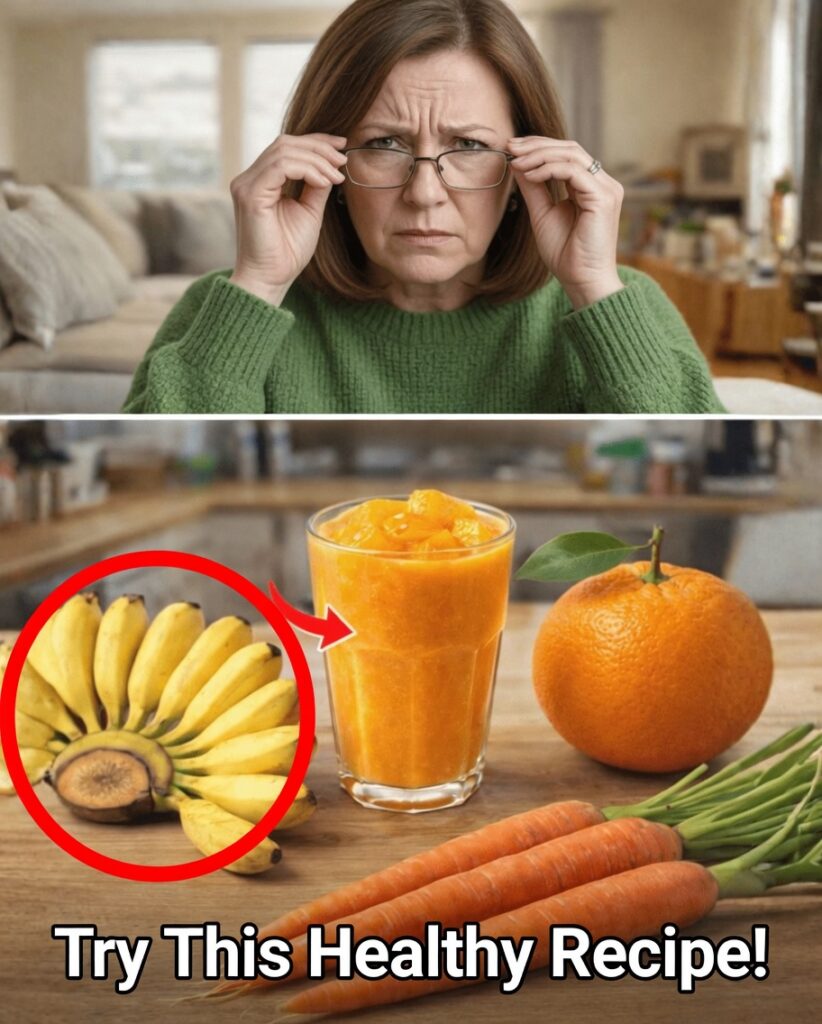
Many adults in their 40s and older begin to notice small but meaningful changes in vision—trouble focusing on close-up text, more frequent eye strain, or discomfort after long hours on laptops and phones. A major everyday contributor is prolonged blue light exposure from screens and artificial lighting, which can leave eyes feeling tired and dry.
The encouraging part: food can be a practical form of daily support. One easy habit is a vibrant smoothie made with orange, carrot, banana, and fresh juice—and there’s a science-backed detail about blending that can help you get more out of these ingredients.
The Quiet Challenges of Aging Eyes
With age, the eyes often become more sensitive to modern lifestyle stressors. Extended screen time and constant artificial light may contribute to visual fatigue and dryness, particularly for people over 40. Over time, activities like reading, night driving, or detailed hobbies can start to feel more demanding.
While not everyone develops serious issues, supporting eye wellness through nutrition becomes increasingly relevant. A simple, enjoyable routine—like a daily smoothie—can be an easy step toward feeling more comfortable and resilient.
Benefit 9: Carrots and the Beta-Carotene Advantage
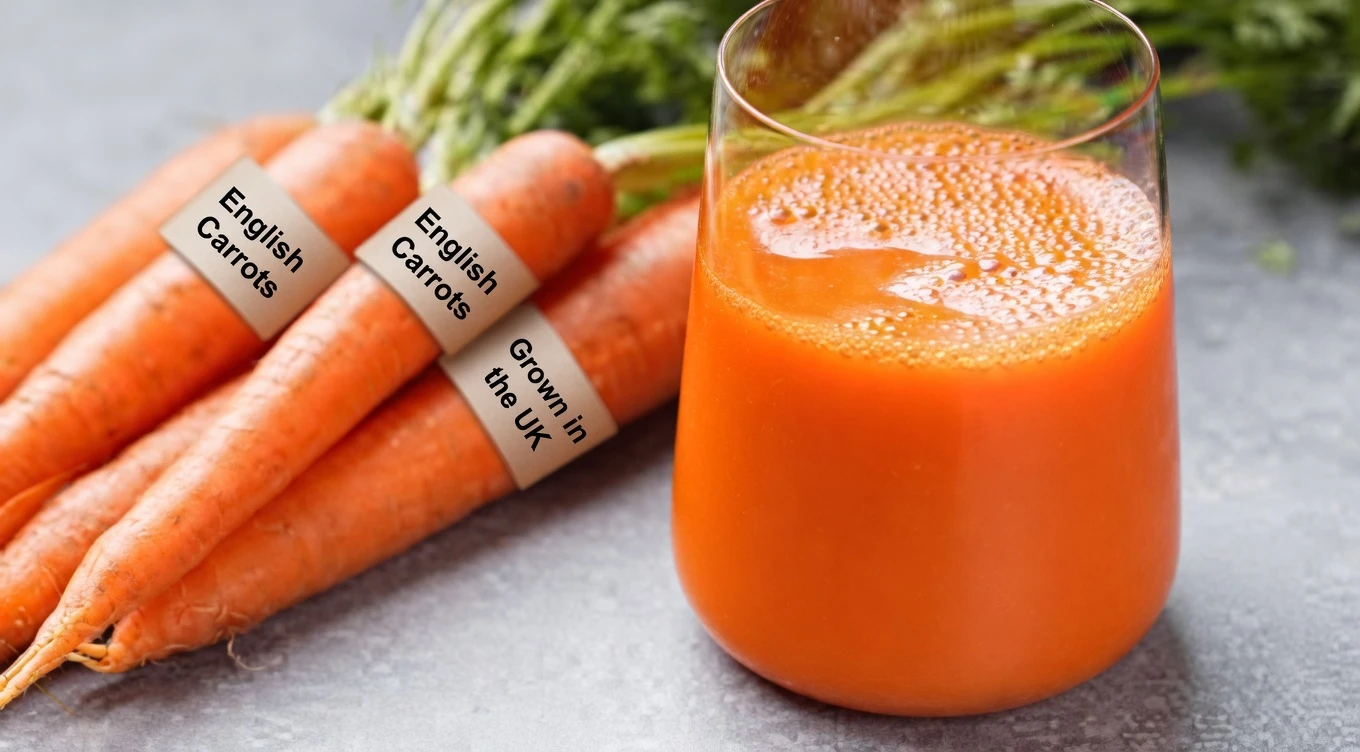
Carrots are well known for their high beta-carotene content, which the body can convert into vitamin A—a nutrient associated with healthy vision, including support for night vision and overall eye function. Research suggests that diets rich in beta-carotene-containing foods may contribute to long-term eye protection.
A key point: blending carrots can help break down their fibrous structure, which may improve beta-carotene release and absorption compared with eating them raw. In research comparing forms of carrots, juice/blended preparations have been shown to produce higher peak blood levels of beta-carotene than whole raw carrots in some settings. Adding a fresh juice base also contributes hydration, which supports nutrient transport in the body.
Benefit 8: Oranges Deliver a Vitamin C Antioxidant Lift
Oranges provide a strong dose of vitamin C, a widely studied antioxidant. Oxidative stress is linked to age-related changes in many tissues, including the eyes. Research has associated higher dietary vitamin C intake (from foods such as citrus) with potential protective effects in the broader context of vision wellness.
Beyond nutrition, oranges give the smoothie a bright, refreshing flavor that makes this habit easier to maintain.
Benefit 7: Bananas Add Potassium for Fluid Balance
Bananas are a convenient source of potassium, a mineral involved in maintaining fluid balance throughout the body. Adequate hydration and balanced electrolytes can matter for overall comfort—some sources also connect proper fluid balance to tear film stability, which can influence how dry or comfortable your eyes feel.
Texture-wise, banana adds natural creaminess that smooths out the carrot and complements the citrus.
Benefit 6: Fresh Juice Supports Hydration and Drinkability
Eye comfort depends heavily on moisture. Using fresh apple or pineapple juice (or another fresh juice you tolerate well) increases hydration and provides natural electrolytes and fluid that support the body’s overall moisture balance.
Since dehydration is a common factor in dry-eye discomfort, a hydrating smoothie can be a smart addition to a busy day—especially for people who forget to drink enough water.
Benefit 5: Plant Compounds with Anti-Inflammatory Potential
The vivid orange and yellow colors in carrots and citrus come from plant compounds such as carotenoids and flavonoids. Nutritional studies commonly describe these compounds as having antioxidant and potential anti-inflammatory activity, which may help the body respond to everyday environmental stressors.
Keeping these foods in your routine can support a “refreshed” feeling that many people associate with better daily comfort.
Benefit 4: Steadier Natural Energy (Without a Hard Crash)
Eye strain often shows up alongside general fatigue. This smoothie provides natural carbohydrates from fruit for steady energy, and bananas contribute B vitamins that play roles in energy metabolism.
Compared with relying on quick stimulants, this blend can feel like a gentler, more balanced way to start the day or recover from screen-heavy work.
Benefit 3: Immune Support That Also Matters for Eye Wellness
A well-functioning immune system helps the body handle everyday irritants and environmental exposure. Vitamin C from oranges, plus other antioxidants in the mix, is associated in health research with immune support.
While the smoothie isn’t a medical treatment, strengthening overall wellness habits can indirectly support the eyes as part of whole-body health.
Benefit 2: Digestive Support for Better Nutrient Use
Nutrients only help if your body can absorb and utilize them. The smoothie contains dietary fiber (especially from carrots and bananas), which supports digestive function. Research often links gut health with improved nutrient absorption, which can influence how efficiently vitamins and antioxidants are delivered throughout the body—including to eye tissues.
Blending also makes the drink easy to consume, even for people who don’t enjoy eating raw carrots.
Benefit 1: A Simple, Holistic Way to Support Long-Term Vision Wellness
This smoothie combines multiple supportive nutrients—beta-carotene (vitamin A precursor), vitamin C, potassium, fluids, and plant antioxidants—into one practical daily option. Research on similar nutrient patterns suggests that consistent intake as part of a balanced diet may support long-term eye health.
Just as importantly, it’s a realistic habit: quick to prepare, enjoyable, and easy to repeat.
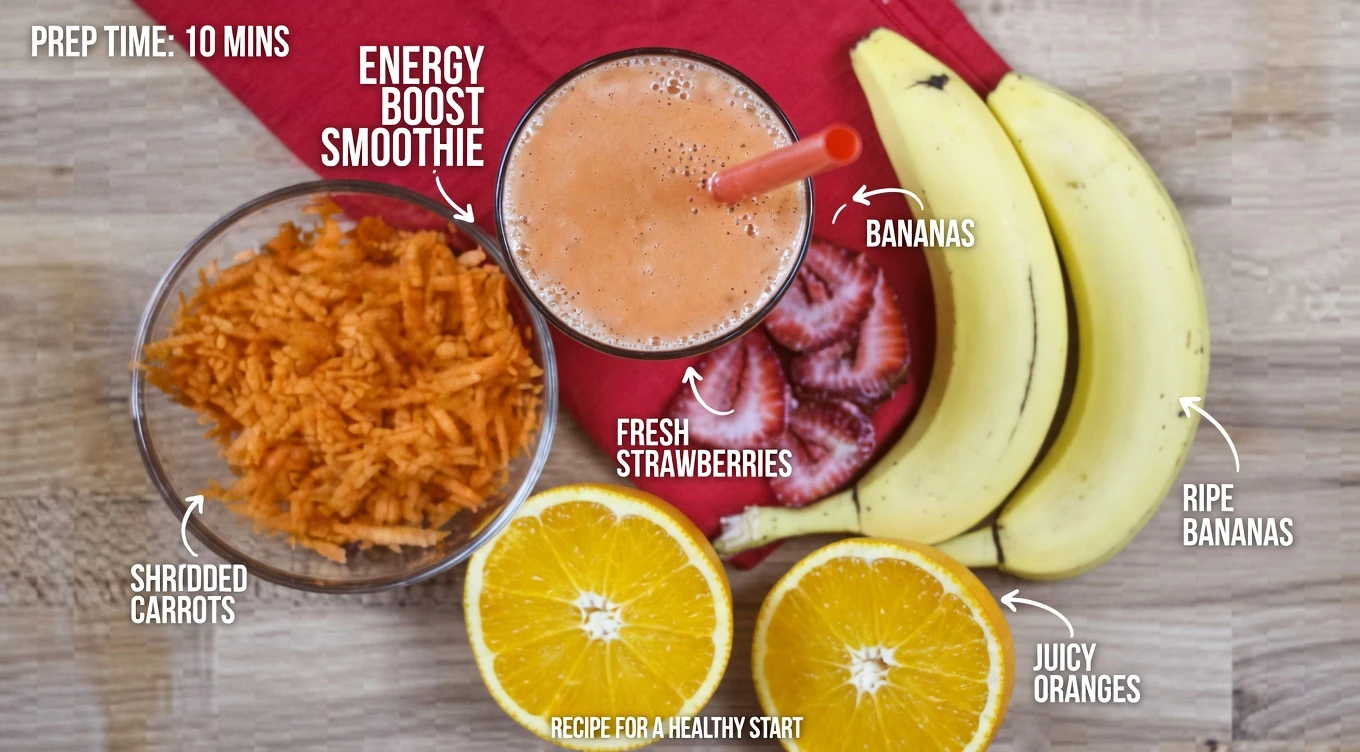
How to Make the Orange-Carrot-Banana Vision-Support Smoothie
Ingredients
- 1 orange, peeled
- 2 medium carrots, washed and chopped
- 1 ripe banana, peeled
- ½ to 1 cup fresh apple or pineapple juice (adjust thickness to taste)
Steps
- Add all ingredients to a blender.
- Blend on high until completely smooth (about 1–2 minutes).
- Pour and drink right away for the freshest taste and best nutrient quality.
A practical starting point is one serving daily, such as with breakfast or as an afternoon reset.
Quick Variations and Helpful Tips
- Add a handful of ice for a colder, more refreshing smoothie.
- Mix in plain yogurt for extra creaminess (if you tolerate dairy).
- Adjust sweetness and tang by changing the orange-to-juice ratio.
- Blend only as long as needed to reach a smooth texture.
Key Ingredients and What They Contribute
- Carrot: Beta-carotene (vitamin A precursor) — associated with night vision and eye function support
- Orange: Vitamin C — antioxidant support against oxidative stress
- Banana: Potassium — supports fluid balance and overall comfort
- Fresh juice: Fluids + electrolytes — supports hydration and nutrient delivery
Safe, Smart Use Guidelines
- Suggested routine: Start with one serving per day.
- Produce quality: Wash thoroughly; choose organic when feasible and appropriate.
- Storage: Best consumed fresh; refrigerate leftovers and finish within 24 hours.
- Check first if needed: If you have allergies, diabetes, or diagnosed eye conditions, consult a healthcare professional before making major dietary changes.
Important note: Blending carrots can increase beta-carotene release compared with eating them whole—making this smoothie a particularly efficient way to get more from this classic eye-friendly vegetable.