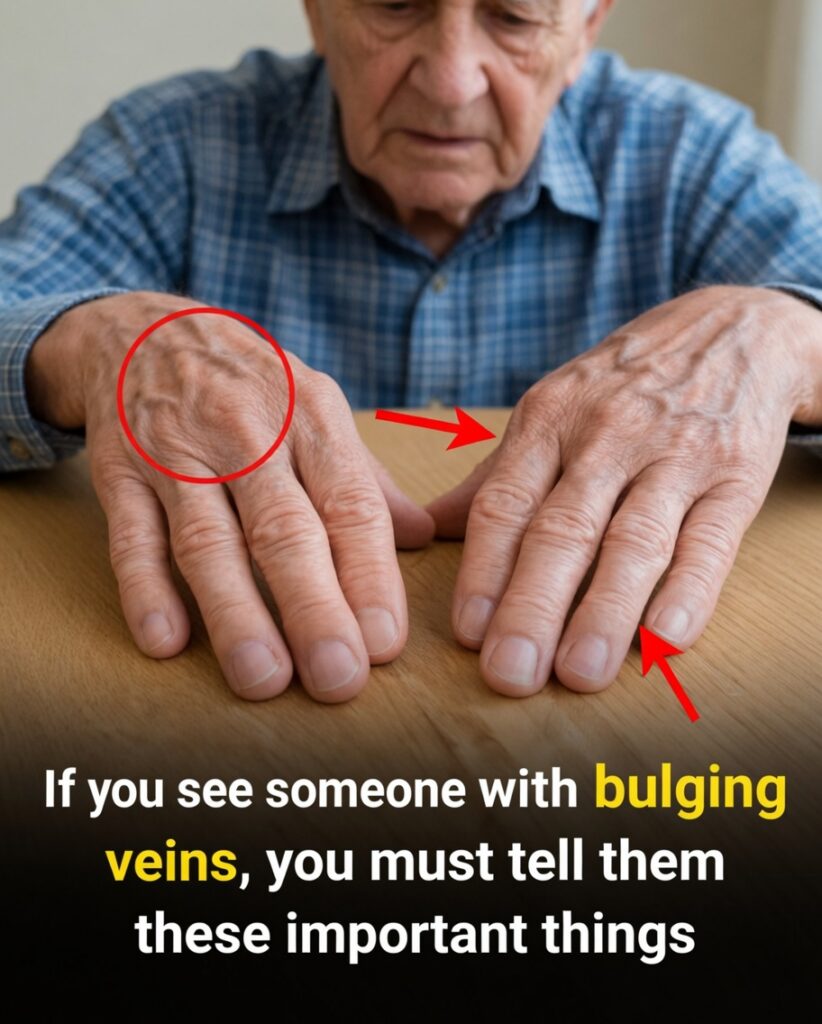
Have you ever noticed rope-like, raised veins showing under your skin—most often on your legs—and wondered whether it’s simply part of aging or a sign of something more? Many people dismiss bulging veins as a cosmetic concern, yet they can reflect how well your circulation is working and may affect everyday comfort. As symptoms progress, you might feel heaviness, aching, or become more self-conscious about wearing shorts, skirts, or short sleeves.
The encouraging news: once you understand why veins bulge, a few consistent lifestyle habits can ease discomfort and help slow progression. One especially important takeaway in this guide is the value of early awareness—spotting patterns sooner can make management much easier.
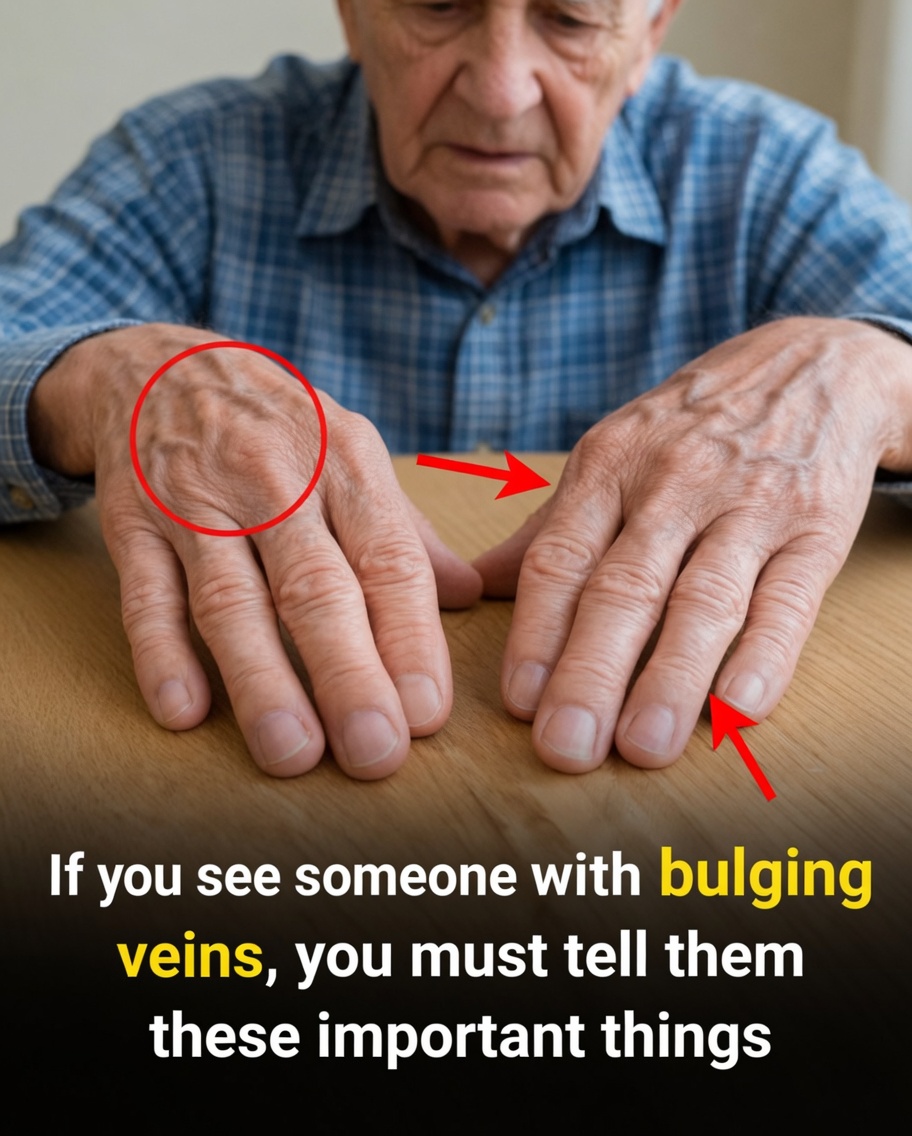
What Are Bulging Veins?
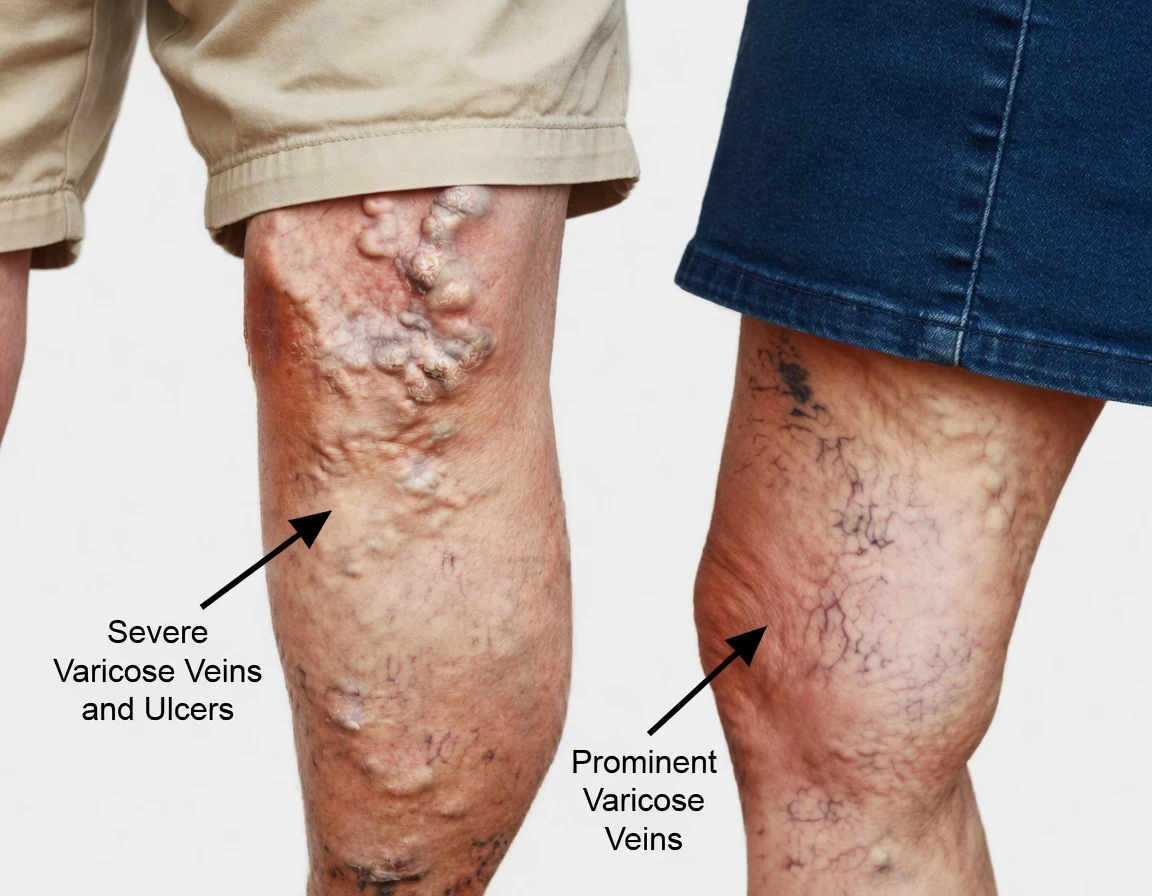
Bulging veins are veins that become visibly enlarged and prominent near the surface of the skin. When they look twisted, swollen, or rope-like—particularly in the legs—they’re often referred to as varicose veins. This typically happens when blood has trouble flowing efficiently back to the heart and begins to pool in the vein.
A simple way to picture it: veins contain tiny one-way valves designed to keep blood moving upward against gravity. If those valves weaken or become damaged, blood can slip backward, increasing pressure inside the vein. Over time, the vein wall stretches, and the vessel becomes enlarged and more visible.
Common contributors include:
- Long periods of standing or sitting
- Aging (natural valve weakening over time)
- Reduced movement and muscle activation
- Body composition (including very lean individuals, where veins may appear more prominent)
While bulging veins may start as a mild issue, leaving them unaddressed can lead to persistent symptoms.
Bulging Veins by Location: What Different Areas May Suggest
Where a vein becomes prominent can offer clues about possible triggers and when you should pay closer attention.
Legs and Arms
Leg veins are the most frequent site for varicose veins because gravity makes it harder for blood to travel upward. Extended standing or sitting increases pressure in lower-limb veins, which is why people in jobs that keep them on their feet (such as teaching, hospitality, or retail) often notice them sooner.
Over time, you may experience:
- Heavy, tired legs
- Aching after long days
- Swelling around the ankles or calves
- Visible vein changes that gradually become more pronounced
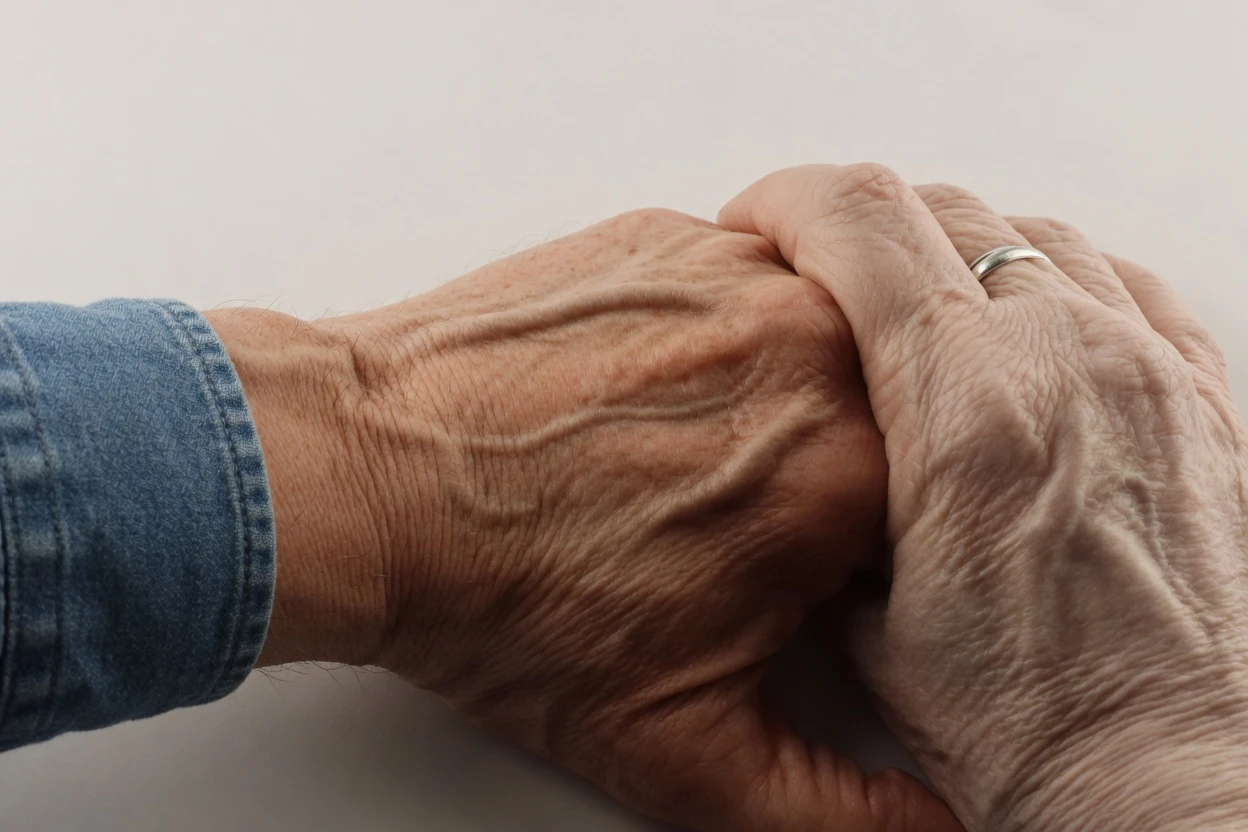
Arm veins can also appear more noticeable, especially with low body fat, exercise-related vascularity, or aging skin—though persistent swelling or pain should be evaluated.
Neck (Jugular Veins)
Visible neck veins that remain prominent even when you are resting may require medical attention. In some cases, this can be associated with increased pressure in the veins of the upper body, which may relate to cardiovascular or lung concerns. If this occurs alongside swelling, chest discomfort, or breathing changes, it’s important to get checked promptly.
Forehead or Temples
Veins that stand out on the forehead or temples are often linked to temporary triggers, such as:
- Stress and tension
- Physical exertion or straining
- Thinning skin with age
They can also appear more noticeable with elevated blood pressure or prolonged tension. While often benign, a sudden new change—especially with pain, headache, or other symptoms—deserves closer evaluation.
Recognizing these location-based patterns is one reason early observation matters: it helps you separate common causes from warning signs.
Why It’s Important to Pay Attention Early
Monitoring bulging veins isn’t just about appearance. In the legs, a frequent underlying issue is chronic venous insufficiency (CVI)—a condition in which veins struggle to move blood back toward the heart effectively. When blood pools, pressure rises in the vein, which can gradually lead to symptoms and skin changes.
If circulation problems continue unchecked, they may contribute to:
- Aching, soreness, or cramping
- Swelling that worsens by the end of the day
- Dryness, irritation, or skin color changes near the ankle or calf
- Less commonly, inflammation or clot-related complications
Warning Signs That Call for Medical Evaluation
Consider seeking professional care if you notice:
- Ongoing throbbing, pain, or tenderness
- Swelling that does not improve with rest or elevation
- Skin warmth, redness, or darkening around the vein
- Open sores or wounds near the ankle or affected area
- Sudden shortness of breath—especially if neck veins are also prominent
A clinician may recommend an exam and, in many cases, a venous ultrasound to evaluate blood flow and valve function.
Everyday Strategies to Support Vein Health
You don’t need extreme changes to support healthier circulation. The following practical, widely recommended steps can improve blood flow and reduce pressure in leg veins over time.
-
Move more often
Walking is one of the most helpful low-impact options because the calf muscles act like a natural “pump” for venous blood. Aim for about 30 minutes most days, adjusting for your ability and comfort. -
Elevate your legs regularly
Rest with your legs raised above heart level for 10–15 minutes, a few times daily if possible. This uses gravity to reduce pooling. -
Avoid staying still too long
If you sit or stand for work, take short movement breaks. Helpful options include:- brief walks
- ankle circles
- shifting weight from leg to leg
- calf raises
-
Support hydration and nutrition
A fiber-rich diet may help reduce constipation, which can increase abdominal pressure and strain veins. Managing weight also lowers stress on leg veins. -
Use compression stockings when appropriate
Graduated compression stockings apply gentle pressure that supports upward blood flow. Many people report less heaviness and swelling when wearing them during long work shifts or travel. Proper fit matters, so measurement guidance is recommended.
A key benefit people often overlook: consistent circulation-friendly habits don’t just help vein comfort—they can also improve how energized your legs feel throughout the day.
When to Seek Professional Guidance
If bulging veins are painful, rapidly changing, or accompanied by swelling, skin changes, or breathing symptoms, it’s wise to consult a healthcare professional. Early assessment often leads to clearer answers and simpler management options.
Conclusion
Bulging veins are not only a visual change—they can be your body’s signal about how effectively blood is circulating. By paying attention to where veins appear, noticing symptom patterns, and adopting daily habits like movement, leg elevation, and compression support, many people reduce discomfort and slow progression. Staying proactive is one of the best ways to protect comfort and confidence in everyday life.
Frequently Asked Questions
What makes veins bulge more with age?
With age, skin tends to thin and vein valves may weaken, making veins both more visible and more prone to pooling. Lifestyle factors such as reduced activity can further contribute.
Are compression stockings safe to wear every day?
Yes, for most people, daily use is safe when the stockings are properly fitted and the compression level is appropriate. Many start with mild to moderate compression and follow professional guidance if unsure.
Can exercise worsen bulging veins?
Low-impact activity (walking, swimming, cycling) typically helps by improving circulation and muscle support. Heavy straining may aggravate symptoms in some cases, so if you already have pain or significant swelling, check with a clinician before starting intense lifting.
Disclaimer
This article is for informational purposes only and does not replace professional medical advice, diagnosis, or treatment. Always consult a qualified healthcare provider regarding symptoms or health concerns. Do not delay seeking care for urgent or concerning signs.