
Many adults over 40 quietly cope with repeat issues—lingering infections, occasional digestive upset, or everyday joint stiffness that makes simple movement feel unnecessarily difficult. Over time, these annoyances can sap energy, reduce mobility, and push people to look for gentler, more natural approaches—especially when standard options bring unwanted side effects. One plant getting renewed attention is wild thyme (Thymus serpyllum), a hardy herb native to rocky parts of Europe and Asia. Long used in traditional wellness systems, wild thyme is now being explored by modern research thanks to its concentration of beneficial plant compounds.
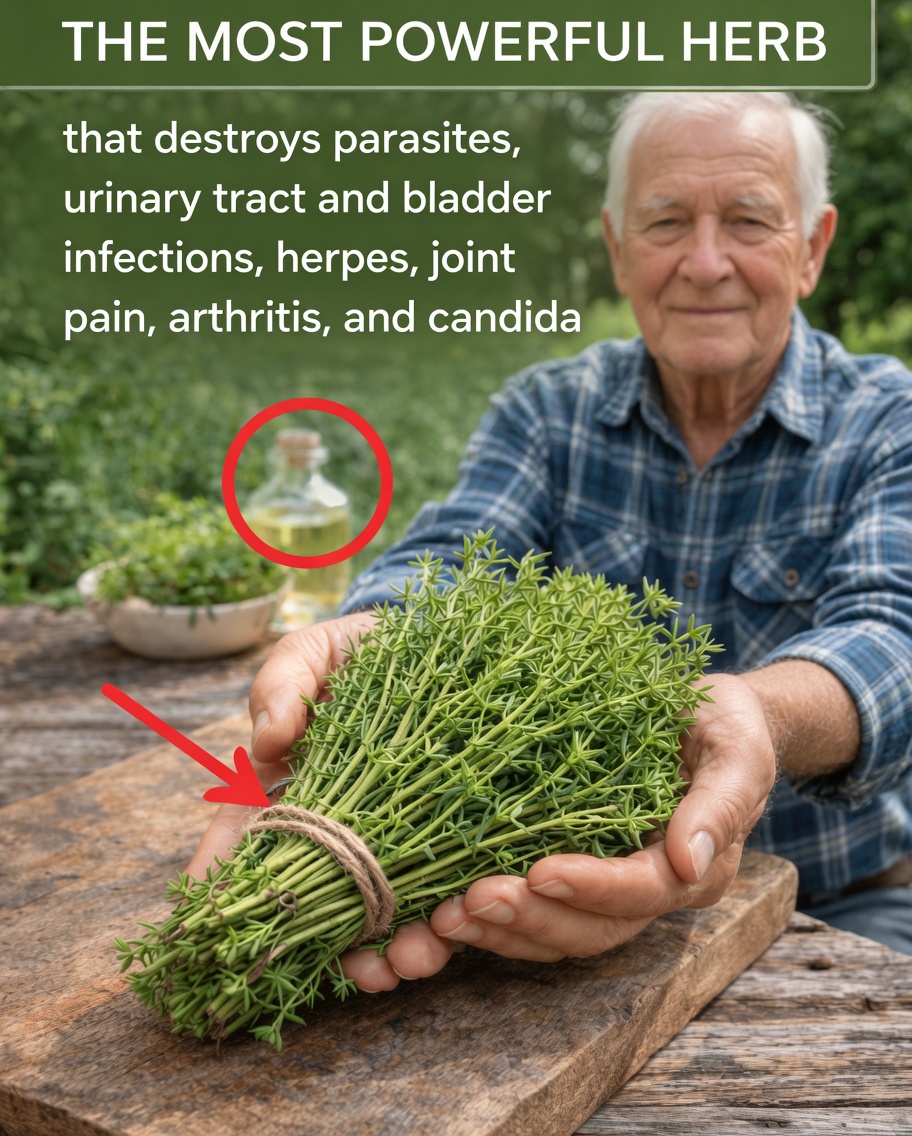
Could adding this often-overlooked herb to your routine provide supportive benefits grounded in emerging science? Below is an evidence-informed look at what wild thyme may offer, plus practical, safety-minded ways to try it at home.
Why Wild Thyme Is Worth Paying Attention To
Wild thyme (Thymus serpyllum) thrives in harsh environments—thin soil, strong sun, and rocky slopes. These conditions may encourage the plant to produce and concentrate bioactive constituents such as thymol, carvacrol, and rosmarinic acid. Together, these compounds help explain why wild thyme has traditionally been associated with support for:
- Respiratory comfort
- Digestive balance
- Inflammatory relief
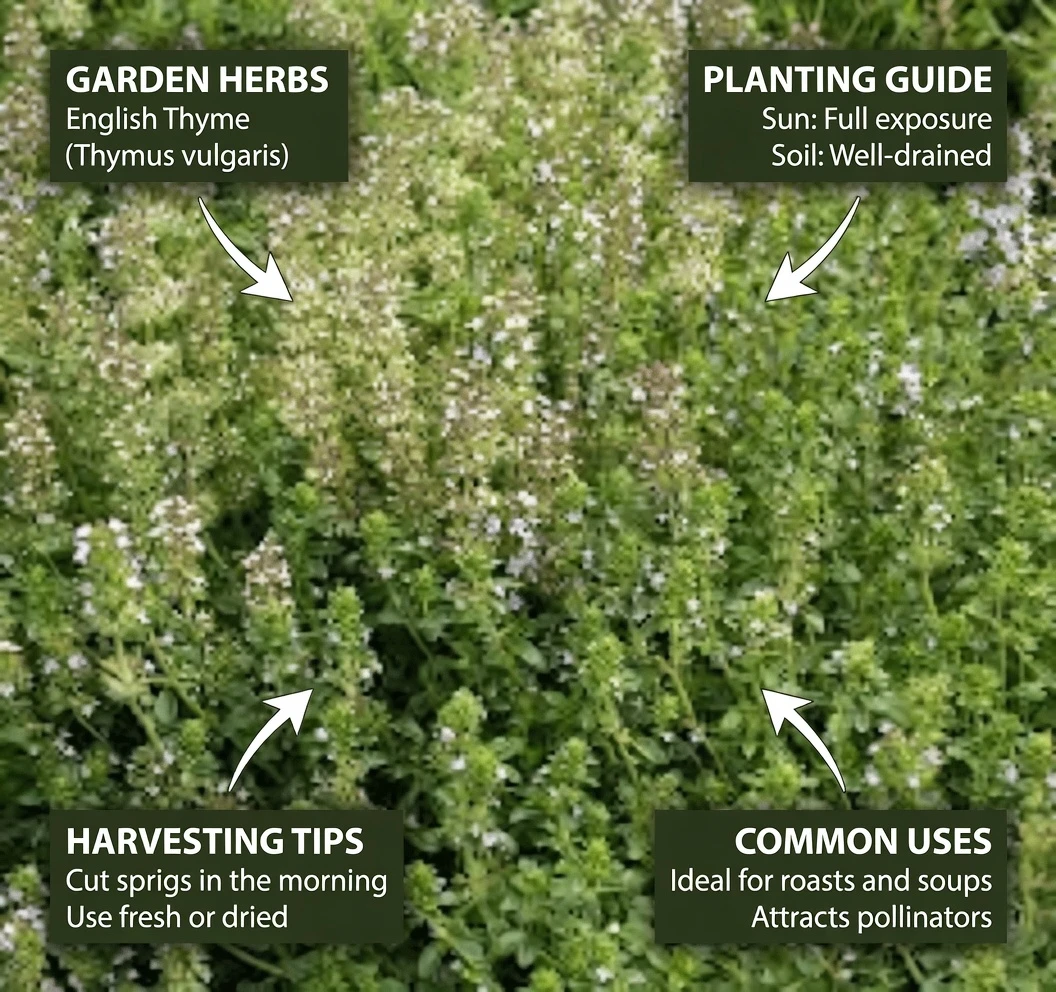
Scientific interest has grown as reviews and preclinical research suggest antimicrobial, anti-inflammatory, and antioxidant activities. While common thyme (Thymus vulgaris) is the better-known culinary herb, wild thyme is often discussed for having notably rich phenolic content—especially when grown under tougher conditions. Importantly, these findings suggest supportive potential, not a replacement for medical diagnosis or treatment.
1) Gut Balance Support and Parasitic Concerns
If you experience bloating, irregular digestion, or unexplained fatigue, gut imbalance may be part of the picture. In laboratory settings, thyme essential oils (including oils from wild thyme varieties) have shown activity tied to thymol and related compounds, which may disrupt certain parasite structures in test environments.
Traditional herbal use has also positioned wild thyme as a plant for intestinal support, and a recent review highlighted its investigation in preclinical models involving helminths and protozoa. Many people describe feeling “lighter” or more comfortable with consistent use, though experiences differ by individual.
2) Complementary Support Against Bacterial Issues (Including UTIs)
Recurring urinary discomfort is widespread and frequently involves bacteria such as E. coli. In vitro studies show thyme oil can inhibit bacterial growth at relatively low concentrations, with thymol noted for its ability to affect bacterial cell integrity.
Some research using artificial urine models reports reduced bacterial proliferation, suggesting wild thyme may offer complementary support for those combining lifestyle strategies with conventional care.
3) Antiviral Activity of Interest for Common Viruses
Viral flare-ups—such as those related to herpes simplex—can be persistent and discouraging. Laboratory research indicates thyme extracts may inhibit replication of HSV-1 and HSV-2 strains under test conditions.
Studies from Germany examining aqueous (water-based) preparations also reported antiviral activity, pointing to potential supportive value for occasional outbreaks—while still emphasizing that human outcomes and dosing require professional guidance.
4) Fungal Balance: Candida and Related Overgrowth
When the body’s microbial balance shifts, fungi such as Candida albicans can become more problematic for some individuals. Research on thyme oil suggests it can inhibit Candida growth, including certain resistant forms, by interfering with biofilms—protective layers that make microbes harder to manage.
In studies, lower concentrations may act as fungistatic (slowing growth), while higher concentrations may be fungicidal (killing fungi), depending on conditions and formulation.
5) Joint Inflammation and Everyday Stiffness Relief
Joint stiffness—often linked to arthritis—affects tens of millions of people and can diminish quality of life. Wild thyme contains rosmarinic acid, a compound widely studied for anti-inflammatory activity. Some studies using topical preparations report reduced knee discomfort with effects comparable to certain standard options in specific settings.
Animal models also show reductions in pro-inflammatory signaling (including cytokine-related activity), which is one reason wild thyme is being explored for joint comfort support.
6) Nerve-Related Discomfort (Including Sciatica-Like Pain)
Sharp, radiating nerve pain can interfere with sleep, movement, and daily functioning. Wild thyme has a history of traditional use for soothing discomfort, and its anti-inflammatory properties may help reduce swelling associated with compression or irritation.
Preclinical evidence supports inflammation reduction around nerve-related tissues in certain models, suggesting an area for future human research.
Quick Check-In (So Far)
- How many supportive areas have been covered? 6
- What discomfort or imbalance feels most relevant to you right now?
- On a scale of 1–10, how do your joints feel at this moment compared with earlier today?
- Curious what other benefits researchers are exploring next?
7) Respiratory Comfort and Immune Defense Support
Wild thyme tea has long been used to soothe the throat and support breathing comfort during seasonal changes. With its antibacterial and antiviral properties observed in preclinical work, wild thyme may help reinforce everyday defenses—especially when used alongside foundational habits like hydration and rest.
8) Antioxidant Protection Against Oxidative Stress
Oxidative stress contributes to inflammation and age-related strain on cells. Wild thyme is rich in phenolics that can neutralize free radicals in antioxidant assays, which supports the idea that it may help promote cellular resilience.
9) Digestive Harmony and Gentle Motility Support
For occasional bloating or sluggish digestion, thyme has a longstanding traditional role in promoting digestive comfort. Emerging research continues to explore how thyme compounds may support gastrointestinal function, including gentle motility.
10) Skin Wellness and Surface Microbe Support
Applied topically (properly diluted), thyme preparations have been used for minor skin concerns. Research noting thyme’s antimicrobial actions supports why it has been used historically to help manage surface microbes and soothe minor irritation.
11) Additional Metabolic and Immune Modulation Potential
Preclinical research has investigated thyme’s possible role in immune modulation and metabolic balance, including areas such as lipid regulation. These findings remain early-stage but help explain the growing scientific interest.
12) Preventive Wellness Interest (A Broader View)
A 2024 review emphasized wild thyme’s broad preventive potential linked to its polyphenol profile—ranging from possible gut microbiome support to early signals of cardio-metabolic relevance. While promising, many of these areas still require well-designed human trials.

Practical, Safe Ways to Use Wild Thyme at Home
If you want to explore wild thyme, start gently and pay attention to your body’s response. Quality matters—choose reputable, preferably organic products.
Brew Wild Thyme Tea (Beginner-Friendly)
- Use 1–2 teaspoons of dried wild thyme leaves
- Pour hot water over the herb
- Steep for 5–10 minutes
- Strain and drink 1–2 cups daily to start
Optional tip: Add a few slices of fresh ginger for extra warmth and comfort.
Try a Diluted Topical Oil (For Targeted Areas)
- Use thyme essential oil only when properly diluted
- Aim for 2–5% dilution in a carrier oil (such as jojoba)
- Apply to clean skin on the intended area
- Do a patch test first to reduce the risk of irritation
Conclusion: Wild Thyme as a Gentle, Research-Informed Ally
Wild thyme (Thymus serpyllum) stands out as a versatile herb with increasing scientific interest for its antimicrobial, anti-inflammatory, and antioxidant properties. These actions may translate into supportive benefits for gut balance, immune and respiratory comfort, skin wellness, and joint ease. It is not a cure, but its combination of traditional use and emerging research makes it a thoughtful option for people seeking natural support.
Used mindfully and consistently, some may notice subtle improvements in daily comfort and overall vitality.
FAQ
What’s the difference between wild thyme and common thyme?
Wild thyme (Thymus serpyllum) grows in more rugged environments and is often discussed for concentrating phenolics such as rosmarinic acid. Common thyme (Thymus vulgaris) is more widely cultivated and used in cooking. Both share overlapping supportive properties, though their compound profiles can differ.
How much wild thyme tea can you drink daily?
Many people tolerate 1–3 cups per day, typically brewed from 1–2 teaspoons of dried herb per cup. For personalized guidance—especially with health conditions—consult a qualified clinician.
Can wild thyme interact with medications?
It may affect thyroid-related pathways or interact with certain medications. If you take prescriptions or manage a chronic condition, speak with your healthcare professional before adding wild thyme or thyme essential oil.
Disclaimer
This article is for informational purposes only and does not provide medical advice. It is not intended to diagnose, treat, cure, or prevent any disease. Always consult your healthcare provider before using herbal remedies—especially if you have medical conditions, are pregnant or breastfeeding, or take medications. Individual results may vary, and many potential benefits discussed require additional human clinical research.