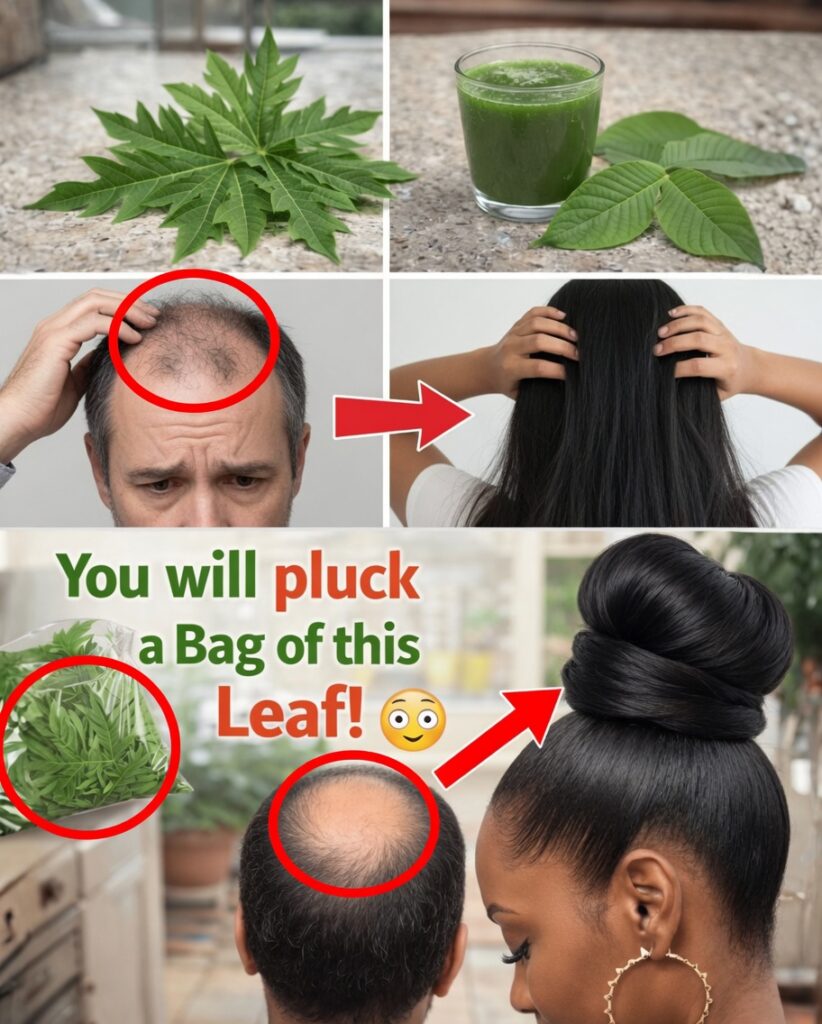
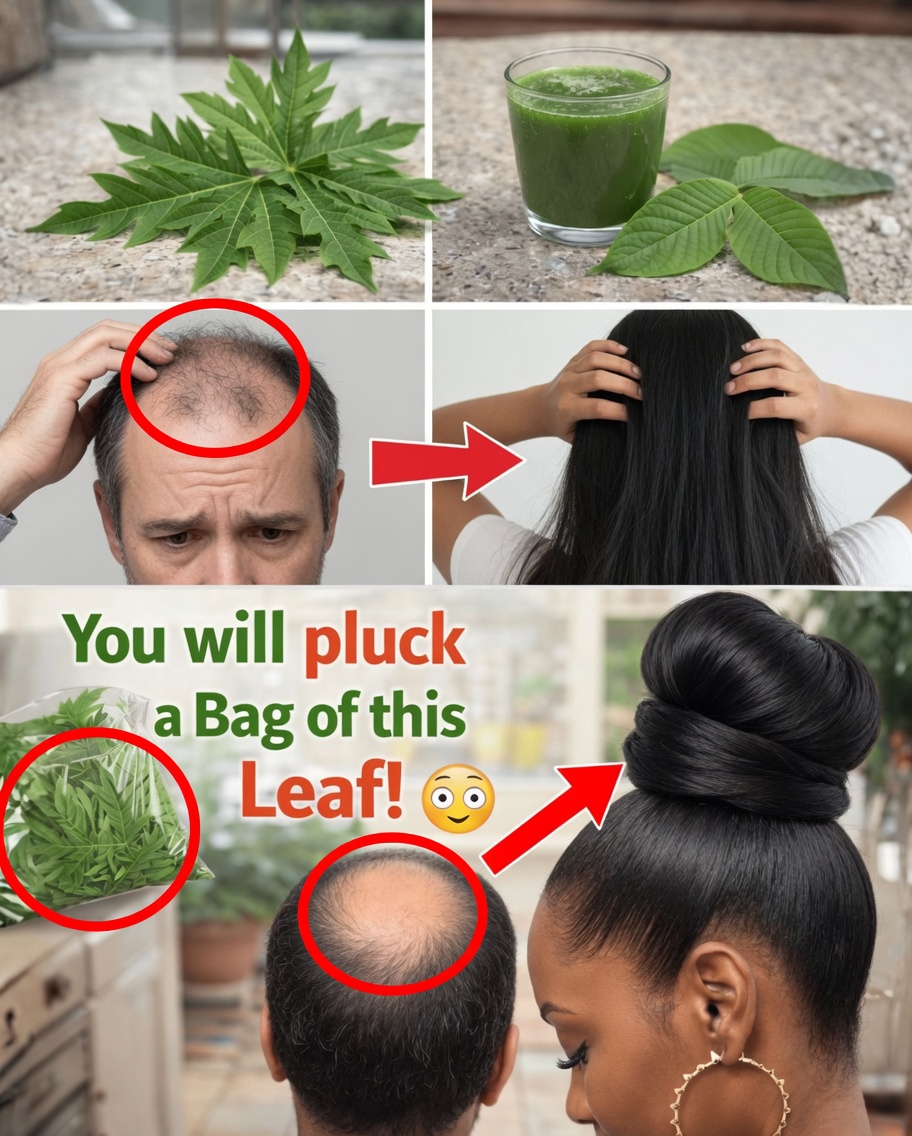
Hair thinning tends to become more noticeable with age, and many people see gradual changes in volume and overall density as the years go by. Stress, hormonal fluctuations, and everyday wear-and-tear can all slow growth or increase shedding—sometimes leaving more scalp visible and confidence lower than before. While popular choices include topical products and supplements, a growing number of people also explore gentle, nature-based options to support scalp health.
One plant that’s often overlooked is the papaya leaf. It contains bioactive compounds—especially papain, an enzyme that has a long history in traditional care and is starting to draw attention in early scientific discussions about scalp maintenance. Below, you’ll learn why papaya leaves are being tried for hair wellness, what limited research suggests so far, and practical, safety-first ways to use them.
Why Hair Thinning Often Increases After 40
From midlife onward, shifts in hair density affect a large portion of adults. The causes are usually multi-factorial, including genetics, lifestyle influences, and environmental exposure. Many people first notice it through:
- More hair collecting in brushes or shower drains
- A widening part line in photos
- Reduced “lift” and fullness when styling
These changes are often connected to slower follicle activity, scalp inflammation, reduced circulation, or product buildup that interferes with a healthy scalp environment. Because the scalp is the foundation for hair growth, traditional approaches frequently emphasize botanical ingredients that may help keep it clean, calm, and balanced.
A key reason papaya leaves are trending in natural hair routines is their enzyme content, which some consider a gentle addition to broader hair-support habits.
What Really Contributes to Thinning Hair?
Hair thinning rarely has only one trigger. Common contributing factors include:
- Hormonal influences, including sensitivity to DHT (dihydrotestosterone) in some individuals
- Oxidative stress, driven by daily stressors, pollution, and general aging
- Poor scalp circulation, which can reduce consistent nutrient delivery to follicles
- Inflammation and residue, including irritation or buildup from styling products and harsh cleansing routines
- Diet and stress management, which strongly affect overall hair resilience
Even when genetics play a central role, improving scalp conditions and daily habits can still be useful. This is where interest in papaya leaves comes in—largely because of their unique biochemical profile.
Papaya Leaves and Papain: Why They’re Getting Attention
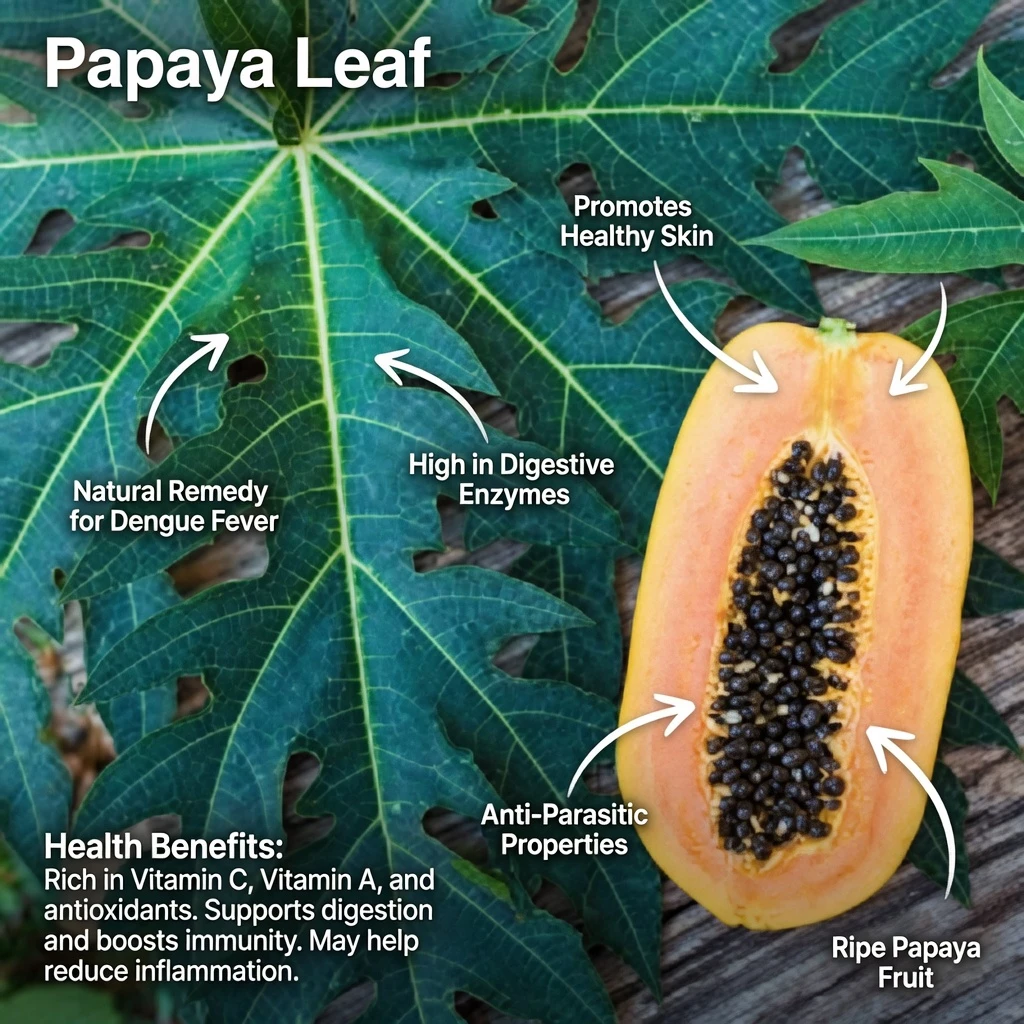
Papaya leaves are known to contain:
- Papain, a proteolytic enzyme (breaks down proteins)
- Antioxidants and various phytonutrients
- Vitamins and plant compounds commonly associated with protective, supportive care
Across different cultures, papaya leaf preparations (extracts, rinses, or pastes) have been used for general scalp and hair care. Some early laboratory findings involving other parts of the papaya plant (such as flowers) suggest possible antioxidant activity and potential mild interaction with 5α-reductase, an enzyme linked to DHT production. However, it’s important to be clear: direct, high-quality evidence that papaya leaves regrow hair is still limited, and more human research is needed.
Health sources (including summaries commonly referenced in consumer health media) often highlight that papaya leaf use is popular topically for scalp wellness, but definitive proof for major hair-growth outcomes remains emerging. Most of the practical interest centers on papain’s potential to help keep the scalp cleaner through gentle exfoliation.
How Papaya Leaves May Support Scalp and Hair Health (Potential Benefits)
Below are the main reasons people experiment with papaya leaves—framed as supportive possibilities rather than guaranteed results.
1. Gentle Exfoliation That May Reduce Scalp Buildup
Papain may help loosen and remove:
- Dead skin accumulation
- Excess oil (sebum)
- Residue that can contribute to clogged follicles
A cleaner scalp surface can help follicles function in a less “blocked” environment.
2. Possible Support for DHT-Related Pathways (Evidence Still Limited)
Some preliminary research on papaya-derived extracts suggests potential mild effects involving enzymes associated with DHT pathways. This is not the same as proving papaya leaves prevent hair loss, but it helps explain why the ingredient is frequently discussed in natural hair forums.
3. Scalp-Soothing Potential
Papaya leaves contain plant compounds commonly associated with calming effects. If scalp irritation or sensitivity is part of your hair concern, a soothing routine may support comfort and reduce scratching or inflammation triggers.
4. Antioxidant Support Against Oxidative Stress
Oxidative stress can affect follicle health over time. Antioxidants from plant sources (including flavonoids and vitamins) may support overall scalp and hair resilience as part of a broader healthy routine.
5. Indirect Circulation Support Through Massage
Many papaya-leaf routines involve scalp massage during application. Massage itself can encourage blood flow, potentially improving delivery of oxygen and nutrients to the scalp surface.
Quick Comparison: Popular Natural Scalp-Care Options
Here’s how papaya leaves are commonly positioned among other at-home, natural approaches:
- Papaya leaf rinse: Enzyme-focused cleansing + antioxidant content; widely used in traditional routines
- Aloe vera gel: Hydration and soothing; often used for dryness and irritation
- Coconut oil massage: Moisture and slip; commonly paired with scalp massage (may feel heavy for some hair types)
- Onion juice: Sulfur-related strengthening interest; effective for some, but odor can be intense
Papaya leaves stand out mainly because of their papain-driven exfoliation angle and their long-standing traditional use.
How to Use Papaya Leaves at Home (Safe, Practical Methods)
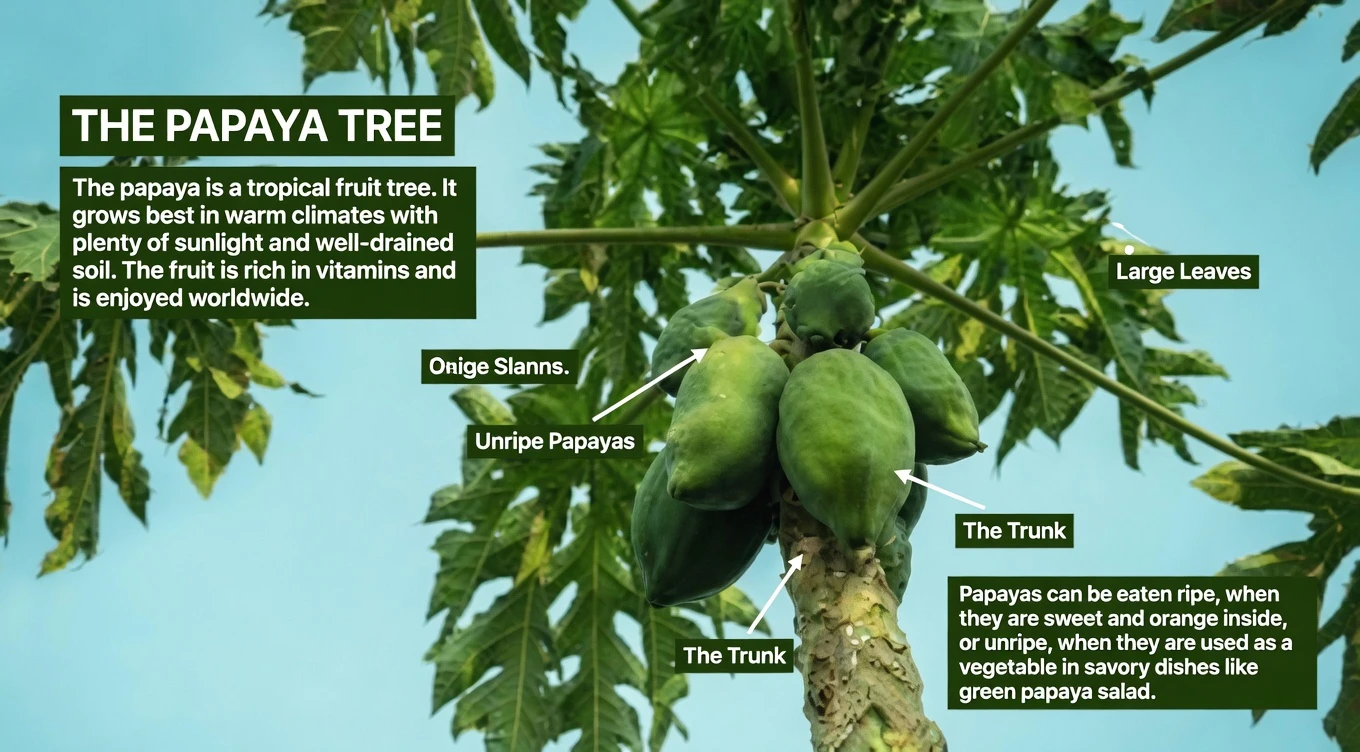
If you want to try papaya leaves, choose fresh, organic leaves when possible—fresh leaves may offer stronger enzyme activity than older or poorly stored material.
Simple Papaya Leaf Rinse (Basic Recipe)
- Thoroughly wash 10–15 fresh papaya leaves.
- Boil the leaves in 2–3 cups of water for 15–20 minutes.
- Let the liquid cool, then strain it.
- After shampooing, pour the rinse over the scalp as a final step.
- Gently massage for 1–2 minutes.
- Use 2–3 times per week, adjusting based on dryness or sensitivity.
Optional mask method:
- Blend fresh leaves into a paste and mix with a carrier (such as coconut oil).
- Apply to the scalp for 20–30 minutes, then rinse thoroughly.
Dried Leaf “Tea” Option (Topical or Internal Use With Caution)
- Dry leaves in the shade, crush, and steep in hot water.
- Let it cool and use it as a rinse.
If drinking papaya leaf tea, do so in moderation and with extra caution—papain is potent, and internal use isn’t appropriate for everyone. When in doubt, consult a healthcare professional first.
Patch Test First (Strongly Recommended)
Before applying widely:
- Test a small amount behind the ear or on the inner arm
- Wait 24 hours
- Stop if you notice burning, redness, itching, or irritation
What Timeline Can You Expect?
People who experiment with papaya leaves often describe gradual, subtle changes rather than dramatic shifts. A common pattern reported is:
- Weeks 1–2: Some notice less day-to-day shedding
- Weeks 3–4: Scalp may feel cleaner or less oily/itchy
- Month 2 and beyond: Possible improvements in texture, manageability, or perceived density with consistent care
Outcomes vary widely and depend on the cause of thinning, overall health, stress, nutrition, and hair-handling habits. For best support, pair any topical routine with:
- A nutrient-dense diet (protein, iron, zinc, vitamin D when appropriate)
- Gentle detangling and heat management
- Stress-reduction practices and consistent sleep
Final Takeaway: Are Papaya Leaves Worth Adding to Your Routine?
Papaya leaves can be an affordable, plant-based addition for people interested in enzyme-rich scalp care. While they are not a guaranteed answer for hair loss, their traditional use and the early interest in papain’s scalp-cleansing role make them a reasonable option for those seeking gentle support. Start slowly, track how your scalp responds, and treat any improvement as part of a bigger routine—not a standalone cure.
Frequently Asked Questions
How often should I use a papaya leaf rinse?
A common schedule is 2–3 times per week. If your scalp starts feeling dry or tight, reduce frequency.
Are there side effects from using papaya leaves on the scalp?
Many people tolerate topical use well, but irritation can happen. Stop use if you experience redness, itching, or burning. Internal use requires extra caution due to papain’s potency.
Can papaya leaves replace professional hair-loss treatments?
They may complement a routine, but they shouldn’t replace medical evaluation. If thinning is persistent or worsening, consider speaking with a dermatologist to identify underlying causes.
Medical Disclaimer
This content is for informational purposes only and does not replace medical advice. Consult a qualified healthcare professional before starting new remedies—especially if you have underlying health conditions, are pregnant, or are experiencing significant hair loss.