Plaque Buildup: Why It’s So Common (and Why It Matters)
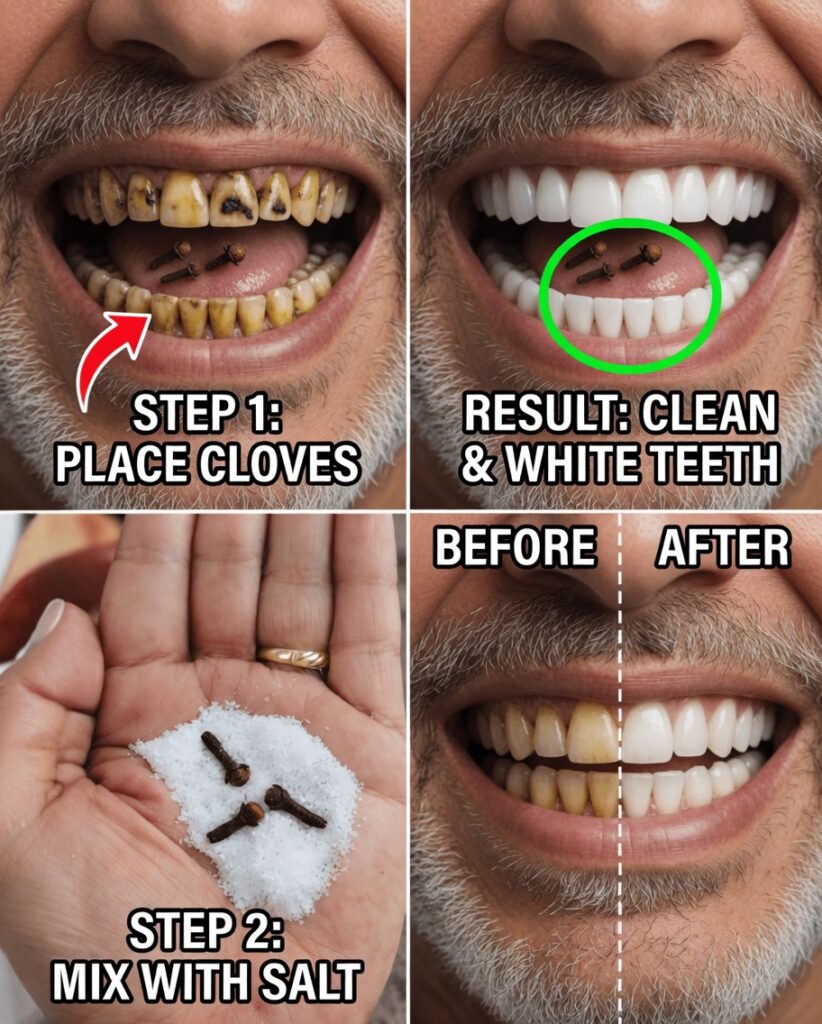
Dental plaque affects a huge number of adults and often shows up as yellowing teeth, stubborn film, bad breath, and irritated gums. Even if you brush every day, you might still feel a rough coating by nighttime—especially if you drink coffee frequently, snack often, or have an inconsistent routine. Left unmanaged, plaque can gradually impact both confidence and long-term oral health.
The encouraging part is that a few gentle, kitchen-based practices—many rooted in traditional habits and increasingly discussed in research—may help loosen plaque, support fresher breath, and improve how clean teeth feel. These methods work best as support for brushing and flossing, not as replacements for professional dental care.
Why Plaque Turns Into Tartar (and Why Prevention Is Essential)
Plaque is a soft, sticky film of bacteria that forms after eating and drinking. When plaque isn’t removed thoroughly, it can harden into tartar (calculus). Unlike plaque, tartar bonds tightly to teeth and usually cannot be removed at home—it requires professional cleaning.
Consistent oral hygiene reduces plaque buildup, and factors like diet, hydration, and sugar/acid exposure can influence how bacteria thrive in the mouth. Natural add-ons may help your mouth feel cleaner, but they should always be viewed as adjuncts to dentist-recommended habits.
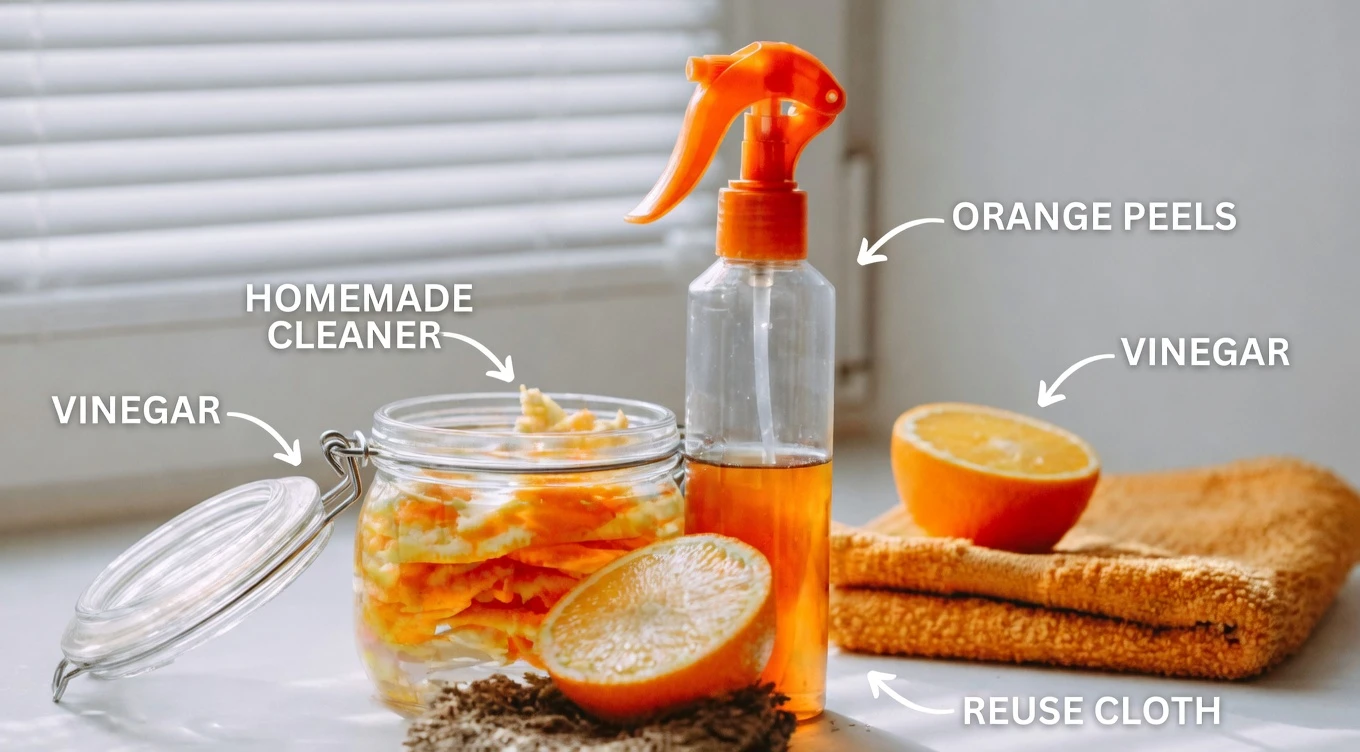
1. Orange Peel Rubbing: A Gentle Citrus Polish
A popular home technique involves rubbing the white inner pith of a fresh orange peel over the teeth for a short time. Some laboratory research on citrus components (including extracts from peels) suggests possible antimicrobial activity against certain oral bacteria.
How to do it
- After brushing, gently rub the pith side of a fresh orange peel on your teeth for 1–2 minutes
- Rinse thoroughly with water
Caution
- Citrus is naturally acidic and may contribute to enamel weakening if overused
- Keep it occasional and ask your dentist if you’re prone to sensitivity
2. Tomatoes: Nutrient Support for Gum Health
Tomatoes are rich in vitamin C and antioxidants such as lycopene. Vitamin C plays an important role in supporting gum tissue integrity, and higher intake is often associated with better inflammatory balance.
Practical ways to use tomatoes
- Eat tomatoes regularly in salads, sandwiches, or meals
- If you want to try a direct approach, you can lightly rub a tomato slice on teeth briefly and rinse—however, eating tomatoes is the preferred option
This method is mainly about nutrition and support, not scrubbing teeth.
3. Baking Soda + Salt Paste: Mild Polishing and Acid Neutralizing
Baking soda (sodium bicarbonate) is widely used in oral care because it can act as a gentle abrasive and help neutralize acids. Multiple reviews have found that toothpastes containing baking soda can improve plaque control in some comparisons.
Step-by-step
- Mix a small pinch of baking soda with a small amount of fine salt
- Add a few drops of water to form a paste
- Brush gently for a short time 2–4 times per week
- Rinse well, then brush with a fluoride toothpaste to support remineralization
Key safety note
- Overuse or aggressive brushing can contribute to enamel wear
- Use a soft brush and keep pressure light
4. Diluted Lemon Rinse: High Risk, Use Very Sparingly
Lemon contains citric acid, which can disrupt bacteria in some conditions—but that same acidity can also harm enamel.
If you choose to try it (rarely)
- Mix 1 part lemon juice with 3 parts water
- Swish for 30–60 seconds only 1–2 times per week
- Rinse thoroughly with plain water afterward
- Do not brush immediately—wait at least 30 minutes
Important warning
Frequent citrus exposure is strongly associated with enamel erosion risk, so many dental professionals discourage routine use. If your teeth are sensitive, skip this method.
5. Coconut Oil Pulling: Traditional Practice with Antimicrobial Potential
Oil pulling with coconut oil is commonly used to support oral freshness. Coconut oil contains lauric acid, which has been studied for antimicrobial properties. Clinical trials (including randomized studies) have reported improvements in plaque-related scores and reductions in certain oral bacteria for some participants.
How to oil pull
- Take 1 tablespoon of coconut oil
- Swish gently for 10–15 minutes (start with 3–5 minutes if you’re new)
- Spit it out (into a bin, not the sink if plumbing is a concern)
- Rinse, then brush as normal
Reminder
- Do not swallow the oil
- Consider it a supportive habit, not a substitute for brushing/flossing
6. Chewing Sesame Seeds: Light Mechanical Cleaning
Chewing raw sesame seeds may provide a mild “polishing” effect through gentle mechanical friction.
Simple method
- Chew a small handful of raw sesame seeds for 2–3 minutes
- Spit out the residue
- Brush normally afterward
This is best viewed as a surface-support habit, not deep cleaning.
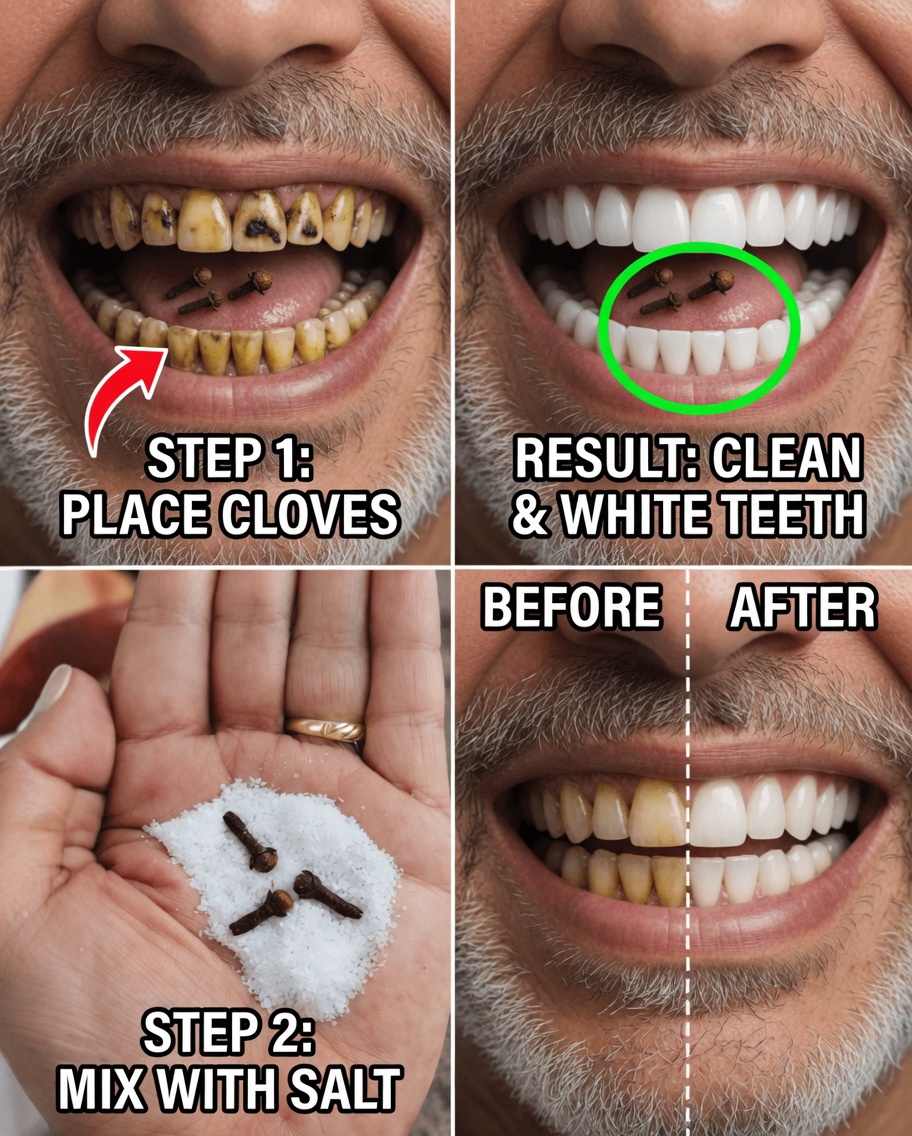
7. Clove + Olive Oil Paste: Comforting, Antibacterial Touch
Cloves contain eugenol, a compound widely known for its soothing and antibacterial properties in dental contexts.
How to use
- Crush 1–2 cloves
- Mix with a drop of olive oil to form a paste
- Apply gently to teeth or gums for about 1 minute
- Rinse well
Use this occasionally, especially if you’re seeking mild comfort for irritated areas.
8. Aloe Vera Gel: Calming Support for Gums
Aloe vera is commonly used for its soothing properties, and limited evidence suggests it may support gum comfort and plaque-related outcomes in certain settings.
How to try it
- Use pure aloe vera gel
- Massage a small amount onto the gums 3–5 times per week
- Optional: add a drop of lemon essential oil only if you tolerate it well (avoid if sensitive)
If your gums react or sting, stop and choose a gentler option.
Core Habits That Matter Most (Natural Add-Ons Work Best Here)
No home method replaces fundamentals. For lasting plaque control, prioritize:
- Brush twice daily with a soft-bristle toothbrush for 2 minutes (gentle circular motions)
- Floss daily to remove buildup between teeth
- Rinse with simple options like diluted saltwater when needed
- Drink enough water and reduce frequent sugary/acidic snacks
- Get regular dental checkups for tartar removal and early detection
Quick Comparison: Which Options Do What?
- Surface support: orange peel rubbing, sesame seed chewing (gentle, occasional)
- Bacterial balance: coconut oil pulling, clove paste (supportive routines; don’t swallow oil)
- Gum comfort and support: aloe vera, tomato intake (consistent, low-abrasion)
- Mild polishing: baking soda + salt (2–4 times weekly maximum, gentle pressure)
- Best overall strategy: daily basics + professional cleaning (ongoing, essential)
Smart Tips to Get Better Results Safely
- After acidic foods/drinks, wait 30 minutes before brushing; rinse with water or use sugar-free gum first
- Add only 1–2 new habits at a time so you can tell what helps (or irritates)
- Track changes weekly (breath, smoothness, gum comfort)
- Replace your toothbrush every 3 months (or sooner if bristles flare)
Conclusion
Gentle at-home strategies—such as coconut oil pulling, baking soda use in moderation, nutrient-rich foods, and soothing gum care—may help support plaque control and oral freshness when practiced carefully. Choose one or two that feel realistic, stay consistent for a few weeks, and combine them with strong brushing, flossing, and regular dental visits for the best results.
FAQ
-
Can natural methods completely remove tartar?
No. Once plaque hardens into tartar, it typically requires professional scaling. Home methods are mainly for prevention and softening plaque. -
How often should I use acidic options like lemon or orange peel?
Keep them rare—no more than 1–2 times per week, and always consider enamel risk (especially with lemon). -
Is coconut oil pulling safe for everyone?
Many people tolerate it well as an add-on. If you have dental concerns, sensitivity, or ongoing gum issues, check with your dentist first.
This article is for informational purposes only and is not a substitute for professional dental advice. Consult a dentist or healthcare provider before trying new oral care habits, especially if you have sensitivities or medical conditions.