
You’re awake at 2 a.m. again—walking to the bathroom for the third time tonight. The stream is slow and hesitant, and even after you finish, it still feels like your bladder isn’t fully empty. A dull pressure sits low in your abdomen, and by morning you’re exhausted, foggy, and running on broken sleep.
For millions of men over 50, these changes are linked to benign prostatic hyperplasia (BPH)—a non-cancerous enlargement of the prostate that often develops with age. The good news is that some gentle, traditional natural oils may offer subtle support for urinary comfort and nighttime frequency. While they’re not a replacement for medical care, both historical use and emerging research suggest they can play a complementary role—especially for mild symptoms.

Why Prostate Changes Can Disrupt Daily Life
As men get older, natural hormonal shifts can contribute to gradual prostate enlargement. When the prostate grows, it may press against the urethra and affect urine flow, leading to lower urinary tract symptoms (LUTS) such as:
- Frequent urination
- Urgency (the sudden need to go)
- Weak or interrupted stream
- Straining
- Nocturia (waking multiple times at night)
Many men dismiss these issues as “just aging,” but the impact is real: poorer sleep, reduced energy, lower concentration, and decreased quality of life. Addressing symptoms early—through lifestyle changes and supportive options—often brings better results than waiting until problems become severe.
Natural oils can be a gentle first step for mild symptoms, but it’s still wise to seek medical evaluation to rule out other causes and confirm what’s going on.
Six Natural Oils That May Support Urinary Comfort (Ranked by Practical Use and Evidence)
Below are six oils commonly discussed for prostate health and BPH-related urinary symptoms, starting with the option that tends to show the most consistent results.
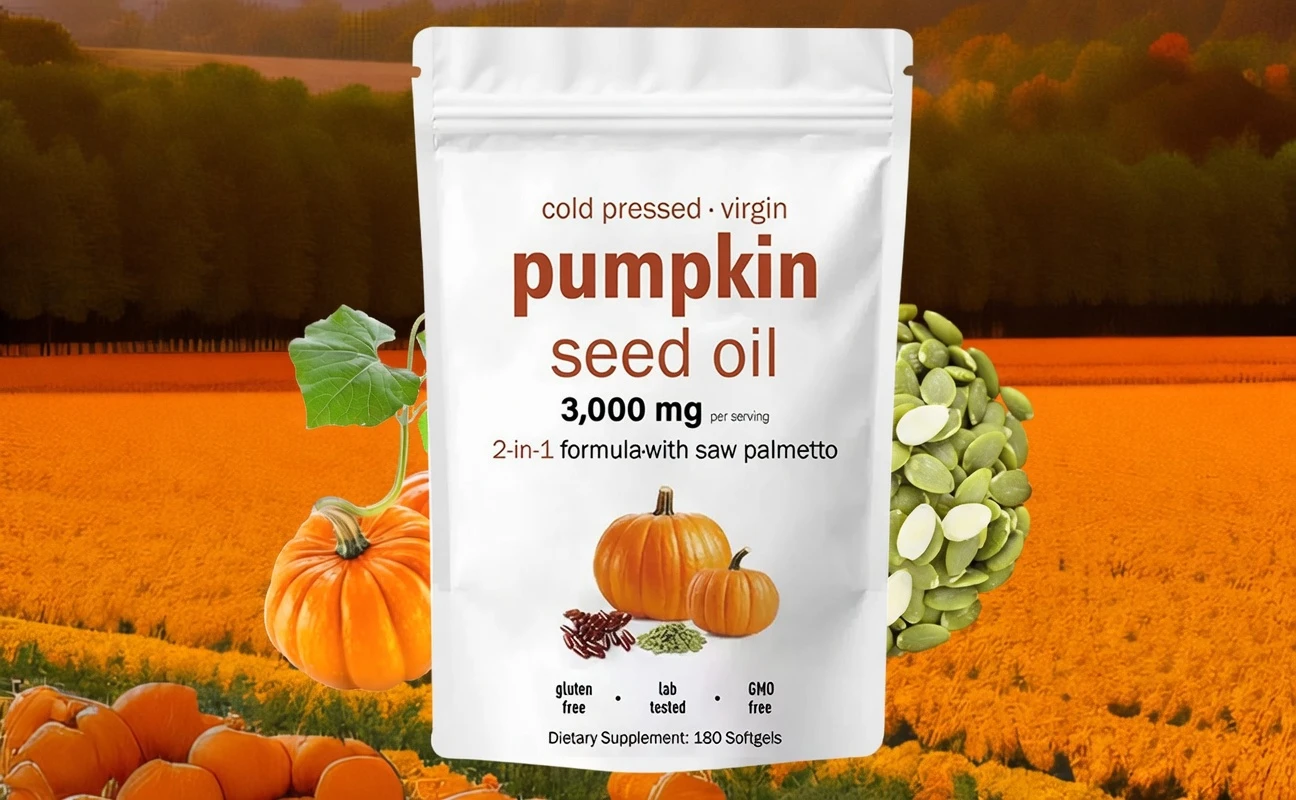
1) Pumpkin Seed Oil + Saw Palmetto Oil: The Most Promising Combo for BPH Symptoms
Among natural approaches, the pumpkin seed oil and saw palmetto oil combination is often considered the standout. Pumpkin seed oil provides zinc and essential fatty acids, while saw palmetto is widely known for its hormone-modulating support, particularly in pathways related to prostate enlargement.
Clinical research (including long-duration, double-blind trials) suggests this pairing may help:
- Improve urinary flow
- Reduce urgency
- Support overall urinary comfort
- Decrease nighttime waking over time for some men
Many men describe gradual changes rather than dramatic overnight relief—such as fewer bathroom trips at night and a steadier stream during the day. The appeal of this duo is that it aims to support prostate function without aggressive intervention.
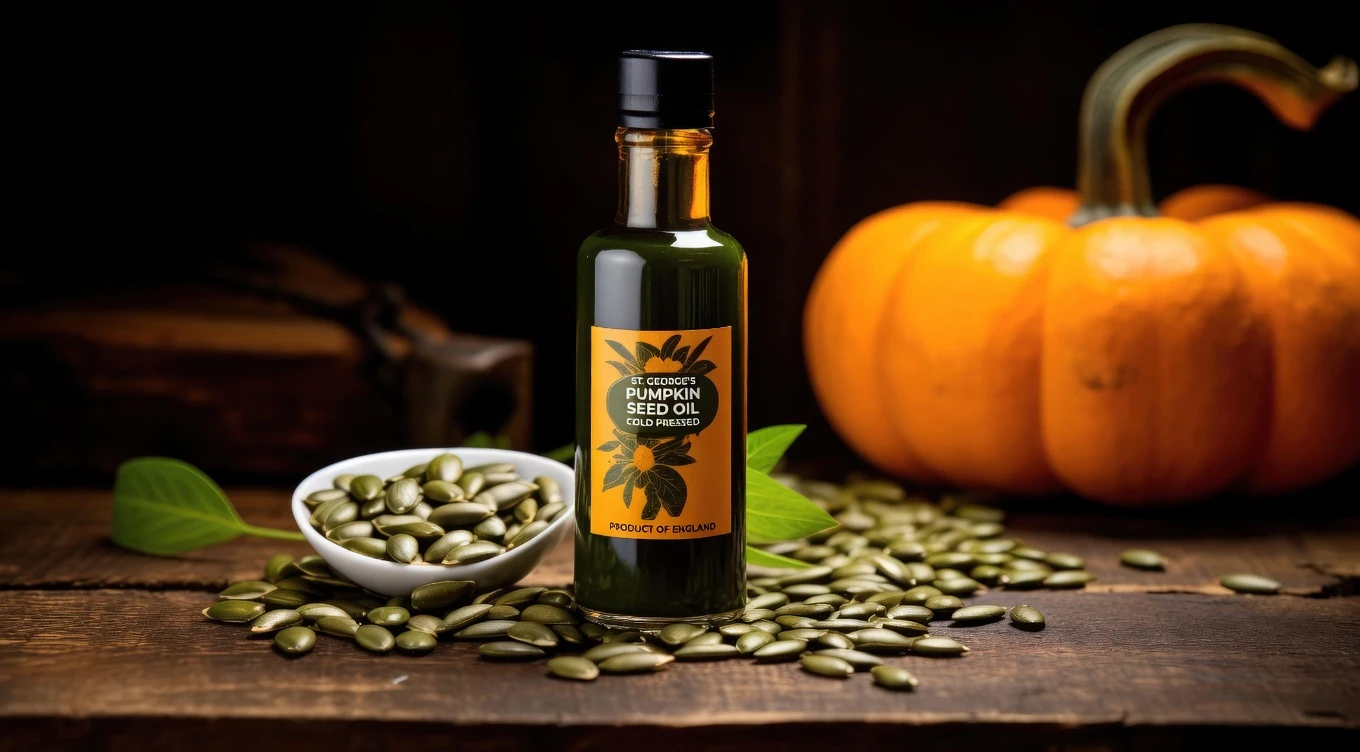
2) Pumpkin Seed Oil: A Simple Daily Option for Better Urinary Flow
Pumpkin seed oil has a pleasant nutty taste and is easy to use consistently. In longer-term studies, daily supplementation has been associated with improvements in:
- Maximum urinary flow rate
- Common LUTS complaints (weak stream, incomplete emptying sensations)
Some research suggests pumpkin seed oil may gently influence 5α-reductase activity, an enzyme often discussed in prostate growth pathways. Many men appreciate it because it’s generally well tolerated and easy to include in a routine (food or capsules).
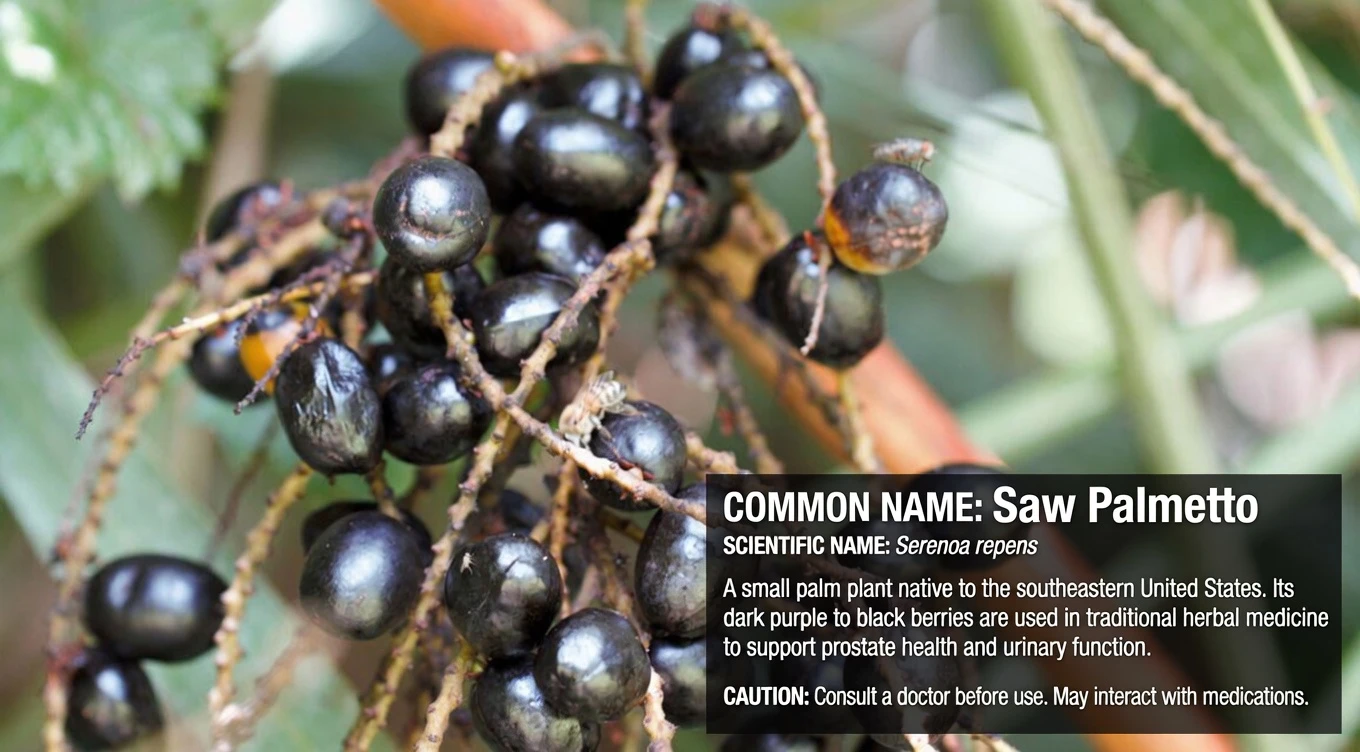
3) Saw Palmetto Oil: The Classic, Most-Studied Botanical Oil for Prostate Support
Derived from the berries of the saw palmetto plant, saw palmetto oil/extract is one of the best-known natural options for urinary symptoms. Multiple placebo-controlled trials indicate it may support:
- Improved urine flow
- Reduced urinary discomfort
- Better symptom scores over several weeks of consistent use
Outcomes vary between individuals and between different extract types, but overall, saw palmetto remains one of the most frequently researched botanicals for BPH symptom support.

4) Flaxseed Oil: Anti-Inflammatory Nutritional Support
Flaxseed oil is valued primarily for its omega-3 fatty acids and potential anti-inflammatory effects. Early research suggests its components (including lignan-related activity, depending on the flax form) may help modestly with urinary discomfort by supporting a calmer inflammatory environment.
Common, practical uses include:
- Drizzling onto salads
- Mixing into meals (avoid high-heat cooking)
- Taking measured spoonfuls daily
While evidence for BPH symptom improvement is still developing, flaxseed oil is often chosen as a supportive wellness option—especially for men focused on overall inflammation balance.
5) Turmeric (Curcuma) Oil: Targeting Inflammation Pathways
Turmeric oil comes from the same plant family used in traditional remedies worldwide. Preclinical research suggests turmeric-related compounds may influence inflammatory signaling pathways (including those like NF-κB), which could be relevant to prostate tissue swelling and irritation.
Important notes:
- Human evidence for turmeric oil specifically is limited
- It’s often used with food for better tolerance
- Quality and concentration can vary significantly between products
For men who suspect inflammation plays a role in discomfort, turmeric oil is sometimes explored as a complementary option—but it shouldn’t be treated as a primary solution on its own.
6) Lime Essential Oil: Early Research for Tissue Protection (Not for Internal Use)
Lime essential oil has been studied in animal or lab settings for potential protective effects on prostate tissue. However:
- Human evidence is scarce
- Essential oils are highly concentrated
- It is typically used externally and must be properly diluted
- It should not be ingested directly
If used at all, it belongs in the “cautious, external-only” category and is not a core recommendation for urinary symptoms.
Quick Comparison: Natural Oils Commonly Used for Prostate Support
- Pumpkin seed + saw palmetto (combo): strongest overall support in the natural category; often used for symptom relief
- Pumpkin seed oil: supports urine flow and comfort; good daily consistency
- Saw palmetto oil: classic prostate botanical with many clinical trials
- Flaxseed oil: general anti-inflammatory nutrition support; evidence still emerging for LUTS
- Turmeric oil: mainly preclinical evidence; may support inflammation pathways
- Lime essential oil: limited early research; external use only, diluted
How to Use Natural Oils Safely and Effectively
Before starting any supplement routine, consider getting a medical baseline—especially if symptoms are new or worsening. A clinician may recommend a PSA test and a urinary evaluation to confirm BPH and rule out other concerns.
Practical ways to incorporate oils:
- Use with meals: Often improves tolerance and absorption.
- Add to food: Pumpkin seed oil works well on salads, yogurt, or soups (added after heating).
- Choose reputable capsules: Helpful for consistent dosing and standardization.
- Track symptoms: Keep a simple log (nighttime trips, urgency, stream strength) for 8–12 weeks.
Supportive lifestyle habits that often help alongside supplements:
- Reduce evening fluids (especially alcohol/caffeine)
- Stay physically active
- Consider pelvic floor exercises
- Maintain a healthy weight
Safety Guidelines and Precautions
Key reminders for safer use:
- Avoid exceeding label dosages unless guided by a clinician
- Check for allergies (especially plant-derived products)
- Discuss use if you take blood thinners or medications affecting hormones
- Stop and seek medical advice if you notice unusual symptoms
- Continue regular monitoring (PSA/urinary checks) as recommended by your healthcare provider
Natural oils are often well tolerated, but “natural” does not automatically mean risk-free—especially when combined with medications.
A More Restful Night Starts with Consistent, Small Steps
Fewer nighttime bathroom trips, a steadier stream, and less pressure can make a noticeable difference in how you feel each day. No oil is an instant fix, but options like pumpkin seed oil and saw palmetto oil—along with other supportive choices—may offer gentle, evidence-informed help for mild BPH symptoms.
Talk with your healthcare provider about whether these time-tested oils fit your situation. Consistency, monitoring, and smart lifestyle habits often determine whether subtle improvements turn into meaningful change.
P.S. Roasting pumpkin seeds at home isn’t just tasty—it also preserves their nutty flavor and makes a simple snack that fits well into a prostate-friendly routine.
Medical Disclaimer
This article is for informational purposes only and does not replace professional medical advice. Always consult your healthcare provider before starting supplements, especially if you have medical conditions or take prescription medications.
Frequently Asked Questions
How long does it take to notice results from natural oils for prostate support?
Many men who respond report gradual changes within 4–12 weeks of consistent use. Results vary depending on symptom severity, overall health, and product quality.
Are these oils safe for long-term use?
They are often well tolerated when used as directed, but long-term use should include periodic medical monitoring, especially for men over 50.
Can I use these oils alongside prescription medications?
Possibly, but you should ask your healthcare provider first. Some supplements may interact with blood thinners or medications that influence hormone-related pathways.