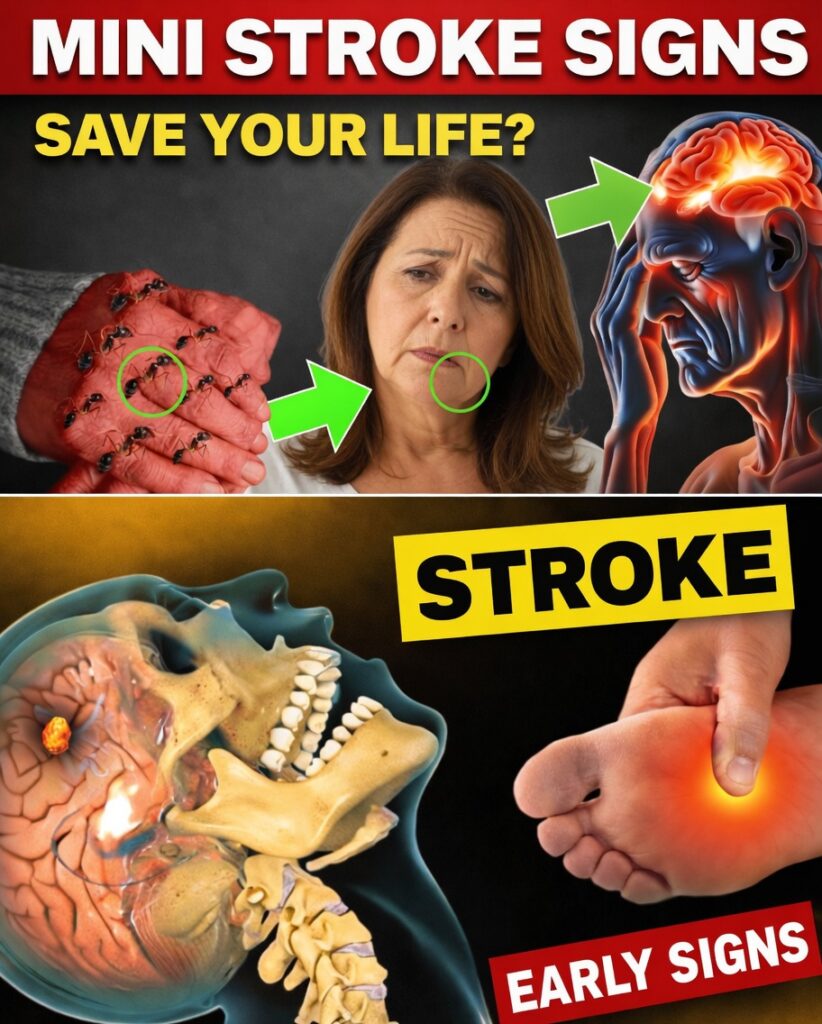
When “Minor” Symptoms May Be a Major Warning
You’re going through an ordinary day when something feels off—your arm turns numb, your speech feels slightly clumsy, or a sudden, crushing headache appears without warning. It’s tempting to blame stress, dehydration, or lack of sleep. Yet in some cases, these brief changes are your body’s early alert for a much more serious threat.
Stroke is still one of the world’s leading causes of death and long-term disability. What many people don’t realize is that warning symptoms can show up days, weeks, or even up to a month beforehand, often due to a transient ischemic attack (TIA)—commonly called a “mini-stroke.” A TIA can mimic a stroke but resolves quickly, making it easy to ignore. Medically, however, it should be treated as an urgent red flag.
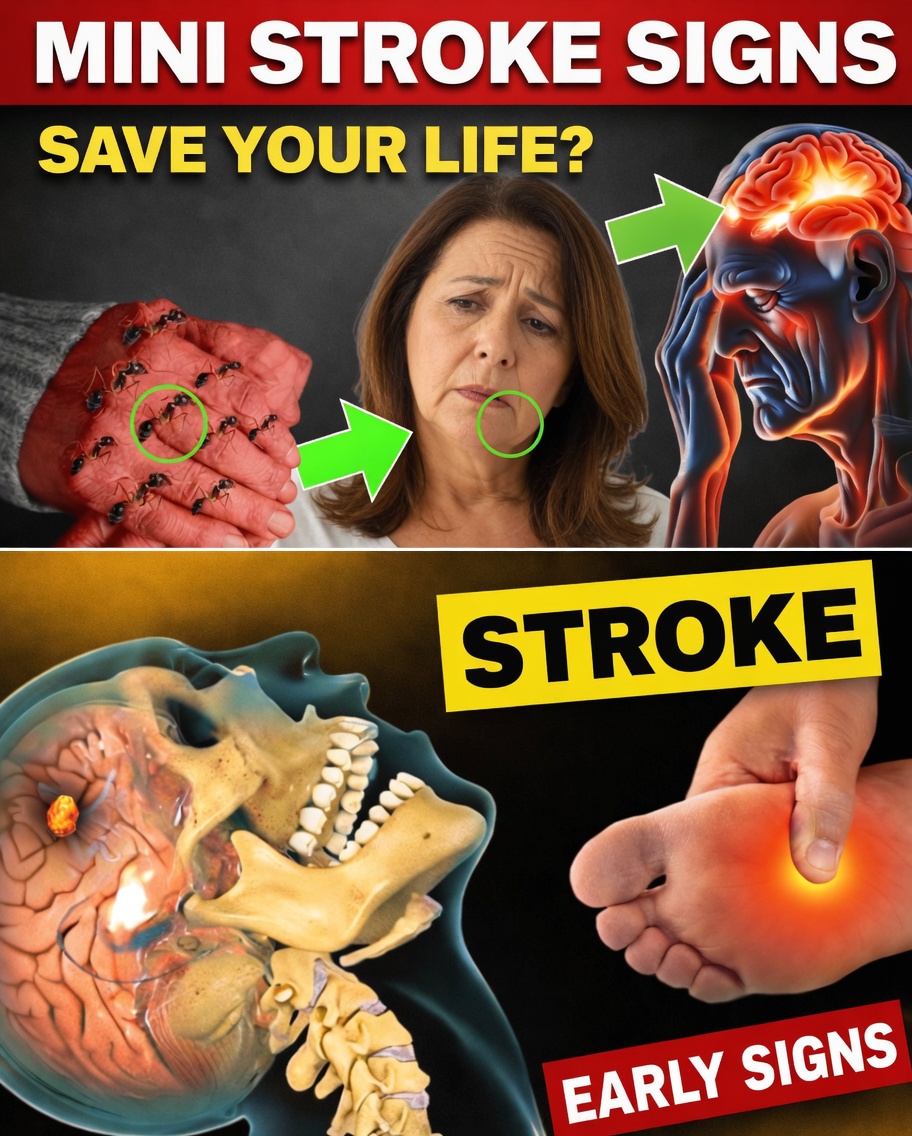
The encouraging part is that early recognition and quick action can significantly reduce harm and lower future risk. Below are research-backed warning signs and practical prevention habits aligned with guidance commonly associated with leading medical organizations such as the American Heart Association and Mayo Clinic.
Early Stroke Warnings: What Medical Evidence Suggests
A stroke doesn’t always happen without any notice. Research (including findings published in Neurology and discussed by organizations tied to the American Academy of Neurology) indicates that TIA symptoms often occur shortly before a major stroke, especially in the days leading up to it—though some people experience repeated, on-and-off episodes over a longer period.
A TIA occurs when blood flow to part of the brain is briefly interrupted. Symptoms may last minutes or hours and then disappear. Despite this temporary nature, the risk is real: without evaluation and treatment, a significant number of people go on to have a full stroke within the next few months, with risk especially elevated early on.
The danger is that these episodes can feel “too small to matter” precisely because they pass. But catching them early gives you a crucial opportunity to intervene.
8 Early Warning Signs You Should Never Ignore
These symptoms are commonly linked to TIAs or reduced blood flow to the brain. They may appear sporadically and then vanish. If any occur—particularly on one side of the body—seek immediate medical care.
-
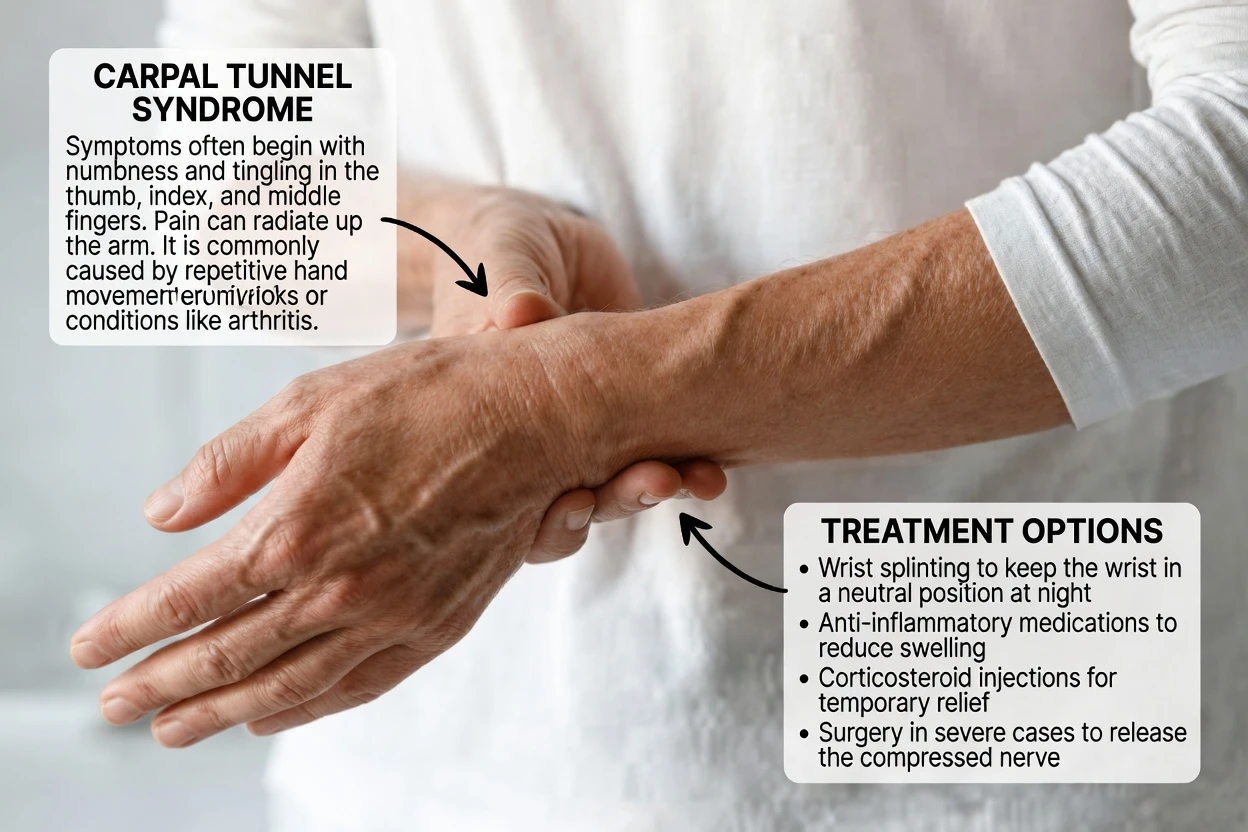
Numbness or weakness in the face, arm, or leg
- Often affects one side only.
- May feel like tingling, pins-and-needles, or sudden heaviness.
-
Sudden dizziness or poor coordination
- Feeling off-balance, stumbling, or experiencing a spinning sensation.
- Can be brief but still serious.
-
A severe, unexplained headache
- Sudden and intense (“thunderclap” style) or unusually painful compared to normal headaches.
- No clear trigger.
-
Changes in vision
- Blurry vision, double vision, or temporary vision loss in one or both eyes.
- Sometimes described as a curtain briefly coming down.
-
Trouble speaking or understanding speech
- Slurred words, difficulty forming sentences, or inability to find common words.
- Confusion when listening to others.
-
Short-lived problems with thinking or memory
- Sudden confusion, unusual forgetfulness, or difficulty focusing.
- Feels out of character, then resolves.
-
Unusual fatigue or extreme exhaustion
- Profound tiredness that doesn’t match your activity level or rest.
- Can accompany other subtle neurological changes.
-
Difficulty swallowing
- Frequent choking, coughing while eating/drinking, or a sensation that swallowing is “off.”
FAST still matters—even if symptoms disappear
A widely used emergency checklist is FAST:
- Face drooping
- Arm weakness
- Speech difficulty
- Time to call emergency services
Medical guidance emphasized by groups like the American Stroke Association stresses that even brief, resolved symptoms still require urgent evaluation.
Everyday Stroke Prevention: Practical Steps That Lower Risk
Stroke prevention is often about controlling factors you can influence. Authorities such as the CDC, American Heart Association, and major clinical centers frequently note that a large share of strokes may be preventable through consistent lifestyle and medical management.
Here are actionable habits you can start building now:
-
Control your blood pressure
- Many guidelines aim for below 140/90 mmHg, with lower targets (such as 130/80) recommended for some people.
- Home monitoring plus a clinician-guided plan can be highly protective.
-
Keep blood sugar stable
- If you have diabetes or prediabetes, follow your nutrition plan, check levels as advised, and take prescribed treatments to protect blood vessels.
-
Stop smoking and avoid secondhand smoke
- Quitting reduces stroke risk over time.
- Counseling, nicotine replacement, and stop-smoking programs can improve success.
-
Limit alcohol
- Keep intake moderate (often defined as up to one drink daily for women and two for men, unless your clinician advises less).
-
Choose a brain-healthy diet
- Emphasize vegetables, fruit, whole grains, legumes, lean proteins, and healthy fats.
- Reduce salt, processed foods, and saturated fats to support artery health.

-
Be physically active most days
- Aim for about 30 minutes of moderate movement on most days (brisk walking, cycling, swimming, or yoga all count).
- Regular activity supports circulation, blood pressure, and weight management.
-
Reach and maintain a healthier weight
- Even a 5–10% reduction in body weight can improve cardiovascular strain and metabolic markers.
-
Schedule routine health screenings
- Monitor cholesterol, blood pressure, and heart rhythm.
- Detecting issues like atrial fibrillation early can be stroke-preventing.
-
Protect sleep and manage stress
- Strive for 7–8 hours of quality sleep.
- Use realistic stress tools—breathing exercises, meditation, therapy, or relaxing hobbies—to reduce long-term strain on the cardiovascular system.
These changes don’t need to happen all at once. Start with one or two steps that fit your routine, then build consistency.
Key Takeaway: Act Early, Protect Your Future
TIA-like symptoms may be short, subtle, and easy to dismiss—but they can provide a vital window to prevent a life-altering stroke. Staying alert to early warning signs and committing to heart-healthy habits (blood pressure control, movement, nutrition, and medical checkups) can preserve independence and long-term brain health.
This article is for educational purposes and does not replace professional medical advice. If you experience possible stroke symptoms—even if they resolve—contact a healthcare professional immediately or call emergency services.
FAQ
What is a TIA, and why do people call it a “warning stroke”?
A transient ischemic attack (TIA) is a temporary reduction or blockage of blood flow to the brain that causes stroke-like symptoms but resolves within minutes to hours. It’s often labeled a warning stroke because it can signal a high near-term risk of a full stroke and requires urgent medical assessment.
How soon can a stroke happen after early warning signs?
In many cases, warning episodes occur hours to days before a major stroke, though some people experience intermittent symptoms over weeks. Because risk can be highest soon after a TIA, it’s safest to seek care immediately.
Can lifestyle changes really reduce stroke risk?
Yes. Improving blood pressure control, smoking cessation, regular physical activity, healthier eating, and management of diabetes/cholesterol can meaningfully reduce stroke risk by addressing the underlying drivers of blood vessel damage and clot formation.