
Living with diabetes often means being more intentional about everyday carbohydrates—especially bread, a global staple that can raise blood sugar quickly. It’s common to feel discouraged when a simple slice of toast or a favorite sandwich leads to an unexpected glucose spike and an energy crash later on. The upside: bread quality varies widely. When you choose options higher in fiber, made from true whole grains, and generally lower on the glycemic index (GI), your body tends to absorb carbohydrates more slowly and steadily.
In this guide, you’ll find diabetes-friendly bread choices that typically support smoother blood sugar responses, along with nutrition-based reasons behind each pick. You’ll also learn easy pairing strategies that can further reduce the impact of bread on glucose.

Why Your Bread Choice Can Affect Blood Sugar
Bread shows up at breakfast, lunch, and dinner in many cultures—but not all loaves behave the same in the body. Refined white bread is usually digested quickly, converting to glucose fast and increasing blood sugar more rapidly. In contrast, foods with a lower GI (often defined as under 55) generally lead to a slower, more gradual rise when eaten as part of a balanced meal.
What drives the difference?
- Fiber content: More fiber typically slows digestion and glucose absorption.
- Whole-grain structure: Keeping the bran and germ intact changes how fast starches break down.
- Processing and fermentation: Methods like sprouting or sourdough fermentation can reduce the speed of carbohydrate digestion.
Evidence from glycemic index databases and nutrition research consistently points to these factors as key reasons certain breads are more blood sugar-friendly than others.
Top 5 Bread Choices for More Stable Blood Sugar
Below are five bread types often recommended for diabetes-conscious eating because they’re typically richer in fiber and tend to have lower or more moderate GI values than refined white bread.

1. Sprouted Grain Bread (Such as Ezekiel-Style Bread)
Sprouted grain bread is made from grains (and often legumes) that have started to sprout before baking. This process can naturally reduce some starch content while improving nutrient availability and increasing fiber density. Many sources report a GI around 35–36 for popular sprouted varieties.
Why it’s a strong option:
- Typically high in fiber and protein
- Often more filling, so smaller portions feel satisfying
- Generally associated with a lower GI compared with standard breads
2. Rye Bread (Especially Dense Pumpernickel)
Rye bread—particularly traditional, dense pumpernickel made with whole rye—contains notable amounts of soluble fiber, which can slow digestion. GI values are commonly reported in the 41–56 range, with denser rye breads often trending lower.
Benefits many people look for:
- Slower carbohydrate absorption due to soluble fiber
- More steady energy and fewer sharp fluctuations for some individuals
- A hearty texture that helps with portion awareness
3. 100% Whole Wheat or 100% Whole Grain Bread
True whole wheat or whole grain bread retains the bran and germ, which increases fiber and micronutrients compared with refined flour bread. GI values vary widely by brand and formulation, but whole grain options are generally lower than white bread—often in the 50–70 range.
What to watch for:
- Choose bread labeled “100% whole wheat” or “100% whole grain”
- Be cautious with products that say “wheat bread” but still use refined flour
4. Flaxseed or Chia Seed Bread
Breads made with flaxseed or chia seeds bring extra soluble fiber plus healthy fats (including omega-3s in many flax-based products). These seeds can form a gel-like texture during digestion, which may slow how quickly carbohydrates are broken down and absorbed.
Why it stands out:
- Adds fiber + healthy fat, a combination that supports satiety
- Often has a denser slice, which can naturally reduce over-serving
- Works well with savory toppings and protein-based meals
5. Sourdough Bread (Preferably Whole Grain or Rye Sourdough)
Authentic sourdough is made through natural fermentation, which creates organic acids that can influence starch structure and slow digestion. Depending on the type (especially whole grain or rye sourdough), GI values are often cited around 48–54.
Key advantages:
- Fermentation may improve glucose response compared with non-fermented breads
- Often easier for some people to tolerate than highly processed loaves
- Pairs well with protein and fiber-rich foods for better balance
Quick Snapshot: What Makes These Breads Different
Here’s a simplified view of why these choices are popular in diabetes-friendly eating patterns (GI values vary by brand and individual response):
- Sprouted grain/Ezekiel-style: Often the lowest reported GI (~35–36); high fiber and protein
- Rye/pumpernickel: Strong soluble fiber profile; GI commonly 41–56
- 100% whole grain/whole wheat: Dependable fiber upgrade; GI typically lower than white bread
- Flax/chia breads: Fiber + healthy fats to support fullness and slower digestion
- Sourdough: Fermentation advantage; GI often around 48–54
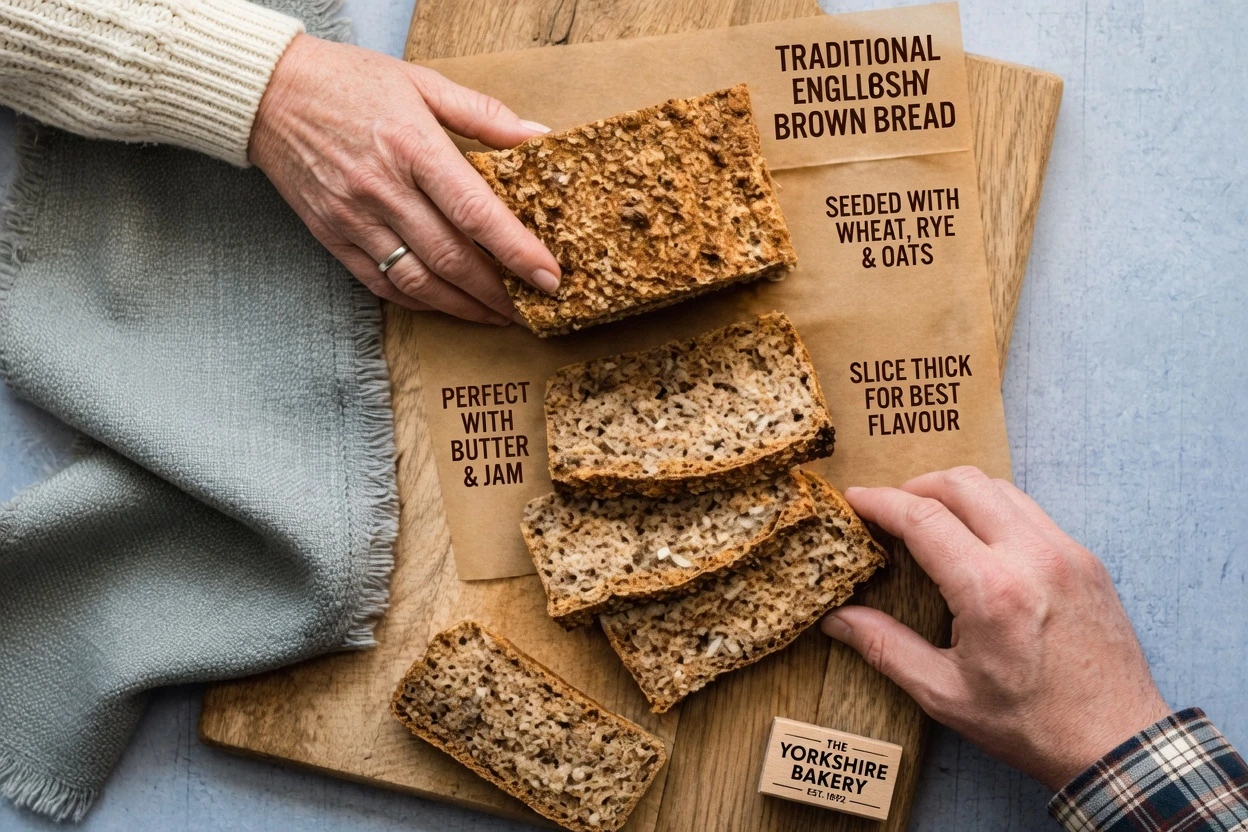
Even with better bread, what you eat with it can make a major difference.
Practical Ways to Eat Bread More Wisely (Without Feeling Deprived)
Choosing a smarter loaf is a great start, but daily habits are what make the results consistent. Use these strategies to keep bread in your routine while supporting steadier blood sugar.
Portion guidance
- A practical range for many people is about 80–100 g of bread per day, often around 2–3 thin slices depending on density and carb goals.
- Spread servings across meals instead of stacking them all at once.
A simple label checklist
When shopping, look for:
- “100% whole grain” or “100% whole wheat” listed clearly
- At least 3 g of fiber per slice (more is often better)
- Minimal added sugars (avoid frequent additions like sugar, honey, syrups)
- No refined flour as the main ingredient (watch for “enriched wheat flour” near the top)
Pair bread with protein or healthy fat
To help slow digestion and blunt blood sugar spikes, pair bread with foods that add protein and/or fat, such as:
- Eggs
- Avocado
- Nut or seed butter
- Smoked salmon or tuna
- Greek yogurt-based spreads
- Cheese or tofu-based toppings
Research broadly supports that mixed meals (carbs combined with protein and fat) often lead to a more moderate glucose response than carbs eaten alone.
A step-by-step shopping approach
- Start in the whole-foods area or freezer section (sprouted breads are often frozen).
- Compare nutrition panels for fiber and added sugars.
- Buy one new bread type at a time and test small portions.
- Keep notes on how you feel and, if you monitor, how your blood sugar responds.
Conclusion: Small Bread Swaps Can Support Steadier Days
You don’t necessarily need to eliminate bread to manage diabetes well. Swapping refined bread for more fiber-rich, lower-GI options—such as sprouted grain, rye, true whole wheat/whole grain, flax or chia breads, and sourdough—can help you enjoy familiar meals while supporting better blood sugar awareness. The goal is balance: smart choices, reasonable portions, and supportive pairings.
Frequently Asked Questions
What makes bread “low GI” for blood sugar support?
Breads tend to be lower GI when they digest more slowly—usually because they contain more fiber, use whole grains, or rely on fermentation (like sourdough). These features can reduce the speed of glucose release compared with refined white bread.
Can someone with diabetes eat bread daily?
Many people can include bread every day by focusing on quality, portion size, and balanced meals. Individual carbohydrate targets differ, so personalized guidance from a clinician or registered dietitian is recommended.
Is sprouted grain bread worth paying more for?
Often, yes—sprouted breads are frequently higher in nutrients and may have a lower reported GI. However, a well-made 100% whole grain bread with solid fiber can also be a great choice. The best option is the one you can access consistently and that works well for your body.
Disclaimer: This article is for informational purposes only and does not provide medical advice. Blood sugar responses differ from person to person. Always consult your physician or a registered dietitian before making dietary changes, especially if you have diabetes or related health conditions.