
As we age, our bodies naturally face more wear and tear—especially from oxidative stress and low-grade inflammation that can accumulate over the years. Many older adults also experience a smaller appetite, slower digestion, or lower energy, which can make it harder to get enough key nutrients for long-term wellness. One of the simplest, low-effort upgrades is adding seeds to everyday meals: they deliver a concentrated dose of fiber, healthy fats, and protective plant compounds in just a spoonful.

Research highlighted by organizations such as the American Institute for Cancer Research supports plant-forward eating patterns (including nuts and seeds) as part of broader lifestyle habits associated with healthier risk patterns. No single food can prevent or cure cancer, but several seeds are especially notable for bioactive compounds—such as lignans, omega-3s (ALA), antioxidants, minerals, and fiber—that laboratory and population research links to supportive processes in the body.
Below are six seeds frequently mentioned for their nutrient density and research interest, along with easy, senior-friendly ways to include them.
Why Seeds Are a Smart Addition for Seniors
Seeds are small, but they’re nutritionally powerful. Many provide:
- Healthy fats to support cell structure and heart health
- Fiber to promote regular digestion and a balanced gut microbiome
- Antioxidants and plant compounds that help the body manage oxidative stress
- Minerals (like magnesium, zinc, calcium, selenium) important for immunity, bones, and energy
For older adults, these benefits can translate into practical, everyday wins: steadier digestion, better satiety on lighter meals, and easier ways to add nutrient density without heavy cooking.
Evidence suggests the greatest benefit comes from consistent, moderate intake as part of balanced meals, not from using seeds as “miracle” solutions. Much of the strongest mechanistic evidence comes from preclinical research (lab and animal studies), while human research is often observational—showing population patterns in people who regularly eat more plant foods.
The Countdown: 6 Seeds with Promising Research Interest
Here are six commonly available seeds, starting with solid options and moving toward those most frequently highlighted in research discussions.
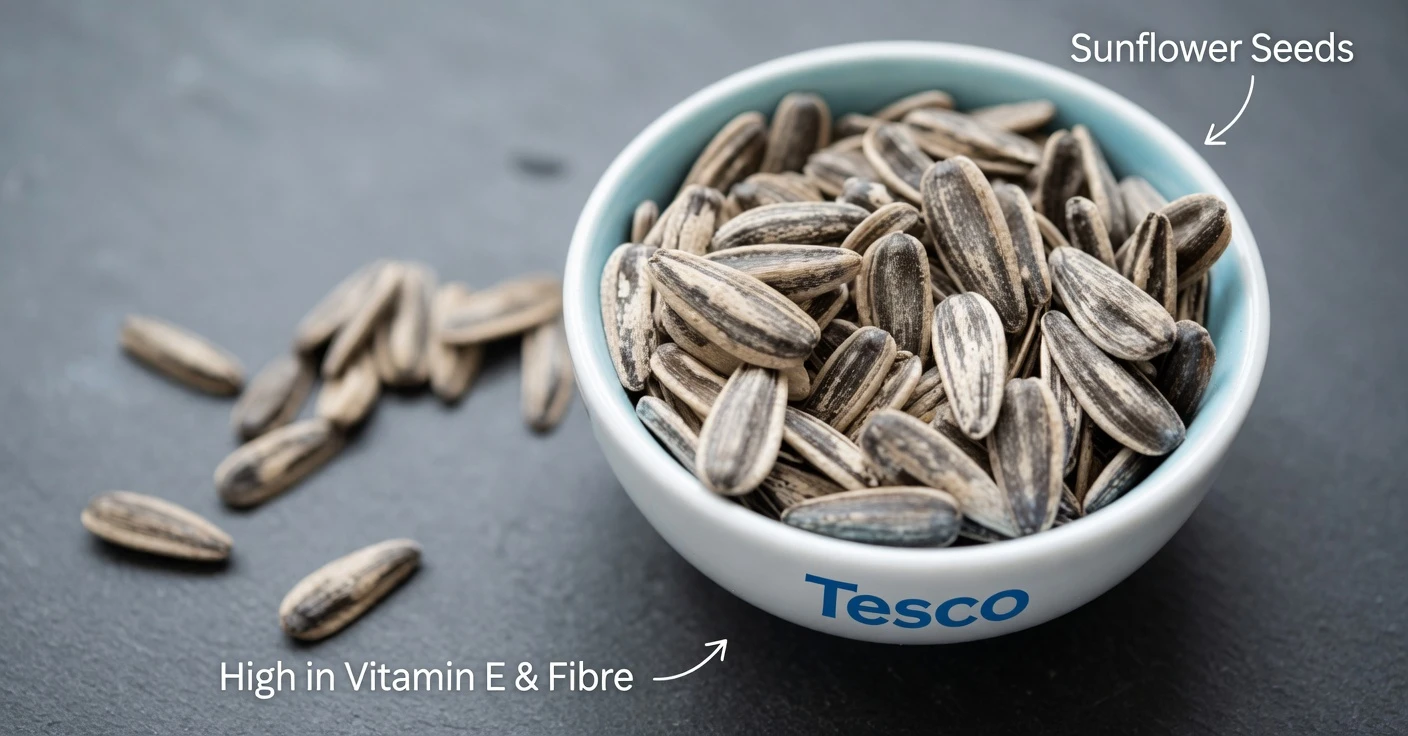
6. Sunflower Seeds — Vitamin E and Selenium for Antioxidant Support
Sunflower seeds are an easy snack that adds crunch and satisfaction—especially helpful on days when appetite is lower. They’re particularly rich in:
- Vitamin E, a key antioxidant that helps protect cells from oxidative damage
- Selenium, a mineral involved in antioxidant defense and DNA support
Some observational research links higher intakes of these nutrients with favorable patterns in areas such as colorectal and lung health. For seniors, vitamin E and selenium may also support immune function and skin integrity, which become increasingly important with age.
5. Sesame Seeds — Lignans (Sesamin) Plus Minerals for Bones and Immunity
Sesame seeds have a mild, nutty flavor and fit easily into many cuisines. They contain lignans, including sesamin, which has shown antioxidant and anti-proliferative activity in preclinical models. Research interest often focuses on patterns related to breast, colon, and skin health.
Sesame also contributes useful minerals, including:
- Calcium (bone support)
- Zinc (immune function and wound healing)
Because the flavor is subtle, sesame is one of the easiest seeds to “hide” in daily meals.
4. Pumpkin Seeds — Phytosterols, Zinc, and Magnesium for Whole-Body Support
Pumpkin seeds (pepitas) offer an earthy crunch and are packed with nutrients that many seniors benefit from, including:
- Phytosterols, plant compounds that may support healthy hormone balance
- Zinc, important for immune health and tissue repair
- Antioxidants, which help counter oxidative stress
- Magnesium, often linked to relaxation and sleep quality
Research discussions sometimes mention pumpkin seed components in relation to breast, liver, and colon health patterns. A small handful can be a simple way to increase mineral intake without increasing meal size significantly.
3. Chia Seeds — Fiber and Plant Omega-3s for Gentle Daily Support
Chia seeds are especially practical for seniors because they’re easy to swallow and digest when soaked. Nutritionally, chia provides:
- Soluble fiber to support bowel regularity and gut health
- ALA omega-3s (plant-based omega-3 fats) associated with inflammation balance
- Lignans and antioxidants that contribute to protective effects
Soaking chia in water, milk, or yogurt creates a soft texture that many people find comfortable—especially if chewing becomes difficult. Fiber is also widely associated with healthier detoxification pathways and digestive function, which supports whole-body wellness.
2. Ground Flaxseed — A Top Source of Lignans for Hormone-Related Support
Ground flaxseed stands out because it’s one of the most concentrated food sources of lignans, which are studied for their potential role in:
- Hormone modulation
- Supporting healthy cell behavior
- Patterns related to breast and prostate health in research discussions
Flax also provides ALA omega-3s and both soluble and insoluble fiber, supporting inflammation balance and digestive regularity. For most people, ground flaxseed is more useful than whole flaxseed because grinding improves absorption and is often easier on digestion.
1. Flaxseed (Ground) — Often Ranked Highest for Overall Evidence Interest
Flaxseed frequently leads “best seed” lists because it combines a strong nutrient profile with one of the largest bodies of research interest—especially around lignans, hormone pathways, antioxidant defenses, and gut-related detox processes. Observational data often links higher intake of flax or lignan-rich diets with favorable patterns for certain cancers, though these are associations rather than proof of prevention.
For day-to-day life, flaxseed is also one of the most practical: it blends smoothly into oatmeal, yogurt, and smoothies with minimal flavor impact.
Quick Comparison: Key Compounds and Simple Serving Ideas
-
Flaxseed (ground)
- Key compounds: Lignans, ALA omega-3, fiber
- Research interest: Hormone-related patterns (breast/prostate), cell-support pathways
- Easy serving: 1–2 tbsp stirred into oatmeal or smoothies
-
Chia seeds
- Key compounds: Soluble fiber, ALA omega-3, lignans
- Research interest: Gut health, inflammation balance
- Easy serving: 1–2 tbsp soaked in yogurt or water
-
Pumpkin seeds
- Key compounds: Phytosterols, zinc, magnesium, antioxidants
- Research interest: Breast/liver/colon health patterns
- Easy serving: Small handful in salads or as a snack
-
Sesame seeds
- Key compounds: Sesamin (lignan), antioxidants, calcium, zinc
- Research interest: Anti-proliferative activity in preclinical work; breast/skin patterns
- Easy serving: 1 tbsp toasted over vegetables or rice
-
Sunflower seeds
- Key compounds: Vitamin E, selenium
- Research interest: Antioxidant support; colorectal/lung patterns in observational nutrition research
- Easy serving: Small handful as a snack or sprinkled on meals
Moderation matters: for most seeds, 1–2 tablespoons per day is a practical range that delivers benefits without adding excessive calories.
Easy Ways to Eat These Seeds Every Day
Start small and build gradually—this is especially helpful if you’re increasing fiber.
- Add ground flaxseed or chia to yogurt, oatmeal, or fruit.
- Mix pumpkin or sunflower seeds into salads or homemade trail mix.
- Sprinkle toasted sesame seeds on stir-fries, rice bowls, or roasted vegetables.
- Make a quick smoothie: banana + yogurt (or kefir) + ground flax + a small spoon of chia.
Helpful tips for seniors:
- Choose ground flaxseed (or grind it fresh) for better absorption.
- Soak chia seeds to improve texture and reduce the chance of stomach discomfort.
- Store seeds in a cool, dark place; refrigeration can help preserve freshness.
- If you use blood thinners or have a medical condition, ask your clinician about significant dietary changes—especially if increasing omega-3-rich foods.
Extra Benefits Beyond Cancer-Related Research Interest
These seeds support multiple wellness goals that matter in later life:
- Heart support: fiber and healthy fats can support circulation and cholesterol patterns
- Bone and immune support: minerals like magnesium, zinc, and calcium
- Digestive comfort: fiber promotes regularity and can help with fullness on smaller meals
Common Questions
Can seeds replace medical treatment?
No. Seeds may support overall wellness and risk-reduction habits, but they are not treatments or cures. Follow professional medical advice for diagnosis and care.
Are seed allergies possible?
Yes, although some are less common than peanut or tree nut allergies. Start with small amounts and stop if you notice symptoms. Consult a clinician if you have concerns.
How much should I eat?
For most people, 1–2 tablespoons most days (or a small handful for snack-style seeds) fits easily into meals without overdoing calories.
Final Thoughts
Adding nutrient-dense seeds is a simple, realistic habit that can support healthy aging. Ground flaxseed often ranks highest due to its lignan content and broad research interest, with chia, pumpkin, sesame, and sunflower offering strong complementary benefits. Try introducing just one seed this week—small daily additions can become a long-term habit that supports lasting vitality.