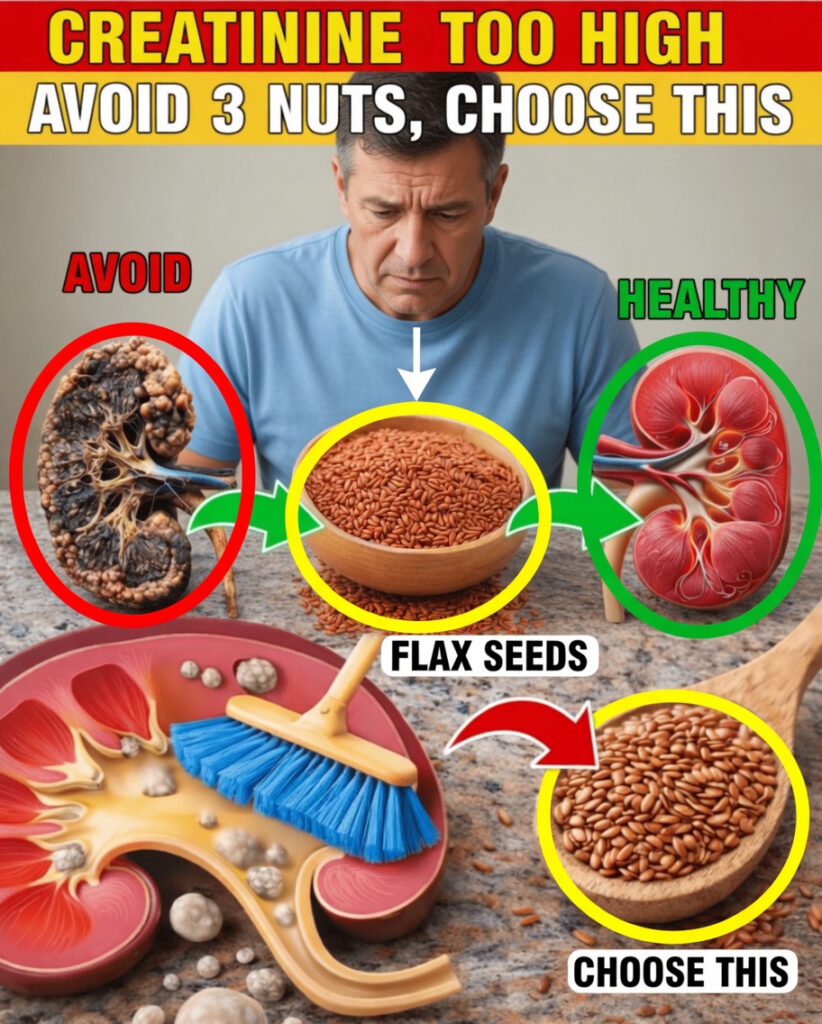
High Creatinine Levels? These 3 Nuts May Be Worth Cutting Back—And Why Flaxseeds Are a Better Swap
Seeing elevated creatinine on a blood test can be stressful. It often brings fatigue, concern about kidney health, and a lot of uncertainty about what foods are still safe to enjoy. For many people, snacking becomes especially confusing because foods that seem healthy at first glance may contain nutrients that require closer attention when kidney function is under strain.
The encouraging part is that a few practical diet changes can make everyday choices feel easier. One simple switch in particular is getting more attention as a kidney-conscious option: replacing certain nuts with flaxseeds.
What surprises many people is learning which common nuts may need to be limited and how easily flaxseeds can take their place. With the right approach, this change can fit naturally into your routine without making meals feel restrictive.
What High Creatinine Levels Can Signal
Creatinine is a waste substance created when muscles use creatine for energy. Under normal conditions, the kidneys filter creatinine out of the bloodstream and remove it through urine. When blood creatinine rises above the usual range, it may suggest that the kidneys are not clearing waste as efficiently as they should.
That is why food choices can matter. Diet is not a substitute for medical treatment, but it can help reduce stress on the body when paired with proper care. Drinking enough fluids when allowed, attending regular medical appointments, and following kidney-friendly habits can all support day-to-day well-being.
Why Some Nuts Need Closer Monitoring
Nuts are widely praised for their healthy fats, protein, and convenience. However, not all nuts are equally suitable when creatinine is elevated. Some contain higher amounts of phosphorus and potassium, two minerals that healthy kidneys usually regulate well. When kidney function changes, keeping an eye on these nutrients becomes more important.
According to kidney health guidance, choosing the right type of nuts and controlling portion sizes can make a meaningful difference. This does not mean all nuts must be avoided forever. It simply means selecting them more carefully.
And this is where a few familiar favorites stand out.
3 Nuts to Limit When Creatinine Is High
Kidney-focused nutrition resources often point to the following nuts because they provide relatively higher phosphorus and potassium per serving:
-
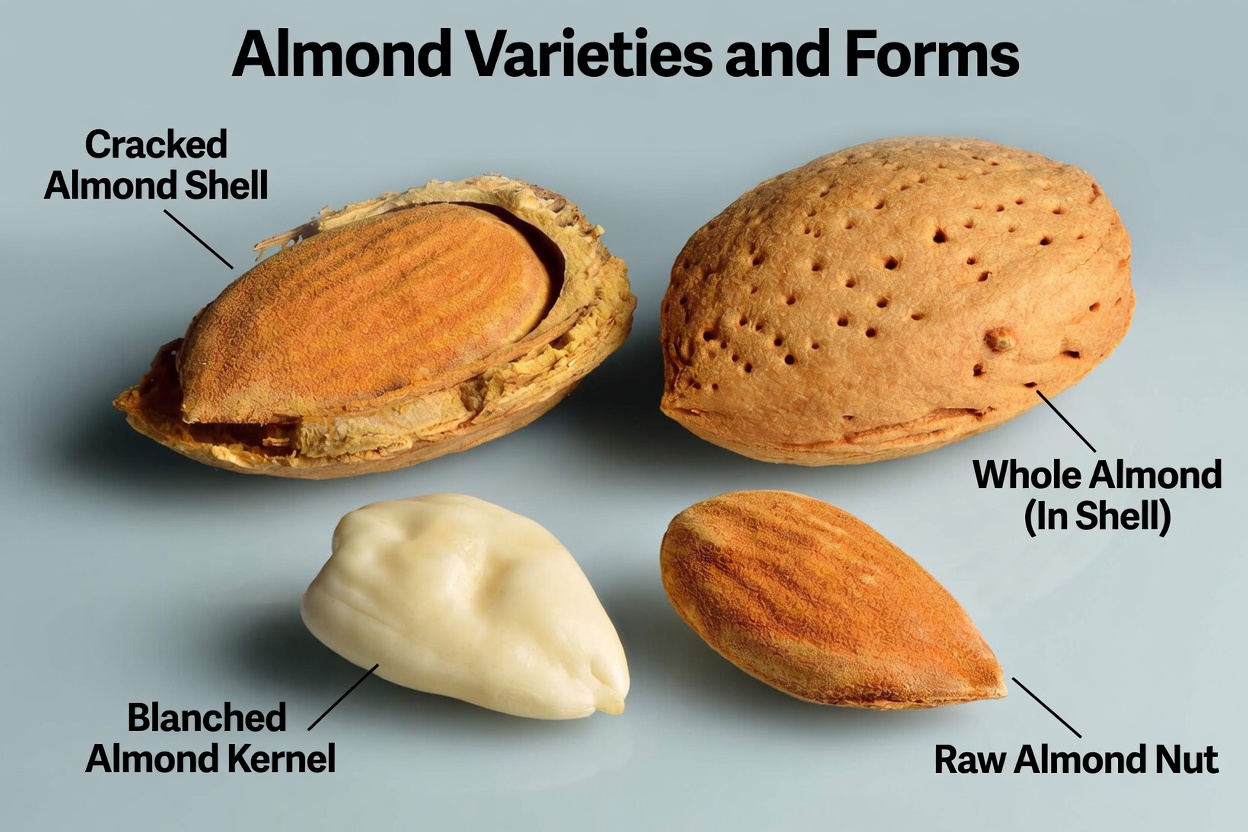
Almonds
Even though almonds are nutrient-dense, they also contain notable levels of both phosphorus and potassium, even in modest portions. -
Peanuts
Commonly eaten as snacks or peanut butter, peanuts can add up quickly and are relatively high in these same minerals. -
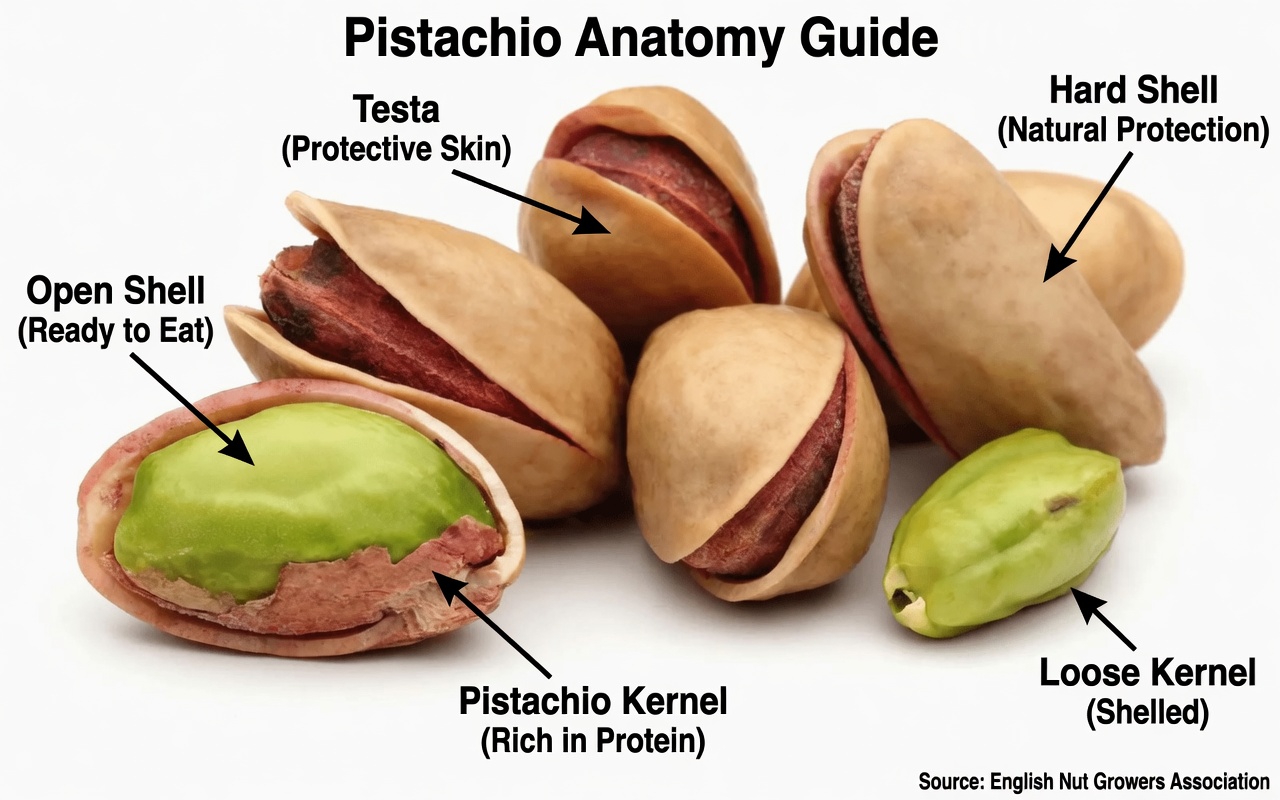
Pistachios
Pistachios are flavorful and popular, but they also contain elevated potassium and phosphorus that may require more caution.
These foods are not automatically harmful for everyone. People with healthy kidney function often eat them without issue. But if creatinine is high, it is wise to review portions with your doctor or a renal dietitian so your plan matches your lab results and health needs.
As a general comparison, lower-mineral options such as pecans or macadamia nuts may work better for some individuals. Still, your personal test results should always guide the final choice.
Why Flaxseeds Are a Smart Alternative
For many people, flaxseeds offer a much easier fit in a kidney-supportive eating pattern. Compared with almonds, peanuts, and pistachios, flaxseeds are often lower in potassium and phosphorus. That is one reason kidney nutrition guidance commonly includes flax and chia seeds among helpful options for certain kidney conditions.
Flaxseeds also provide several nutritional benefits, including:
- Plant-based omega-3 fats in the form of ALA
- Soluble fiber that may support digestion
- Lignans, naturally occurring compounds linked to overall wellness
Some research, including animal studies and small human trials, has explored whether flaxseed components may help support healthy inflammation responses and digestive regularity. These findings are promising, though flaxseeds should be seen as one helpful part of a larger care plan, not a cure or standalone treatment.
Another reason people like them is their mild, nutty flavor. They add a pleasant texture and can replace nuts in many meals and snacks without much effort.
Simple Ways to Add Flaxseeds to Your Diet
You do not need to completely change your kitchen habits to start using flaxseeds. A few small steps can make the transition easy:
-
Use ground flax for better absorption
Whole flaxseeds may pass through the body without fully breaking down. Grinding them helps your body access more of the nutrients. You can grind them at home or buy pre-ground flaxmeal. Store ground flax in the refrigerator to keep it fresh. -
Start with a small serving
Begin with about 1 teaspoon daily mixed into food. If you tolerate it well, you can slowly increase to 1 to 2 tablespoons. -
Mix it into breakfast foods
Stir ground flaxseeds into oatmeal, yogurt, smoothies, or pancake batter for a simple nutrition boost. -
Include it in cooking and baking
Add flax to muffins, homemade bread, snack bites, salads, or soups. -
Make it part of your routine
Keep a small jar in the kitchen or pack some with you so it becomes easier to use consistently.
Before significantly increasing fiber, it is important to speak with your healthcare provider, especially if you have digestive issues or take medications that may be affected by diet changes.
Other Daily Habits That Support Kidney Health
The nut-to-flaxseed switch can be useful, but it works best as part of a broader routine. Other supportive habits may include:
- Staying hydrated, unless your doctor has advised fluid restriction
- Choosing fresh foods that fit your potassium needs
- Reducing heavily processed foods
- Staying physically active within your comfort level
- Prioritizing consistent, restful sleep
Many people feel more balanced and confident when they follow these kinds of steady, manageable habits. The goal is not perfection. It is building a routine that feels realistic and sustainable.
Frequently Asked Questions
Can I still eat nuts if my creatinine is elevated?
Yes, in some cases. Very small portions or lower-mineral options such as pecans or macadamia nuts may be appropriate. The right choice depends on your kidney function, lab values, and overall medical plan. A registered dietitian can help tailor this to your needs.
Is it better to eat flaxseeds whole or ground?
Ground flaxseeds are usually the better option because the body can absorb their omega-3s and other nutrients more efficiently. Whole flaxseeds still provide fiber, but grinding helps unlock more of their benefits.
Are there other easy food swaps for kidney support?
Yes. Many people benefit from using herbs and spices instead of extra salt, adding lemon for flavor, or choosing proteins lower in phosphorus. The best strategy is always one designed around your personal health condition and lab results.
Final Thoughts
Higher creatinine levels do not mean you have to give up enjoyable snacks or feel anxious at every meal. By cutting back on higher-phosphorus nuts like almonds, peanuts, and pistachios and using flaxseeds instead, you can make food choices that feel both practical and supportive.
Small changes often lead to the biggest long-term results. Work closely with your doctor or renal dietitian, stay consistent, and focus on progress one step at a time.
Disclaimer
This article is for informational purposes only and should not be considered medical advice. It is not intended to diagnose, treat, cure, or prevent any disease. Always consult your physician or a qualified healthcare professional before making dietary changes, especially if you have kidney concerns or other medical conditions. Individual needs and results may vary.