
Noticing lighter patches or tiny white spots on your skin can be unsettling—especially when they seem to appear out of nowhere or become more obvious after sun exposure. These changes commonly show up on the arms, chest, back, or face, creating an uneven skin tone that naturally raises questions. While some people dismiss them as harmless or simply age-related, understanding the most likely causes can offer reassurance and help you make smarter skincare decisions.
Dermatology research points to several frequent explanations in adults, including tinea versicolor and idiopathic guttate hypomelanosis, particularly in warm climates or in people with significant sun exposure. The encouraging news is that most causes are benign and manageable, and learning the patterns can help you respond calmly and effectively. Below, we break down the most common reasons for white spots on skin and the practical daily habits that support healthier-looking tone.

The Quiet Change: Why White Spots Are Easy to Miss at First
Adult skin changes gradually. Over time, UV exposure, environment, and lifestyle factors can subtly affect pigment and texture. Small pale areas may develop slowly in sun-exposed zones and only become noticeable when surrounding skin tans, making the contrast sharper.
Not every change is purely cosmetic: lighter spots can result from temporary shifts in melanin production, mild inflammation, or yeast overgrowth. Many cases stabilize with consistent care, but persistent or expanding patches deserve attention—often because small routine changes (like sun protection or targeted treatment) can make a visible difference.
Tinea Versicolor (Pityriasis Versicolor): A Common Yeast-Related Cause
One of the most frequent causes of light patches on the upper body is tinea versicolor, also known as pityriasis versicolor. It happens when Malassezia, a yeast that normally lives on the skin, overgrows—often in hot, humid weather, with heavy sweating, or in people with oilier skin.
Affected areas may look lighter than surrounding skin (and sometimes darker), and can have fine scaling or mild itchiness. It frequently involves the back, chest, shoulders, and upper arms. Many people improve with dermatologist-recommended antifungal washes or treatments, though color may take time to even out after the yeast is controlled.
- Common clues: Fine scale (more noticeable when lightly scratched), areas that don’t tan evenly
- Daily support: Wear breathable fabrics and reduce prolonged dampness from sweat
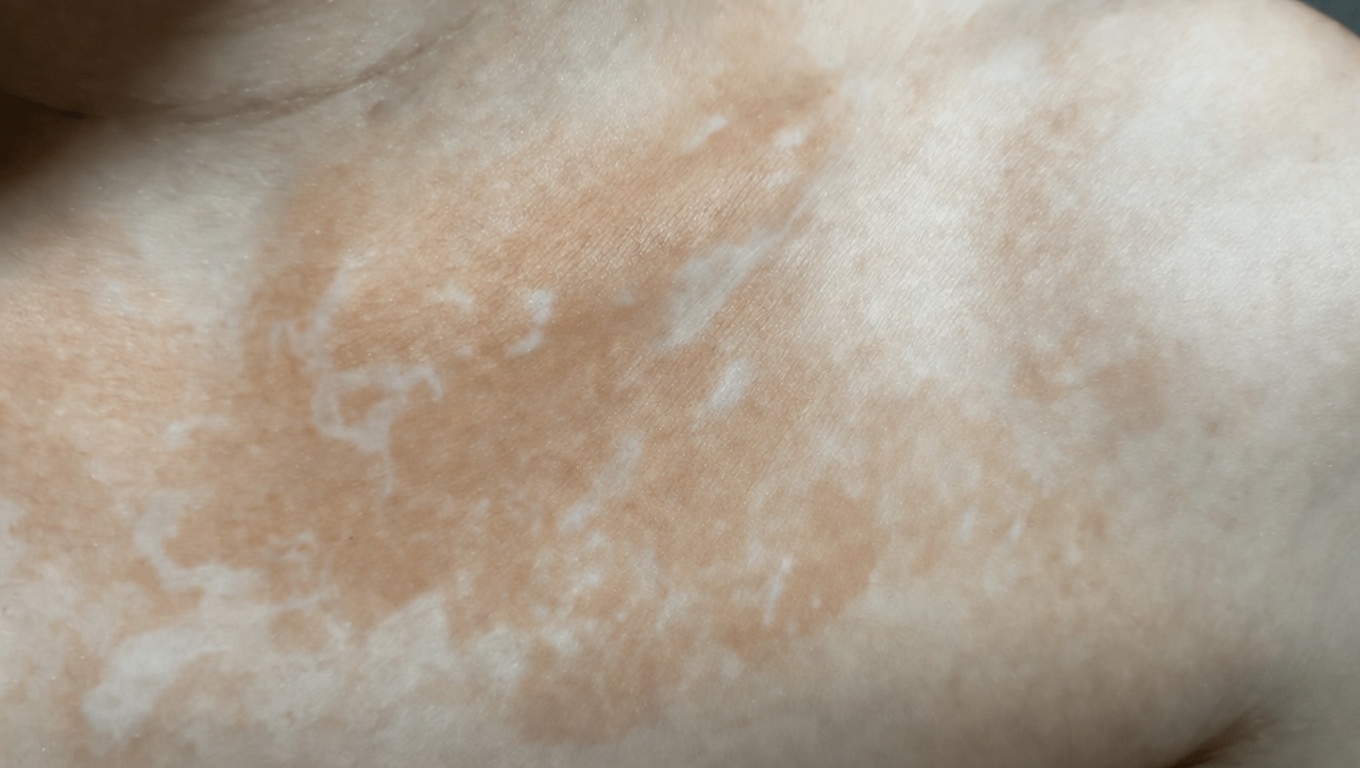
Idiopathic Guttate Hypomelanosis (IGH): Tiny “White Sun Spots”
If you’re seeing small, round, flat white dots—especially on the forearms, shins, or other sun-exposed areas—it may be idiopathic guttate hypomelanosis (IGH). Studies associate IGH with long-term UV exposure, which can gradually alter pigment-producing cells in localized spots.
These dots are usually painless, harmless, and more common after age 40, particularly in fairer skin types or people who spend a lot of time outdoors. They often don’t disappear completely, but consistent sun protection can help prevent additional spots and slow progression.
- Best prevention habit: Use broad-spectrum SPF 30+ daily, year-round
- Quick self-check: Consider how much incidental sun your arms and legs get during routine errands or commuting
Pityriasis Alba: Dry Skin, Mild Inflammation, and Temporary Light Patches
Light, slightly scaly patches—often on the face (especially cheeks) or arms—may be pityriasis alba, which is commonly linked to dry skin or a mild form of eczema. In these cases, inflammation can temporarily interrupt pigment production; after redness fades, the area may look paler for a while.
Most people see gradual improvement with simple, consistent care.
- Typical locations: Cheeks, forehead, upper arms
- Helpful routine: Daily fragrance-free moisturizer, avoid harsh cleansers, limit long hot showers, and protect from sun to reduce contrast
Vitiligo: Broader or Symmetrical Pigment Loss
When white patches appear clearly defined, spread over time, or show up symmetrically, vitiligo may be a possibility. This condition affects around 1% of people worldwide and is often associated with autoimmune activity that impacts melanin-producing cells.
Vitiligo can begin with small areas and expand, commonly affecting the hands, face, and skin folds. Early evaluation can help with monitoring and exploring dermatologist-guided options.
- Track changes: Note whether patches remain stable or gradually expand
- When it matters most: Rapid spread or new areas appearing warrants professional assessment
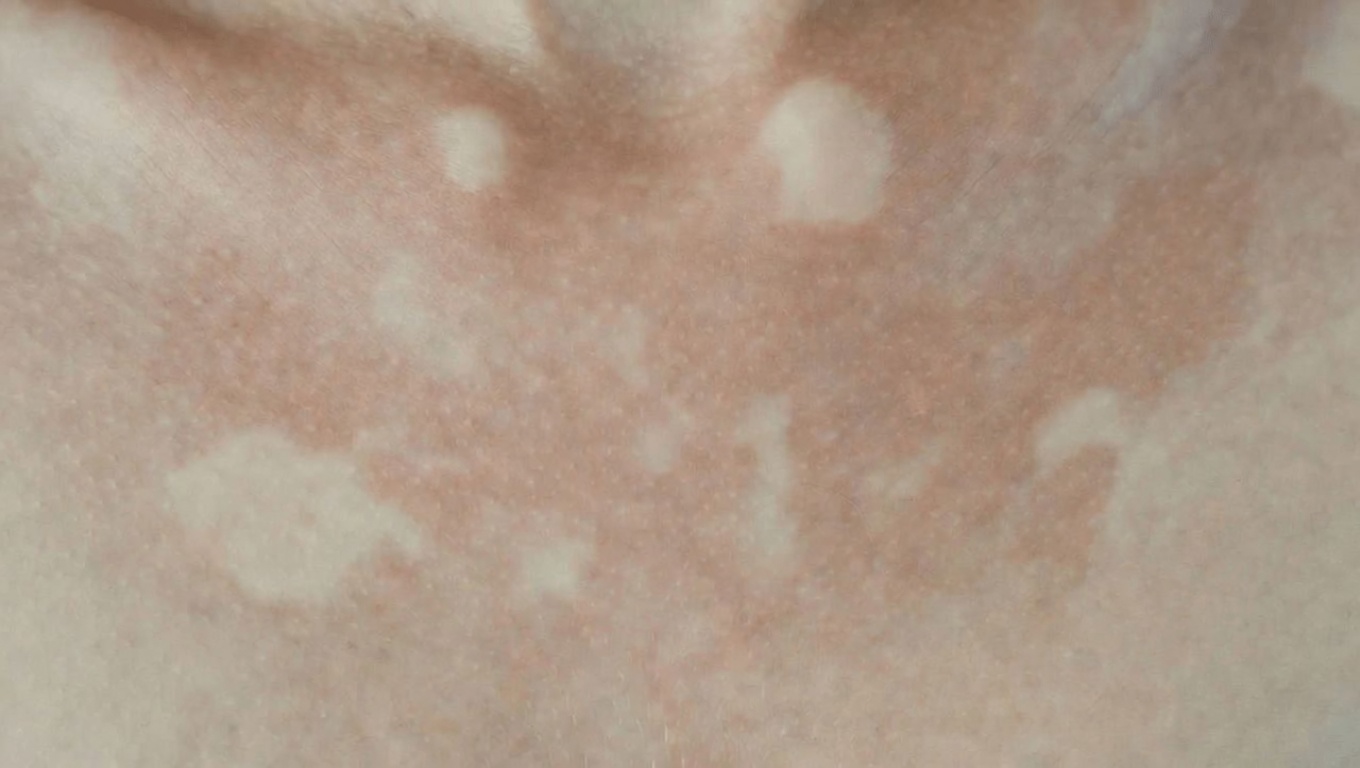
Milia: Tiny White Bumps That Aren’t True Patches
Small, firm white bumps—often around the eyes and cheeks—are frequently milia, which are tiny cysts caused by trapped keratin beneath the skin. They can look like white spots at first glance, but they are raised rather than flat.
Milia often resolve over time. If persistent, gentle exfoliation or professional extraction may help.
- Avoid: Picking or squeezing, which can trigger irritation or scarring
Post-Inflammatory Hypopigmentation: Light Marks After Irritation or Injury
If lighter areas appear after a rash, burn, acne flare, allergic reaction, or other inflammation, you may be seeing post-inflammatory hypopigmentation. During healing, pigment production can temporarily slow down, leaving a pale area that often improves gradually.
- What helps most: Time, gentle skincare, moisturizing, and avoiding unnecessary sun exposure
- What to expect: Color often returns slowly, though timelines vary
Nutrition and Internal Factors: When Deficiencies Play a Role
Some studies suggest that nutritional issues—such as low vitamin B12, vitamin D, or other imbalances—may contribute to pigment irregularities in certain cases. While diet is rarely the only cause, overall nutrition strongly influences skin resilience and repair.
If your diet is restrictive or symptoms extend beyond skin changes, consider discussing lab checks and dietary planning with a healthcare professional.
Product or Chemical Triggers: Skin Lightening From Irritation
In sensitive individuals, certain skincare products, peels, or irritants can contribute to lighter areas—especially if they cause inflammation first. Switching to gentler formulas and simplifying routines often helps the skin recover.
- Best practice: Patch-test new products and avoid aggressive layering of actives
Progressive Macular Hypomelanosis: Larger, Merging Patches on the Trunk
When pale patches appear on the mid-back, abdomen, or trunk and gradually merge into larger areas, progressive macular hypomelanosis may be considered. Research has explored links between pigment disruption and skin bacteria such as Cutibacterium acnes.
This condition is often managed with targeted therapy under clinical guidance, particularly when cosmetic impact is significant.
Daily Actions That Support More Even-Looking Skin
These practical habits can help reduce contrast, prevent worsening, and support skin health overall:
- Apply broad-spectrum SPF 30+ every day (including near windows or during cloudy weather)
- Moisturize consistently using gentle, fragrance-free products to protect the skin barrier
- Choose breathable clothing in heat to reduce sweat buildup (important for fungal-related causes)
- Eat a balanced diet with adequate protein, fruits, vegetables, and healthy fats
- Take photos and note changes over time, and consult a dermatologist for persistent, spreading, or unclear spots
Conclusion: Clarity Comes From Understanding the Pattern
White spots on skin can come from many sources—ranging from common yeast overgrowth and sun-related changes to inflammation, benign cysts, or autoimmune pigment loss. Recognizing the likely pattern helps you take appropriate steps, improve daily skincare habits, and seek timely professional evaluation when needed.
FAQ
-
What is the most common cause of white patches on adult skin?
Tinea versicolor is among the most common, particularly in humid climates, because yeast overgrowth can temporarily disrupt pigment. -
Do white spots caused by sun exposure go away?
Spots such as idiopathic guttate hypomelanosis (IGH) often persist, but diligent sun protection can prevent new spots and reduce contrast over time. -
When should I see a doctor about white spots?
See a dermatologist if spots spread quickly, change noticeably, appear with other symptoms, or if the diagnosis is uncertain.
Disclaimer: This article is for informational purposes only and is not a substitute for professional medical advice. Always consult a qualified healthcare provider for diagnosis and treatment.