
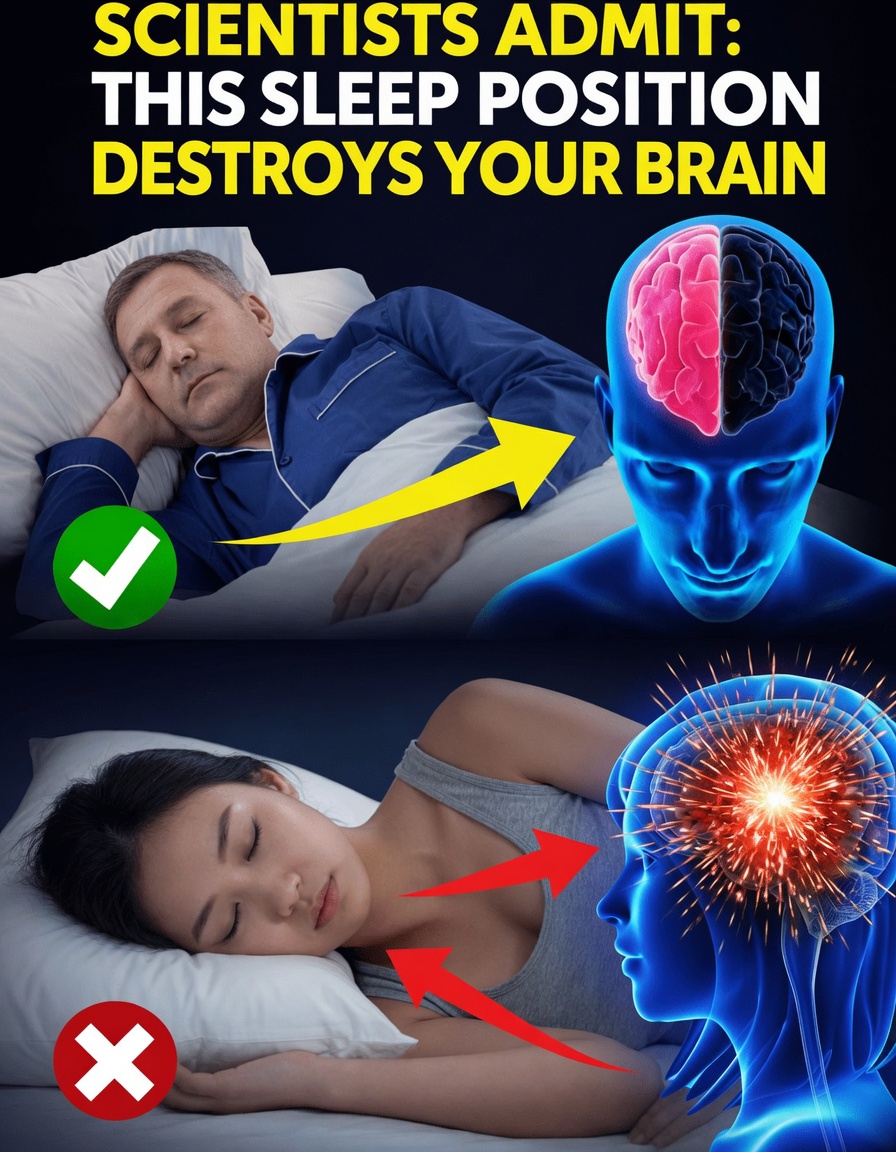
Many adults over 50 experience occasional forgetfulness, difficulty concentrating, or that “foggy” sensation after a poor night’s sleep. These changes can be unsettling—especially when they appear more often with age. A growing body of research points to sleep as essential for the brain’s overnight “clean-up” process, and newer findings suggest that sleeping position may influence how efficiently this happens.
What if a small change in your bedtime routine could help support long-term brain wellness? Studies examining the brain’s waste-removal pathway show meaningful differences depending on posture during sleep. Below, you’ll find the science explained in plain language—plus practical steps you can try tonight.
The Overlooked Link Between Sleep and Brain Health
As part of normal daily function, the brain generates waste byproducts, including beta-amyloid proteins. For healthy cognitive aging, these substances need to be cleared effectively. When sleep is too short or too fragmented, the brain may not complete this maintenance work, often leaving you feeling mentally drained the next day.
Surveys from groups such as the Alzheimer’s Association have shown that many adults report memory concerns by midlife, and sleep issues are frequently part of the picture. Quick fixes—extra coffee, white-noise machines, or occasional sleep aids—may provide short-term relief but often don’t address what’s happening inside the brain overnight.
Here’s the key insight: the brain relies on a specialized clearance pathway that is most active during sleep, helping move waste products out of brain tissue. Researchers call this system the glymphatic system, and evidence suggests that body position may affect how well it works.
The Glymphatic System: Your Brain’s Nightly Cleanup Pathway
The glymphatic system is often described as the brain’s built-in filtration network. During deeper stages of sleep, the space between brain cells expands slightly, allowing cerebrospinal fluid to circulate more freely and carry away unwanted buildup.
A well-known line of research from Stony Brook University, published in the Journal of Neuroscience (2015), used advanced imaging in animal models to observe how this clearance works in real time. The researchers reported that the brain removed waste—including proteins linked to cognitive decline—more efficiently in certain sleep postures than in others.
This does not mean any sleeping position “prevents” disease. However, it does suggest that everyday habits—like how you sleep—may help support the brain’s natural overnight maintenance.

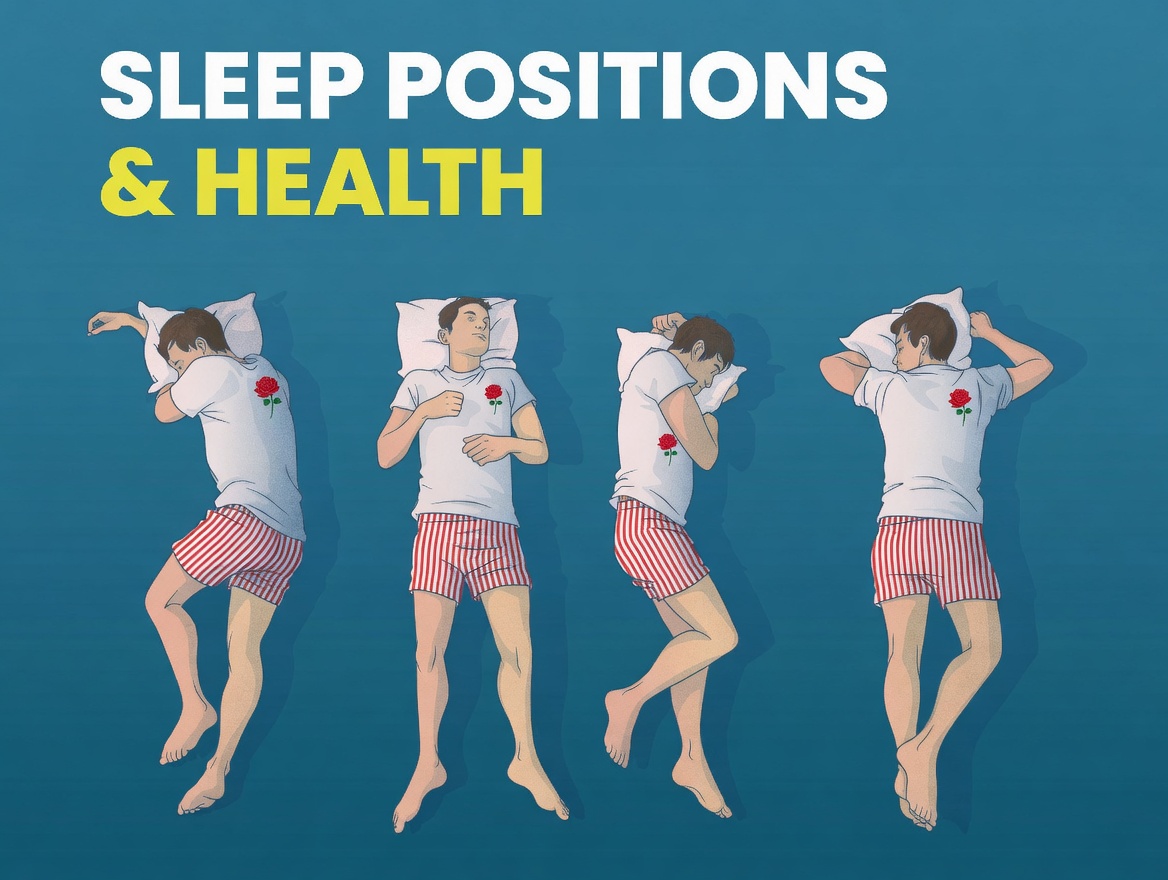
Why Sleeping on Your Back May Be Less Supportive
Evidence suggests that spending long periods in the supine (back-sleeping) position may be less ideal for glymphatic fluid movement. Some studies presented in scientific settings and supported by peer-reviewed findings have observed that people with neurodegenerative conditions tend to spend more time sleeping on their backs than healthy controls.
In at least one analysis, the likelihood of supine sleep lasting more than two hours per night was substantially higher in those groups. While many factors can contribute—such as sleep apnea—the posture itself may influence fluid dynamics and how effectively the brain clears waste overnight.
Back sleeping can also worsen snoring and contribute to breathing disruptions in some individuals, which may interfere with the deep sleep stages linked to peak glymphatic activity.
Why Side Sleeping May Better Support Overnight Brain Clearance
Multiple research findings point to the lateral (side-sleeping) position as potentially more supportive for glymphatic function. In the 2015 Stony Brook research, clearance was consistently more efficient in side sleeping compared with back or stomach positions (in animal models).
Human observations also support this trend: side sleeping is a common natural posture across many species, including people. Some studies suggest side sleeping may also be associated with smoother breathing and fewer sleep interruptions—both of which help preserve restorative sleep stages.
Additional practical advantages many people notice with side sleeping include:
- Less snoring for some sleepers
- Reduced pressure on certain internal structures
- Easier comfort when using supportive pillows (such as a pillow between the knees)
Research-Linked Benefits Often Associated With Side Sleeping
- Improved fluid movement through brain clearance pathways during sleep
- Potentially more effective removal of overnight waste byproducts
- A posture that many adults can maintain comfortably long-term
Right-Side Sleeping: Does It Offer a Circulation Advantage?
Not all side positions are identical. Some research highlights the right lateral position as potentially favorable for circulation-related mechanics, including aspects of venous drainage (such as jugular vein dynamics). In theory, improved drainage could complement glymphatic activity, since circulation and fluid movement are closely connected.
If you already sleep on your side, it may be worth experimenting with the right side to see whether it improves comfort, breathing, or morning alertness. The most important factor remains consistency and high-quality sleep.
Sleep Position Is Only One Piece: Habits That Also Support Brain Clearance
Posture can matter, but it works best alongside broader lifestyle habits that protect deep, restorative sleep.
Consider these evidence-supported supports for sleep and brain health:
- Regular movement: Moderate exercise (such as walking, yoga, or light strength training) supports circulation, which may help drive the fluid movement involved in glymphatic function.
- Less screen time before bed: Reducing evening light exposure helps protect natural melatonin, supporting deeper sleep stages.
- Limit evening alcohol: Alcohol can disrupt REM and slow-wave sleep—stages associated with physical and cognitive restoration.
Common Problem vs. Quick Fix vs. More Supportive Alternative
-
Morning brain fog
- Typical quick fix: extra coffee
- Limitation: short-lived boost, potential crash
- Supportive alternative: consistent side sleeping + hydration habits
-
Occasional forgetfulness
- Typical quick fix: memory apps
- Limitation: doesn’t address sleep-driven recovery
- Supportive alternative: prioritize 7–9 hours of quality sleep in a supportive position
-
Restless nights
- Typical quick fix: over-the-counter sleep aids
- Limitation: may affect natural sleep architecture
- Supportive alternative: a wind-down routine with screens off and a consistent schedule
Better Sleep Tonight: Simple Steps You Can Start Immediately
Small adjustments are easier to keep—and consistency is what delivers results.
- Shift toward side sleeping: Use a body pillow or wedge pillow if needed. If you want to experiment, start with the right side.
- Keep a steady schedule: Go to bed and wake up at similar times to stabilize your circadian rhythm.
- Cut stimulants earlier: Avoid caffeine after midday and skip heavy meals close to bedtime.
- Hydrate wisely: Drink enough water during the day, but taper intake in the evening to reduce wake-ups.
- Add daily movement: Even a 20–30 minute walk or gentle stretching can support sleep quality.
Track how you feel for one week. Many people notice clearer mornings within days, especially when sleep becomes more continuous.
Visualize a Clearer Morning
Imagine waking up with steadier focus, better recall, and more consistent energy. Simple habits—like choosing a side-sleeping position and protecting deep sleep—may help support the brain’s natural overnight maintenance.
Start with one change tonight. Future-you benefits from what you do consistently.
FAQ
What is the glymphatic system?
The glymphatic system is the brain’s waste-clearance pathway that becomes more active during sleep, helping remove proteins and other metabolic byproducts.
Is side sleeping the only way to support brain health?
No. Sleep duration and sleep quality matter greatly, and lifestyle factors like exercise, reduced evening screen exposure, and limiting alcohol also support restorative sleep. Side sleeping may offer an added advantage based on research findings.
How quickly might I notice benefits from better sleep habits?
Some people report improved alertness within days, while others need a few weeks. Results vary, but consistency tends to matter most.
This article is for informational purposes only and is not a substitute for professional medical advice. For personalized guidance, consult a qualified healthcare provider.