A Gentle Wellness Boost from Nature: Why Cloves Are Worth a Second Look
Modern life often leaves subtle signs on the body—heavy legs after long hours, occasional sluggishness, or a growing desire to maintain steady energy and balanced wellness over time. These everyday concerns can be influenced by oxidative stress, low-grade inflammation, and shifts in how the body manages nutrients, circulation, and metabolism.
No single food is a magic solution, but certain traditional ingredients can offer simple, supportive benefits when used as part of a balanced lifestyle. One standout is the clove: a small, fragrant spice treasured for centuries and increasingly studied for its potential role in healthy circulation and metabolic balance. So what makes cloves unique—and how can you use them safely in a daily routine?
What Makes Cloves So Unique?
Cloves come from the dried flower buds of Syzygium aromaticum, originally from Indonesia and now cultivated in many regions worldwide. Their reputation largely comes from a concentrated mix of bioactive compounds, especially eugenol, a powerful phenolic component that makes up much of clove essential oil.
Key nutrients and compounds in cloves include:
- Eugenol: Widely studied for antioxidant and anti-inflammatory activity, and for potential support of vascular function in preclinical research.
- Polyphenols: Plant-based antioxidants that help counter oxidative stress, one contributor to everyday cellular “wear and tear.”
- Minerals (including manganese, potassium, magnesium): Involved in enzyme activity, electrolyte balance, and general metabolic function.
- Natural antimicrobial properties: One reason cloves have long been used in traditional routines for oral and digestive comfort.
In antioxidant testing, cloves consistently rank among the most potent foods by ORAC value (often cited around 290,000–314,000 per 100g for ground cloves), outperforming many fruits and vegetables. This matters because antioxidants help neutralize free radicals linked to stress, pollution exposure, and natural aging.
How Cloves May Support Healthy Circulation
Healthy circulation is essential for delivering oxygen and nutrients throughout the body—supporting energy, warmth in hands and feet, and overall vitality. When blood flow is less efficient, people may notice cold extremities, heavy legs, or tiredness, especially with age or prolonged sitting.
Early research suggests cloves—particularly their eugenol content—may support circulation by:
- Helping relax blood vessels (vasodilation) in lab and animal studies, including mechanisms such as calcium channel effects and endothelial support
- Reducing oxidative stress that can affect blood vessel flexibility
- Encouraging smoother blood flow as part of broader wellness habits (not as a replacement for medical care)
Many people who use clove-infused drinks describe feeling lighter, warmer, or more “even” in energy. While these reports are anecdotal, they align with preclinical findings that continue to be explored in humans.
Why circulation is so foundational:
- Supplies oxygen to muscles and organs
- Supports overall cardiovascular efficiency
- Helps reduce everyday fatigue
- Improves distribution of nutrients
Adding cloves is best viewed as one small habit alongside movement, hydration, quality sleep, and balanced nutrition.
Cloves and Cardiovascular Wellness: A Supportive Role
Cardiovascular wellness is influenced by many moving parts—inflammation levels, cholesterol metabolism, and vessel integrity. Studies in lab and animal settings suggest clove compounds may contribute to:
- Supporting a healthier inflammatory response (notably through eugenol)
- Helping maintain cholesterol balance, with some older small human pilot studies reporting improvements in total cholesterol and LDL, alongside changes in glucose markers
- Assisting normal blood pressure regulation through vessel relaxation mechanisms (supportive, not therapeutic replacement)
These findings are promising, but they don’t replace prescribed treatment or professional guidance. Think of cloves as a heart-friendly addition to a lifestyle built on whole foods, stress management, and regular activity.
Supporting Metabolic Balance and Post-Meal Blood Sugar
Metabolic health is closely tied to how the body processes carbohydrates and maintains stable energy. Frequent blood sugar spikes after meals can affect long-term wellness, especially for those already monitoring glucose.
Research—including small human pilot studies—suggests clove extracts and polyphenols may help support metabolic balance by:
- Encouraging healthier insulin sensitivity at the cellular level
- Slowing carbohydrate breakdown through effects on enzymes such as alpha-glucosidase
- Reducing post-meal glucose rises in some small trials involving people with prediabetic markers
One open-label study reported that a polyphenolic clove extract significantly lowered post-meal glucose over 30 days. Animal research also points to improved glucose uptake and insulin function.
This explains why clove tea is often used traditionally after meals—especially by those aiming for steadier energy. It remains supportive rather than a replacement for diabetes care.
Powerful Antioxidant Protection
Oxidative stress plays a role in aging and many chronic concerns. Because cloves are exceptionally rich in antioxidants, they may help the body by:
- Neutralizing free radicals
- Supporting cellular and tissue protection
- Strengthening the body’s natural defense systems
This broad antioxidant profile is one reason cloves are frequently discussed in long-term wellness routines.

Simple Clove Water Recipe (Easy Daily Option)
If you want a gentle way to try cloves, clove water is a practical starting point.
Ingredients (1 serving):
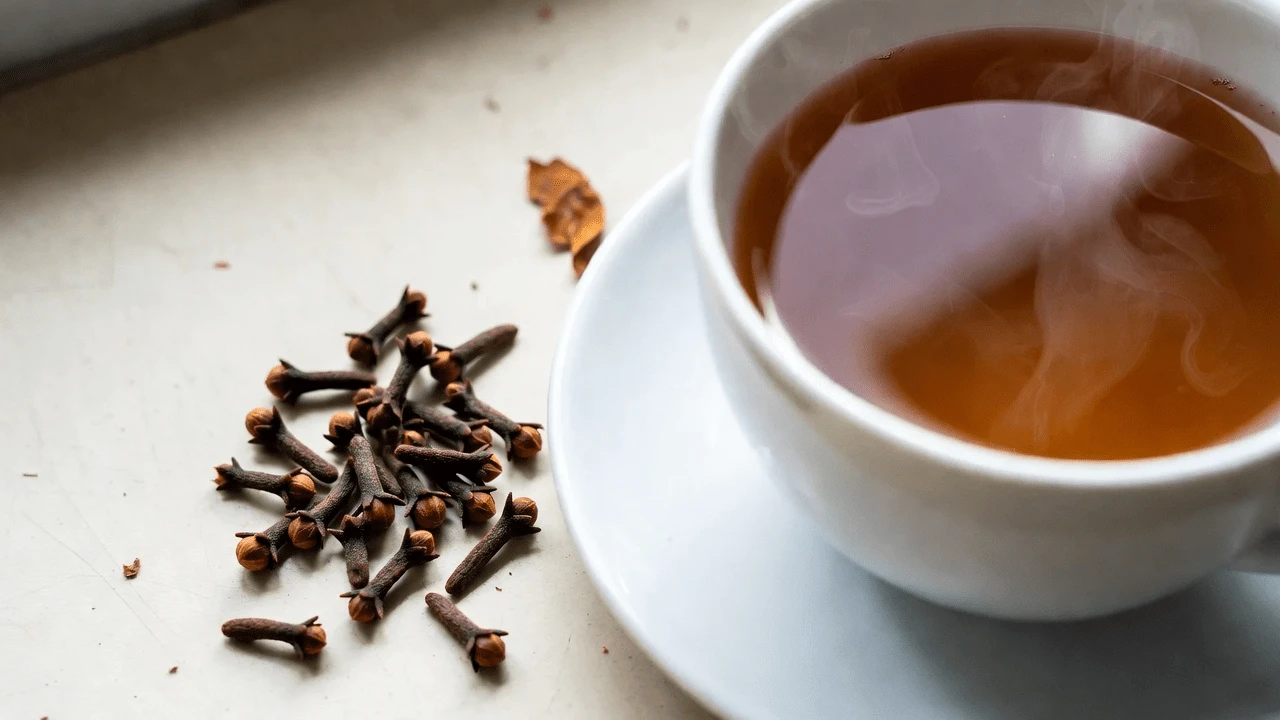
- 5–7 whole cloves
- 1 cup (240 ml) hot water
How to make it:
- Add the cloves to a cup.
- Pour hot water over them (hot, but not aggressively boiling).
- Cover and steep for 10–15 minutes.
- Strain and sip warm.
Optional additions (for flavor and synergy):
- 1 cinnamon stick
- A thin slice of fresh ginger
- A squeeze of lemon
Many people prefer it once per day, either in the morning or after meals. If you’re new to cloves, start with a smaller amount and observe how you feel.
Safety and Moderation: What to Know Before Using Cloves Daily
Cloves are generally safe in culinary amounts, but they are potent—mainly due to eugenol—so moderation matters.
- A common guideline for adults is 1–3 grams per day, roughly 3–7 whole cloves or ½–1 teaspoon ground cloves
- Avoid high doses and do not use clove essential oil internally without professional supervision
- Speak with a healthcare professional if you are:
- Pregnant or breastfeeding
- Taking blood thinners, diabetes medications, or preparing for surgery (cloves may influence clotting and glucose regulation)
- Stop use if you experience irritation or discomfort
“Natural” does not automatically mean risk-free—especially in concentrated forms.
Why Cloves Still Matter in a Modern Routine
Cloves won’t replace modern medicine, and they don’t promise dramatic overnight changes. Yet their long history across cultures has endured for a reason: they can offer steady, gentle support for digestion, circulation, immune balance, and metabolic wellness when used wisely and consistently.
Sometimes wellness improves through small rituals—an affordable spice, a warm cup, and a daily moment of intentional care.
FAQ
How many cloves can I safely consume per day?
For most adults, a typical culinary range is 3–7 whole cloves daily or ½–1 teaspoon ground cloves, which aligns with commonly cited safety guidance for eugenol intake (often referenced in relation to body weight).
Can clove water improve daily energy?
Some people report steadier energy, possibly related to circulation and post-meal metabolic support. Results vary, and the best outcomes usually come when clove water is combined with hydration, movement, and balanced meals.
Is clove tea suitable for everyone?
Clove tea is generally well tolerated in food-level amounts, but it may not be appropriate for everyone—especially people on blood thinners, glucose-lowering medications, those who are pregnant/breastfeeding, or anyone preparing for surgery. When in doubt, consult a clinician.