A Nutrient-Dense Approach to Everyday Wellness in a World Touched by Cancer
Cancer impacts millions of families each year, often bringing stress, exhaustion, and uncertainty into everyday routines. Global estimates for 2022 reported nearly 20 million new cancer cases worldwide and about 9.7 million deaths, including around 2 million newly diagnosed cases in the United States. As medical care continues to improve, many people also explore supportive lifestyle choices—especially a nutrient-rich, plant-forward diet—to strengthen overall wellness and day-to-day resilience.
Among the many foods studied for general health support, green leaves stand out for their concentration of vitamins, antioxidants, and protective plant compounds. Researchers have examined a variety of greens for their potential role in supporting cellular health and helping the body manage oxidative stress. Three leaves appear repeatedly in discussions due to their standout nutrient profiles: wheatgrass, moringa, and graviola (soursop)—with one drawing particular attention for its broad versatility in daily routines.
How Diet Relates to Cellular Health and Whole-Body Balance
Cancer develops when cells begin to grow and divide in an uncontrolled way. Many factors may influence this process, including:
- Chronic inflammation
- Oxidative stress driven by free radicals
- Immune system function
- Environmental and lifestyle influences
Research often links diets high in ultra-processed foods and added sugars with poorer health outcomes, while eating patterns rich in whole plant foods—especially those containing antioxidants—may help support a more stable internal environment.
Earlier scientific observations, including Otto Warburg’s work on how cancer cells use energy (often referenced as the Warburg effect), have helped shape modern interest in lifestyle factors such as movement, breathing, and nutrient-dense foods. While blood pH is tightly regulated by the body, dietary patterns that emphasize anti-inflammatory and antioxidant foods may still contribute to better overall equilibrium and metabolic support.
This raises a practical question: can certain nutrient-packed leaves add meaningful nutritional support as part of a balanced lifestyle? Below are three that have been explored in lab research and early-stage human studies.
Leaf #1: Wheatgrass — A Concentrated Green Nutrient Shot
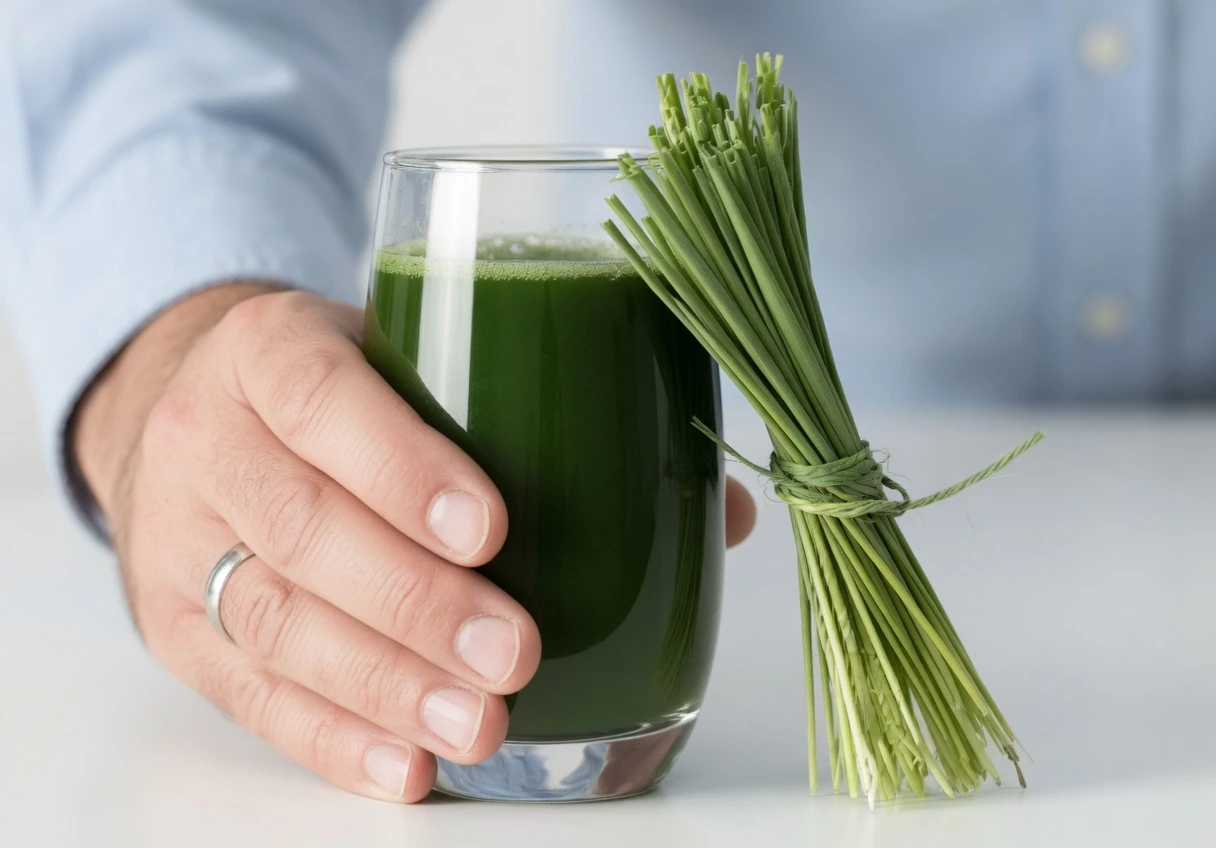
Wheatgrass is the young, bright-green shoot of the wheat plant, often consumed as a fresh juice “shot” with a bold, earthy taste. It is valued for its dense supply of:
- Chlorophyll
- Vitamins A, C, and E
- Minerals and antioxidant compounds
Laboratory studies have investigated wheatgrass for antioxidant and anti-inflammatory activity. In addition, small human studies have explored whether wheatgrass juice could help support comfort and well-being during certain treatment experiences—such as helping with fatigue or supporting blood-related measures in people undergoing chemotherapy (including some breast or colorectal cancer contexts). Evidence is still emerging, and results depend on many factors, but wheatgrass remains popular as a nutritional support tool.
Its chlorophyll content is also frequently discussed in relation to the body’s natural detoxification pathways, though “detox” claims should be approached carefully and realistically.
How to Use Wheatgrass in Daily Life
- Take 1–2 ounces of fresh wheatgrass juice in the morning, preferably on an empty stomach.
- If fresh juice is not available, mix 1 teaspoon of organic wheatgrass powder into water or a smoothie.
- Start with small amounts to reduce the chance of mild digestive discomfort.
- Choose organic, high-quality sources for better purity and consistency.
Leaf #2: Moringa — The Practical “Superfood” Leaf for Everyday Nutrition
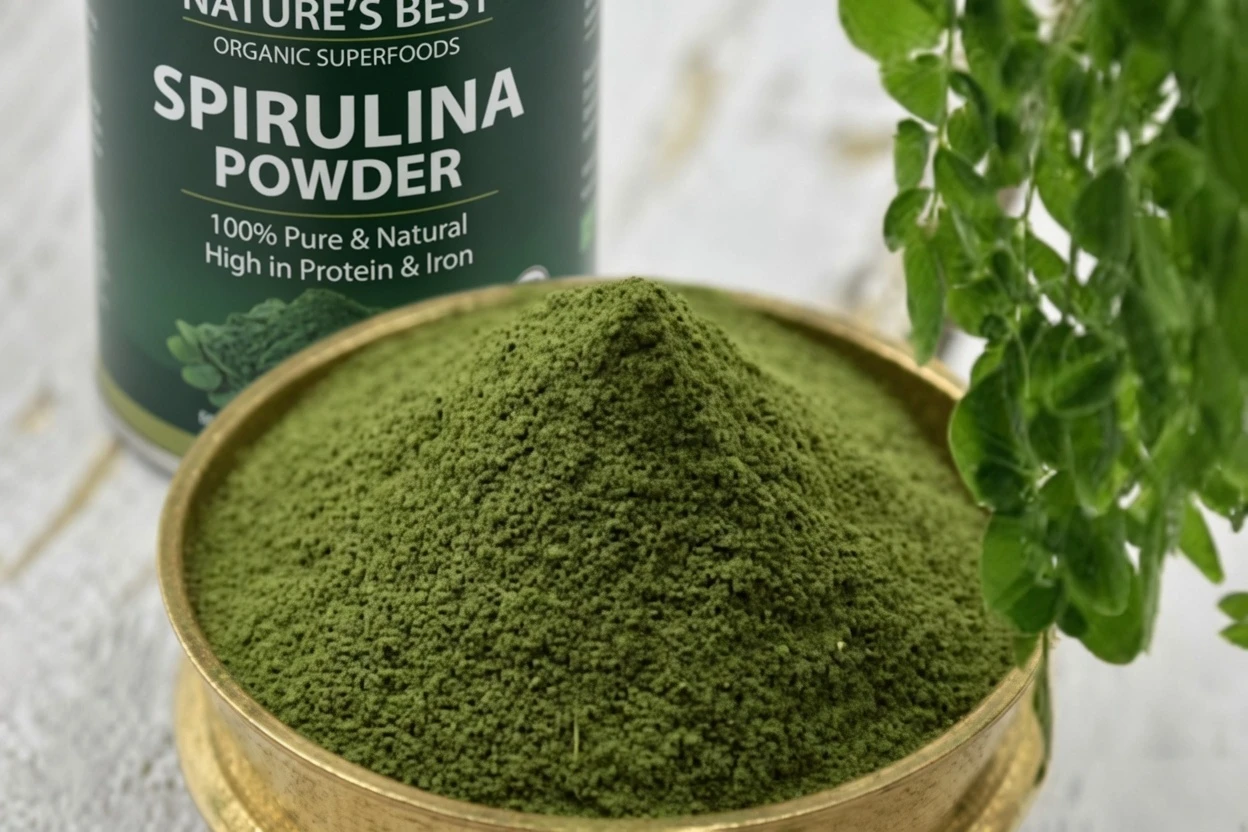
Moringa leaves are often dried and ground into a fine green powder that blends easily into meals. Sometimes called the “miracle tree,” moringa is known for an unusually broad nutrient profile, including:
- Key vitamins and minerals
- Quercetin and other antioxidants
- Bioactive plant compounds such as isothiocyanates
Lab studies have explored moringa’s potential for inflammation support and cellular health in experimental models, including research involving breast and colorectal cell lines. While lab findings do not automatically translate to human outcomes, moringa’s real-world appeal is its nutrient density and how easily it fits into daily meals—making it a consistent choice for general wellness support.
Quick Comparison: Wheatgrass, Moringa, and Graviola Leaves
-
Wheatgrass
- Key compounds: chlorophyll, vitamins A/C/E
- Studied for: antioxidant support, possible help with treatment-related side effects in small studies
- Typical use: 1–2 oz juice or 1 tsp powder
-
Moringa
- Key compounds: quercetin, isothiocyanates
- Studied for: anti-inflammatory activity and broad nutritional support
- Typical use: 1–2 tsp powder
-
Graviola (Soursop)
- Key compounds: acetogenins
- Studied for: cellular effects in laboratory exploration
- Typical use: up to 1 cup leaf tea, used moderately
Together, these leaves are often discussed as complementary additions within a wellness-focused diet.
Leaf #3: Graviola (Soursop) — A Traditional Tropical Leaf Used with Caution
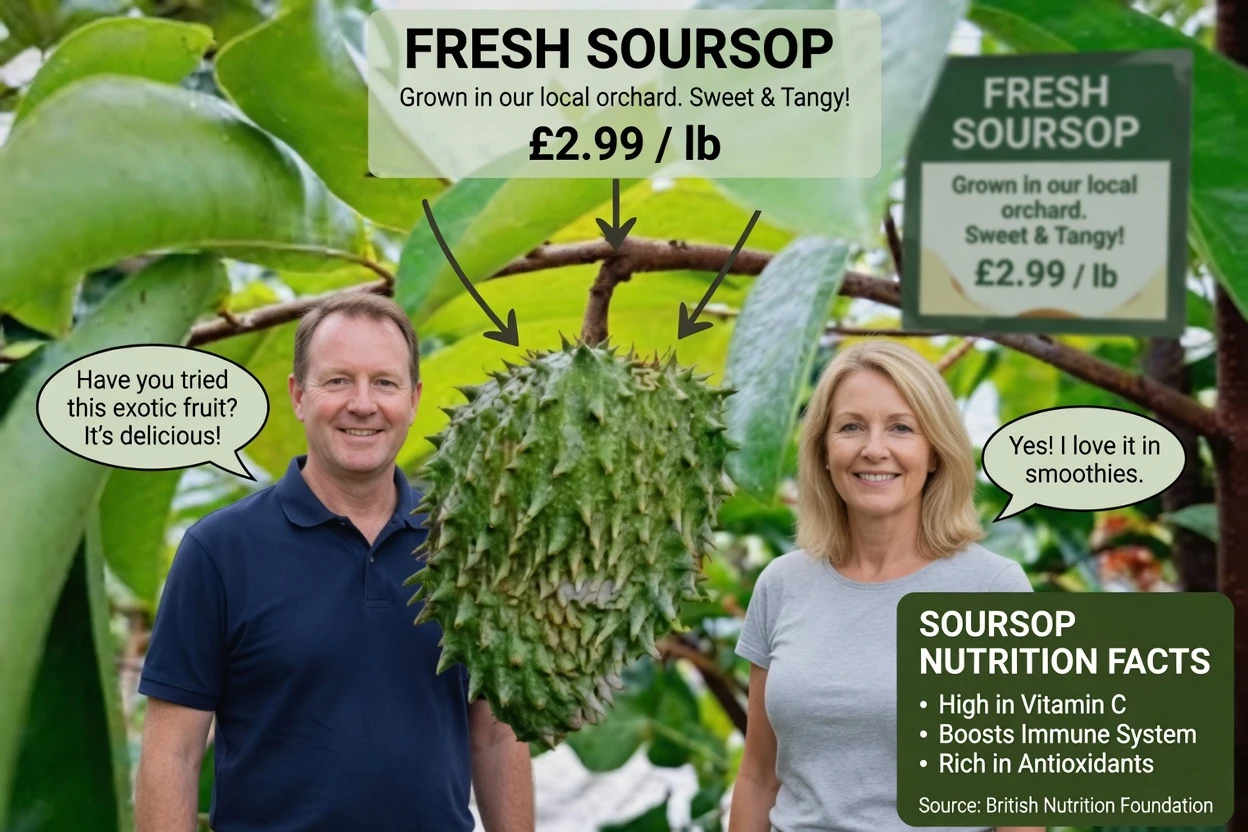
Graviola (also known as soursop) is a tropical plant recognized for its spiky green fruit and its aromatic leaves, which are commonly brewed into tea in traditional wellness practices. Graviola leaves contain acetogenins, a group of compounds that has attracted research interest—particularly in test-tube and animal studies—because of their observed effects on certain cell types.
However, it’s essential to keep perspective:
- The most encouraging findings are largely from lab and animal research
- High-quality human evidence is limited
- Some experts caution against excessive or long-term use due to concerns reported in the literature, including potential neurotoxicity risks
For these reasons, graviola is best approached with moderation and medical guidance—especially for individuals with health conditions or those in active treatment.
Safe, Practical Ways to Add These Leaves to Your Routine
If you want to experiment, try one leaf at a time so you can better evaluate how your body responds.
-
Morning Wheatgrass Habit
- Juice fresh wheatgrass or mix powder into water (some prefer adding lemon).
- Sip slowly and start with a small serving.
-
Midday Moringa Add-On
- Stir 1–2 teaspoons into smoothies, yogurt, soups, or sauces.
- Its mild flavor makes it easy to use consistently.
-
Evening Graviola Tea (Moderate Use)
- Steep 1–2 dried leaves in hot water for 10–15 minutes.
- Limit to 1 cup per day, and avoid prolonged daily use unless your clinician approves.
Key Precautions Before Using Wheatgrass, Moringa, or Graviola
- Talk to your healthcare provider first, especially if you:
- are undergoing treatment
- take prescription medications
- are pregnant or breastfeeding
- have chronic conditions
- Begin with low doses and pay attention to how you feel.
- Buy from reputable brands, ideally organic, with transparent sourcing.
- Treat graviola with extra caution: avoid high doses and long-term frequent use due to reported safety concerns.
Everyday Wellness Experiences (Not Proof, Not a Substitute for Care)
Some people report that adding nutrient-rich greens helps them feel more energized or supported. For instance, individuals have shared anecdotes of steadier energy after incorporating wheatgrass and moringa during difficult periods. Others say that occasional, moderate graviola tea felt comforting as part of an overall routine. These stories can be motivating, but they are not medical evidence—and they should never replace professional evaluation or treatment.
Putting It All Together: A Simple Daily Structure
Used thoughtfully, these leaves may complement one another:
- Wheatgrass for a concentrated green nutrient boost
- Moringa for broad, consistent nourishment
- Graviola only in careful moderation
A simple example day:
- Morning: wheatgrass shot
- Afternoon: moringa in a smoothie
- Evening: light graviola leaf tea (optional, moderate)
For the strongest foundation, pair these habits with whole foods, regular movement, adequate sleep, stress management, and safe sunlight exposure. Research continues to investigate how plant compounds may help support immune balance and inflammation management through dietary patterns.
Frequently Asked Questions
Can these leaves replace medical cancer treatment?
No. They are nutritional additions only. They do not diagnose, treat, cure, or prevent any disease.
How quickly might someone feel a difference?
Some people notice changes (like improved energy) within a few weeks of consistent use, but results vary widely. Focus on sustainable long-term habits rather than quick outcomes.
Are side effects possible?
Yes. Some people experience mild digestive discomfort when starting new greens. Graviola requires additional caution due to reported neurological risks with excessive or prolonged use. Always consult a clinician.
Medical Disclaimer
This article is for informational purposes only and does not provide medical advice. Consult a qualified healthcare professional before adding new foods or supplements—especially if you have a medical condition, take medications, or are receiving treatment.