Many adults over 40 deal with a familiar pattern: colds that drag on, digestive discomfort that comes and goes, or a constant sense of low energy after routine exposure to everyday microbes. Over time, these small setbacks add up—making normal responsibilities feel harder and triggering worries about long-term resilience. Although common approaches such as probiotics or “immune-boosting” vitamins can be helpful for symptom support, they don’t always address microbial balance in a broader, lifestyle-friendly way.
A practical question is gaining attention: could a simple kitchen staple provide wider natural support? Garlic is now widely discussed for its antimicrobial potential. Below is what the evidence actually suggests—and how fresh garlic may fit into a realistic wellness routine.
Why Everyday Resilience Often Feels Harder With Age
As the body gets older, bouncing back from minor illnesses can take longer. Many people also notice that gut discomfort, seasonal bugs, and low-grade fatigue feel more persistent than they did years ago. Population health trends show that adults commonly experience at least one bacteria-related issue each year, which may contribute to inflammation and reduced energy.
This can create a loop: you reach for the same short-term remedies, but microbial imbalance (and increasing resistance in general) remains a concern. Small daily habits—sleep, diet quality, stress levels, and hygiene—can compound over time and influence mood, focus, and motivation.
A quick self-check can be revealing: on a scale from 1 to 10, how resilient do you feel day to day? Many people notice their number drops unless they intentionally support recovery and balance.
That’s where garlic becomes interesting—because its bioactive compounds have been studied for microbial effects.
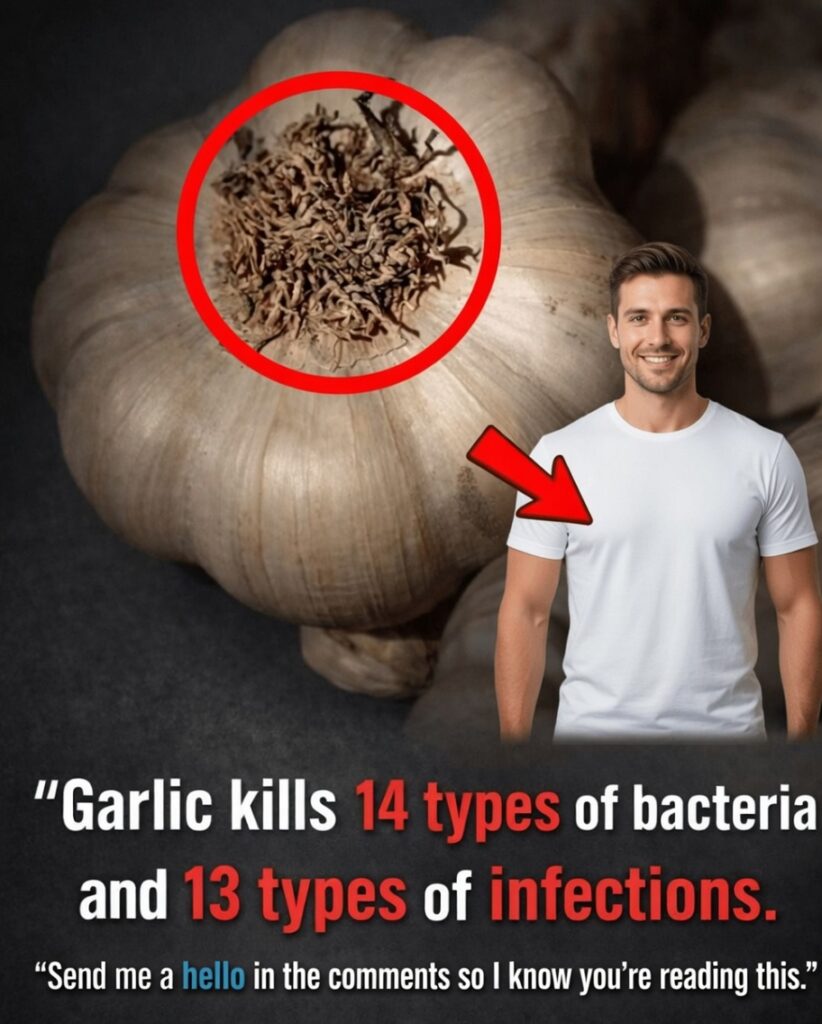
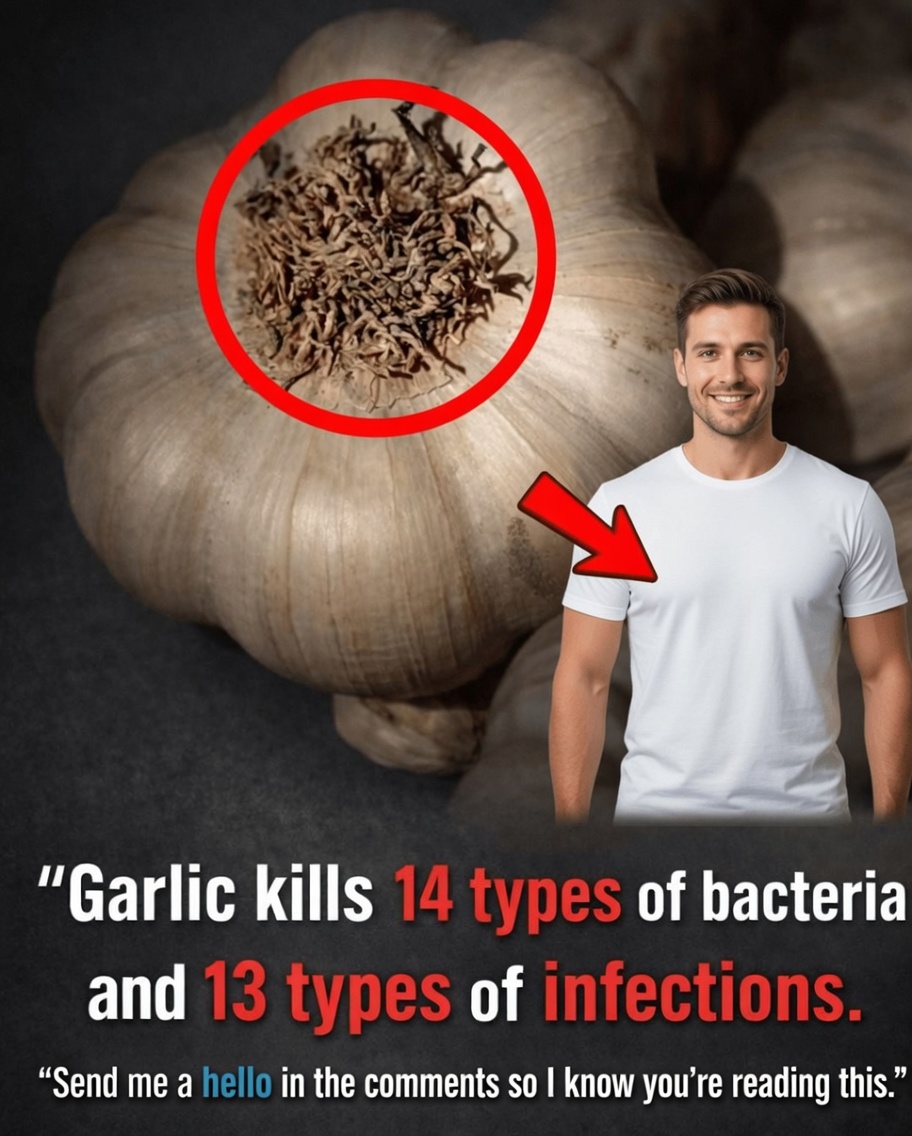
The Viral Claim Explained: “Garlic Kills 14 Types of Bacteria and 13 Types of Infections”
You may have seen a specific number repeated online—often phrased as garlic “kills 14 bacteria” and “13 infections.” This idea appears to trace back to laboratory research using garlic extracts and garlic oil, where scientists tested activity against multiple strains in controlled environments. Some studies have reported inhibition across a wide range of gut-associated pathogens, sometimes listing around 14 strains in a given experiment.
The compound most often credited is allicin, which forms when garlic is crushed or chopped. Allicin can interfere with key microbial processes, and lab findings suggest broad-spectrum potential against both Gram-positive and Gram-negative bacteria. Importantly, research also includes activity in models against some resistant organisms, such as MRSA.
Frequently mentioned organisms in the literature include:
- Escherichia coli (E. coli)
- Staphylococcus aureus
- Salmonella
- Helicobacter pylori
Research also suggests potential activity in models against:
- Certain fungi (for example, Candida species)
- Some viruses (in lab settings)
- Some parasites (in experimental contexts)
A critical clarification: lab-based “inhibition” or “disruption” does not equal a guarantee that garlic “kills” an exact number of infections in humans. The popular headline simplifies complex science. However, the overall evidence supporting garlic’s antimicrobial compounds—especially from fresh garlic—is legitimate and worth understanding as part of daily wellness.
How Fresh Garlic May Support Wellness: 15 Research-Linked Areas
Scientific research suggests garlic’s compounds may contribute to health in several interconnected ways. Here are 15 evidence-aligned areas, organized for clarity.
Everyday Foundations (1–4)
-
Broad microbial inhibition
Lab studies indicate garlic compounds can slow or inhibit the growth of various pathogens (including E. coli and S. aureus). -
Immune system support
By potentially reducing microbial burden, garlic may help the body maintain a more stable internal environment. -
Digestive comfort and balance
Garlic may support a gut environment that is less favorable to harmful organisms (individual tolerance varies). -
Anti-inflammatory activity
Garlic contains compounds associated with calmer inflammatory signaling and improved recovery balance.
Deeper Defense (5–8)
-
Effects in models against resistant strains
Research includes laboratory activity against MRSA and other drug-resistant organisms. -
Biofilm disruption potential
Some findings suggest garlic compounds may interfere with biofilms—protective microbial “shields” that make pathogens harder to manage. -
Antifungal potential
Garlic has shown promise in studies involving Candida and related fungi. -
Antiviral signals in experimental models
Some lab research suggests garlic may influence certain viral processes, though human evidence is more limited.
Systemic Wellness (9–12)
-
Cardiovascular support
Garlic is frequently studied for heart-related benefits, including circulation support—often discussed alongside its broader protective profile. -
Microbiome-friendly influence
Emerging research suggests garlic may support a healthier balance of gut microbes (responses differ across individuals). -
Oral health support
Garlic’s antimicrobial action may help reduce certain plaque-associated microbes. -
Skin and minor wound traditions
Garlic has a long history in traditional use for everyday skin issues; modern evidence is still developing.
Long-Term Vitality (13–15)
-
Antioxidant support
Garlic contributes antioxidant compounds that help reduce oxidative stress on cells. -
Resilience through consistency
Many benefits—especially lifestyle-level ones—tend to be more noticeable with regular intake, not one-time “mega doses.” -
Whole-body integration
Garlic’s potential influence on immunity, digestion, inflammation, and circulation makes it a strong candidate for holistic routines.
Practical tip: crush or chop garlic and let it rest for about 10 minutes before eating or mixing into food. This waiting period supports allicin formation.
Everyday Experiences: What People Commonly Report
Many people who consistently add fresh garlic to meals describe subtle but meaningful changes over time. Some report fewer seasonal flare-ups or easier breathing when garlic becomes a regular part of food prep. Others mention improved digestive comfort and more stable day-to-day energy.
These stories can align with what researchers observe about allicin and related sulfur compounds—yet results vary based on diet, baseline health, stress, sleep, and individual tolerance.
A popular approach for taste: some people mix crushed garlic with a small amount of honey to make it easier to take regularly.
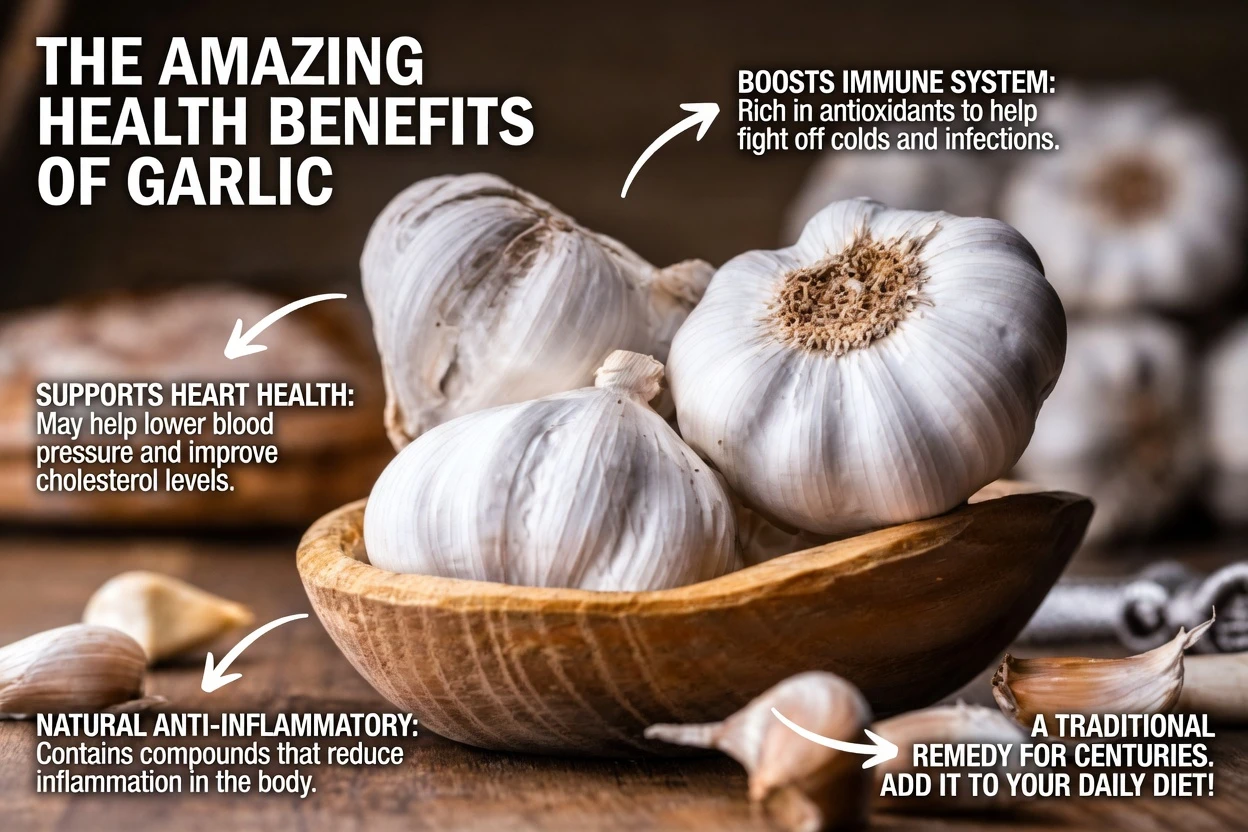
Garlic vs. Common Alternatives (Antibiotics, Probiotics, Vitamins)
A simple comparison based on general research and typical use cases:
-
Range of action:
Garlic may offer broader natural support (bacteria, fungi, and limited antiviral signals in lab models), while antibiotics are targeted and probiotics are primarily gut-focused. -
Resistance concerns:
Garlic’s multi-compound profile may reduce the risk of resistance compared with antibiotics, which are well known to contribute to resistance when overused. -
Typical downsides:
Garlic is usually associated with mild issues such as odor or digestive irritation in sensitive individuals. Antibiotics can disrupt the gut and cause broader side effects. -
Cost and access:
Garlic is widely available and inexpensive compared with prescriptions or many supplements.
Garlic is best viewed as a supportive, complementary food, not a medical replacement.
Simple, Realistic Ways to Add Garlic to Your Routine
Start gradually to reduce the chance of stomach discomfort:
-
Weeks 1–2:
Add 1–2 crushed cloves to meals, dips, or salad dressings. -
Weeks 3–4:
Increase to 2–3 cloves, mixing into soups, spreads, or vegetable dishes. -
Long term:
Aim for steady use. Raw or gently mixed garlic preserves more allicin, while high heat can reduce it.
Optional pairing: some people add black pepper with garlic-based meals for complementary absorption-related benefits (depending on the overall dish). Pay attention to how your body responds and adjust.
The Real Strategy: Consistent Habits, Not Quick Fixes
Garlic’s value is less about dramatic overnight changes and more about small actions repeated daily. Over several weeks, many people notice steadier energy, fewer minor setbacks, and improved confidence in day-to-day resilience.
This content is for informational purposes only and is not a substitute for professional medical advice. Consult a qualified healthcare professional before making changes—especially if you have a medical condition, are pregnant, or use medications (including blood thinners).
FAQ
Does cooking garlic reduce its benefits?
Heat can reduce allicin, so raw, crushed, or lightly mixed garlic may provide more of the key compound. Letting garlic rest after crushing (about 10 minutes) can help allicin form before cooking.
Is garlic safe to use every day?
For most people, garlic in normal food amounts is well tolerated. Possible downsides include breath odor and digestive irritation. Start small and increase slowly.
Can garlic replace antibiotics or probiotics?
No. Garlic is a supportive food, not a substitute for medical treatment or targeted therapies. Use professional guidance for infections or ongoing digestive concerns.