
Foamy urine that hangs around in the toilet bowl can be easy to dismiss—but it often makes people wonder whether something deeper is going on. In many adults, persistent foam is associated with protein leaking into the urine (proteinuria), a finding that may appear alongside high blood pressure, elevated blood sugar, swelling, or ongoing fatigue. Although foam alone isn’t always a sign of serious disease, repeated protein in the urine is an important clue that the kidneys may be under extra strain.
The good news: daily nutrition and lifestyle choices can meaningfully reduce the kidneys’ workload. Below are seven practical, evidence-informed strategies centered on food and habits you can start applying right away.
Why Foamy Urine Shouldn’t Be Ignored
Your kidneys filter blood through tiny structures called glomeruli. When these filters are repeatedly stressed—commonly by hypertension or high blood glucose—proteins that should remain in the bloodstream can slip into the urine. The result may be foamy or bubbly urine that doesn’t clear quickly.
Proteinuria is not rare; research suggests many adults experience it at some point, often as an early marker of kidney stress. Some people discover it during routine lab work, while others notice related signs such as ankle swelling, puffiness, or reduced energy. Paying attention early matters, because small, consistent changes can help reduce ongoing pressure on kidney filters.
1. Keep Protein Intake Moderate to Reduce Kidney Load
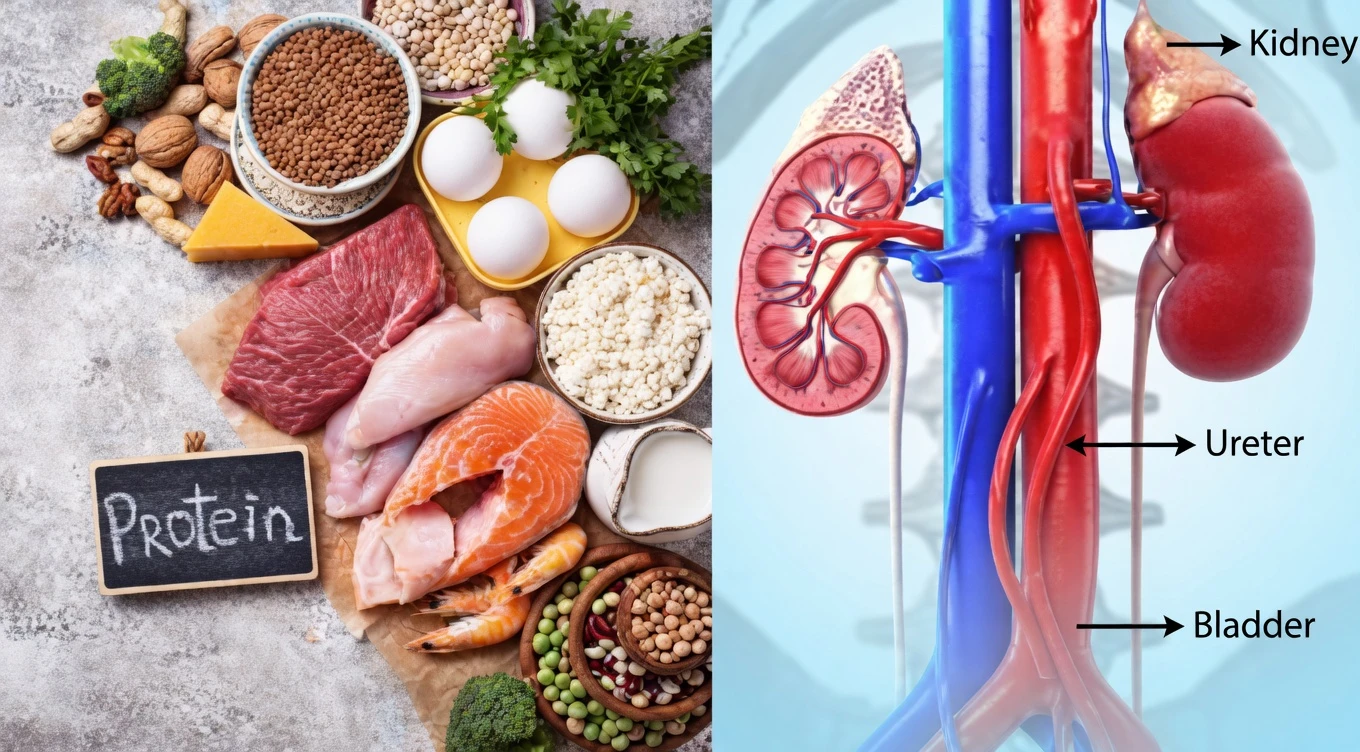
Very high protein intake—especially from animal-based sources—increases the amount of waste the kidneys must clear (such as urea). When kidney filters are already sensitive, this extra workload may worsen protein leakage. Evidence from dietary studies in people with early kidney concerns indicates that a moderate protein target—often around 0.6–0.8 g per kg of ideal body weight per day—may help lower urinary protein over time.
A rough example: someone around 68 kg (150 lb) might aim for approximately 40–55 g of protein daily, spread across meals.
Ways to apply this:
- Choose lean fish, poultry, or eggs in sensible portions
- Mix in plant proteins such as lentils, beans, and tofu
- If your diet is currently high-protein, start by tracking a typical day, then replace some protein-heavy portions with vegetables and whole grains
2. Eat More Antioxidant-Rich Fruits and Vegetables
Oxidative stress can contribute to gradual kidney cell strain. Diets rich in antioxidants and phytochemicals support the body’s defenses and may help protect delicate filtration structures.
Strong, easy options include:
- Blueberries (a concentrated source of antioxidants)
- Strawberries
- Apples with the skin on, providing flavonoids such as quercetin, which research suggests may support filtration barriers
A realistic goal is 5–7 servings of fruits and vegetables daily. Practical ideas:
- Add berries to yogurt or oats
- Snack on apple slices
- Build at least half of your plate from colorful produce
3. Lower Sodium to Reduce Pressure on Kidney Filters
Too much sodium promotes fluid retention and raises blood pressure—two factors that increase pressure on kidney structures and may raise urinary protein. Reviews and meta-analyses in populations with kidney risk suggest that keeping sodium closer to 1,500–2,300 mg/day can reduce protein levels in the urine.
Simple sodium-cutting swaps:
- Rinse canned beans/vegetables before using
- Flavor food with garlic, herbs, pepper, vinegar, or lemon instead of salt
- Choose no-salt-added or low-sodium packaged items
- Reduce ultra-processed foods (a major hidden sodium source)
If meals often taste “very salty,” even a gradual reduction can deliver noticeable benefits.
4. Add Omega-3s to Support a Healthier Inflammation Balance
Chronic inflammation can intensify kidney stress. Omega-3 fatty acids, especially EPA and DHA from seafood, are associated in pooled research findings with improved inflammatory balance and, in some groups, lower urine protein levels.
Ways to increase omega-3 intake:
- Eat fatty fish (such as salmon, sardines, or mackerel) a couple of times per week
- A typical 3 oz (85 g) serving of salmon provides roughly ~1.8 g EPA + DHA
- Include plant omega-3 sources like walnuts (ALA), which can complement—but not fully replace—EPA/DHA
Consistency matters more than perfection: small weekly routines add up.
5. Choose More Alkaline-Forming Plant Foods
When kidney function is strained, the body may have more difficulty managing dietary acid load. Plant-forward eating tends to lower dietary acidity (often discussed using measures like PRAL), and higher fruit/vegetable intake is linked to improved acid-base balance in research.
Emphasize alkaline-forming, plant-forward choices such as:
- Carrots, cauliflower, and other vegetables
- Leafy greens like kale (only if potassium limits allow)
- Fruits such as figs
A practical approach:
- Replace about half of animal protein portions with beans or lentils, plus extra vegetables
Many people report steadier day-to-day energy after several weeks of a more plant-forward pattern.

6. Stabilize Blood Sugar and Aim for Gentle, Sustainable Weight Changes
Blood sugar spikes can harm small blood vessels—including those in the kidneys. Clinical evidence supports that better glucose control and even modest weight loss (around 3–5%) can correlate with meaningful improvements in proteinuria.
Start with high-impact basics:
- Replace sugary drinks with water or unsweetened options
- Choose fiber-rich carbohydrates (oats, legumes, berries)
- Take a 20–30 minute walk after meals to blunt glucose spikes
- Build meals around protein + fiber + healthy fats to reduce rapid rises in blood sugar
These steps also support blood pressure, which further protects kidney filtration.
7. Make the Changes Stick with Simple “Smart Swaps”
Progress is usually driven by consistent, repeatable choices—not one dramatic shift. Use this swap list to make kidney-supportive eating easier:
- High-sodium processed foods → Season with herbs, lemon, garlic
- Helps reduce fluid retention and filtration pressure
- Very large animal-protein portions → Mix in beans, lentils, tofu
- Reduces waste products the kidneys must filter
- Sugary drinks/juice → Water (add cucumber/lemon if desired)
- Supports better blood sugar stability
- Low-produce meals → Add berries and apples (skin on)
- Increases antioxidant intake for cellular support
A Simple Timeline You Can Follow
- Weeks 1–2: Focus on sodium reduction and moderating protein intake (many people notice less puffiness/bloating)
- Weeks 3–4: Increase antioxidant-rich produce and omega-3 sources (energy may feel more stable)
- Weeks 5–8: Shift toward more plant-forward meals and blood sugar-friendly habits; track how you feel
- Ongoing: Review patterns, repeat labs as advised, and adjust with your clinician
Sustained improvement usually comes from layering several small, supportive habits rather than relying on a single change.
FAQ
What usually causes foamy urine?
Foam that persists is often associated with protein in the urine, which may result from kidney filter stress related to blood pressure, blood sugar, or other medical factors. It’s worth discussing with a healthcare professional.
How fast can diet and lifestyle changes help?
Some people notice less visible foam or better energy within a few weeks, but meaningful lab changes often require 1–3 months of consistent habits.
Can I make these changes without medical supervision?
Start gradually, but consult a doctor or registered dietitian first—especially if you have kidney disease, diabetes, high blood pressure, or take prescription medications.
Medical Disclaimer
This article is for informational purposes only and is not a substitute for professional medical advice. Proteinuria and kidney-related concerns require individualized evaluation. Always consult your healthcare provider or nephrologist before making diet or lifestyle changes, particularly if you have chronic kidney disease, diabetes, hypertension, or take medications.