
Turning 80: A Major Milestone—And the Health Shifts to Watch For
Reaching 80 years old is a meaningful achievement, and many people now arrive at this age in better overall health than earlier generations. Some research suggests that adults who reach 80 may have a lower likelihood of developing certain new serious illnesses (including some cancers) compared with younger seniors. Even so, the body and brain still undergo real, age-related changes—and without support, those shifts can affect comfort, independence, and daily routines.
When everyday tasks start feeling harder or when isolation becomes more noticeable, it can be discouraging or even unsettling. The encouraging part is that many age-80+ health challenges can be reduced, managed, or slowed with awareness and small, steady lifestyle adjustments that protect both physical health and emotional well-being.
This guide breaks down five common health concerns after age 80, highlights what studies commonly report, and shares practical actions you can begin right away. There’s also one simple habit near the end that many people underestimate, even though it can significantly improve quality of life.

1) Cellular Aging and a Slower Immune System in Your 80s
In your ninth decade of life, the body’s cells typically repair and regenerate more slowly than they once did. This normal biological process—often described as cellular senescence—can mean longer recovery times after illness, surgery, or injury.
The immune system also becomes less responsive with age. Studies often note that adults over 80 may experience:
- Less robust vaccine responses
- Higher vulnerability to infections
- Longer-lasting symptoms when infections occur
This doesn’t mean rapid decline is unavoidable. Everyday habits can still support immune and cellular function, including:
- Gentle, regular movement (walking, stretching, chair exercises)
- Balanced meals with antioxidant-rich foods (berries, leafy greens, colorful vegetables)
- Consistent, high-quality sleep to improve recovery and immune regulation
2) Higher Fall and Fracture Risk
After 80, one of the most serious health threats is the increased risk of falls. Over time, bone density tends to decrease and muscle strength often declines, which can make balance and stability more challenging.
Falls can be life-changing, especially when they lead to fractures. Hip fractures, in particular, are a major reason for hospitalization in this age group and can strongly affect independence.
Ways to lower fall risk at home and in daily life:
- Remove common trip hazards (loose rugs, cords, clutter)
- Add grab bars in bathrooms and improve lighting (especially on stairs and hallways)
- Wear supportive, non-slip footwear, even indoors
- Practice simple balance habits (for example, standing on one leg while brushing teeth—only if safe)
- Ask a doctor about vision checks and medication reviews, since some medications can affect dizziness, alertness, or balance
Small environmental fixes and consistent routines can greatly reduce the chance of a serious fall.
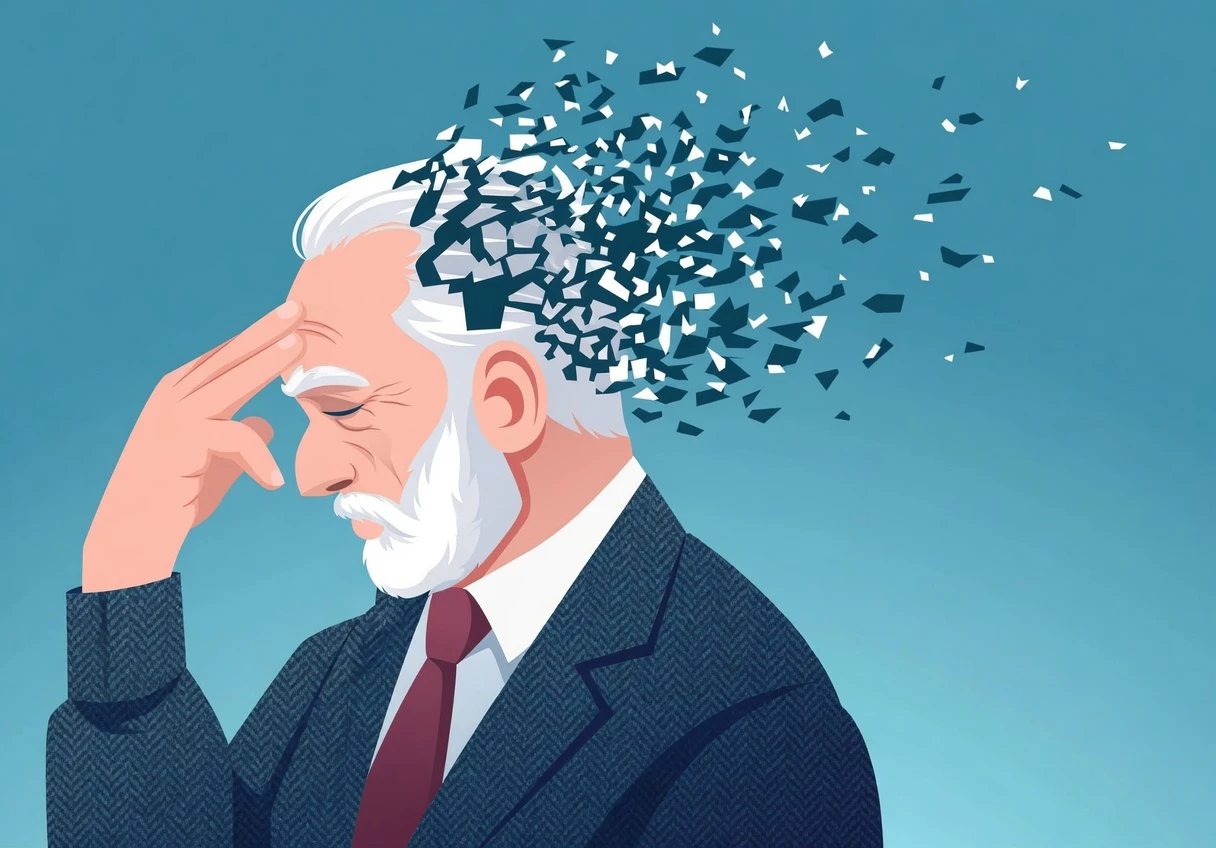
3) Cognitive Changes, Memory, and Dementia Risk
Many people notice that memory and recall feel different after 80. Some change can be normal, but the likelihood of more significant cognitive decline, including dementia, does rise with age.
Research frequently estimates that a substantial portion of adults over 85—often cited as around one in three—may experience some form of dementia. At the same time, many people maintain strong thinking skills well into their 90s and beyond.
Supportive strategies for brain health include:
- Staying socially engaged (calls, visits, community groups)
- Keeping the mind active with reading, puzzles, games, or learning new skills
- Doing regular physical activity to improve blood flow to the brain
- Eating a brain-supportive diet emphasizing fruits, vegetables, whole grains, and healthy fats
If you or a loved one notices memory changes that feel unusual or worsening, early discussions with a healthcare professional can help with evaluation, planning, and supportive tools.
4) Managing Chronic Conditions Gets More Complex
Long-term conditions such as high blood pressure, diabetes, and heart disease often require more careful attention in the 80s. The body can respond differently to medications over time, and symptoms may be more difficult to control without adjustments.
Many studies and clinical guidelines emphasize the value of regular follow-ups and coordinated care to tailor treatment plans as needs change.
Helpful day-to-day practices for chronic condition management:
- Track blood pressure or blood sugar at home when advised
- Use a consistent medication routine (pill organizers and reminders can help)
- Prioritize heart-healthy meals with vegetables, fiber, and lean proteins
- Keep medical appointments and bring questions or concerns to visits
A proactive approach can improve stability, reduce complications, and support long-term vitality.
5) Emotional Health and the Impact of Loneliness
One of the most under-recognized issues after 80 is emotional well-being. Life changes—such as losing a spouse or friends, reduced mobility, or no longer driving—can increase isolation.
Research consistently links loneliness and social isolation with higher risks of:
- Depression
- Cognitive decline
- Worse physical outcomes, including reduced resilience to illness
Meaningful ways to support emotional health:
- Set regular phone or video call times with loved ones
- Participate in senior centers, faith communities, or hobby groups
- Consider pet companionship when appropriate and feasible
- Volunteer or join local community activities if possible
- Speak with a trusted person or mental health professional if sadness persists
Even one or two reliable connections can dramatically improve daily life.

Everyday Habits That Support Health After 80
Focusing on a few consistent habits often provides the strongest overall benefit:
- Move daily (walks, stretching, chair exercises all count)
- Eat nutrient-dense, colorful meals with plenty of plant foods
- Protect sleep with a consistent routine and bedtime
- Drink enough fluids throughout the day
- Keep the mind engaged through conversation, reading, or games
- Maintain routine medical care and communicate openly with clinicians
The overlooked habit that makes a real difference: purposeful daily connection.
A short call, a neighbor visit, or attending a group activity can be a powerful predictor of both longevity and life satisfaction in later years.
Final Thoughts
Living to 80+ deserves recognition and celebration. While aging naturally brings physical and mental changes, informed choices and early action can help preserve independence, comfort, and joy.
By understanding these five common concerns—cellular and immune shifts, fall prevention, cognitive health, chronic condition management, and emotional well-being—you can approach this stage of life with greater clarity and confidence.
Choose one small change to start today. Over time, consistent steps can produce meaningful improvements.
Frequently Asked Questions
-
Is it normal to feel more tired after turning 80?
Yes. Energy levels commonly decline with age due to changes in metabolism, muscle mass, and recovery speed. Gentle movement, balanced nutrition, and strong sleep habits can help support daily energy. -
How often should someone over 80 see a doctor?
Many experts suggest at least an annual check-up, and more often when chronic conditions are present. The ideal schedule should be personalized with a healthcare professional. -
Can loneliness really affect physical health in older adults?
Yes. Studies associate social isolation with increased risks related to heart health, cognition, and immune function. Staying connected supports both emotional and physical well-being.
Disclaimer
This article is for informational purposes only and does not replace professional medical advice, diagnosis, or treatment. Always consult a physician or qualified healthcare provider about medical concerns or before changing any health routine.