
Feeling worn down by the daily grind? With modern routines full of ultra-processed foods, constant pressure, and environmental pollutants, your kidneys can end up working harder than you realize. Day after day, that burden may show up as low energy, puffiness, bloating, or a general “sluggish” feeling.
The encouraging part is that small, realistic choices in your kitchen—especially common spices—may offer gentle kidney support. Thanks to their antioxidant and anti-inflammatory compounds, several everyday seasonings have been studied for how they may help the body manage oxidative stress and support natural cleansing pathways. Below are five standout spices and safe, practical ways to use them.

Why Supporting Kidney Function Matters
Your kidneys filter roughly 200 liters of blood each day, removing waste while maintaining the right balance of fluids and key minerals. Over time, factors like inflammation, oxidative stress (from free radicals), and the buildup of certain compounds can make that job more difficult.
No single food can “detox” or repair kidneys on its own. However, research suggests that spices rich in antioxidants and anti-inflammatory phytochemicals may help support the body’s defenses and promote overall wellness—including healthy fluid balance and metabolic resilience.
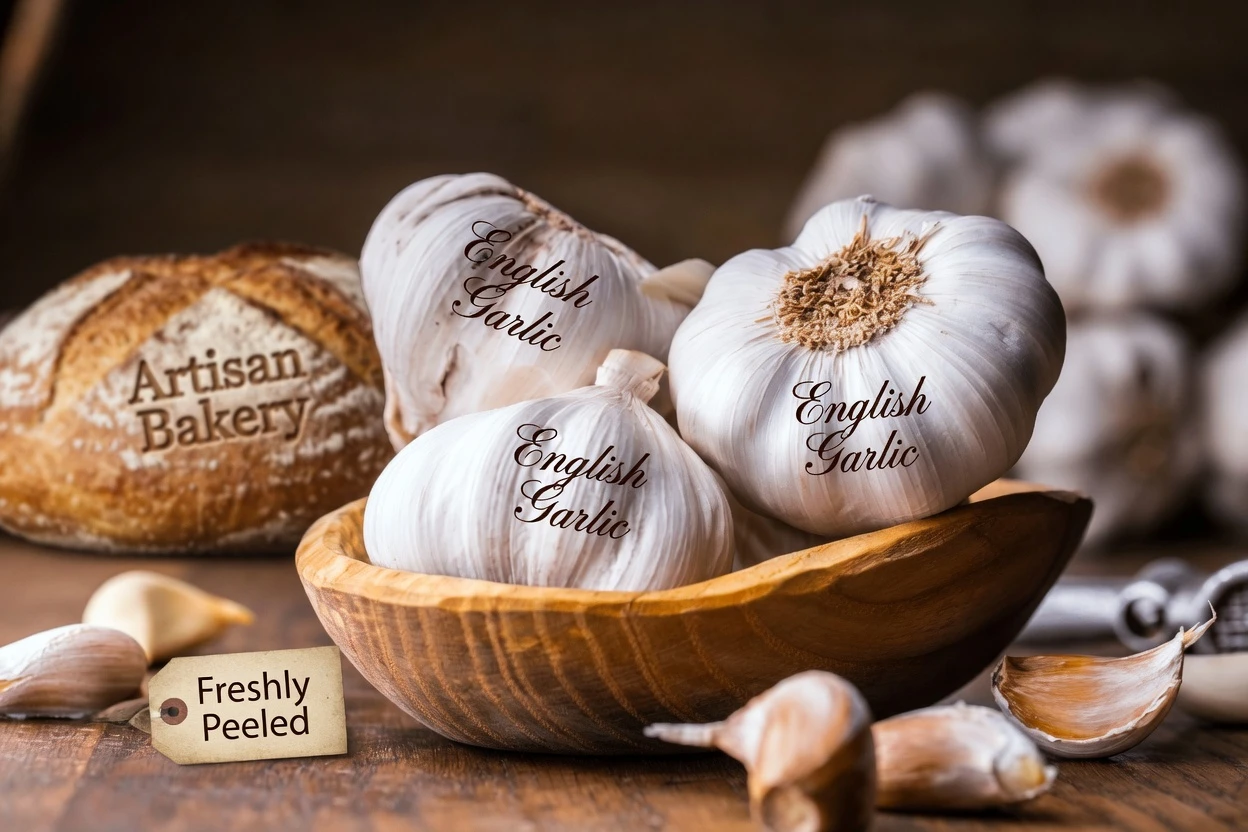
1. Garlic: Strong Support for Inflammation and Oxidative Stress
Garlic is valued worldwide for its bold flavor—and for good reason. It contains sulfur-based compounds (including allicin) that are linked to its protective properties.
Scientific findings, including reviews of animal research on diabetic-related kidney stress, suggest garlic may help improve certain markers tied to kidney function by lowering oxidative damage and inflammation. Smaller human studies in specific populations (such as people receiving hemodialysis) also suggest potential improvements in inflammatory markers and quality-of-life measures.
Easy ways to add garlic
- Mix 1–2 fresh cloves (crushed or minced) into soups, stir-fries, sauces, or salad dressings.
- Roast a whole bulb for a sweeter, milder garlic flavor you can spread into meals.
2. Turmeric: Curcumin-Rich “Golden” Anti-Inflammatory Spice
Turmeric’s bright yellow color comes from curcumin, one of the most researched plant compounds for inflammation control and antioxidant activity.
Evidence from animal models and select human trials indicates curcumin may support kidney health by reducing oxidative stress, helping regulate inflammatory signaling, and potentially improving certain kidney-related lab markers (such as creatinine) in inflammatory conditions. Reviews often note that results are more consistent with better-absorbed (bioavailable) forms and longer-term use.
Simple turmeric ideas
- Add ½–1 teaspoon to curries, rice dishes, soups, or “golden milk.”
- Pair with a small pinch of black pepper to support absorption.
- Blend into smoothies or steep into tea for a warming option.
3. Ginger: Warming Antioxidant Support and Circulatory Balance
Ginger is both flavorful and soothing, with active compounds like gingerol known for anti-inflammatory effects.
Research, including meta-analyses of animal studies on acute kidney injury models, suggests ginger extracts may help strengthen antioxidant defenses and reduce tissue damage linked to oxidative stress. Some findings also point to improvements in circulation and reductions in oxidative markers—effects that may indirectly support healthy filtering and balance.
Easy ways to use ginger
- Steep fresh slices in hot water for ginger tea (add lemon if desired).
- Grate 1–2 teaspoons into marinades, broths, stir-fries, or soups.
4. Parsley (Cilantro Leaves): Fresh Support for Fluid Balance
Parsley is often treated as a garnish, but it contains vitamins and plant compounds with a long history of traditional use for supporting urine flow.
Studies confirm parsley’s diuretic activity, with animal research showing increased urine output and possible benefits related to urinary mineral handling (including factors connected to kidney stone risk). Its gentle “flushing” action may support natural elimination processes while adding antioxidants to your diet.
Practical parsley habits
- Chop fresh leaves into salads, grain bowls, or as a finishing topping for fish, chicken, or legumes.
- Make a light parsley tea by steeping a handful of leaves in hot water.
5. Coriander Seeds: Antioxidant Defense and Toxin Handling Support
Coriander seeds (from the same plant as cilantro) bring a citrusy, slightly nutty flavor and are common in spice blends.
Early animal research suggests coriander extracts may help reduce heavy metal accumulation in tissues (including the kidneys) and improve resilience to oxidative stress. These effects may support the body’s elimination pathways—particularly through urine—though human research is still limited.

How to enjoy coriander seeds
- Toast and grind them into spice mixes for roasted vegetables, curries, or lentil dishes.
- Simmer whole seeds in soups, broths, or herbal infusions for a mild flavor.
Quick Comparison: What Each Spice May Help With
- Garlic — Antioxidant and anti-inflammatory support; may help reduce oxidative stress.
- Turmeric — Curcumin supports inflammation regulation; potential improvements in some kidney-related biomarkers in inflammatory contexts.
- Ginger — Supports antioxidant activity and circulation; protective effects seen in injury models.
- Parsley — Gentle diuretic action; supports fluid balance and urine flow.
- Coriander seeds — Preliminary support for managing oxidative burden and certain toxin-handling processes.
These spices are most effective as part of a broader lifestyle that includes hydration, fiber-rich meals, and overall balanced nutrition.
Practical Ways to Start Today
- Begin gradually: Choose 1–2 spices to use daily and notice how you feel after a week.
- Try a “clean” herbal tea (tolerance permitting):
- Hot water + sliced ginger + a pinch of turmeric + fresh parsley
- Steep for 5–10 minutes
- (Skip garlic in tea if it upsets your stomach; it’s optional.)
- Upgrade everyday meals:
- Garlic + coriander seeds for savory dishes
- Turmeric for soups or warm drinks
- Parsley as a fresh finishing touch
- Hydrate consistently: Spices work best alongside adequate water intake.
- Use culinary amounts: More is not always better; excessive herbs/spices can cause side effects.
Conclusion: Small, Sustainable Steps for Long-Term Wellness
Adding garlic, turmeric, ginger, parsley, and coriander seeds to your routine is a simple, flavorful way to support your kidneys’ natural processes. With their antioxidant, anti-inflammatory, and (for some) mild diuretic properties, these spices can complement healthy habits that protect energy, balance, and overall well-being.
For meaningful kidney health, focus on consistency: stay hydrated, eat a balanced diet, and get regular medical checkups—especially if you have existing kidney concerns.
FAQ
Can these spices replace medical treatment for kidney problems?
No. These spices can complement a healthy lifestyle, but they are not a substitute for medical care. Speak with a healthcare professional about any kidney symptoms or diagnosis.
What is a safe daily amount?
For most people, culinary portions are well tolerated:
- A few garlic cloves or fresh herb sprigs
- Around 1–2 teaspoons of ground spices per day (depending on the spice)
If you’re new to any of them, start with smaller amounts.
Are there risks or medication interactions?
Yes. Some spices and herbs (including turmeric and parsley) may interact with medications such as blood thinners, and certain people (for example, those prone to kidney stones or with specific medical conditions) may need tailored advice. Consult a clinician if you are pregnant, managing a chronic illness, or taking prescription drugs.
Disclaimer
This article is for informational purposes only and does not provide medical advice. These statements have not been evaluated by the FDA. Spices may support general wellness but are not intended to diagnose, treat, cure, or prevent any disease. Always consult your healthcare professional before making dietary changes, especially if you have kidney conditions, are pregnant, or take medications.