Chemotherapy and Infection Risk: Why “Small” Germs Can Become a Big Threat
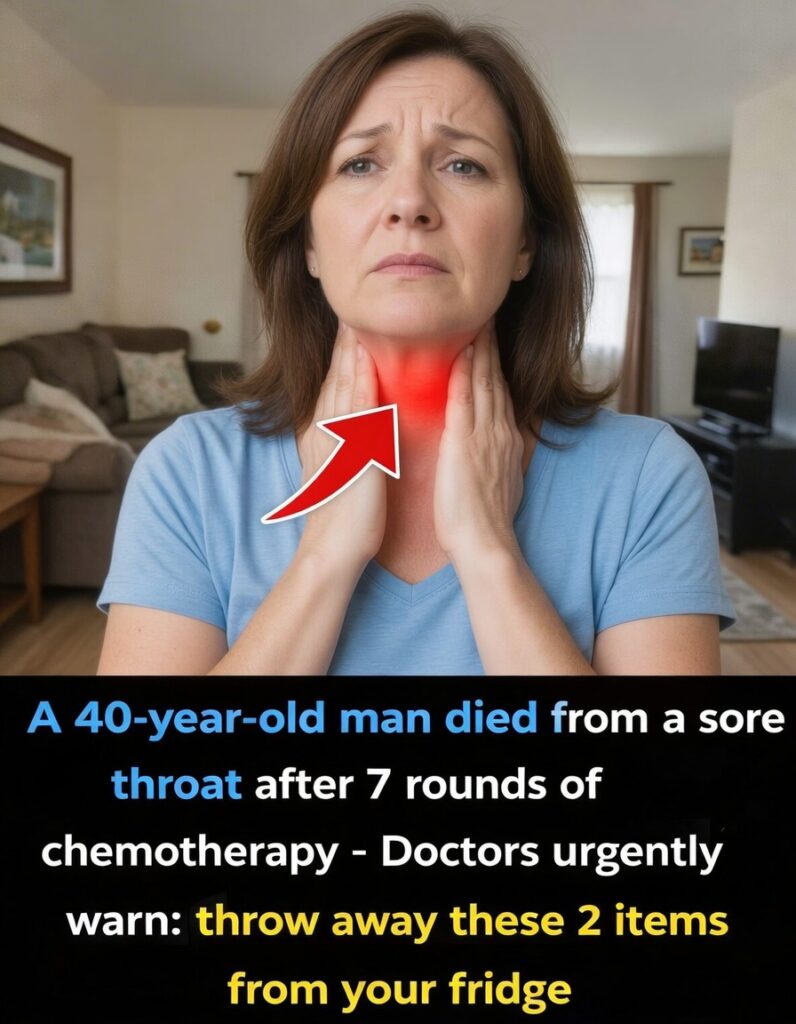
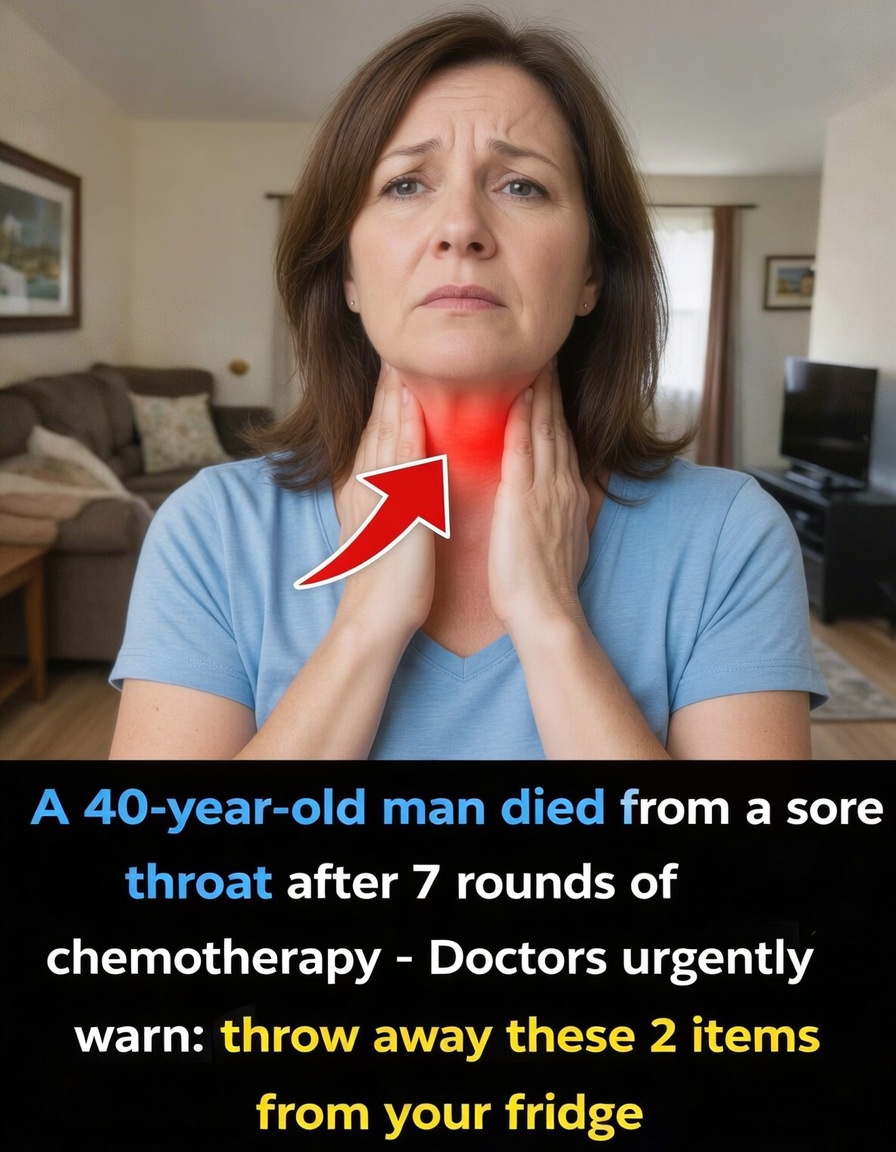
Chemotherapy can dramatically reduce the body’s ability to fight germs, making patients far more susceptible to infections that might otherwise stay mild. In one tragic real-world scenario, a man in his 40s developed a rapidly worsening infection that began with a sore throat—yet despite treatment, it turned fatal. Situations like this underscore a hard truth: everyday bacteria such as Listeria or Salmonella can become dangerous when immune defenses are low.
The encouraging part is that many risks are preventable. With smarter food handling and safer refrigerator habits, you can lower the chances of foodborne illness in a meaningful way.
Why Chemotherapy Makes Infections So Dangerous
Chemotherapy is designed to target fast-growing cancer cells, but it can also damage healthy fast-growing cells—especially white blood cells, which are crucial for fighting infection. The result is immunosuppression, where even common bacteria can cause severe illness.
Public health guidance, including recommendations informed by authorities such as the CDC, consistently highlights that people receiving cancer treatment face a higher risk of foodborne infections. One particularly concerning germ is Listeria, which can survive—and sometimes multiply—at refrigerator temperatures.
When immunity is reduced, symptoms that might seem minor (fever, fatigue, sore throat) can escalate quickly. Awareness and prevention are key.
The Hidden Risk Inside Your Refrigerator
A refrigerator slows spoilage, but it does not “sterilize” food. Pathogens such as Listeria and Salmonella can persist in cold conditions, especially when:
- food is stored too long,
- packaging leaks onto shelves,
- leftovers are cooled slowly,
- items are eaten without reheating.
Not every refrigerated product is equally risky. The safest approach is to focus on the categories most linked to contamination and complications in immunocompromised people.

Two Everyday Fridge Staples Doctors Say to Treat With Extra Caution
Food safety experts frequently emphasize extra care with two common refrigerated items:
- Yogurt and similar dairy products (especially if unpasteurized, improperly stored, or kept beyond safe time limits)
- Soft cheeses (particularly those made from unpasteurized milk or stored too long after opening)
These foods can sometimes carry Listeria if pasteurization, handling, or storage isn’t adequate. In addition, leftover cooked foods kept for too long can become hazardous because bacteria multiply over time.
Key takeaways:
- Choose pasteurized yogurt only and follow expiration dates strictly.
- Avoid unpasteurized soft cheeses during chemotherapy unless your care team says otherwise.
Foods to Be Extra Careful With During Chemotherapy
Major health organizations (including guidance aligned with groups such as the American Cancer Society and CDC) generally encourage immunocompromised individuals to reduce exposure to higher-risk foods.
Consider limiting or avoiding:
- Unpasteurized dairy products
Including raw milk and some yogurts and soft cheeses such as Brie, Camembert, feta, queso fresco—these can be linked to Listeria. - Deli meats and processed meats
Cold cuts, hot dogs, pâtés—unless reheated until steaming hot. - Leftover cooked foods kept too long
Longer storage increases bacterial growth risk, even in the fridge. - Raw or hard-to-clean produce
Items like berries, grapes, and sprouts can be difficult to clean thoroughly. - Ready-to-eat refrigerated foods
Pre-cut fruit, deli salads, and refrigerated smoked fish can carry higher risk if contaminated.
Safer alternatives often include:
- Hard cheeses made from pasteurized milk (e.g., cheddar, parmesan)
- Pasteurized milk and yogurt
- Freshly cooked meals eaten promptly
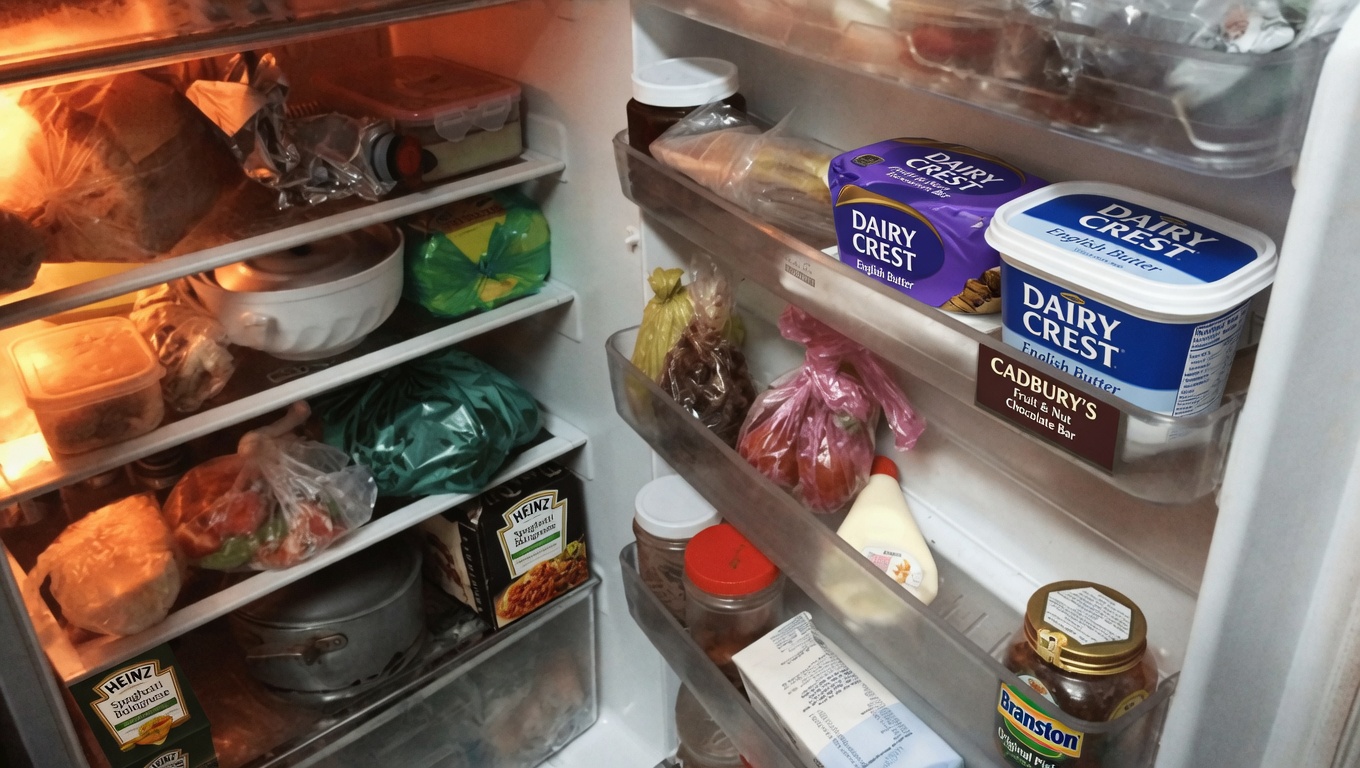
Step-by-Step: How to Make Your Fridge Safer
Use these practical, high-impact actions to reduce foodborne risk at home:
- Deep-clean the refrigerator regularly
Wash shelves and drawers with hot, soapy water. You can also use a mild bleach solution (about 1 tablespoon bleach per 1 gallon of water) for sanitizing. Aim for monthly cleaning, and immediately clean spills. - Check dates and discard aggressively
Throw away anything past its “use by” date. Don’t “taste test” questionable foods. - Keep the temperature cold enough
Set the fridge to 40°F (4°C) or below and confirm with a thermometer. - Handle leftovers safely
Cool food quickly, store in shallow containers, and reheat to 165°F (74°C) until steaming. - Reduce time food sits out
Avoid leaving cooked food at room temperature for extended periods before refrigerating.
These habits can significantly reduce exposure to harmful bacteria.
General Eating Rules That Offer Stronger Protection
During chemotherapy, prioritize foods that are freshly prepared and fully cooked:
- Eat only thoroughly cooked meat, poultry, seafood, and eggs.
- Choose pasteurized beverages; boil water if safety is uncertain.
- Wash hands, utensils, and kitchen surfaces often.
- Skip buffets, salad bars, and shared dishes where contamination is easier.
Consistent food safety routines can substantially reduce infection risk for immunocompromised individuals.
Conclusion: Small Food Safety Changes Can Make a Big Difference
Chemotherapy is hard enough without additional infection scares. By paying close attention to fridge contents—especially yogurt and soft cheeses—and following solid food safety practices, you can meaningfully lower preventable risks.
These steps aren’t about panic. They’re about control, protection, and caring for yourself or someone you love during treatment.
Frequently Asked Questions
What should I do if I’m on chemotherapy and develop a sore throat or fever?
Contact your oncologist or care team immediately. When immunity is low, early evaluation of possible infection symptoms is essential.
Are all yogurts and cheeses unsafe during treatment?
No. Many are safe if they’re pasteurized, properly stored, and within date. In general, hard pasteurized cheeses are often lower risk, while unpasteurized soft cheeses are higher risk. Follow your healthcare team’s guidance.
How long should leftovers stay in the fridge for immunocompromised people?
A cautious approach is 24–48 hours. Label containers with dates and discard anything older to reduce bacterial growth risk.
Disclaimer
This article is for informational purposes only and does not replace professional medical advice. Always consult your doctor or oncology team for personalized guidance on diet and safety during cancer treatment. Food safety recommendations may vary depending on individual health status.