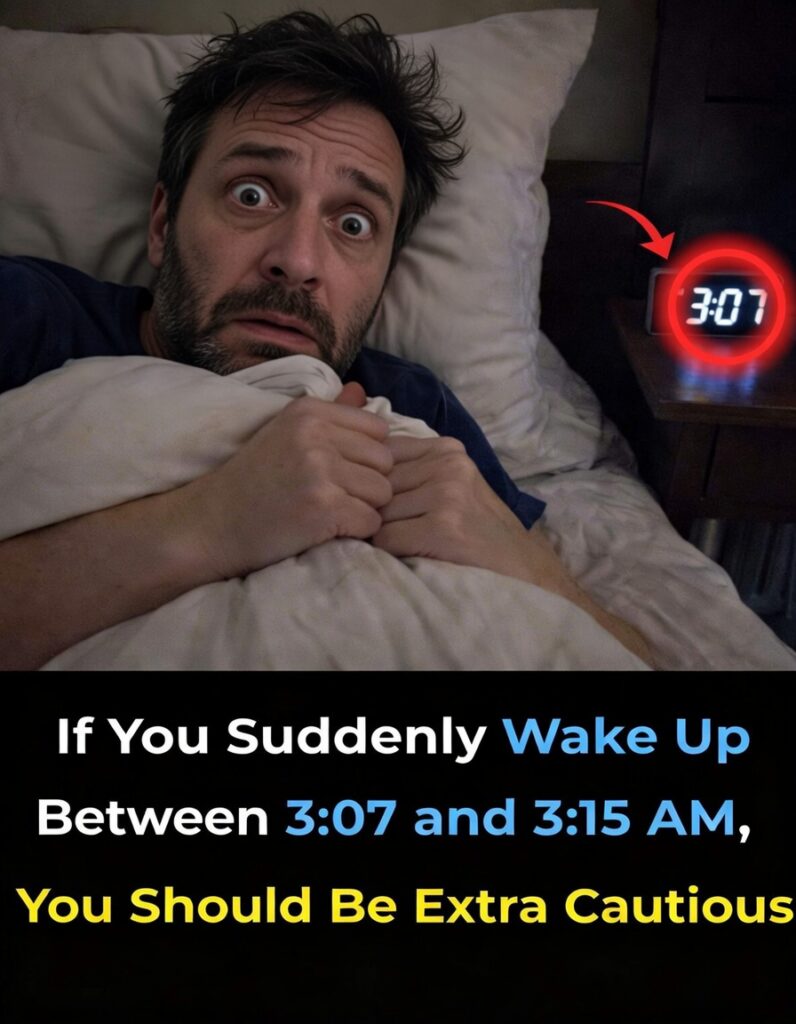
Waking up around 3 a.m. and then staring at the ceiling while sleep won’t return is a uniquely irritating experience. Your thoughts speed up, the hours feel louder than the night itself, and the next day often starts with brain fog and low energy. If this happens to you, you’re far from alone. The encouraging part is that these wake-ups usually have predictable, fixable causes—from normal sleep biology to stress and daily habits. One frequently missed clue is how your internal body clock times hormones in the early morning, which can make this hour a common “wake window.”
How Sleep Cycles Make Night Wakings More Likely
Sleep doesn’t run in one straight line. It moves through repeating 90-minute cycles, and most adults complete 4–6 cycles during a typical 7–9 hour night.
These stages generally include:
- Stage 1: Very light sleep as you begin to drift off
- Stage 2: Light-to-moderate sleep; brain activity slows further
- Stage 3: Deep sleep; physical restoration and recovery are prioritized
- REM (Rapid Eye Movement): Dream-heavy sleep with increased brain activity
In the first half of the night, deep sleep (Stage 3) is more dominant. As morning approaches, your body naturally shifts toward lighter sleep and longer REM periods. If you go to bed around 10–11 p.m., then 3 a.m. often lands in a lighter part of the cycle—meaning smaller disruptions can wake you more fully.
It’s also worth noting that most people briefly wake several times each night; they simply fall back asleep quickly and don’t remember it. The problem starts when you become fully alert and can’t return to sleep.
Why It Happens Around 3 a.m.: The Cortisol Connection
A major reason this hour is so common involves cortisol. While it’s often labeled the “stress hormone,” cortisol also plays a normal role in waking you up. As part of your circadian rhythm, cortisol typically begins rising in the early morning hours, often between 2 and 4 a.m., gradually nudging your body toward alertness.
In a relaxed state, this rise is subtle. But if you’re carrying stress, worry, or tension, that same hormonal uptick can feel like a switch flipping on—especially when paired with the lighter sleep stages that tend to occur later at night.

Cortisol is a key piece of the puzzle, but it rarely acts alone. Many everyday factors can make 3 a.m. awakenings more frequent.
Common Reasons You Wake Up at 3 a.m.
Sleep specialists often see the same triggers come up again and again. The most common include:
- Stress and anxiety: Work pressure, relationship strain, or general worry can keep your nervous system on alert, making it harder to settle back down.
- Learned insomnia patterns: If waking at 3 a.m. becomes routine, your brain may start expecting it—turning it into a habit that reinforces itself.
- Age-related changes: Deep sleep tends to decrease with age, and sensitivity to noise, light, and temperature often increases. Many adults also shift toward earlier bedtimes and earlier wake times.
- Medication effects: Some prescriptions (such as certain antidepressants, beta-blockers, or diuretics) can disrupt sleep continuity. If you suspect this, discuss it with your clinician before making changes.
- Underlying health issues: Sleep may be interrupted by conditions such as:
- Sleep apnea (breathing pauses)
- Acid reflux/GERD (nighttime heartburn)
- Chronic pain (including arthritis)
- Depression or mood disorders
- Restless legs syndrome
- Enlarged prostate (more nighttime urination)
- Menopause-related hot flashes/night sweats
Lifestyle influences can also contribute, including late caffeine, evening alcohol (which often fragments sleep later in the night), heavy meals close to bedtime, and irregular sleep schedules.
Practical Ways to Cut Down on 3 a.m. Wake-Ups
Many people improve their sleep significantly with consistent, low-effort adjustments. Try these strategies step by step:
- Keep a steady sleep schedule: Go to bed and wake up at the same time every day (including weekends) to stabilize your body clock.
- Create a wind-down routine: Spend 30–60 minutes with calming cues—dim lights, light reading, gentle stretching, or a warm shower.
- Reduce screens before bed: Aim to stop phone/TV/laptop use at least one hour before sleep; blue light can reduce melatonin signaling.
- Avoid caffeine after noon and limit evening alcohol: Both can trigger “rebound” wakefulness later in the night.
- Optimize your bedroom environment: Keep it cool (about 60–67°F / 15–19°C), dark, and quiet. Consider earplugs, a fan, or white noise if needed.
- Exercise regularly, but not too late: Target about 30 minutes most days, finishing 3–4 hours before bedtime when possible.
- Don’t stay in bed awake too long: If you can’t fall back asleep in about 20 minutes, get up and do something quiet and boring in low light (like reading). Avoid checking the clock or your phone.
- Use calming techniques: Try deep breathing (inhale 4 seconds, hold 7, exhale 8) or progressive muscle relaxation to downshift your nervous system.

Consistent small changes often outperform dramatic “sleep hacks,” especially when your goal is fewer middle-of-the-night awakenings.
When to Talk to a Healthcare Professional
Consider getting professional guidance if waking at 3 a.m.:
- Happens most nights for several weeks
- Leaves you exhausted or impaired during the day
- Comes with symptoms like loud snoring, gasping, frequent urination, hot flashes, persistent heartburn, or noticeable mood changes
A healthcare provider can help identify sleep disorders or medical contributors and recommend targeted solutions.
FAQ
Is waking up at 3 a.m. always a sign something is wrong?
No. Brief awakenings can be a normal part of sleep cycling. It becomes a concern when you regularly can’t fall back asleep and it affects daily functioning.
Does cortisol rise around 3 a.m. for everyone?
For most people, yes. Cortisol typically starts increasing in the early morning as part of the circadian rhythm that supports morning alertness.
Can diet changes reduce 3 a.m. wake-ups?
They can. Avoid heavy, spicy, or very sugary foods close to bedtime, as discomfort or blood sugar swings may disrupt sleep.
Does being over 50 make 3 a.m. wake-ups more common?
Often, yes. Hormonal changes, lighter sleep, and greater sensitivity to disturbances can contribute—but lifestyle and sleep-environment improvements can still help.
This article is for informational purposes only and is not a substitute for professional medical advice. If you have persistent sleep problems, consult a qualified healthcare provider for personalized care.