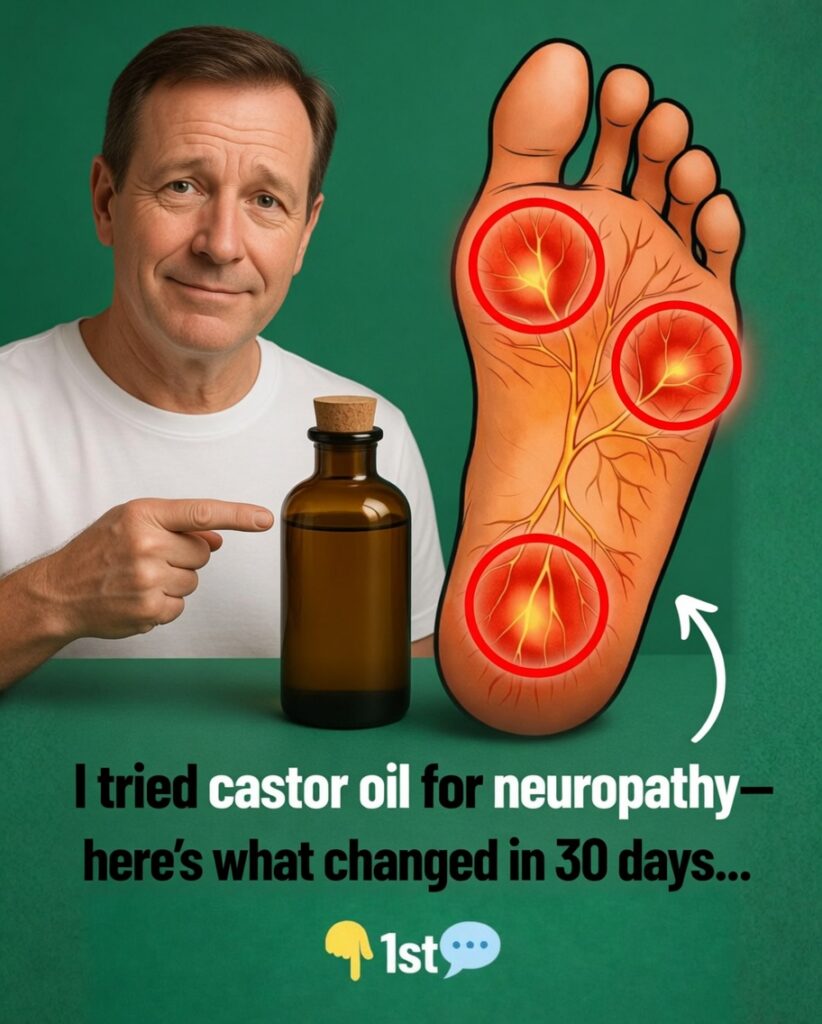
Many people start their day with stiff, sore joints that make even basic movements feel harder than they should. When that discomfort follows you from morning to night, ordinary actions—walking, reaching up, gripping a mug—can become constant reminders of inflammation, tension, and low energy. Over time, persistent joint aches may interfere with sleep, dampen mood, and reduce overall quality of life, leading many to look for gentle, natural ways to support daily comfort.
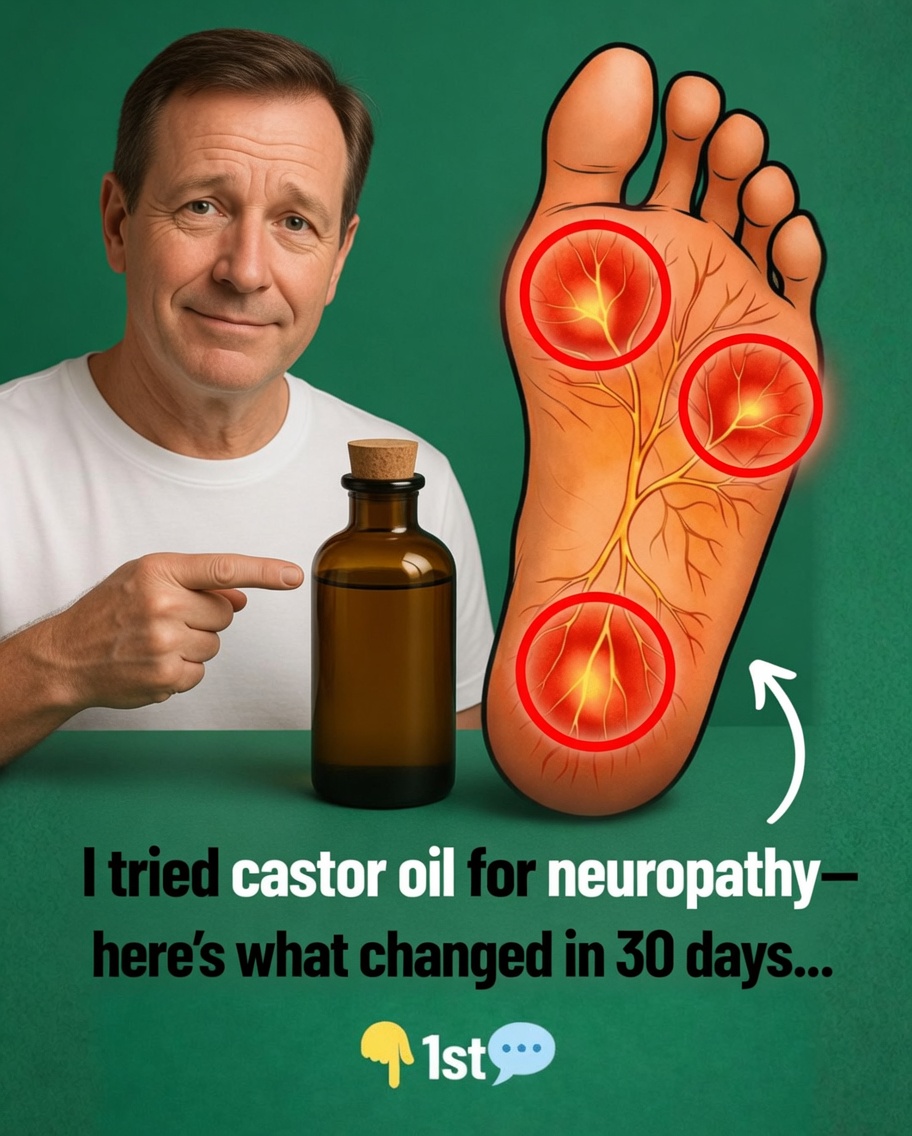
One simple option that has been used for generations is pure castor oil. In this article, you’ll learn how a 30-day castor oil massage routine may fit into a joint-care lifestyle, based on what’s known about its main compound—ricinoleic acid—along with practical guidance and common user-reported experiences. Stay to the end for a smart (and safety-focused) tip to get more from your routine.
What Makes Castor Oil Different?
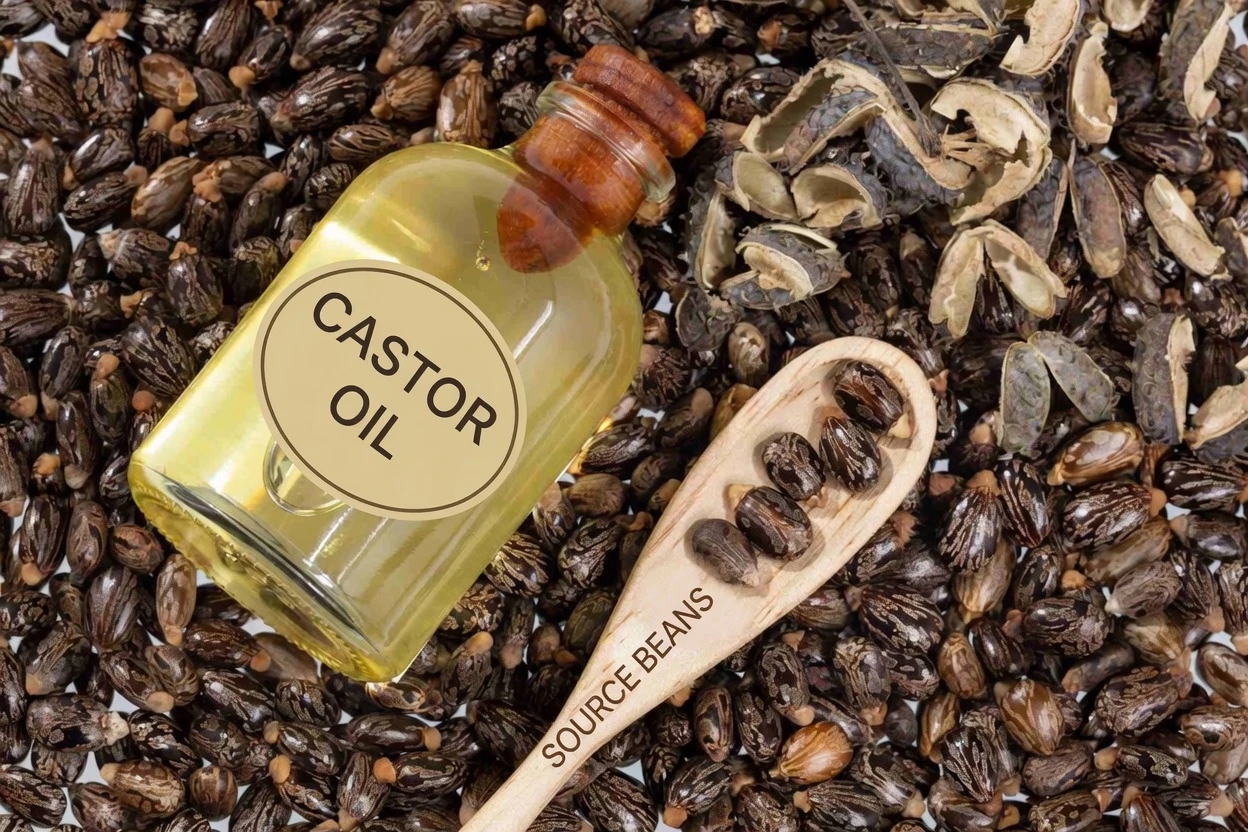
Castor oil is pressed from the seeds of the Ricinus communis plant. When properly processed, it becomes a dense, pale-yellow oil notable for its unusually high concentration of ricinoleic acid, which typically accounts for around 90% of the oil’s fatty acid profile.
Scientific interest in castor oil largely comes from ricinoleic acid. Research (including laboratory and animal-model findings) suggests this compound may influence pathways related to the body’s inflammatory response when used topically. In experimental settings, repeated topical application has been associated with reductions in inflammation-related markers such as localized swelling. Some small comparisons and observational notes also describe effects that resemble other plant-based compounds known for supporting comfort and sensory balance—without causing significant irritation in many users.
Another commonly discussed benefit is how castor oil’s chemistry may help it absorb through the skin more readily than many other oils, potentially allowing localized soothing support near the targeted area.
How Ricinoleic Acid May Help Support Joint Comfort (Topical Use)
When you gently massage castor oil onto areas that feel stiff—such as the knees, elbows, shoulders, wrists, or lower back—its ricinoleic acid may contribute to comfort in a few practical ways:
- Supports a balanced inflammation response: It may help ease common sensations linked with everyday inflammation, such as warmth, redness, and mild swelling.
- May influence discomfort signaling: Some lab and animal research points to potential effects on substance P, a compound associated with pain and discomfort signaling, especially with consistent application.
- Massage benefits + warming feel: Many people describe a subtle warming or relaxing sensation during use, and the act of massage itself may help promote circulation and reduce the feeling of tightness.
A small clinical observation comparing castor oil use with a common anti-inflammatory option in people experiencing knee discomfort reported similar improvements in comfort for some participants, with fewer side effects reported in certain cases. Still, outcomes vary widely depending on factors such as age, activity level, underlying joint issues, and overall health habits.
Safety First: Castor Oil Is for Topical Use Here
High-quality, cold-pressed castor oil is generally considered safe for external use, but one crucial warning matters:
- The raw castor plant seeds contain ricin, a highly toxic substance.
- Never eat castor seeds or use unprocessed plant materials.
Commercial castor oil is processed in a way that removes ricin, which is why it’s commonly available for topical use (and, in some cases, internal use such as laxative use only under medical guidance). To reduce the risk of irritation:
- Do a patch test first (a small area of skin, 24 hours if possible).
- Avoid use on open wounds, broken skin, or irritated rashes unless a clinician advises otherwise.
A Simple 30-Day Castor Oil Massage Routine
If you want to try castor oil massage for joint comfort, this straightforward plan is easy to follow for 30 days:
-
Pick the right oil
- Choose pure, cold-pressed castor oil (organic is a plus).
- Buy from a reliable brand with clear labeling.
-
Prepare the area
- Start with clean, dry skin over the joint or muscle you want to support.
-
Use a small amount
- Pour about 1–2 teaspoons into your palm.
- Warm it slightly by rubbing your hands together.
-
Massage gently
- Massage in slow, circular motions for 5–10 minutes.
- Use light-to-moderate pressure. If the area feels actively inflamed or very tender, avoid aggressive rubbing.
-
Optional: add a wrap and low heat
- Cover the area with a soft cloth (similar to a “castor oil pack” approach).
- Apply a heating pad on low for 20–30 minutes for relaxation and circulation support.
-
Repeat daily
- Many prefer evenings, when the body is naturally winding down.
-
Aftercare
- Wipe away excess oil if needed, or let a thin layer absorb overnight.
With consistent use, many people report small but meaningful changes—such as less morning stiffness or smoother movement. Your body’s response is the best guide, so adjust frequency and pressure as needed.
Quick Comparison: Ways to Apply Castor Oil
- Direct massage
- Best for targeted areas and quick application
- Castor oil pack (cloth method)
- Useful for broader coverage and longer contact time
- Massage + gentle heat
- Can enhance relaxation and circulation (use cautiously to avoid burns)

What You Might Notice Over 30 Days (Common User-Reported Patterns)
While experiences differ, many people describe the following timeline when using castor oil consistently:
-
Days 1–7
- A warming or mild tingling sensation is common.
- Some feel immediate post-massage soothing, especially with gentle heat.
-
Days 8–14
- Regular application may start to feel “noticeably helpful,” with less tightness—often most appreciated in the morning.
-
Days 15–30
- The routine’s benefits may feel more stable: easier daily movement, less stiffness, and a general sense of joint support.
- Lifestyle factors (sleep, hydration, mobility work, diet) strongly influence results.
Tips to Get More Value From Your 30-Day Trial
To improve your overall joint-care routine while using castor oil:
- Add gentle mobility work: light stretching, walking, swimming, or yoga can support flexibility and joint function.
- Prioritize hydration: fluid balance supports tissues and recovery.
- Track changes simply:
- Rate daily comfort from 1–10
- Note stiffness timing (morning vs. evening), activity levels, and sleep quality
- Support your routine with joint-friendly habits:
- Warm baths or showers
- Foods often associated with a balanced inflammation response, such as berries, leafy greens, olive oil, and fatty fish
Conclusion: A Simple, Low-Risk Ritual for Everyday Joint Support
A pure castor oil massage routine can be a gentle, natural addition to a joint wellness plan, largely due to the potential topical benefits of ricinoleic acid and the soothing effects of consistent massage. It’s not an instant fix or a cure, but many people find it supportive when used thoughtfully over time. Approach the 30-day routine with patience, track your results, and keep expectations realistic—your body’s needs and response are unique.
Frequently Asked Questions
Is castor oil safe for everyone to apply on the skin?
Most people tolerate topical castor oil well, but sensitive skin and allergies are possible. Always do a patch test first. Speak with a healthcare professional if you have skin conditions, broken skin, or if you are pregnant.
How soon could I notice a difference?
Many users report subtle shifts within 1–2 weeks, with more noticeable support by 30 days. Individual results vary significantly.
Can I apply castor oil to any joint?
Yes. Common areas include knees, elbows, wrists, shoulders, and the lower back. Keep the skin clean, use gentle pressure, and avoid irritated or damaged skin.
Disclaimer
This article is for informational purposes only and does not provide medical advice. Topical castor oil may help support general comfort, but it is not a substitute for professional diagnosis or treatment. Consult a qualified healthcare provider before starting new routines, especially if you have medical conditions or take medications. Results vary by individual, and nothing here is intended to diagnose, treat, cure, or prevent any disease.