Fatty Liver Disease: The Quiet Condition Many People Miss
Fatty liver disease can develop so gradually that it’s easy to overlook. Because the early changes are often mild—or feel like everyday stress, aging, or poor sleep—many people don’t realize anything is wrong until the condition becomes more serious. When extra fat accumulates in the liver, it may slowly impact your energy, comfort, and overall health.
The reassuring part is that early awareness can truly help. If you notice subtle shifts and speak with a healthcare professional sooner rather than later, you may be able to protect your liver and prevent progression. Below, you’ll find the most important signs to watch for, why they matter, and realistic steps you can start today—plus one commonly ignored factor that connects the whole picture.
What Is Fatty Liver Disease (MASLD) and Why Is It Often “Silent”?
Fatty liver disease is increasingly referred to as metabolic dysfunction-associated steatotic liver disease (MASLD). It occurs when fat builds up inside liver cells. Trusted medical organizations such as Mayo Clinic and Cleveland Clinic note that many people have no obvious symptoms at first, which is why it’s frequently discovered during routine blood work or imaging performed for unrelated reasons.
What makes MASLD especially easy to miss is its connection with very common health and lifestyle patterns, including:
- Excess body weight (especially abdominal weight)
- Insulin resistance and type 2 diabetes risk
- Limited physical activity
- Unbalanced diets high in added sugar and ultra-processed foods
Without attention, fatty liver can move from simple fat buildup to inflammation and, in some cases, scarring. The encouraging takeaway from ongoing research is that lifestyle changes remain a key tool for supporting liver health.
10 Signs of Fatty Liver Disease You Shouldn’t Ignore
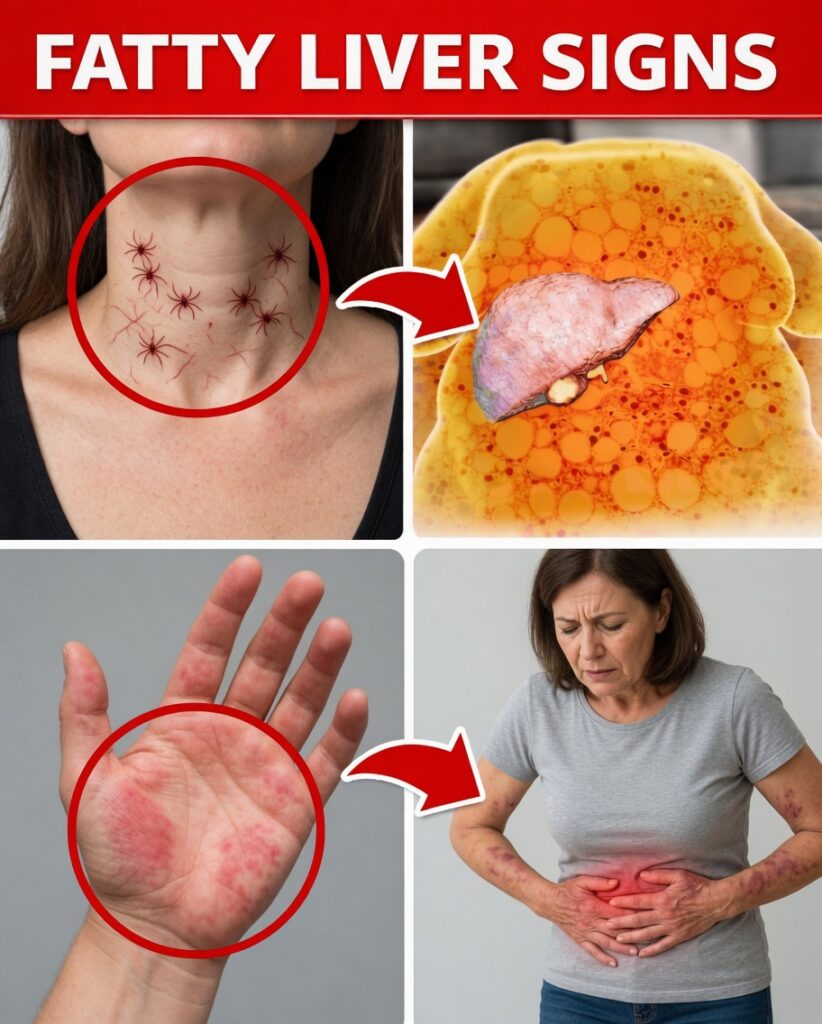
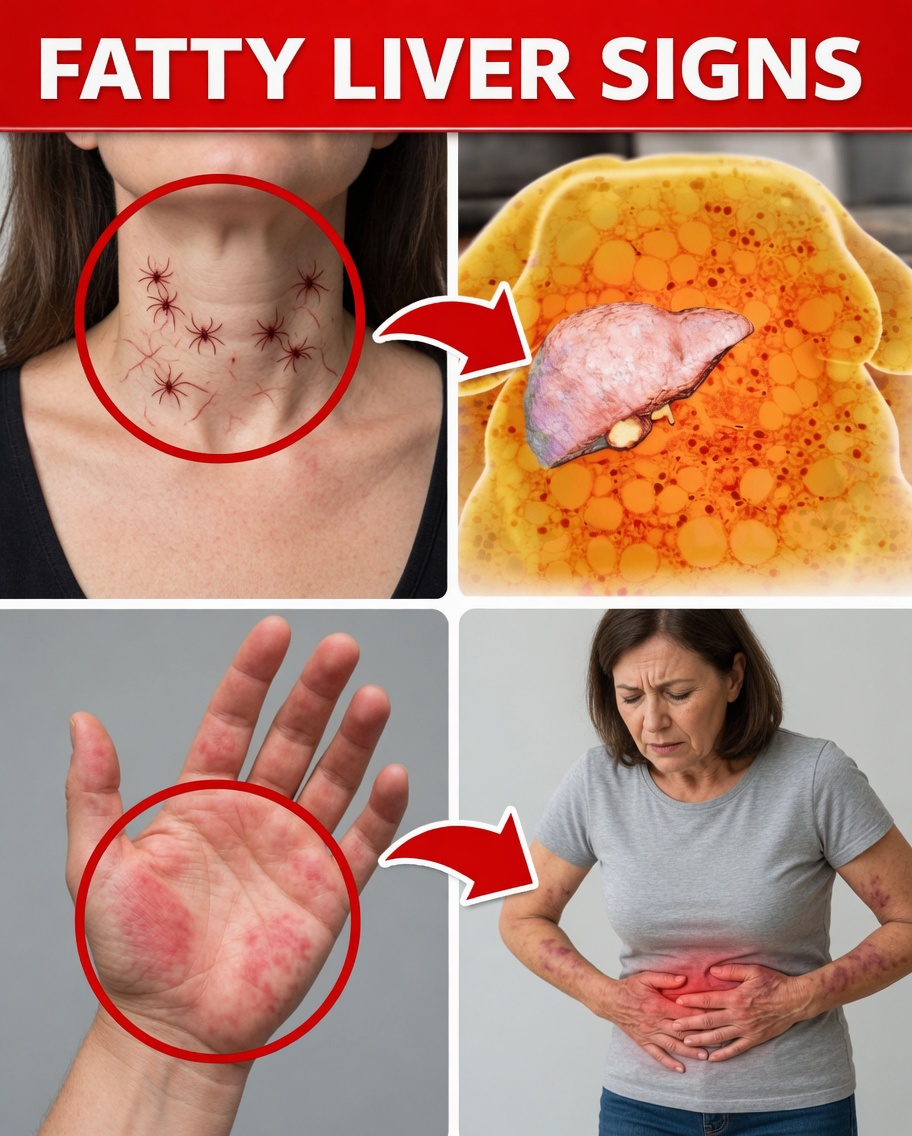
Although MASLD may stay quiet for years, certain symptoms and body changes are reported more often than others. These signs don’t prove you have fatty liver disease, but they can be important clues—especially when several appear together.

1) Ongoing Fatigue and Low Energy
Feeling constantly exhausted—even after adequate sleep—is one of the most common complaints. Since the liver plays a major role in metabolism and energy regulation, a stressed liver can leave you feeling drained throughout the day.
2) Dull Pain or Fullness in the Upper Right Abdomen
A mild ache, pressure, or “full” sensation under the right ribs can be related to the liver area. It’s often not sharp, which is exactly why people dismiss it.
3) Unexpected Weight Changes
Some people notice weight gain that concentrates around the middle, while others experience unexplained shifts up or down. Stubborn belly fat can be a common pattern, even with attempts to eat better.
4) Swelling in the Belly, Legs, or Ankles
As liver function becomes more affected, the body may retain fluid. This can show up as:
- A bloated abdomen (ascites)
- Puffy ankles or legs (edema)
These symptoms are more concerning when they worsen over time.
5) Yellowing of Skin or Eyes (Jaundice)
A yellow tint may signal trouble processing bilirubin. While jaundice is more typical in later stages, it’s an important warning sign that requires prompt medical attention.
6) Dark Urine and Pale or Clay-Colored Stools
Color changes in urine or stool can reflect problems with bile flow and processing, which may occur when the liver is under strain.
7) Persistent Itchy Skin (Without a Rash)
Ongoing itching that doesn’t have an obvious skin cause can be related to bile salt buildup in the body.
8) Easy Bruising or Bleeding
If you bruise more easily, get frequent nosebleeds, or notice slower clotting, it may indicate the liver isn’t producing enough of the proteins involved in blood clotting.
9) Brain Fog, Forgetfulness, or Focus Problems
Difficulty concentrating, memory lapses, or mood changes can occur when the body struggles to clear certain toxins efficiently.
10) Poor Appetite, Early Fullness, or Nausea
Digestive-related symptoms—such as ongoing queasiness, reduced appetite, or feeling full quickly—can appear when the liver’s digestive support functions are affected.
Many of these symptoms overlap with common day-to-day issues, which is why pattern recognition matters. One symptom alone may not mean much, but multiple signs—especially alongside risk factors—should prompt a conversation with a clinician.
Why Catching Fatty Liver Disease Early Matters
Early detection gives you more options. If you speak to a healthcare provider at the first signs, they can assess your risks and order straightforward checks such as:
- Liver enzyme blood tests
- Ultrasound or other imaging (when appropriate)
The earlier you understand what’s happening, the more likely it is that consistent lifestyle habits can help support liver recovery before more complicated issues develop.
Practical Ways to Support Liver Health Starting Today
You don’t need extreme measures to begin improving liver-friendly habits. Guidance aligned with organizations like the American Liver Foundation and Mayo Clinic frequently emphasizes sustainable, realistic steps.

Prioritize Gradual, Sustainable Weight Management (If Needed)
Even modest weight reduction may help lower liver fat. Focus on steady progress rather than rapid loss, using a combination of nutrition and movement you can maintain.
Follow a Mediterranean-Style Eating Pattern
A Mediterranean approach tends to emphasize whole foods and balanced fats, including:
- Vegetables and fruits
- Whole grains and legumes
- Lean proteins (fish, poultry, plant proteins)
- Healthy fats (olive oil, nuts, seeds)
Try to limit:
- Added sugars (especially sweet drinks)
- Ultra-processed snacks
- Excess saturated fats
Build Consistent Weekly Activity
A widely recommended target is 150 minutes of moderate movement per week, such as:
- Brisk walking
- Cycling
- Swimming
Exercise can support metabolic health even when weight doesn’t change dramatically.
Hydrate Well and Keep Alcohol Low (or Avoid It)
Adequate hydration supports overall function. Alcohol can add extra strain to the liver, so reducing intake—or skipping it altogether—may be beneficial, especially if fatty liver disease is suspected.
Simple Swaps That Add Up
- Instead of sugary drinks → choose water, herbal tea, or black coffee
- Instead of fried snacks → choose nuts or fruit
- Instead of sedentary evenings → take a 30-minute walk after dinner
What to Do If These Signs Sound Familiar
If several symptoms match your experience—particularly if you also have risk factors like abdominal weight gain, insulin resistance, or high cholesterol—schedule an appointment with a healthcare professional. They can evaluate your symptoms, review your history, and recommend appropriate testing.
One often overlooked factor: consistent, high-quality sleep. Sleep supports metabolic balance and recovery processes, and chronic sleep disruption can worsen many of the same patterns associated with MASLD.
Frequently Asked Questions
What typically causes fatty liver disease?
It is commonly associated with excess body weight, insulin resistance, type 2 diabetes, high cholesterol, and low physical activity. Genetics and certain medications may also contribute.
Can fatty liver disease be found early?
Yes. Many people learn about it through routine blood tests (elevated liver enzymes) or imaging such as an ultrasound done for another reason.
Are lifestyle changes enough for most people?
For many individuals, consistent improvements in diet quality, physical activity, and weight management (when appropriate) are foundational steps to support liver health. A clinician can help tailor the best approach to your situation.
Conclusion
Fatty liver disease often begins quietly, but your body may still send subtle signals—fatigue, abdominal discomfort, brain fog, or digestive changes. Paying attention early and taking steady, practical steps can help you protect your health over the long term. If something feels “off,” speak with a qualified healthcare provider and get clarity sooner rather than later.
Disclaimer: This article is for informational purposes only and does not replace medical advice. Always consult a qualified healthcare professional for diagnosis and personalized guidance.