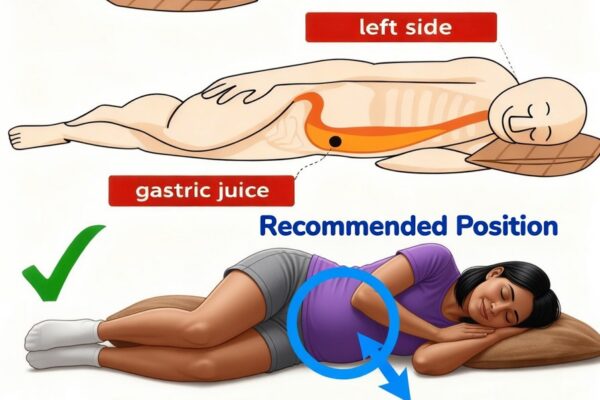
Waking up several times a night to use the bathroom can leave you tired, irritated, and drained the next day. As we get older, natural changes in bladder capacity, fluid regulation, and muscle tone can make nighttime urination more frequent—often interrupting deep sleep and lowering daytime energy. For many adults over 60, this gradual shift can make truly restorative nights feel harder to achieve.
The encouraging news: a few simple adjustments to your evening routine—plus carefully chosen, nutrient-dense snacks—may help support bladder comfort and reduce nighttime disruptions. In particular, some common dried fruits provide minerals such as potassium and magnesium, which play roles in fluid balance and muscle relaxation when used thoughtfully.

Why Nighttime Urination Often Increases After Age 60
Waking to urinate at night is known as nocturia, and it becomes more common with age. Several age-related factors can contribute, including:
- Reduced bladder capacity (the bladder may not comfortably hold as much as before)
- Changes in hormones involved in managing fluids
- Everyday habits, such as late-evening drinks or foods that irritate the bladder
Research exploring dietary patterns has also observed that people who eat more fruits and vegetables tend to report fewer urinary storage symptoms, while certain dietary triggers can aggravate urgency and frequency.
Two minerals often discussed in relation to evening comfort include:
- Potassium, which supports healthy fluid balance
- Magnesium, which supports muscle relaxation, including smooth muscle function
No single food can “cure” nocturia. However, adding supportive foods as part of a broader routine may help some people experience calmer nights.
3 Dried Fruits to Consider as a Small Pre-Bed Snack
Some people find that a light, nutrient-rich evening snack helps them feel more comfortable overnight. Dried fruits can be especially practical because they deliver minerals with minimal added liquid, which may be helpful if you’re trying to limit evening fluids.
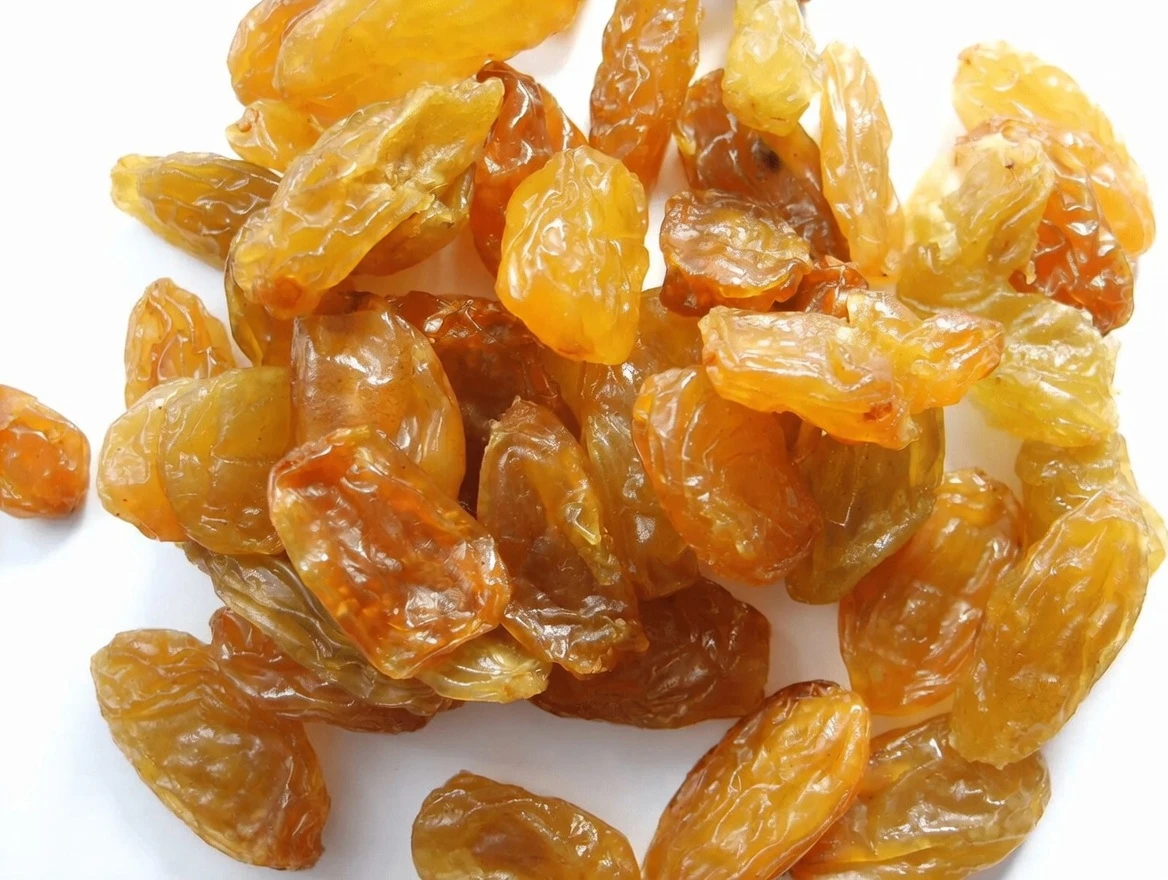
1) Raisins
Raisins (dried grapes) provide potassium and antioxidants, along with a naturally sweet flavor. Many people report that a small amount in the evening feels gentler than larger snacks or late desserts. Because potassium is connected to fluid regulation, adequate intake may support overnight comfort for some individuals.
- How to try it: a small handful (about 1–2 tablespoons)
2) Dried Figs
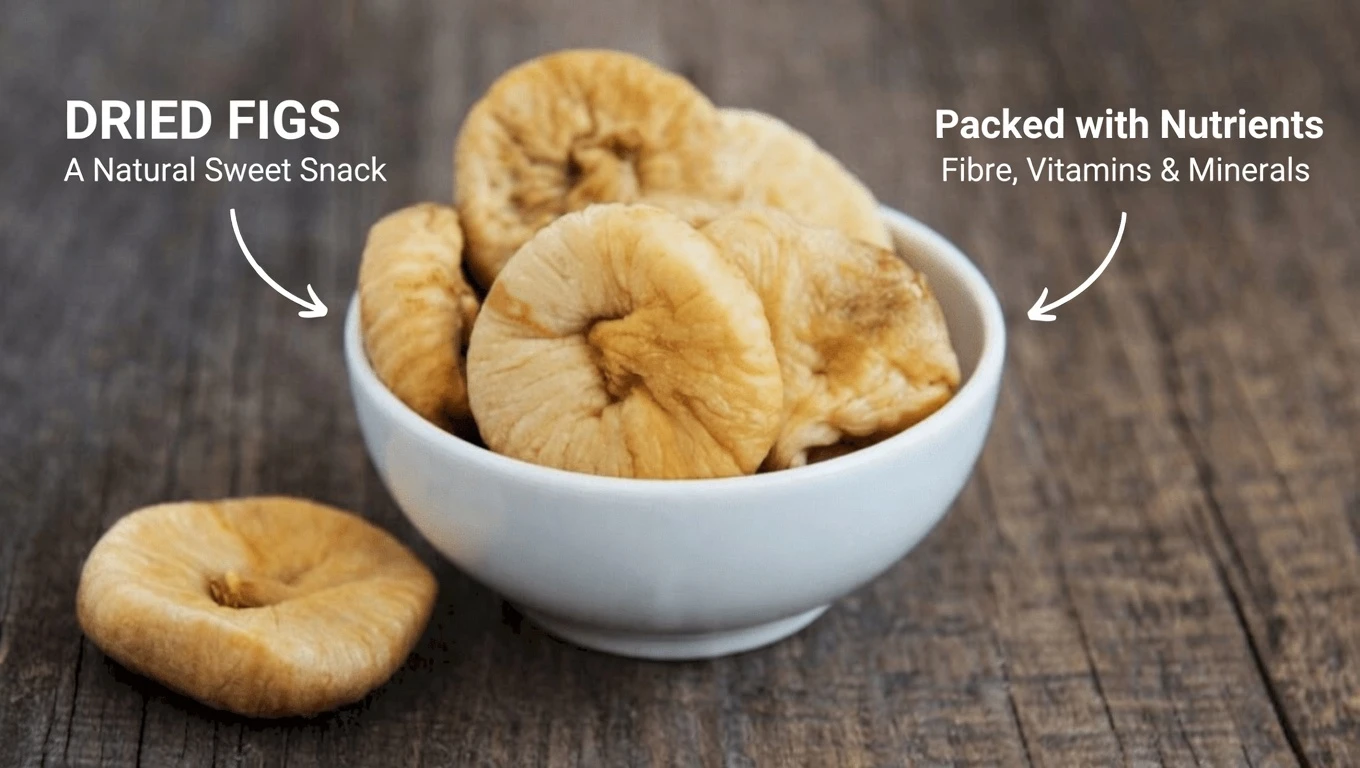
Dried figs are valued for their fiber and mineral content, including magnesium, which is associated with relaxation and overall calm. Some observational findings linking fruit intake to better sleep and fewer disturbances align with why figs may be a reasonable option for an evening bite (in modest portions).
- How to try it: 2–3 pieces
3) Bananas (or Dried Banana Slices)
Bananas are well known for their potassium (roughly 400 mg in a medium banana) and also contain magnesium. Dried banana slices concentrate nutrients, though they can also concentrate sugars—so portion size matters. Adequate potassium intake has been associated with muscle function support, which may help some people who experience sudden urgency.
- How to try it: 1 small banana or a small portion of dried slices
Evening Habits That Can Boost Results
Food choices work best when paired with practical lifestyle steps. If you’re aiming for fewer nighttime bathroom trips, these habits are commonly recommended:
- Reduce fluids close to bedtime: avoid large drinks, soups, and very water-rich foods 1–2 hours before sleep.
- Avoid common bladder irritants at night: limit caffeine (coffee, tea, cola) and skip alcohol in the evening, as both can increase urine production.
- Eat dinner earlier: choose an earlier, lighter evening meal rather than a heavy late dinner.
- Keep snacks small and intentional: if you try dried fruits, stick to a modest portion so you get minerals without excess sugar or digestive discomfort.
Small changes can compound over time, improving sleep continuity for many people.
Quick Nutrient Comparison: What These Dried Fruits Offer
-
Raisins
- Key minerals: potassium, antioxidants
- Potential support: fluid balance and gentle evening comfort
- Suggested portion: small handful (~1–2 tbsp)
-
Dried figs
- Key minerals: magnesium, fiber
- Potential support: relaxation and sleep-friendly calm
- Suggested portion: 2–3 pieces
-
Bananas / dried banana slices
- Key minerals: potassium, magnesium
- Potential support: muscle function and reduced “sudden urge” sensations
- Suggested portion: 1 small banana or a small portion of slices
Used mindfully, these options may provide subtle support—especially alongside smart evening routines.
When It’s Time to Talk to a Healthcare Professional
If nocturia continues to disrupt your sleep or worsens over time, it’s important to seek medical guidance. A clinician can evaluate contributing factors such as:
- Prostate-related changes (in men)
- Blood sugar regulation concerns
- Urinary tract or bladder conditions
- Medication side effects or other health issues
Key Takeaway
There’s rarely a single, instant solution for nighttime urination—especially after age 60. Still, many people find improvement by combining:
- Better fluid timing
- Avoiding evening bladder irritants
- Earlier, lighter meals
- A small serving of mineral-rich dried fruits like raisins, dried figs, or banana/dried banana slices
These simple steps may help you sleep more continuously and wake feeling more refreshed.
Frequently Asked Questions
What commonly causes frequent nighttime urination in older adults?
It’s often related to age-associated shifts in bladder capacity, fluid-regulating hormones, and habits such as late-night drinking or consuming bladder irritants.
Can dried fruits really reduce nocturia?
Some people report fewer interruptions when they include small portions of potassium- and magnesium-rich foods. These minerals are linked to fluid balance and muscle function, but results vary and depend on the underlying cause.
How much should I eat before bed?
Start with a small portion—such as a small handful of raisins, 2–3 dried figs, or one small banana—to gain nutrients without overloading sugar or fiber.
Disclaimer: This content is for informational purposes only and does not replace medical advice. Consult a qualified healthcare professional before making dietary changes, especially if you have ongoing symptoms or medical conditions. Individual responses vary, and persistent nocturia should be evaluated clinically.