Knee Discomfort in Older Adults: Gentle Daily Habits That May Support Comfort
Knee discomfort can turn simple tasks—walking, climbing stairs, or standing in line—into exhausting challenges, especially with age. Over time, natural joint wear may contribute to stiffness and swelling, making everyday movement feel harder and sometimes reducing independence. When even small motions trigger pain, it can affect social time, family moments, and the hobbies that bring joy.
A supportive routine can make a difference. Many seniors find that adding gentle, soothing habits—such as starting the day with a warm ginger drink—offers a natural way to help manage day-to-day knee discomfort.
The Potential Benefits of Ginger Drinks for Knee Comfort
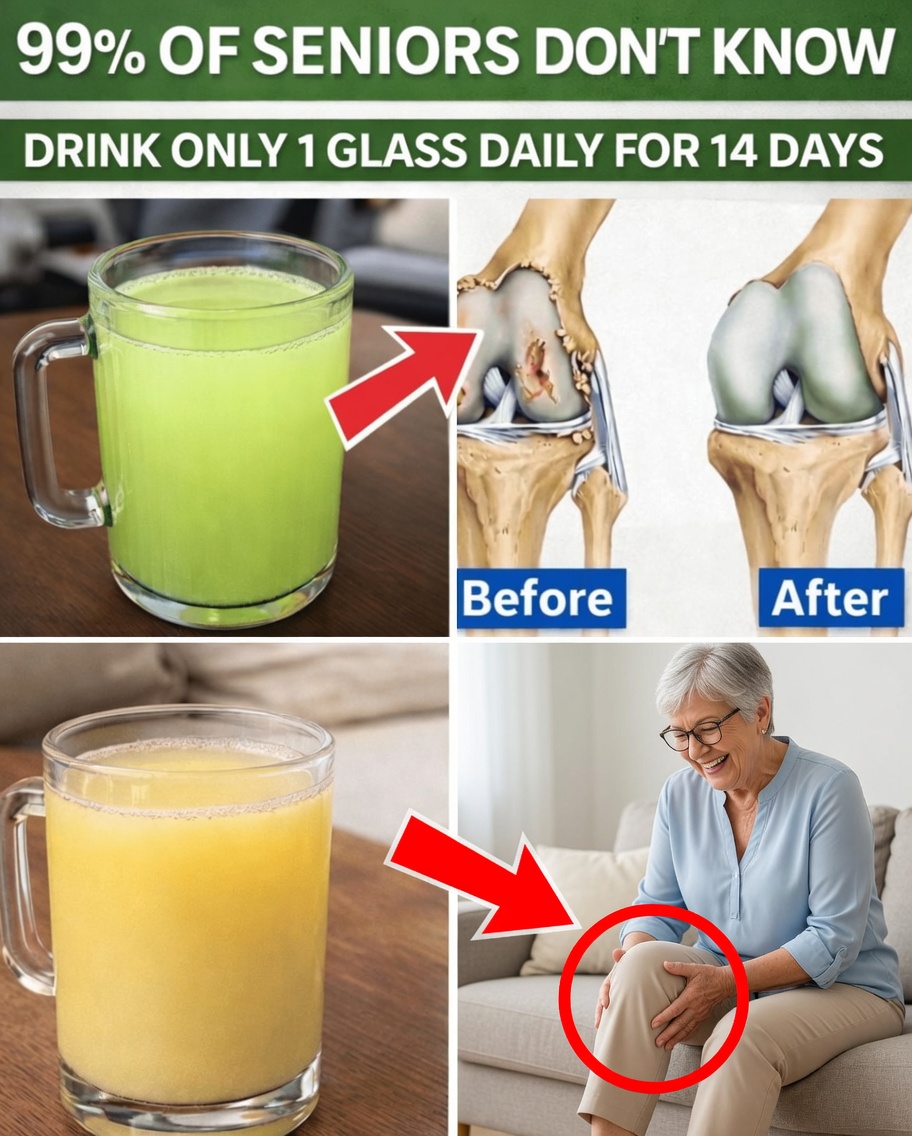
Ginger has a long history in traditional use, and modern research continues to explore how it may support joint comfort. One of ginger’s most studied compounds, gingerol, is associated with anti-inflammatory activity, which may help calm swelling and irritation around joints.
Clinical research, including randomized controlled trials and reviews, suggests that ginger extracts or supplementation may lead to modest improvements in knee pain and function for people experiencing osteoarthritis-related symptoms. In several studies, participants reported better comfort during activities like standing and walking after using ginger consistently.
What makes ginger especially appealing for many older adults is its gentle, warming nature. A simple cup of ginger tea can be both soothing and easy to maintain as a daily ritual—without the harsher effects that some people experience with certain medications.
How to Use Ginger Daily (Simple, Senior-Friendly Options)
If you want to incorporate ginger for daily support, consistency matters. Many people notice changes gradually over several weeks rather than overnight.
Here are practical ways to add ginger to your routine:
-
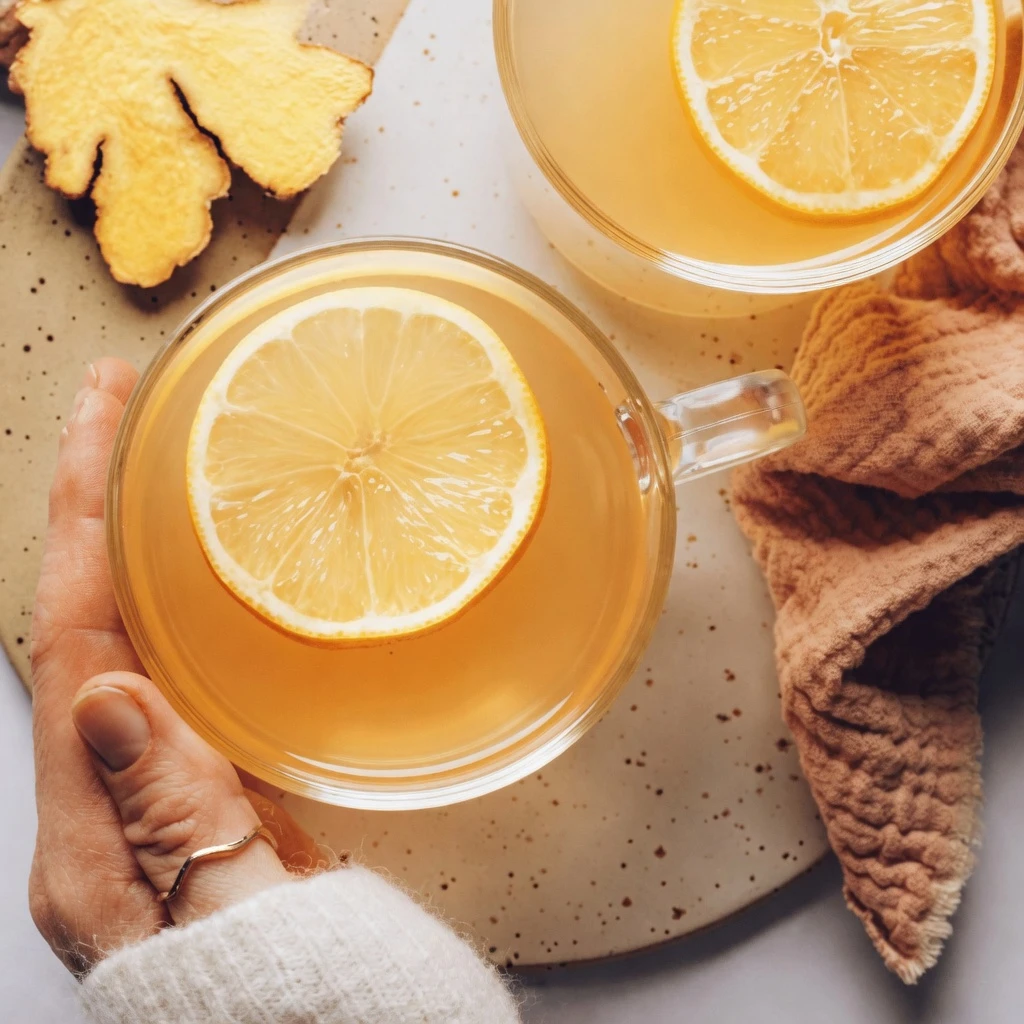
Warm Ginger Tea
- Slice or grate 1–2 inches of fresh ginger root.
- Steep in hot water for 5–10 minutes.
- Optional: add lemon or a small amount of honey for flavor.
- Typical routine: 1–2 cups per day.
-
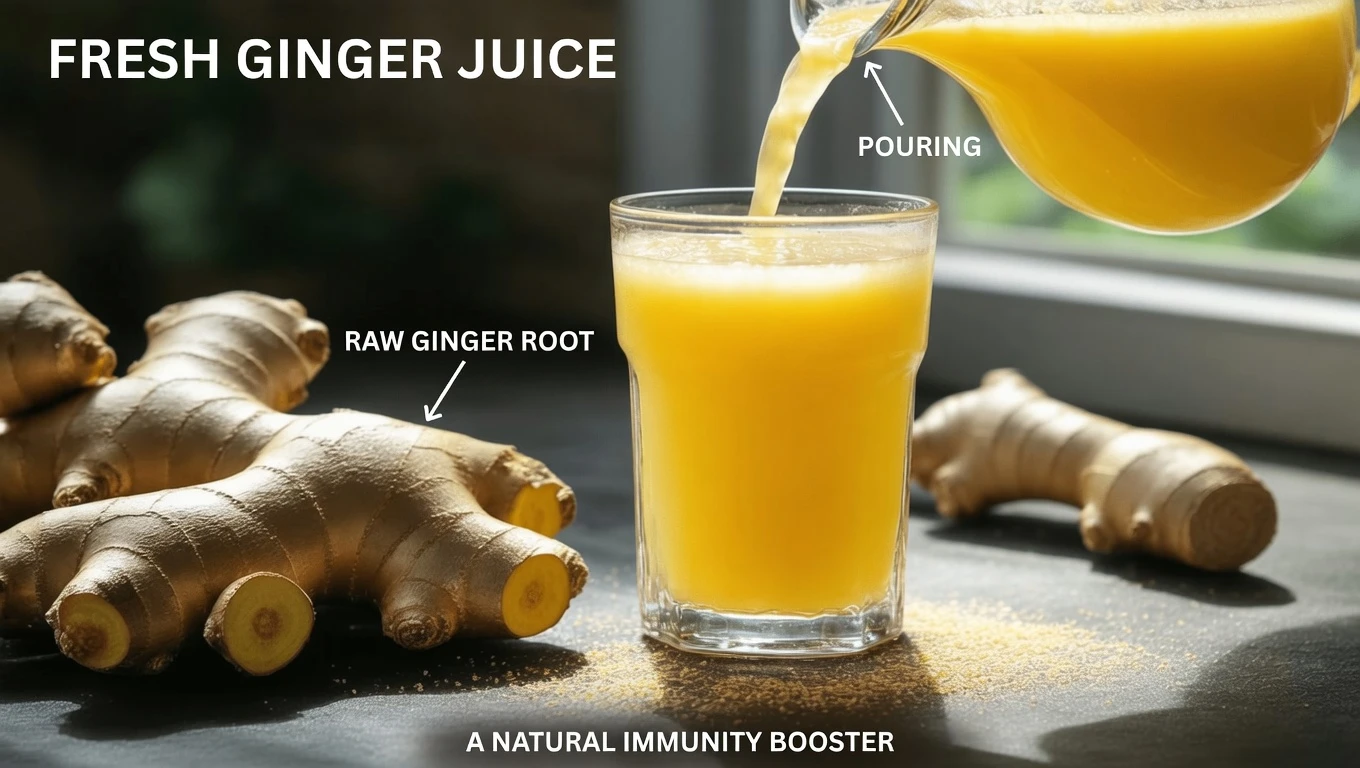
Fresh Ginger Juice (Start Small)
- Grate fresh ginger and squeeze out a small amount of juice.
- Mix about 1 teaspoon into warm water or another drink.
- Begin with a small amount to see how your body responds.
-
Topical Ginger (Localized Comfort)
- Some people use a ginger-based gel or diluted ginger essential oil on the knee area.
- Important: patch-test first and always dilute essential oils properly to reduce irritation risk.
Research has also evaluated ginger at around 1 gram daily in extract form, and topical approaches may offer short-term support for discomfort for some individuals.
Nutrition for Joint Support: What to Eat Alongside Ginger
Diet plays a meaningful role in overall joint function. To support knee comfort, prioritize antioxidant-rich foods and nutrients involved in connective tissue health.
Consider adding these daily options:
-
Carrots
- Rich in beta-carotene and vitamin A, supporting cellular health and helping the body handle everyday inflammatory stress.
- Try for two servings daily, either raw or lightly cooked.
-
Citrus Fruits (Oranges, Grapefruit, Lemons)
- High in vitamin C, which supports collagen production—important for cushioning and connective tissue.
- Include one serving per day or add fresh citrus to water or meals.
Together, ginger plus nutrient-dense foods can create a more supportive pattern for daily joint comfort.
Gentle, Low-Impact Exercises That Help Protect the Knees
Strengthening the muscles around the knee can reduce stress on the joint itself. Low-impact movement also supports balance and mobility—key priorities for older adults. Always move slowly, use stable support, and stop if you feel sharp pain.
Try these beginner-friendly exercises:
-
Chair Squats
- Stand in front of a sturdy chair with feet shoulder-width apart.
- Hold the chair back for balance if needed.
- Lower yourself slowly as if sitting (go only as far as comfortable).
- Stand back up with control.
- Do 8–12 repetitions.
-
Wall Sits
- Lean your back against a wall.
- Slide down gently until your knees bend to a comfortable level.
- Hold for 10–30 seconds, then slide back up.
- Increase time gradually.
-
Seated Hamstring Stretch
- Sit tall on a chair.
- Extend one leg straight with heel on the floor.
- Hinge forward slightly at the hips until you feel a gentle stretch.
- Hold 20–30 seconds per leg.
These movements help strengthen quadriceps, hamstrings, and glutes, which support knee stability. Research on gentle strength training shows it can improve function and reduce discomfort in older adults with joint concerns.
- Extra support tip: Add short, easy walks on flat ground. Start small, focus on upright posture, and increase duration gradually.
Weight Management and Routine Medical Monitoring
Carrying extra weight increases pressure on the knees. Even small, gradual weight changes can reduce the load on your joints. Aim for sustainable habits—balanced meals and consistent movement—rather than extreme dieting.
Regular check-ups are also important. A healthcare professional can monitor changes, recommend personalized strategies, and help you adjust your routine safely over time.
A Simple Daily Routine to Combine Everything
If you want an easy plan to follow:
- Start the day with warm ginger tea.
- Add carrots and/or citrus fruit to meals.
- Do 10–15 minutes of gentle knee-supporting exercises most days.
Many people find that the combination—ginger’s soothing warmth, better nutrition, and strengthening movements—offers the most noticeable support for daily comfort and mobility.
Frequently Asked Questions
How long until I notice results from ginger and these habits?
Many people report gradual changes after 4–8 weeks of consistent use, which matches timelines commonly seen in studies. Results can vary depending on the individual.
Is ginger safe for everyone?
Ginger is usually well tolerated in normal food amounts. Higher intakes or supplements may cause mild stomach upset in some people. If you use blood thinners or take other medications, check with a healthcare provider first.
Can these steps replace medical treatment?
No. These are supportive lifestyle habits and should not replace medical care. Follow professional guidance for diagnosing and managing joint conditions.
Disclaimer
This article is for informational purposes only and does not replace professional medical advice. Older adults should consult a healthcare provider before changing diet, starting new exercises, or using herbal remedies—especially if they have medical conditions or take medications. Individual results vary, and these suggestions support general wellness only; they are not intended to diagnose, treat, cure, or prevent any disease.