
Many people notice that, with age, their eyes feel drier, more strained, and less comfortable—especially after extended screen time or exposure to air-conditioned and low-humidity spaces. This kind of everyday irritation can make normal activities such as reading, driving, and computer work feel tiring and even discouraging.
The encouraging part is that lifestyle choices—including smart nutrition—may help support eye comfort and long-term visual wellness. Among the most practical options is flaxseed, a small but nutrient-dense food known for its plant-based omega-3 content, which research has associated with benefits for eye health. Ahead, you’ll learn why flaxseed stands out, how it may support dry-eye comfort, and simple ways to use it consistently.
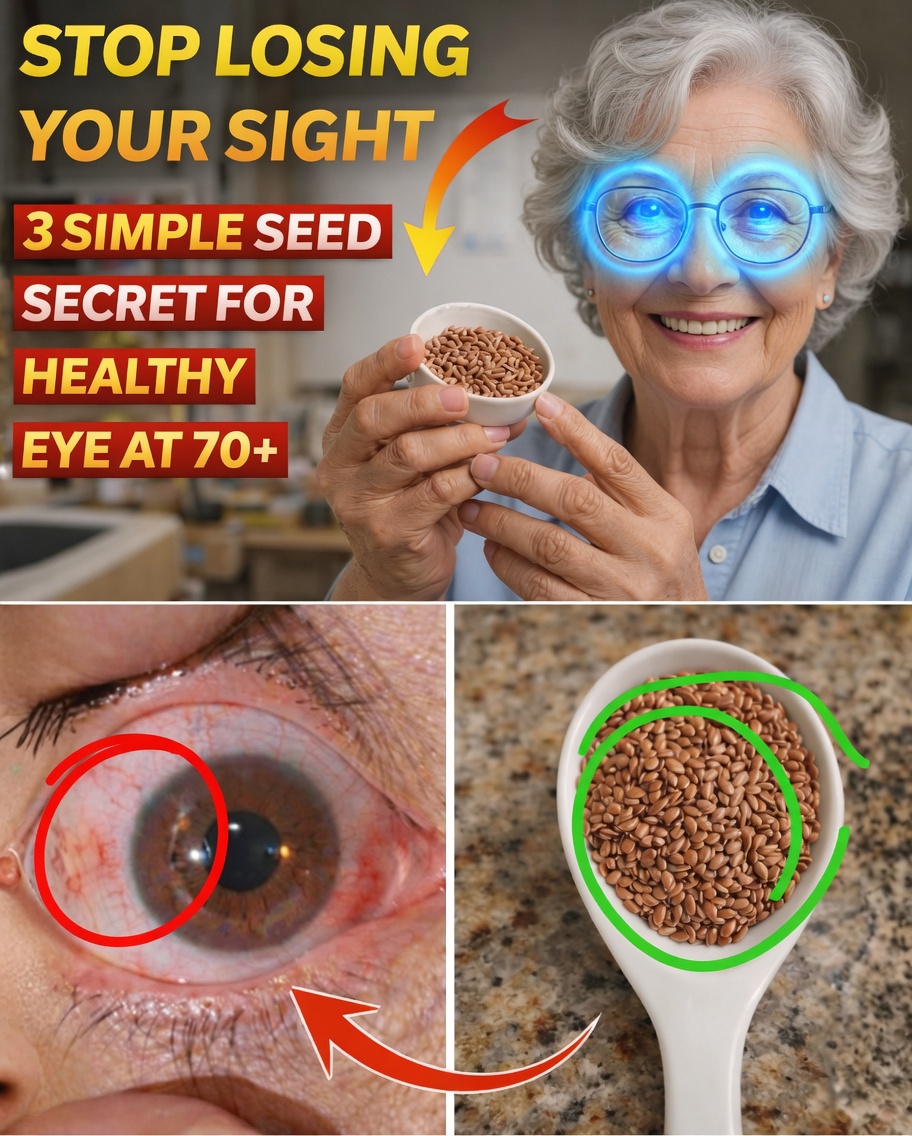
Why Flaxseed Is a Notable Food for Eye Health
Flaxseed (also called linseed) is one of the best plant sources of alpha-linolenic acid (ALA), a type of omega-3 fatty acid. Unlike fish-derived omega-3s, ALA comes from plants. The body can convert some ALA into EPA and DHA (in limited amounts), which are omega-3 forms used throughout the body—including in systems related to eye function.
Scientific interest in omega-3s and vision has grown because omega-3 fats may support:
- The tear film, especially the oil layer produced by the meibomian glands
- Tear stability, which can influence how dry or irritated the eyes feel
- Comfortable eye lubrication over time
Some clinical studies have examined flaxseed intake in people with mild dry-eye complaints, reporting improvements in comfort and tear quality after consistent daily use over several weeks.
Flaxseed also delivers lignans and dietary fiber, making it a well-rounded choice for general wellness. Better systemic health—such as improved circulation and balanced inflammation—can indirectly support eye health, too.
How Flaxseed Omega-3s May Support Eye Comfort
Omega-3 fatty acids are considered essential fats, meaning the body cannot produce them on its own in meaningful amounts. Getting omega-3s from food matters because they contribute to several eye-related functions, including:
- Supporting retinal cell structure, where visual processing takes place
- Helping the body regulate normal inflammatory responses on the ocular surface
- Encouraging healthy tear production and tear quality
Multiple studies have explored plant-based omega-3 sources for dry-eye support. For example, one randomized trial observed that daily flaxseed supplementation improved mild dry-eye signs and symptoms in a way that was comparable to standard omega-3 supplements. Other research has found that higher omega-3 intake is often linked with better tear film stability and less ocular discomfort.
It’s worth noting that study outcomes aren’t identical across the board—some show stronger effects than others. Still, many eye-care and nutrition professionals view omega-3 intake as a useful daily strategy for people experiencing occasional dryness or age-related changes in eye comfort.
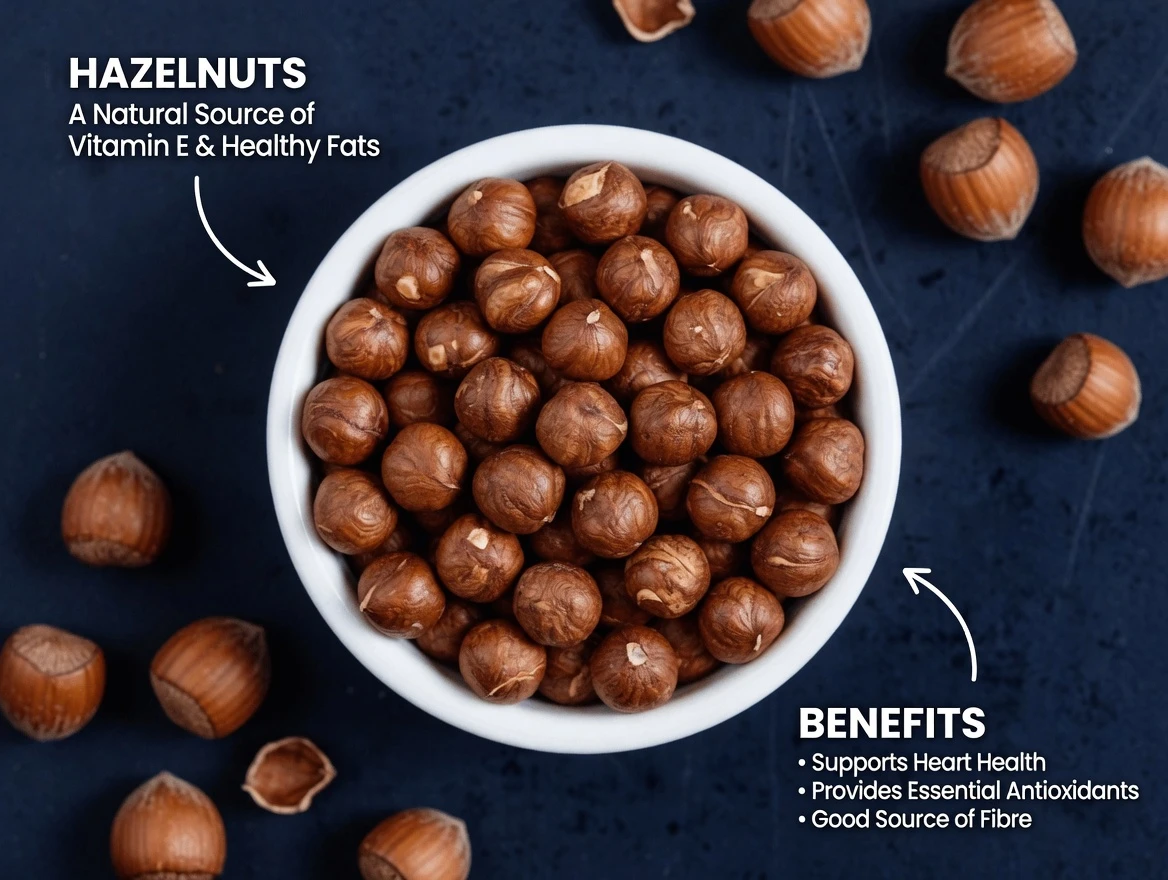
Key Flaxseed Nutrients That Can Benefit Vision
Flaxseed is more than just an omega-3 source. It combines several nutrients that work together to support overall health and, by extension, visual wellness:
- ALA (Omega-3): The headline nutrient, often linked to tear support and balanced inflammation
- Lignans: Plant compounds with antioxidant activity that may help protect cells from oxidative stress
- Fiber: Supports digestion and metabolic health, which can improve nutrient utilization and systemic wellness
Flaxseed vs. Other Common Seeds
- Flaxseed: Typically the highest ALA content (around 2.3 g ALA per 1 tablespoon of ground flaxseed)
- Chia seeds: Also a good ALA source, but often lower than flaxseed per tablespoon
- Sunflower seeds: High in vitamin E, but comparatively low in omega-3s
For a more complete eye-friendly diet, flaxseed pairs well with other nutrient-rich choices such as:
- Leafy greens (sources of lutein and zeaxanthin)
- Nuts and seeds
- A varied intake of colorful fruits and vegetables
Easy, Practical Ways to Add Flaxseed Every Day
Flaxseed is simple to use, but the form you choose matters. Whole flaxseeds often pass through digestion without fully breaking down, so many people get more nutritional value from ground flaxseed.
Best Practices for Using Flaxseed
- Choose ground flaxseed: Better absorption than whole seeds
- Store it properly: Keep ground flaxseed in the refrigerator to maintain freshness
- Start gradually: It contains significant fiber, so begin with a smaller amount if you’re not used to it
Suggested Daily Amount
Many routines (and several study protocols) use:
- 1–2 tablespoons per day (about 10–20 g)
Simple Ways to Eat It
- Stir into oatmeal, yogurt, or cereal
- Blend into smoothies
- Mix into soups or sprinkle over salads
- Add to muffins, bread, and baked goods
- Combine with nuts and dates for homemade energy bites
Tip: If you want maximum freshness, grind small batches weekly using a clean coffee grinder.
Many people find the best results come from consistency—combined with supportive habits such as hydration, screen breaks, and artificial tears when needed.

Additional Daily Habits for Better Eye Comfort
Flaxseed can be a helpful nutritional tool, but it works best as part of a broader routine. Consider adding these eye-supportive habits:
- Eat more colorful vegetables: Spinach, kale, and carrots contribute key carotenoids such as lutein and zeaxanthin
- Move your body regularly: Physical activity supports circulation, including blood flow to the eyes
- Wear UV protection: Sunglasses can reduce UV-related eye stress
- Reduce screen strain: Use the 20-20-20 rule (every 20 minutes, look 20 feet away for 20 seconds)
Small steps, practiced daily, often make the biggest difference over time.
Conclusion: A Small Seed with Meaningful Potential
Flaxseed is an affordable, widely available, plant-based option for increasing omega-3 intake. While it isn’t a cure-all, evidence suggests that regular daily use may help support tear quality, reduce mild dryness-related discomfort, and contribute to overall eye wellness as part of a balanced lifestyle.
A practical place to begin is simple: add one tablespoon of ground flaxseed to your breakfast routine and stick with it consistently.
FAQ
How much flaxseed should I take daily for eye support?
A common range is 1–2 tablespoons of ground flaxseed per day, supplying roughly 2–5 g of ALA. If you’re new to flaxseed, start with 1 tablespoon and increase slowly.
Is flaxseed better than fish oil for the eyes?
They provide different types of omega-3s. Flaxseed supplies ALA, while fish oil contains EPA and DHA directly. Research suggests both may support dry-eye comfort. Flaxseed is a strong option for people seeking a vegan or plant-based approach, but results can differ by individual.
Can I use flaxseed if I have digestive sensitivity?
Often yes, but introduce it gradually because flaxseed is high in fiber. Drink enough water. If you have gastrointestinal conditions or concerns, speak with a healthcare professional first.
Disclaimer
This article is for informational purposes only and does not provide medical advice. Flaxseed and omega-3 fatty acids may support general health, but they are not intended to diagnose, treat, cure, or prevent any disease. Consult a qualified healthcare provider before making dietary changes or starting supplements, particularly if you have eye conditions, take medications, or are pregnant. Individual outcomes vary, and routine professional eye exams remain essential for proper vision care.