
Living with worries about blood sugar or cardiovascular health can feel like a lot to manage. It’s no surprise that many people look for simple, everyday foods that may support wellness alongside a balanced lifestyle. One of the most researched kitchen staples is the onion. Thanks to natural compounds such as quercetin and sulfur-containing elements, onions have been studied for their potential to support metabolic health, including more stable glucose levels and healthier cardiovascular function. Even better, there’s an easy preparation method that makes onions convenient (and delicious) to eat regularly.

Why Onions Are Noteworthy for Metabolic Health
Onions are part of the Allium family (along with garlic and leeks) and provide a mix of nutrients plus bioactive plant compounds. A major reason onions stand out is their antioxidant activity, which may help reduce oxidative stress—a process associated with many chronic health concerns.
Key onion components often discussed in research include:
- Quercetin: A well-studied flavonoid with antioxidant properties, frequently explored for potential roles in inflammation control and insulin sensitivity.
- Sulfur compounds: Naturally occurring elements that may affect enzymes involved in glucose metabolism and other metabolic pathways.
- Additional flavonoids and fiber: Contributing to overall nutrient value and digestive support.
Both human and animal studies have examined how consistent onion intake might influence fasting blood glucose and lipid markers. Some findings suggest that eating roughly 60–100 grams of fresh onion per day may help improve glucose tolerance in certain populations. In animal models, onion extracts have been linked to lower fasting blood sugar and improved cholesterol-related markers when used alongside standard diet or treatment approaches.
Meta-analyses of randomized trials (summarized in peer-reviewed journal reviews) also report that onion intake or supplementation has been associated with improvements in measures such as:
- Body fat percentage
- LDL cholesterol and HDL cholesterol
- Systolic blood pressure
How Onions May Support Healthy Blood Sugar Levels
Blood sugar management is influenced by many factors—meal composition, activity, sleep, stress, and more. Still, onions offer a low-calorie, high-flavor way to add plant compounds that research has connected with improved glucose control.
Studies indicate that:
- Quercetin may interact with tissues involved in glucose regulation (including the liver, pancreas, and muscle), potentially supporting how the body processes glucose.
- Sulfur-based compounds may support insulin-related activity and help inhibit certain enzymes that break down carbohydrates.
In a small human study, individuals with type 2 diabetes who consumed raw red onion experienced reductions in fasting blood glucose within hours. Animal studies often show more pronounced changes, with onion extracts producing notable glucose-lowering effects in diabetic models.
Preparation matters. Across studies, fresh or minimally processed onions tend to show stronger potential benefits than heavily processed forms. Importantly, onions are best viewed as supportive nutrition within an overall healthy diet, not as a substitute for medical care.

Onions and Heart Health: Supporting Cholesterol and Vascular Function
Cardiovascular wellness is closely connected to blood sugar balance, inflammation, and lipid levels. The same antioxidant and sulfur compounds that may support glucose control are also being studied for heart-related benefits.
Research points to possible effects such as:
- Lower total cholesterol and LDL (“bad”) cholesterol
- In some reviews, increased HDL (“good”) cholesterol
- Anti-inflammatory and antithrombotic activity from organosulfur compounds, which may help reduce platelet clumping (one factor involved in artery health)
Population studies and lab research have associated higher intake of Allium vegetables with lower cardiovascular risk. Quercetin—especially abundant in red onions—is also of interest for its potential role in protecting blood vessels from oxidative damage.
Regular onion intake can be a practical addition to heart-supportive habits like consistent movement, balanced meals, and adequate sleep.
Easy Pickled Red Onions (A Practical Recipe)
Pickled red onions are a simple way to enjoy onions frequently. The tangy vinegar brine can help preserve many beneficial compounds, and vinegar itself is often discussed for supporting digestion and post-meal glucose response.
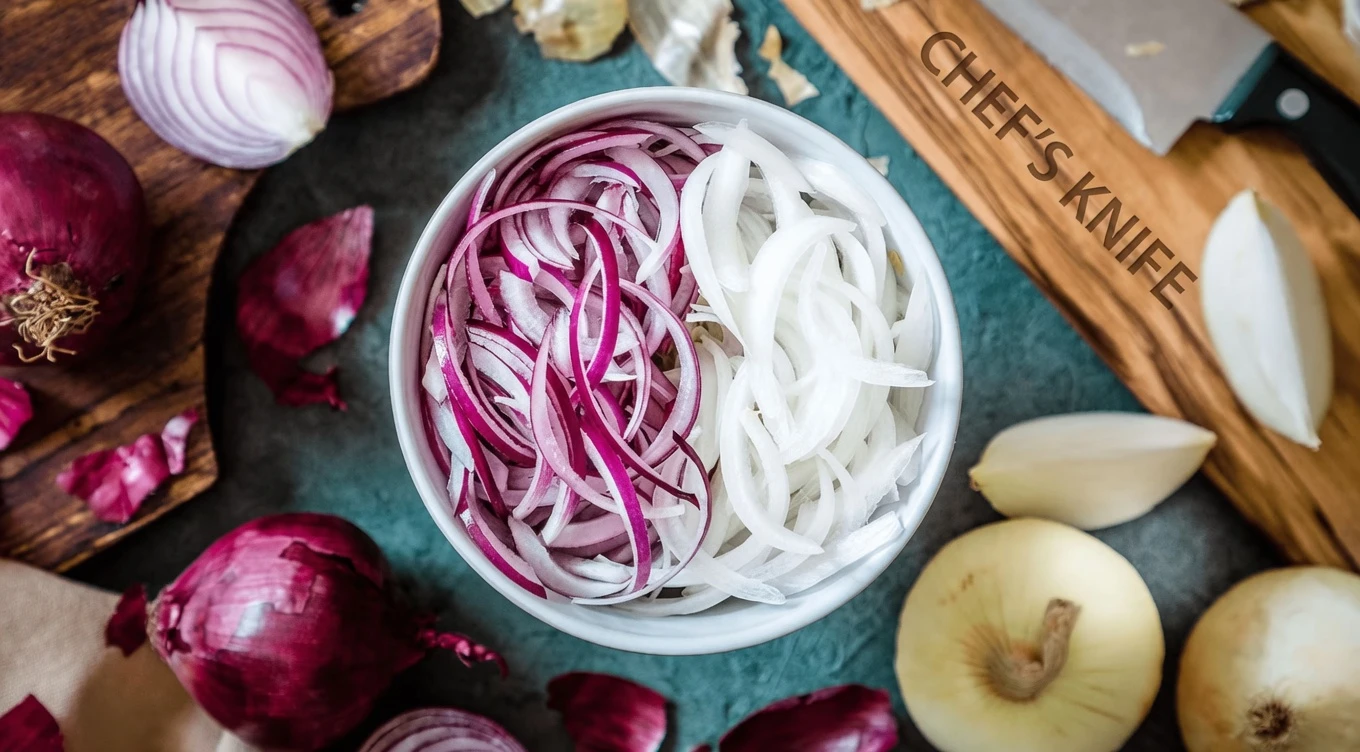
Ingredients (Makes about 2 cups)
- 2 large red onions, thinly sliced (rings or half-moons)
- 1 cup apple cider vinegar (or white vinegar)
- 1 cup water
- 1–2 tablespoons honey or another natural sweetener (optional, for a gentler flavor)
- 1 teaspoon sea salt
- Optional flavor boosters:
- 1 teaspoon black peppercorns
- 1 teaspoon mustard seeds
- Fresh herbs such as thyme
Instructions
- Thinly slice the onions and pack them into a clean glass jar (around 32 oz).
- In a small saucepan, warm the vinegar, water, salt, and sweetener (if using) until the salt dissolves. Bring to a gentle simmer—no need for a full boil.
- Pour the warm brine over the onions, ensuring they are fully submerged. Add any optional spices or herbs.
- Let the jar cool to room temperature, then seal and refrigerate. They can be eaten in about 30 minutes, but the flavor improves significantly after 24 hours.
- Keep refrigerated and use within 2–3 weeks.
Use them on salads, sandwiches, tacos, grain bowls, or as a bright side topping. If you’re new to pickled foods, start with small servings and monitor how you feel.
Why this method is useful
- Helps retain quercetin and other antioxidants
- Adds vinegar, which may support digestion and post-meal glucose stability
- A low-calorie way to increase daily vegetable intake
More Simple Ways to Eat Onions Consistently
- Raw: Add to salads, salsas, and bowls for maximum retention of certain compounds.
- Cooked: Sauté, roast, or simmer to soften the bite—still nutritious, although some heat-sensitive components may decrease.
- Built into meals: Use onions as a base in soups, stir-fries, curries, omelets, or pasta sauces.
Consistency matters more than large servings. For balanced meals, pair onions with protein, fiber-rich carbs, and healthy fats.
Frequently Asked Questions
Are pickled onions healthier than raw onions?
Pickling can preserve many antioxidants (including quercetin) and may make onions easier to tolerate for some people. The vinegar may also support steadier blood sugar after meals, though individual responses vary.
How much onion is typically used in studies?
Many studies use around 60–100 grams per day, roughly ½ to 1 medium onion. If you’re not used to eating onions regularly, begin with smaller portions and increase gradually.
Can onions replace medication for diabetes or heart conditions?
No. Onions can support nutrition, but they are not a treatment or cure. Follow your clinician’s plan, and use dietary strategies as a complement to professional care.
Disclaimer
This article is for informational purposes only and does not provide medical advice. These statements have not been evaluated by the FDA. Onions may support health as part of a balanced diet, but they do not diagnose, treat, cure, or prevent any disease. Consult your healthcare provider before making dietary changes, especially if you have diabetes, cardiovascular conditions, or take medications.