Lower Back Dimples: What They Are, Why They Happen, and What They Really Mean
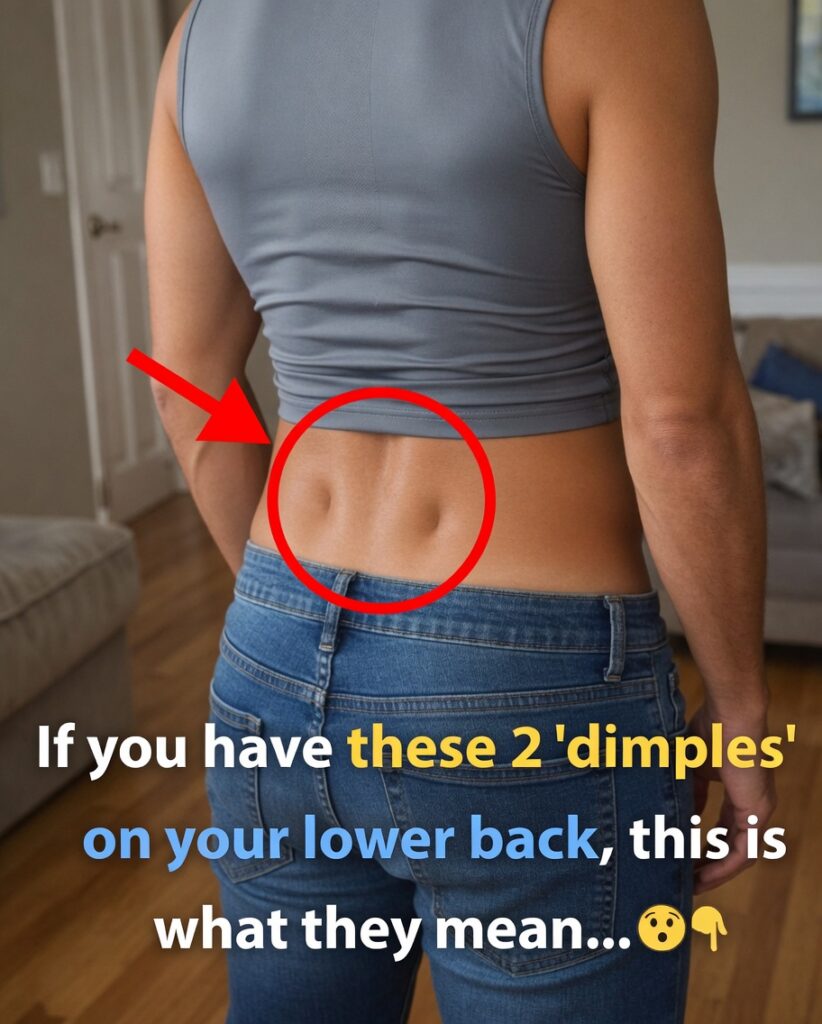
Have you ever noticed two small, matching indentations at the base of the lower back, sitting just above the hips? People often spot them in photos, at the beach, or on their own body—and immediately wonder whether they signal anything about beauty, fitness, or even health. These features are commonly called Venus dimples in women and Apollo dimples in men, and they’ve attracted attention for centuries thanks to their association with symmetry, body shape, and mythology.
In this guide, you’ll learn what lower back dimples are, why they appear, what research says about their connection to anatomy, and how to tell them apart from other types of dimples that may require medical attention.
What Are Lower Back Dimples (Venus Dimples / Apollo Dimples)?
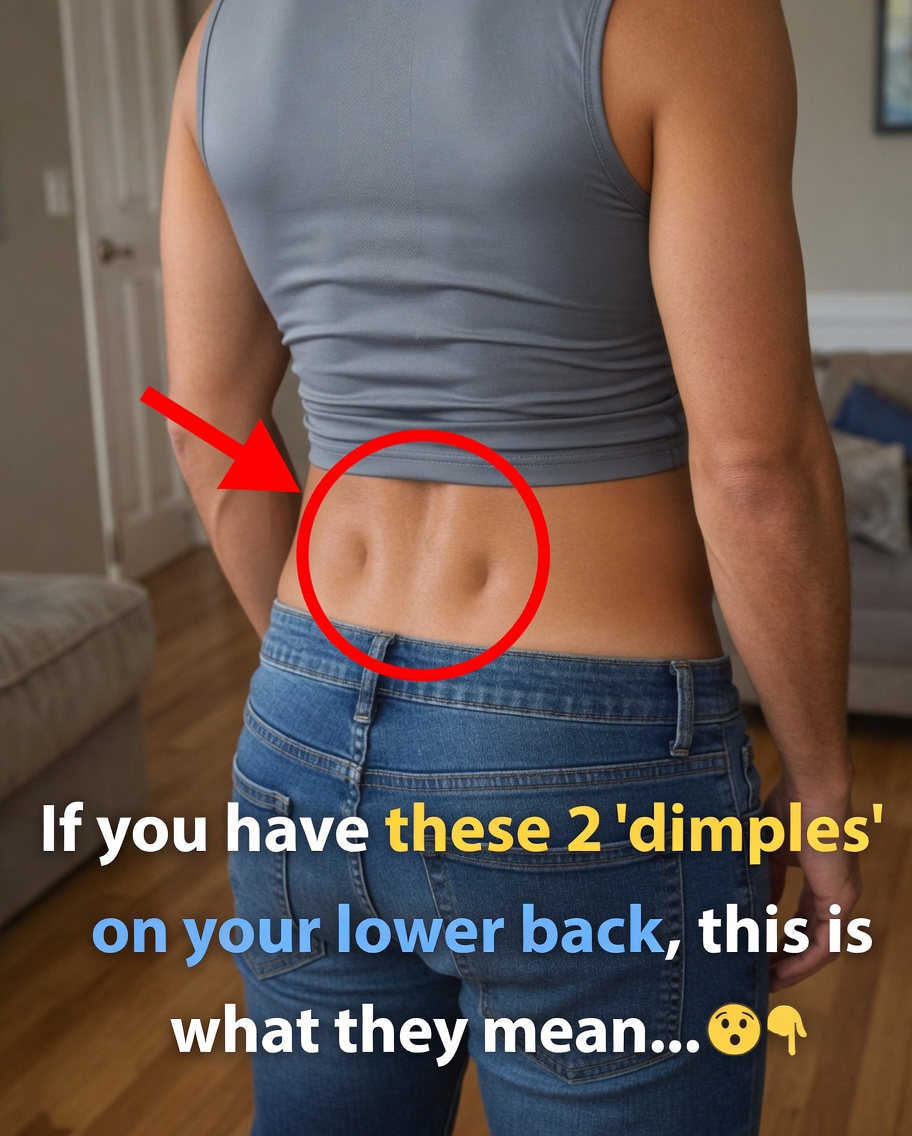
Lower back dimples—medically known as dimples of Venus (female) or dimples of Apollo (male)—are two symmetrical indentations located on either side of the spine in the lower back. You’ll typically see them where the pelvis meets the lower spine, just above the buttocks.
They form because of a short ligament that connects the skin to an underlying pelvic landmark called the posterior superior iliac spine (a small bony prominence). Where the skin is tethered more tightly, a natural dip appears.
Key point: They are primarily genetic. Like hair texture or earlobe shape, you either inherit the structure that creates them—or you don’t. While many people assume only very athletic individuals have them, genetics is the main reason they exist, and body composition mostly affects how visible they are.
Why Venus/Apollo Dimples Are Often Seen as Attractive
These dimples have earned their poetic names for a reason: they subtly highlight the transition between the lower back, hips, and pelvis, creating a contour that many cultures associate with aesthetic balance.
They’re often considered attractive because they:
- Emphasize symmetry, which the human eye naturally tends to find appealing
- Draw attention to the waist-to-hip area (an hourglass impression in women or a V-shaped look in men)
- Stand out in clothing styles that reveal the lower back, such as swimwear, crop tops, and backless outfits
- Are frequently associated with a leaner midsection, even though they’re not exclusive to any one body type
In short, lower back dimples don’t require “effort” to exist—so for some people, they feel like a naturally enhanced feature.

Do Lower Back Dimples Say Anything About Health or Fitness?
Most of the time, Venus/Apollo dimples are purely cosmetic and don’t indicate better health, superior fitness, or special biological advantages.
That said, there is some anatomical research worth knowing. One study examining spinopelvic alignment observed that people with Venus dimples may be more likely to have:
- A higher pelvic incidence angle
- More sagittally oriented facet joints in the spine
These measurements relate to how the pelvis and spine align and can influence posture mechanics. However, experts and mainstream medical sources emphasize that this does not translate into a clear health benefit (or problem) on its own. For the vast majority of people, these dimples are simply a normal anatomical variation.
Common Myths (and the Reality)
- Myth: They prove excellent pelvic blood flow.
- Reality: There’s no reliable evidence that the dimples themselves reflect circulation quality.
- Myth: Only people with very low body fat can have them.
- Reality: Anyone can have them; they may just look more pronounced with less overlying fat.
Venus Dimples and Sexual Health: Myth vs. Reality
A long-running claim is that these lower back dimples are linked to better sexual performance or easier orgasms, often explained through folklore about fertility or blood flow.
What science and reputable health sources indicate:
- There is no solid scientific evidence that Venus/Apollo dimples improve sexual function.
- While healthy pelvic circulation supports arousal in general, the dimples themselves don’t cause or enhance it.
In many cases, the association is more about perception: the dimples sit in an intimate area and can visually accentuate curves, which some people find sensual.
Important: Venus/Apollo Dimples vs. Sacral Dimples
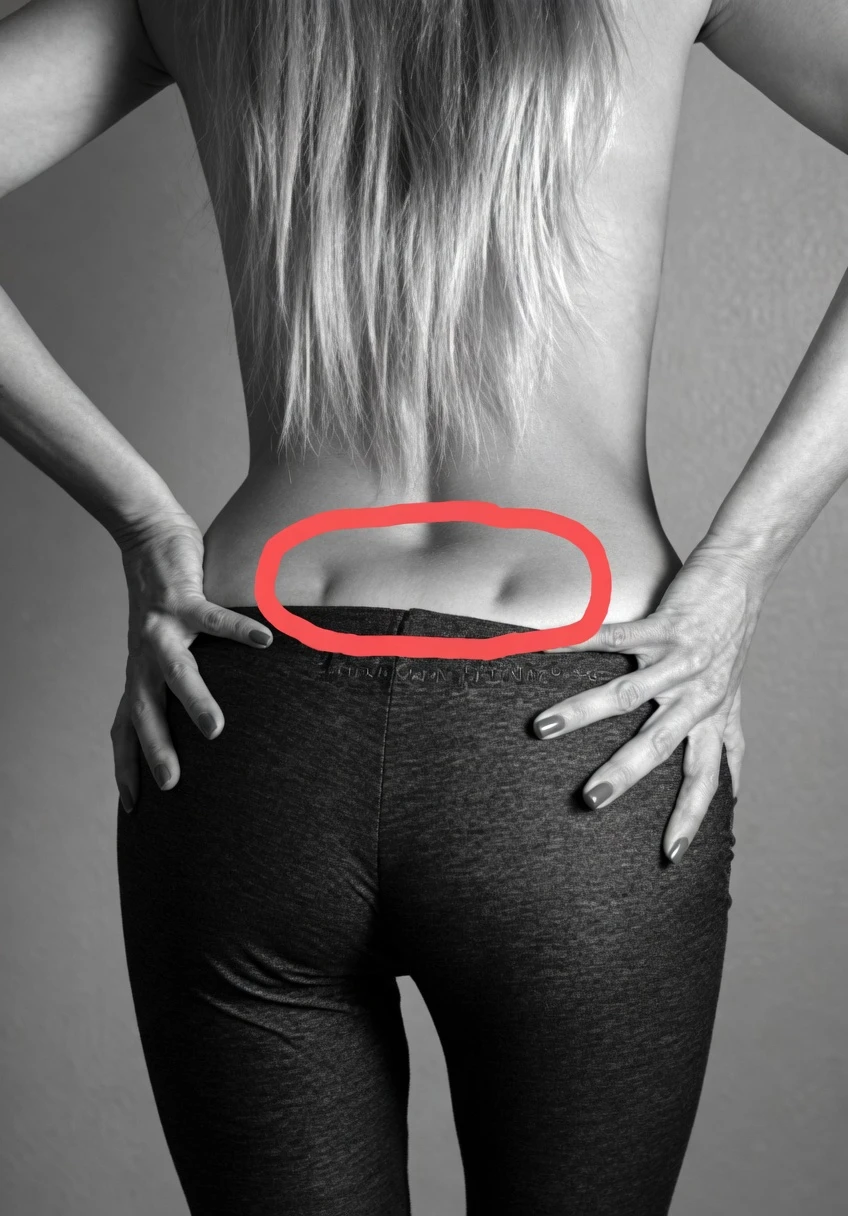
Most paired lower back dimples in adults are the harmless Venus/Apollo type. Still, it’s useful to know the difference between these and sacral dimples, which may appear closer to the midline.
Venus/Apollo Dimples (Typically Benign)
- Usually two dimples
- Symmetrical
- Located on either side of the spine above the hips
Sacral Dimples (Usually Harmless, Sometimes Needs Evaluation)
- Often single, not paired
- Found closer to the midline or near the buttock crease
- Common in newborns and usually not serious
- In rare cases—especially if deep or accompanied by a tuft of hair, discoloration, a skin tag, or a lump—a clinician may check for underlying spinal concerns (such as tethered cord conditions)
For adults, two symmetrical dimples high on the pelvis are almost always normal Venus/Apollo dimples.
How to Make Lower Back Dimples More Visible (If You Naturally Have Them)
You can’t create Venus dimples through exercise alone if you weren’t born with the underlying structure—but you can make existing dimples stand out more by improving muscle tone and posture.
Try focusing on:
- Core and glute training: planks, deadlifts, hip bridges, squats
- Healthy body composition: balanced nutrition and cardio can reduce excess fat that may soften contours
- Better posture: a neutral spine and tall stance can make natural definition more noticeable
- Clothing choices: high-waisted styles and open-back designs naturally draw attention to the area
- Skin care and hydration: smoother-looking skin helps subtle contours show more clearly
FAQs About Lower Back Dimples
-
Are lower back dimples rare?
Not particularly. Many people have them, but they’re more visible on some body types. Genetics controls whether they appear. -
Can exercise or surgery create them?
Exercise can enhance definition if you already have them, but it won’t form them from scratch. Some cosmetic procedures can imitate the look, though they aren’t medically necessary. -
Do Venus dimples disappear with age or weight gain?
They may become less noticeable if body fat increases or muscle tone changes, but the underlying anatomy typically remains.
Final Thoughts
Lower back dimples—whether you call them Venus dimples or Apollo dimples—are a natural, genetically influenced feature created by the way skin attaches to the pelvic structure. They’re widely admired for their symmetry and subtle contouring, but they don’t come with proven “health superpowers.” If you have them, they’re simply one more example of how human anatomy can vary in unique and beautiful ways.
Disclaimer: This article is for informational purposes only and does not replace professional medical advice. If you notice an unusual dimple, new changes, skin findings, or symptoms, consult a qualified healthcare provider for a personalized evaluation.