Hives (Urticaria): Why Those Itchy Welts Appear—and the Unexpected Triggers Behind Them
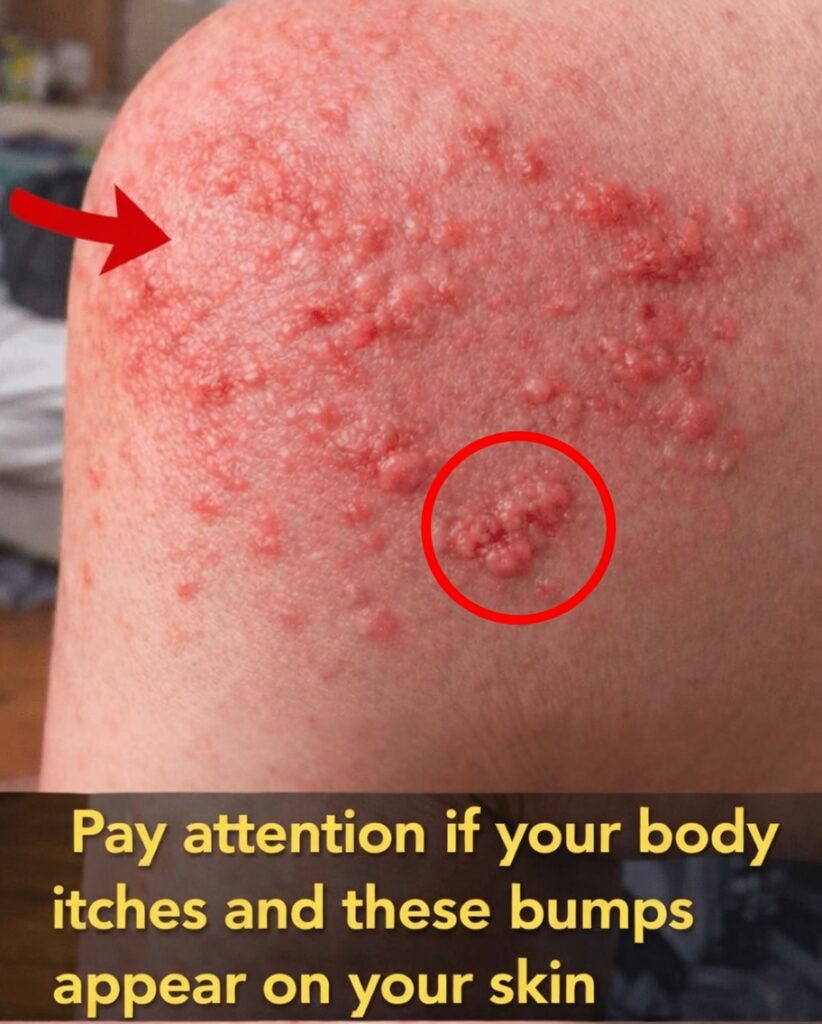
Waking up to itchy, red welts that seem to come from nowhere can be alarming. The itch can be relentless, the burning sensation distracting, and the uncertainty frustrating—especially when you can’t pinpoint what caused it. Hives, medically known as urticaria, affect millions of people and can turn everyday life into an uncomfortable distraction.
While many people immediately blame foods or medications, a large number of hive outbreaks are linked to everyday, non-obvious triggers that quietly activate the immune system. Below, you’ll learn what’s happening in your skin, which surprising factors may be behind your flare-ups, and practical steps many people use to reduce how often hives show up.
What Happens in Your Body When Hives Show Up?
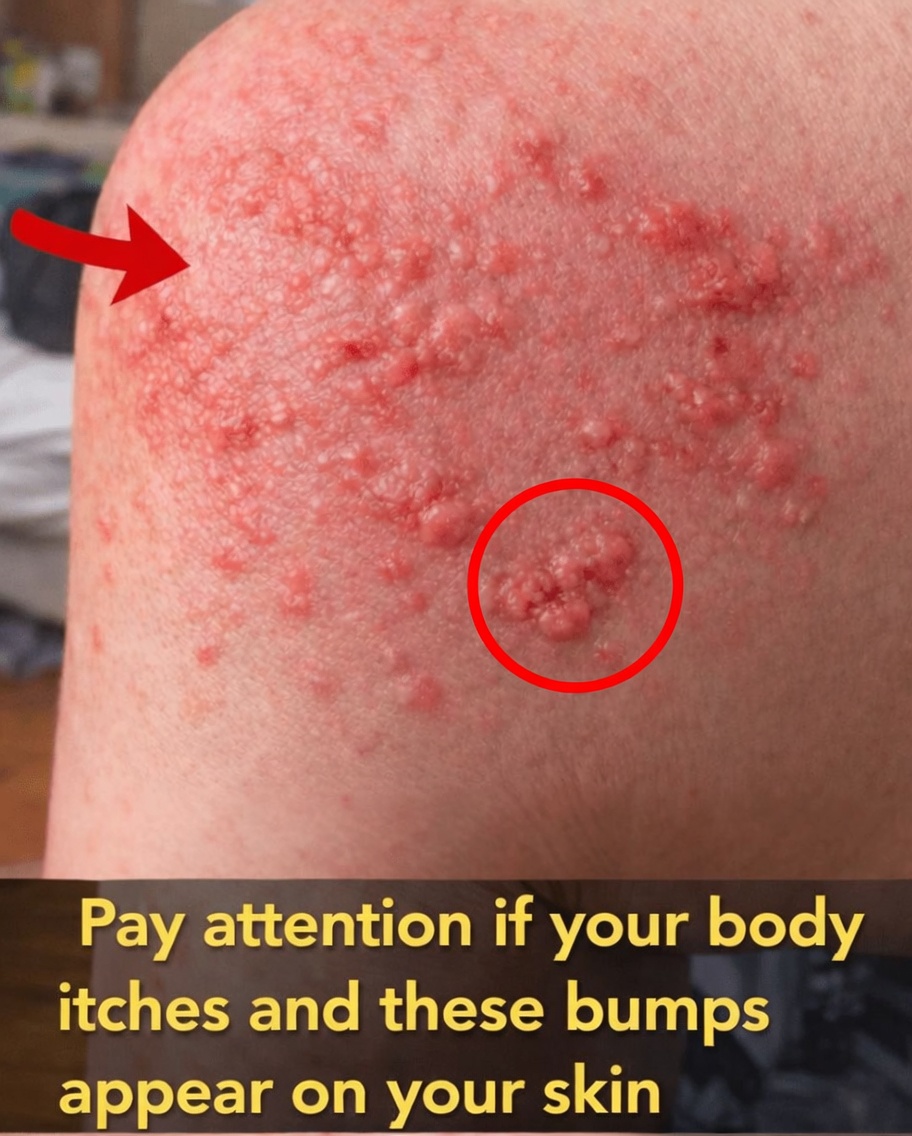
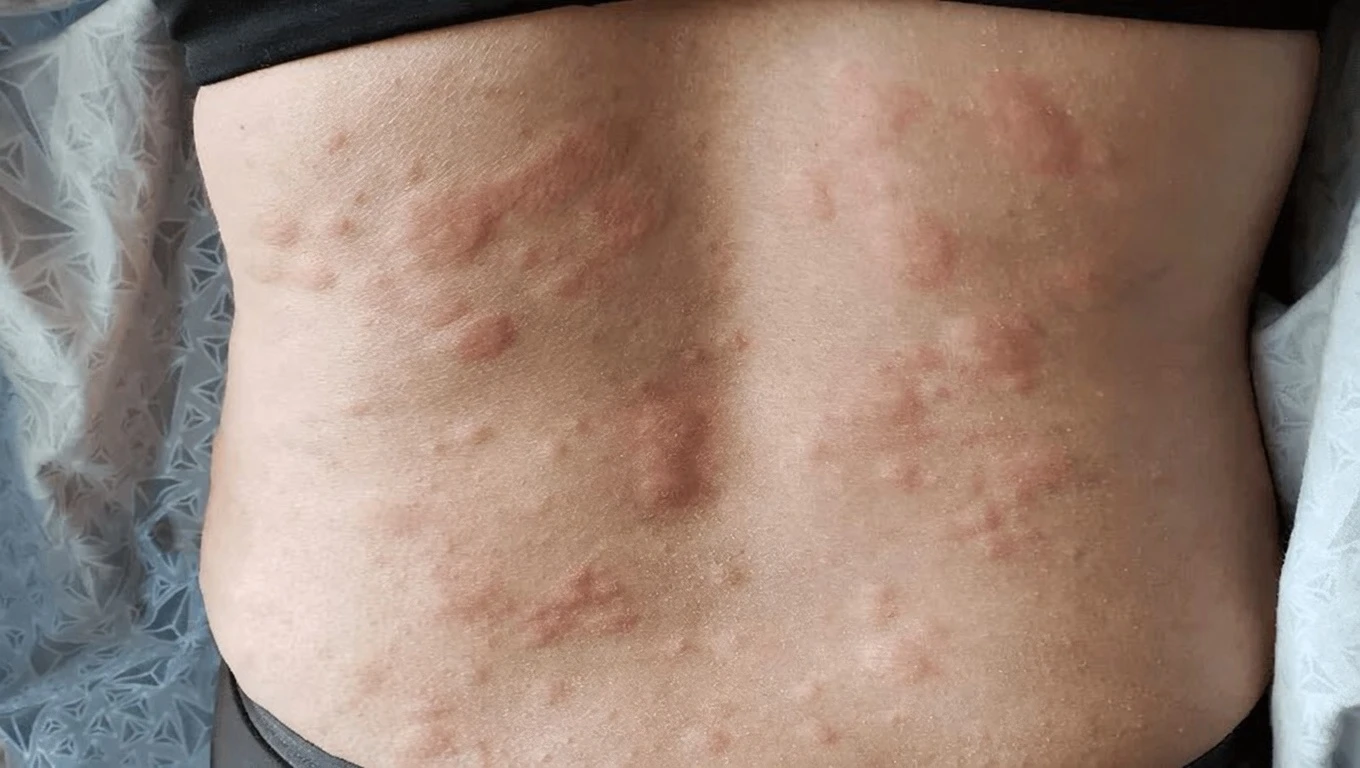
Hives develop when the immune system releases histamine and other inflammatory chemicals. This reaction makes small blood vessels leak fluid into nearby tissue, creating raised, red (or skin-colored) welts that often itch intensely.
Key features of hives include:
- Welts can be tiny or large, and may join together into wider patches.
- Individual spots often fade within hours, but new welts may appear elsewhere.
- Some cases are clearly allergy-related, but others occur without an obvious allergic cause.
Medical organizations such as the Cleveland Clinic and Mayo Clinic note that this “no clear trigger” pattern is especially common in chronic urticaria, typically defined as hives that persist or recur for more than six weeks.
Common Causes vs. Lesser-Known Triggers
Most people associate hives with classic allergens, including:
- Foods (such as shellfish, peanuts, or eggs)
- Medications (including some antibiotics or pain relievers)
- Insect stings
- Environmental allergens (like pollen or pet dander)
These triggers are well established. However, dermatology experts also emphasize that many hive episodes are driven by non-allergic factors—and these can be easy to miss.
Surprising Everyday Triggers That Can Set Off Hives
Stress and Emotional Strain
High stress levels can influence both the nervous system and immune responses, contributing to histamine release. For some people, emotional pressure can start an episode or make it worse, creating a loop: more itching leads to more stress, which can lead to more hives.
Pressure, Friction, and Skin Irritation
Physical pressure from daily life can lead to pressure urticaria. Common culprits include:
- Tight waistbands or bras
- Belts, straps, and heavy bags
- Prolonged sitting pressure
- Scratching or rubbing the skin
Notably, welts can show up hours after the pressure occurred, which makes the trigger harder to identify.
Rapid Temperature Changes
Sudden shifts in temperature can trigger physical forms of urticaria. Examples include:
- Hot showers
- Sweating heavily
- Stepping into cold wind or cold water
The American Academy of Dermatology describes heat-triggered and cold-triggered hives as common physical variants, especially in sensitive individuals.
Underlying or Recent Infections
Hives can appear during or after infections, even if the illness seems mild. Triggers may include:
- Viral infections (like a common cold)
- Sinus infections
- Other recent inflammatory illnesses, including post-viral reactions
Medical reviews also link hives in some cases to bacterial infections and certain systemic conditions (such as hepatitis).
Autoimmune and Internal Health Conditions
Some hive patterns are associated with autoimmune activity, where the immune system mistakenly targets the body’s own tissues. Conditions sometimes linked to chronic hives include:
- Thyroid disorders
- Lupus
- Rheumatoid arthritis
- Diabetes (in some contexts)
In these cases, hives may be part of a broader immune imbalance rather than a straightforward allergy.
Exercise and Heavy Physical Activity
Workouts increase body temperature and sweating, which can trigger cholinergic urticaria in certain individuals. This type often appears as small, pinpoint welts during or shortly after exercise.
Everyday Contact Triggers (Products and Materials)
Some people react when their skin comes into contact with common items, such as:
- Fragranced lotions, soaps, and cosmetics
- Latex
- Certain fabrics
- Dust or household irritants
These reactions are often localized to the contact area, though they can spread in more sensitive cases.
Why It Can Feel So Random
Many triggers stack together. For example, stress + heat from exercise + tight workout clothing can combine into a “perfect storm” that makes an outbreak more likely.
Practical Steps That May Help Manage Hive Flare-Ups
These habits, commonly recommended by dermatology professionals, may help reduce the frequency or intensity of hives. Results vary, but many people notice improvement when they identify and limit personal triggers.
1) Track Your Patterns
Use a simple log for 1–2 weeks and note:
- What you ate and drank
- Medications or supplements
- Clothing and products used
- Activities (exercise, travel, heat exposure)
- Stress level and sleep quality
Patterns often become clearer when written down.
2) Reduce Physical and Temperature Triggers
- Choose loose, breathable clothing with soft materials.
- Use lukewarm showers instead of very hot water.
- Avoid prolonged pressure from straps, belts, or heavy loads when possible.
3) Lower Stress Load
Short daily routines can support nervous-system regulation, such as:
- Slow breathing exercises
- Gentle walks outdoors
- Mindfulness or guided relaxation apps
Reducing stress may decrease overall immune reactivity for some people.
4) Keep Skin Care Gentle
- Pick fragrance-free, hypoallergenic cleansers and moisturizers.
- Pat skin dry rather than rubbing.
- Avoid harsh exfoliants during flare-ups.
5) Support Recovery with Sleep and Hydration
Adequate sleep and hydration won’t “cure” hives, but they help the body maintain balance and may reduce flare intensity in some individuals.
6) Use Cool Compresses for Active Itch
A cool, damp cloth applied for 10–15 minutes can help calm itching and reduce the urge to scratch.
When to Get Medical Care
Many hive episodes fade on their own, but professional evaluation is important if you notice:
- Hives lasting or recurring beyond six weeks (possible chronic urticaria)
- Significant swelling around the eyes, lips, face, or throat
- Breathing problems, wheezing, dizziness, or fainting
- Symptoms such as nausea, vomiting, or a rapid heartbeat alongside hives
These may signal a severe reaction such as anaphylaxis, which requires emergency medical attention immediately.
For ongoing or recurring hives, seeing a dermatologist or allergist can help clarify triggers and discuss appropriate treatment options.
FAQ: Quick Answers About Hives
Can stress really trigger hives?
Yes. Emotional and physical stress can promote histamine release and worsen inflammation. Many people report outbreaks during high-pressure periods.
How long do hives typically last?
Acute hives may resolve within hours to a few days. If hives persist or frequently return for over six weeks, they are considered chronic and should be reviewed by a clinician.
Are hives contagious?
No. Hives are an immune response inside your body—they are not spread from person to person.
Disclaimer
This article is provided for informational purposes only and does not replace professional medical advice. For personalized guidance, diagnosis, or treatment, consult a qualified healthcare provider.