
Aging can feel intimidating. Many people notice their energy fading, joints becoming less flexible, and concerns growing about independence later in life. The fear of chronic illness—or losing vitality too soon—feels personal for almost everyone.
Yet Japan offers a striking counterpoint. According to Japan’s Ministry of Health, Labour and Welfare, the number of people aged 100+ reached a record 99,763 as of September 2025. These centenarians are not merely “getting by.” Many remain active, socially engaged, and mentally sharp.
The most encouraging part: their longevity is rarely tied to dramatic biohacks or miracle cures. Instead, it’s built on simple, repeatable habits embedded in everyday culture—patterns that are realistic to adopt in many countries. Near the end, you’ll find practical steps you can start using today.

Why Japan Is a Global Leader in Longevity
Japan consistently ranks among the world’s top countries for life expectancy. Its steadily rising centenarian population—growing year after year for decades—signals one of the highest concentrations of long-lived people anywhere.
Research and observations from regions such as Okinawa, a well-known “Blue Zone,” suggest that lifestyle plays a major role alongside strong healthcare access. Longevity is often associated with:
- Lower chronic inflammation
- Stronger metabolic health
- Better social and emotional well-being
Importantly, these advantages are supported by daily routines—not genetics alone.
The Strength of a Simple, Plant-Forward Diet
Many Japanese centenarians eat meals based on whole, minimally processed foods. Common staples include vegetables, seaweed, tofu and other soy foods (often fermented), fish, and green tea. This style of eating tends to deliver:
- Omega-3 fats
- Antioxidants
- Fiber
- Fermentation-related compounds that can support gut health
—without relying heavily on refined sugar or ultra-processed calories.
A widely known cultural principle is “hara hachi bu”, which means eating until you feel about 80% full. This mindful approach can reduce overeating, support healthy weight maintenance, and lessen digestive strain over time. Research on portion control and calorie moderation in multiple populations links similar patterns with improved metabolic markers.
Common foods often seen in long-living Japanese dietary patterns include:
- Fatty fish (such as sardines or mackerel) for heart-supportive fats
- Sea vegetables (like wakame or nori) for minerals and trace nutrients
- Fermented foods (including miso or natto) to support gut microbiome diversity
- Green tea, rich in antioxidant catechins
- Colorful vegetables, with modest portions of rice or noodles
Taken together, these choices create meals that are nutrient-dense and balanced, helping the body thrive without overload.
Daily, Gentle Movement That Adds Up
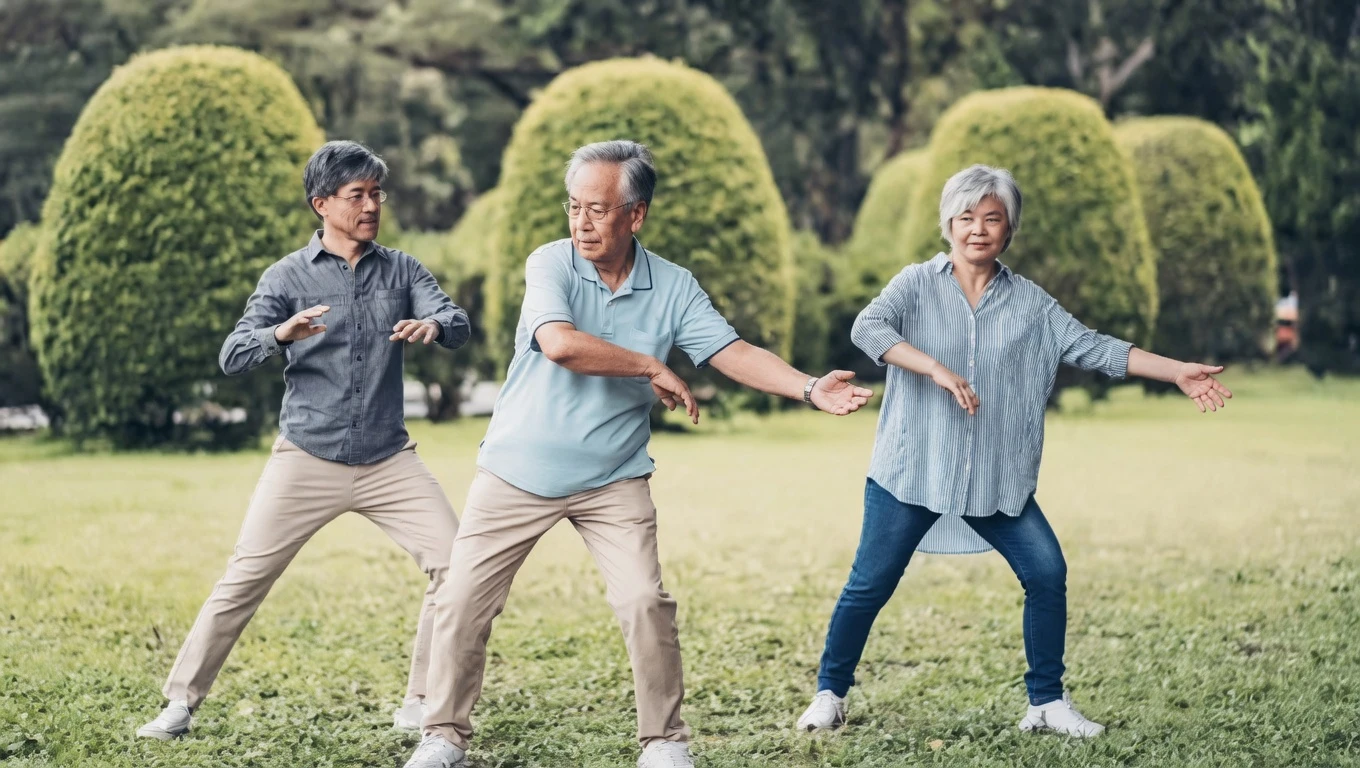
Forget the idea that you need intense workouts to age well. Many older adults in Japan stay mobile through natural, frequent movement, such as:
- Walking to shops or visiting neighbors
- Gardening and light outdoor chores
- Gentle stretching or slow, controlled movement practices
- Regular household tasks
This steady activity supports muscle retention, joint mobility, circulation, and cardiovascular health while keeping injury risk relatively low. Research consistently shows that moderate movement done consistently is often more protective than occasional bursts of high-intensity exercise—especially for long-term vitality.
Community, Connection, and a Sense of Purpose
Social isolation can affect health as strongly as poor diet or inactivity. In Japan, social structure often encourages connection through:
- Family relationships across generations
- Neighborhood communities
- Shared cultural routines and traditions
Many centenarians also maintain a strong sense of “ikigai”—a personal “reason for being.” This can come from hobbies, volunteering, caregiving roles, or simply feeling needed by others. A clear sense of purpose supports psychological resilience and is frequently linked in long-living population studies with healthier aging outcomes.
Blue Zone findings repeatedly show that social connection is strongly correlated with longer, healthier lives.
Additional Daily Habits That Support Healthy Aging
Beyond food and movement, several recurring routines appear frequently in Japanese longevity patterns:
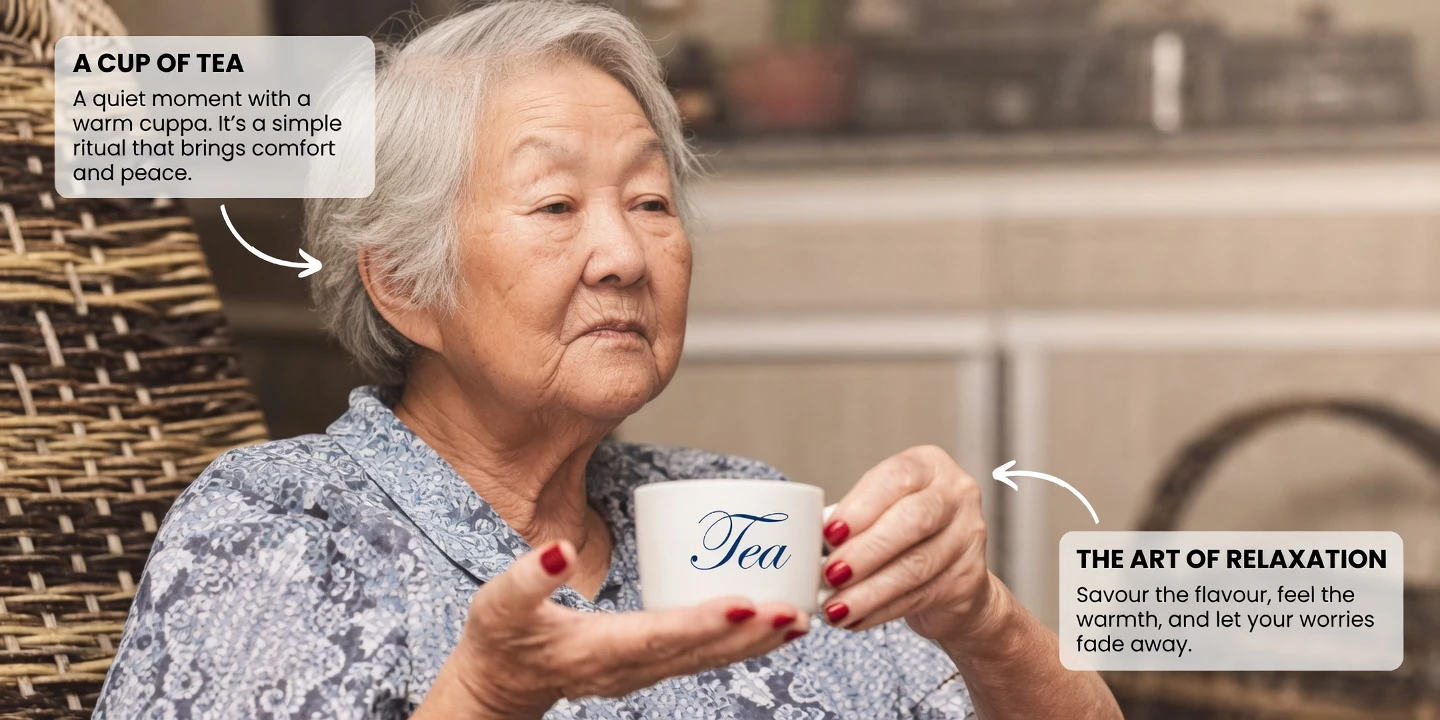
- Drinking green tea regularly for antioxidant and calming benefits
- Protecting sleep quality with a quiet, consistent environment
- Managing stress through low-intensity practices (breathing, time in nature, quiet reflection)
- Keeping the mind active via reading, puzzles, learning, and frequent conversation
These habits don’t work overnight, but they tend to compound over years, building resilience from the inside out.
Practical Ways to Start Using Japanese Longevity Habits
If you want to borrow from this blueprint, start small. Consistency matters more than perfection. Try this simple approach:
-
Use mindful eating at your next meal
Pause halfway through and check your hunger level. If you feel close to satisfied, stop—aiming for that “80% full” point. -
Make meals more plant-forward
Try filling half your plate with vegetables. Add seaweed snacks, miso soup, or fermented soy a few times per week if it fits your diet. -
Build gentle movement into your day
Walk for 20–30 minutes, especially after meals. Stretch while watching TV, take stairs when possible, or do light gardening. Treat it as routine, not a separate “workout.” -
Strengthen your social ties
Schedule regular calls, meetups, or shared meals. Consider joining a hobby group, club, or community class to create consistent connection. -
Swap one sugary drink for green tea
Replace one daily sweet beverage with unsweetened green tea to reduce sugar while gaining antioxidants. -
Create a calmer sleep transition
Dim lights, reduce screen time, and keep a consistent bedtime. A short wind-down routine can noticeably improve sleep quality.
Track how you feel over 2–4 weeks. Many people notice improvements in energy, mood, and digestion from small changes that actually stick.
Why These Habits Work So Well Together
Their impact comes from balance and prevention, not extremes. When diet lowers inflammatory burden, movement supports mobility and metabolism, and social connection stabilizes emotional health, the body gets steady conditions to maintain and repair itself.
Observational research on Japanese populations and other long-living communities repeatedly highlights how these factors reinforce one another—creating a lifestyle that supports healthy aging over the long term.
Conclusion: Longevity Is Built One Day at a Time
Japan’s nearly 100,000 centenarians offer a powerful lesson: living longer with vitality is often the result of repeatable daily choices, not rare luck. You don’t need to move to Japan—or reinvent your life overnight. Pick one or two habits that feel realistic, practice them consistently, then build momentum.
Your future health is shaped by what you do most days, not what you do occasionally.
Frequently Asked Questions
How many centenarians are in Japan today?
As of September 2025, official government data reports 99,763 people aged 100 and older, and the number continues to rise each year.
Can non-Japanese people practice “hara hachi bu”?
Yes. It simply means stopping when you feel about 80% full. Many cultures have similar mindful eating traditions, and the approach can support portion awareness and digestion.
Do these habits guarantee a longer life?
No lifestyle habit can promise a specific lifespan. However, research strongly links these behaviors to improved health markers and better quality of life in aging populations.
Disclaimer
This article is for informational purposes only and does not provide medical advice. Consult a qualified healthcare professional before making major changes to your diet, exercise, or lifestyle—especially if you have existing health conditions.